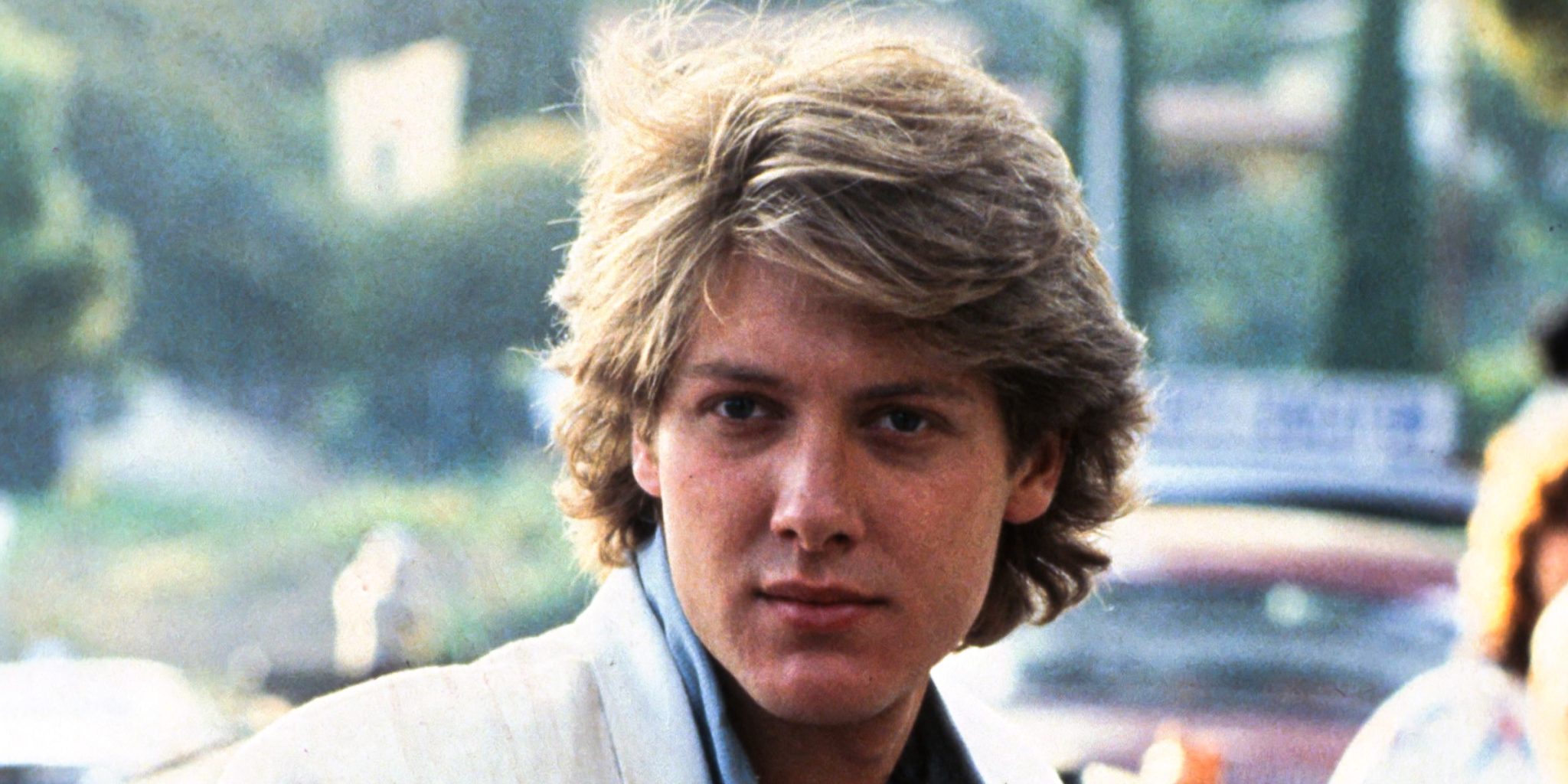
For years, his intense on-screen presence has held viewers spellbound, yet away from the cameras he lives almost like a ghost: reserved, strictly self-disciplined, nearly unplugged from modern gadgets, and guided by a set of quiet, methodical habits.
He grew up in Boston in a household of educators, but instead of following his parents and siblings into academia, he stepped off that path. He cycled through a string of physically demanding and unconventional jobs — mucking out stables, shoveling manure, and later teaching yoga — before his unlikely path bent toward Hollywood success.

From an early age, his world revolved around schools. His parents taught at prestigious East Coast institutions, and he attended the same elite environments. While his sisters thrived in structured study, he gravitated toward performance. Family gatherings often turned into little theater nights, with him staging impromptu plays rather than burying his head in textbooks.
Eventually, his ambition carried him to New York City to seriously pursue acting. There, he kept himself afloat with tough, blue-collar work — loading freight on railroads, doing manual labor, and giving yoga classes — anything that allowed him to keep chasing auditions instead of surrendering to a conventional career.
It was in one of those gyms, between classes and weights, that he met Victoria Kheel, a yoga instructor with whom he shared more than just stretches and breathing exercises. Their friendship deepened over nearly ten years, slowly evolving into romance until they finally married after a long, steady courtship.

With his crisp, preppy look and quick intellect, he fit naturally into the Hollywood landscape of the 1980s. Friends and colleagues like Robert Downey Jr. and Eric Stoltz fully embraced that period’s wild, hedonistic reputation, but he mostly hovered at the edges. Rather than partying his way through the decade, he chose concentration over chaos, keeping his eye on his craft instead of on the club scene.
One constant he has never sugarcoated is his obsessive-compulsive disorder. “I’m obsessive-compulsive,” he admitted in a 2014 interview. “I have very, very strong obsessive-compulsive issues. I’m very particular.” For him, these patterns aren’t cute eccentricities people joke about at dinner parties — they are serious routines that support his daily life and work.
Order and repetition are not just comforting; they are vital. Every detail, from how he prepares for a role to how he organizes his surroundings, feeds into those rituals. That deep need for structure, though, can make being close to him a challenge at times. The same intensity that drives his performances can make his moods and habits feel unpredictable to those who share his space.
Childhood Roots, Unconventional Dreams
The tension between the expectations of his scholarly upbringing and his creative instincts shaped much of his early life. Growing up, he watched his parents and siblings operate comfortably within the world of classrooms, lesson plans, and academic calendars, yet he felt pulled toward stages and scripts. That inner conflict fueled his willingness to do unglamorous work — shoveling, hauling, teaching — all to support a dream that didn’t fit the mold of his family’s profession.
In New York, he learned to rely on sheer perseverance. The rough jobs that kept him afloat also toughened him, giving him a grounded sense of life beyond the bubble of show business. Those years of scraping by, auditioning between shifts and yoga sessions, formed the bedrock of the discipline he still carries today.
It was during this period that his relationship with Victoria Kheel solidified. The bond that began in the gym proved durable under the pressures of city life and an unstable acting career. Their slow-burn romance and eventual marriage reflected the way he approaches most things: cautiously, deliberately, and with a long view rather than a rush of impulse.
His struggles with obsessive-compulsive tendencies also became clearer as his career gained momentum. While many performers rely on ritual, his extended well beyond simple superstition. The routines governing his day — when he arrives, how he prepares, the way he organizes his environment — became a kind of architecture keeping anxiety in check. To colleagues, it could seem extreme, but for him it was simply the framework that allowed him to function and perform.
Rejecting the Digital World
The man behind this carefully controlled life is James Todd Spader. His aversion to technology matches his discomfort with celebrity culture. At one point, he held up an old, battered Razr flip phone and explained that he doesn’t own a computer or any of the devices most people rely on. “I have no computer, no electronics in my life. I have this broken phone. It rings, I’ll flip it open and the act of doing that shuts the phone off,” he said. Even his own sons, then teenagers of 16 and 20, were unimpressed with their father’s antique gadget.