
Eight months had passed since I lost my wife of forty-three years, and I thought the worst thing the silence could do was linger in the spaces she once filled. At seventy-three, my days had turned into routines stitched together by habit—brewing two cups of coffee even though only one was needed, letting the low buzz of the refrigerator stand in for company. Ellen always told me, “It’s you and me against the world, Harold,” and for most of our life, that was all I ever needed. But grief stretches the hours thin, turning empty seats into sharp reminders of what’s gone. One biting Thursday afternoon, picking up groceries I didn’t truly need, I walked out of Walmart and saw a young woman in a flimsy sweater holding a baby wrapped in a worn towel. Her lips were tinged with blue. Maybe it was instinct, or maybe just the weight of coming home to an empty house again, but before I could question myself, I shrugged off my heavy winter coat, wrapped it around her shoulders, and led her back inside to warm up.
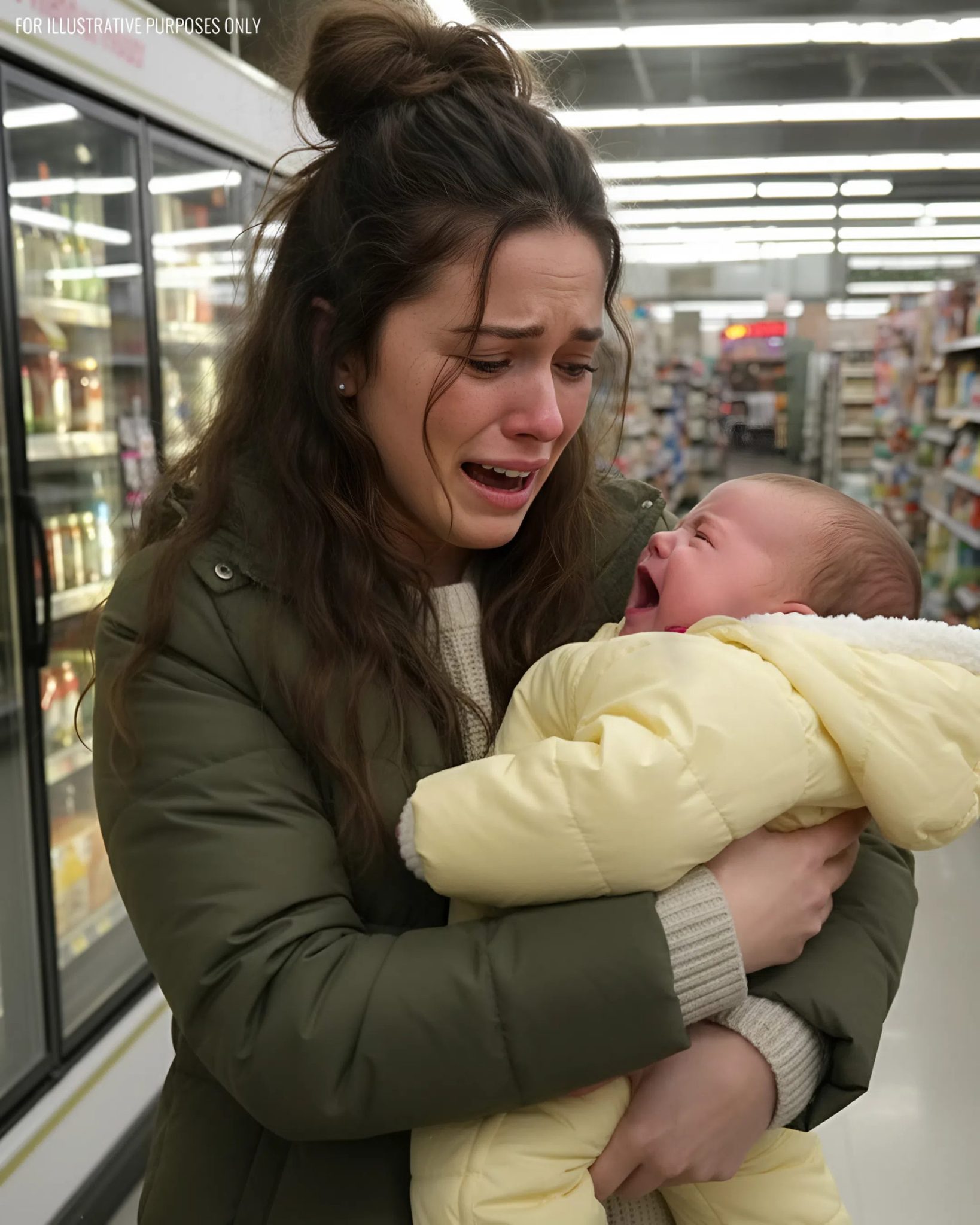
Her name was Penny, and the baby was Lucas. As she held her hands around a steaming cup of coffee, she told me she had left an unsafe home earlier that day and had nowhere to go. She hadn’t eaten since the previous morning. I didn’t know the right words, but I did my best to offer comfort. When her soup was gone and she tried to return my coat, I insisted she keep it. That night, setting the table for just myself again, I found myself speaking aloud to Ellen’s empty chair, telling her she would’ve liked Penny—frightened, determined, and doing the best she could. A week later, a firm knock rattled my door. I opened it to find two serious-looking men in black suits asking to discuss “what happened last Thursday.” My heart nearly stopped—until Penny stepped forward behind them, warm, safe, and bundled properly. They were her brothers, there to thank me.
Once inside, they explained that Penny had gone to the police after our meeting at Walmart. My small gesture had become part of the official report documenting the danger she and her baby had escaped. Her brothers wanted to express their gratitude and offered help with anything I might need. I brushed it off awkwardly, but then Penny quietly asked if she could do something in return. I mentioned I hadn’t had a homemade apple pie in ages, and two days later she arrived at my doorstep holding one that smelled like cinnamon and home.

We sat at the kitchen table—using Ellen’s old “company plates”—and shared warm slices while Lucas slept. Penny talked about the custody battle ahead, her fears, and her brothers who stood firmly behind her. She asked if I truly thought she could rebuild her life. I told her I’d seen plenty of parents who didn’t seem to care at all—she was not one of them.
Before she left, she promised to bake a berry pie for Saturday. I joked that I hadn’t looked forward to a Saturday quite so much in years. When the door closed, the house didn’t feel as hollow as it had. Maybe grief softens when new voices settle into the quiet. Maybe kindness circles back when you least expect it. Either way, I set up the coffee pot for Saturday and felt, for the first time in months, something that resembled hope.