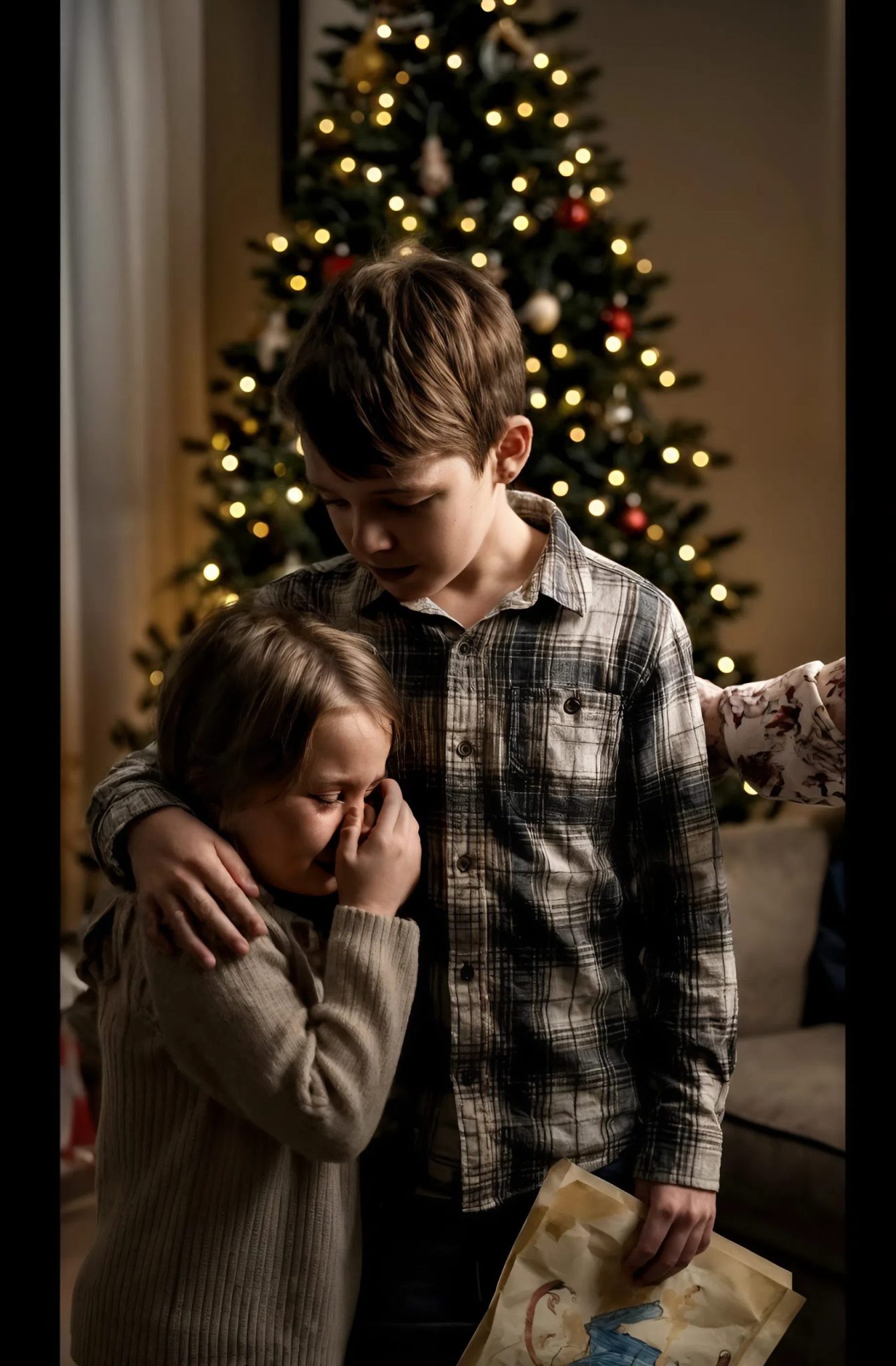
On Christmas Eve, my mother-in-law stared at my six-year-old daughter and coldly said:
‘Children born of a mother’s betrayal have no right to call me grandmother,’ immediately after pushing away a gift my daughter had made with her own hands.
Before I could say anything, my son stood up and uttered a single sentence.
The whole room fell silent.
I swear, no one else in the living room was breathing at that moment. The silence was not just an absence of sound — it was physically palpable: heavy, oppressive, like a void sucking out the oxygen and leaving us all gasping for breath. Even the cheap porcelain angel on my mother-in-law’s mantelpiece — the one that usually ‘looks’ disapprovingly at my shoes — seemed to want to cover its ears.
And me? I stood rooted to the spot. It was as if someone had opened my skull and pulled the power cord out of my brain. My mouth opened, closed, opened again… like a goldfish in the throes of emotional trauma. My six-year-old daughter Mia didn’t understand the words — not completely, not yet — but she understood the intonation. She understood rejection. Her face, usually so bright and steadfast, crumpled like wet paper forgotten in the rain.

And then I felt dizzy. I had to cling to the back of the dining chair so hard that my knuckles turned white. Not because I was afraid of losing consciousness, but because I needed something to hold on to so I wouldn’t fly over the coffee table and lunge at Sharon.
Just a minute ago, everything was so… normal. Well, according to Sharon. That is, excessively festive and deeply, frighteningly fake. Her Christmas tree shone with a maniacal glow. Cinnamon candles fought a losing battle against the smell of burnt ham coming from the kitchen. Presents were piled high in towers — a monument to seasonal consumerism and ostentatious generosity.
And, of course, favouritism flowed like cheap wine at a parents’ meeting.
Bella was the first to approach. Bella is my sister-in-law Melanie’s daughter: a golden child, the chosen one, the favourite of her grandparents. She handed Sharon a mug she had painted at school — a ceramic disaster covered in bumps and glitter that looked like it needed urgent hospital treatment.
Sharon gasped. It was the kind of gasp usually reserved for winning the lottery or religious revelations. She hugged Bella, cooing ecstatically about her ‘artistic genius,’ while my father-in-law Lawrence clapped his hands like an animatronic grandfather programmed for maximum enthusiasm.
Then there was my eldest son, Noah. He gave her a simple, sincere drawing of him and Sharon sledding. She giggled again, smoothed his hair, and said he was ‘such a talented little man.’ And then he was handed a box bigger than his torso. When he tore open the wrapping, there was a radio-controlled car with flashing LED lights and wheels that looked like it could cross Mars.
And then it was Mia’s turn.
She was given a small plastic doll. One of those that lie at the bottom of the bargain bin, with hair so sparse it looks like it has been through a bad bleaching. Sharon smiled at Mia with her thin, forced smile — the one she uses when she would rather be smiling at literally anyone else. But Mia didn’t notice. She was too happy, too innocent. My girl had been working on her drawing for several days. She held it with both hands, her eyes shining, bouncing on her toes like a puppy waiting for a treat.
She held out the drawing.
And the world collapsed.
Sharon took the drawing. She looked at it. She looked at Mia. Then she looked at me — her eyes hard, cold as flint. And in the softest and most poisonous tone imaginable, she uttered a phrase that will echo in my head for the rest of my life:
‘Children born of their mother’s betrayal cannot call me grandmother, dear.’
I felt every word like a slap in the face. Mia froze. It was as if this phrase had pressed a ‘stop’ button in her little body. Her lips trembled. Her eyes filled with tears. And then the first tear rolled down her cheek — slow, heavy, the kind a child cries when the universe suddenly ceases to make sense.
Lawrence fidgeted, staring awkwardly at the carpet… but said nothing. Melanie looked as if she wanted to smile, but knew she couldn’t; she settled for a fake look of shock that never quite reached her eyes.
And my husband, Thomas? He looked as if he had been dunked underwater. His eyes were wide open, numb, his whole body frozen. He opened his mouth to speak, but no sound came out — the words stuck in his throat.
And I… I was shaking. Fury rose up my spine in electric, burning waves. I felt it in my teeth, in my fingers, in the frantic pounding of my pulse. But just before I exploded, just before the scream that had been building in my chest burst out, Noah stood up.
My eight-year-old boy. The one they adored. The one who, in their opinion, could not be wrong.
He jumped up so abruptly that his chair scraped across the parquet floor with a piercing screech. Everyone flinched. He walked straight up to Sharon, his jaw clenched, fire in his eyes — with a fury I had never seen in him before, something fierce and frighteningly adult.
He reached out and took the drawing he had given her earlier — the one with the sled she had praised so highly. His little fingers were trembling. Then he bent down and placed a huge radio-controlled car — the perfect, expensive, coveted gift — right at her feet.
The room gasped. Even Melanie blinked — her mask faltered.
And then Noah spoke, his voice steady but broken at the edges:
‘If my sister can’t call you Grandma… then neither can I.’
Silence. Thick, stunned, suffocating silence. Bella stared, not understanding. Melanie’s mouth opened. Sharon stepped back as if she had been struck.
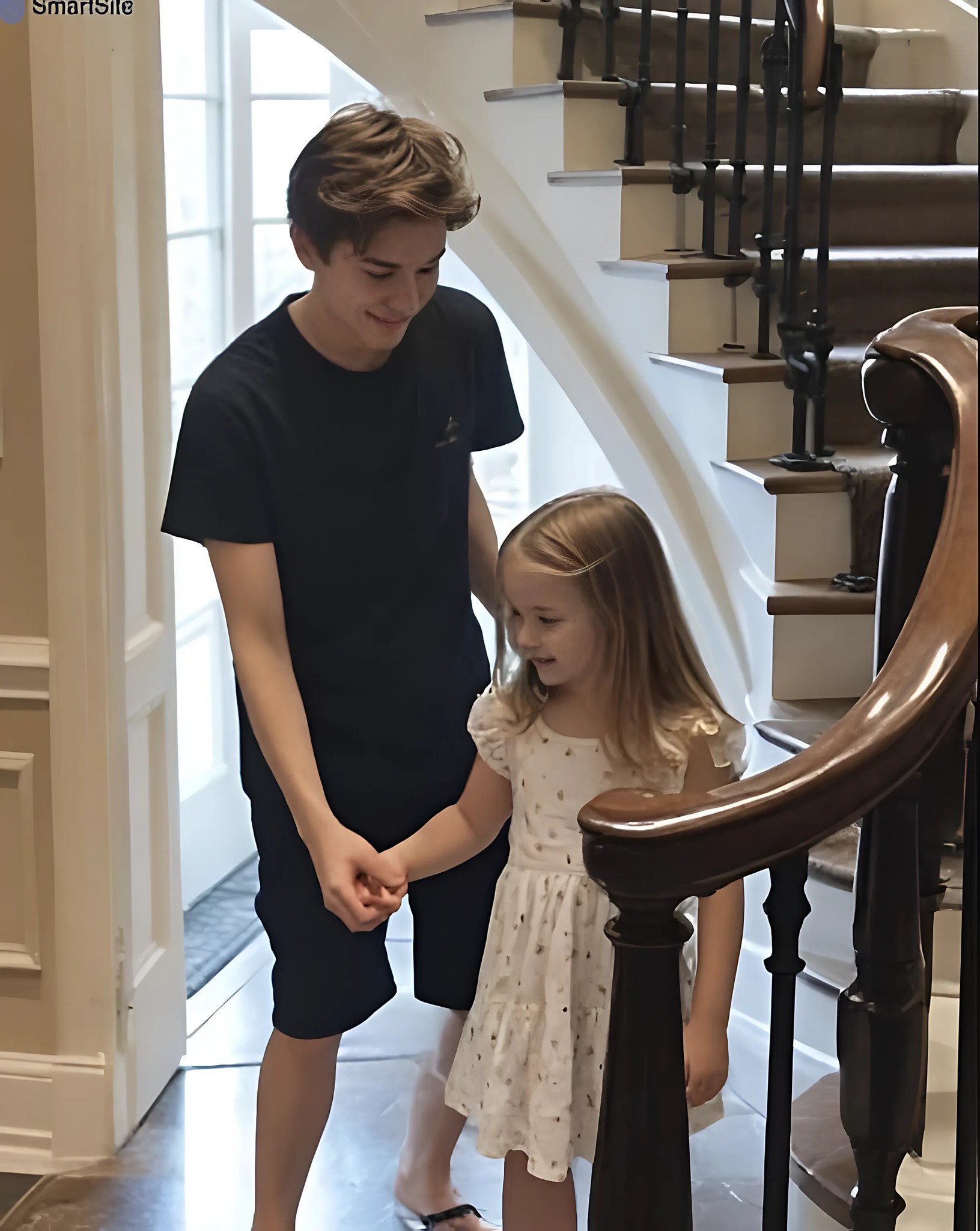
Noah turned to Mia and took her hand. Gently, as if she were something infinitely precious and fragile. Then he looked at me and said,
‘Mum, can we leave? I don’t want to be here.’
It wasn’t a question. It was a statement.
Everything instantly fell into place for me. The shock dissipated, replaced by icy clarity.
‘Yes,’ I said. ‘We’re leaving.’
Thomas followed me, slowly but determinedly. There was something on his face — shame, perhaps, or the first signs of horror. Or maybe just the realisation that his mother had just burned a bridge that could never be rebuilt.
No one stopped us. No one tried. We walked through the house to the door, all four of us, holding on to each other like soldiers crossing a minefield.
When I put my hand on the handle, I was overcome by a sharp, nauseating feeling: this was only the beginning. The real explosion hadn’t even started yet.
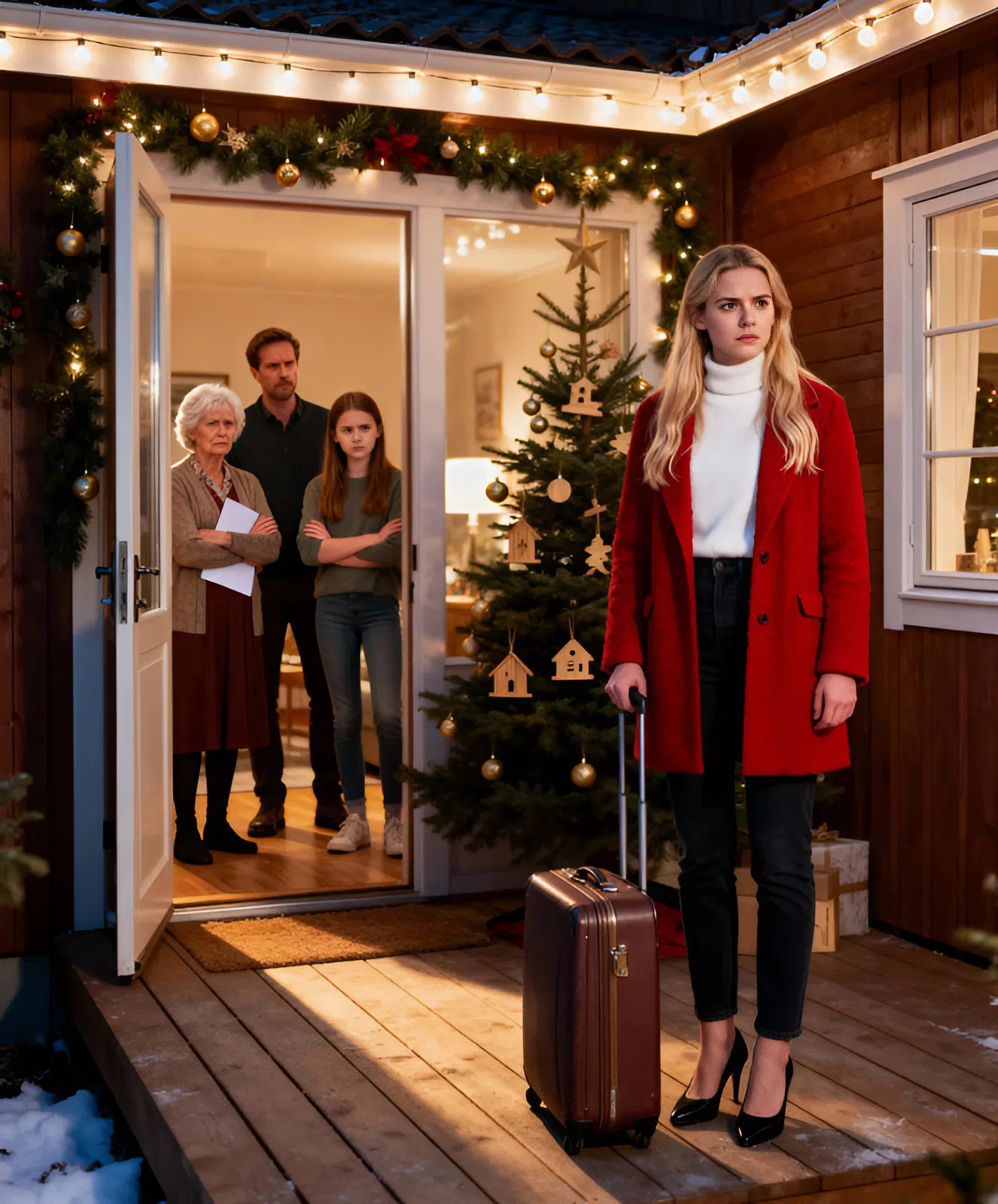
We stepped out into the crisp December air, and the door closed behind us with a dull, final click, like a lock being closed forever.
If someone had told me a few years ago that Sharon would one day accuse me of cheating in front of my six-year-old daughter, I wouldn’t have believed them. Not because she wasn’t capable of it — oh no, she was beyond cruel — but because I didn’t think the universe could be so… literal.
And yet, looking back, the signs were everywhere. I just kept convincing myself they weren’t there.
Let’s start at the beginning.
I met Thomas at a gaming party that I wasn’t even supposed to be invited to. I was having a terrible day — the kind that makes you aggressively rethink every choice you’ve ever made in your life — and my friend dragged me out.
‘There’ll be food,’ she promised. ‘And maybe someone cute.’
There was food. As for ‘attractive,’ that’s debatable. I walked in and saw him: tall, nervous, wearing a NASA T-shirt, sorting game chips by colour with such concentration that he looked like he was defusing a bomb. He looked up, adjusted his glasses on his nose, and said with complete composure:
‘The odds in this game greatly favour the player who goes first.’
Reader, I fell in love.
Because underneath all that awkwardness and mini-lecture on statistics, he was kind. He listened when I spoke. He was deeply interested in things, but not in a loud, ostentatious way like most people. It was refreshing. He wasn’t charming. He wasn’t ‘smooth.’ But he was so sincere that it made you believe every word he said.
Unfortunately, he was raised by people for whom sincerity was a genetic defect.
The first time he brought me to meet his parents, Sharon opened the door and looked at me as if I were an overdue library book she had never requested.
‘Oh,’ she said. ‘Is that you, Emily?’
‘Yes,’ I replied, extending my hand. ‘And you are—’
‘Sharon?’ Her smile stiffened. ‘You’re smaller than I expected.’
‘Fine. Great. We’re off to a great start.’
Lawrence stood behind her, like a man waiting for permission to breathe. He shook my hand with the confidence of someone trained never to express independent thoughts.
Inside, the house was like a shrine dedicated to Thomas’s academic achievements. The walls were covered with photographs—from childhood to the awarding of his doctorate—capturing the evolution of an outstanding laboratory specimen. This dinner was an interrogation disguised as polite conversation.
‘What do your parents do?’
‘What are you studying?’
‘Can you cook?’
‘Are you good with money?’
‘Thomas is very special, you know,’ Sharon said, sticking her fork into a cherry on top of her salad. ‘He needs the right wife.’
Under the table, Thomas squeezed my knee. Hang in there, the movement said. It’s just one evening.
I hung in there. Barely.
What I didn’t know yet was that I wasn’t just interviewing for the role of wife — I was competing against his family… for his wallet.
I found out by accident.
Early in our marriage, I walked past his computer. The banking website was open. I wasn’t snooping — just my peripheral vision did its job.
And I saw it: a regular transfer to his parents’ mortgage company.
‘Why are you paying for their loan?’ I asked. Subtlety is not my superpower.
He flinched. ‘It’s not… well, they just need a little help.’
‘Thomas,’ I said, ‘you’re a student. You’re a hair’s breadth away from eating only cereal for dinner every night.’
‘I have a scholarship,’ he protested weakly. ‘And the lab pays. And… they’re really grateful.’
Spoiler alert: no.
Then I noticed another line: Melanie’s translation.
‘Why are you paying your sister?’
‘She’s between jobs.’
Melanie is always ‘between jobs.’ It’s her natural state.
At that moment, I didn’t argue. I thought: it’s his money, his family, his choice. And I thought it was temporary, which, looking back, seems naive.
Next: Thomas finishes his master’s degree, starts his doctorate, works seventy hours a week for a school nanny’s salary… and continues to send money ‘home’ as if he were sponsoring two ungrateful reality TV contestants. When he finally got a well-paid job in applied science, I thought: Finally. I can breathe.
Instead, the requests only increased: Bella’s ‘special programmes,’ Melanie’s new degree, which she never finished, repairs to his parents’ house, a ‘temporary’ monthly payment that mysteriously lasted three years.
Every time I brought it up, Thomas looked distressed.
‘They need help,’ he said. ‘We’ll manage.’
We managed because we quietly cut back on everything while his parents did urgent repairs in the bathroom.
Then Noah was born, and everything became blurred for a while. My in-laws loved him immediately.
‘He looks so much like Thomas,’ they would say. ‘Our genes are strong.’
Ours. Not mine. But I was too tired to argue about pronouns.
Two years later, Mia arrived.
When she emerged from the newborn haze and her features took shape, I began to see glimpses of someone I hadn’t seen in a long time: my grandmother, who had passed away. The same soft eyes, the same half-smile, the same quiet tenderness in her face. It struck me in an unexpected way. My grandmother had been the safest place in my childhood — warm, stable, endlessly patient. Finding her features in Mia was like bringing her back a little.
When Sharon saw Mia ‘for real’ for the first time, she frowned.
‘She doesn’t look like Noah.’
‘She looks like my grandmother,’ I replied, beaming.
‘Oh,’ she said, looking at the baby as if she were an alien. ‘Well, I hope she takes after the family. Like shoes.’
And then the ‘jokes’ began.
‘Are you sure it’s hers?’
‘Come on, relax.’
‘It’s just funny: Noah is Mini-Thomas, and Mia… I don’t know where she came from.’
‘She looks like my grandmother,’ I said. Again. And again. And again.

They squinted at the photo, shrugged, and continued to hint that I had somehow reproduced my grandmother using the postman’s DNA.
The older Mia got, the more the cruelty grew. Little phrases on birthdays, jabs whispered over dinner.
‘She’s not like our side at all. Maybe someday we’ll have to tell her the truth.’
The prejudice grew too. Noah got big presents, praise, special outings. Mia got crafts from the sale, every time. She saw it. She always saw it. Once, Noah had a cupcake with a superhero topper and twice as much frosting. Mia got a sad, plain, economical version. Noah — bless his heart — quietly transferred half of his frosting to his sister’s plate and gave her the superhero.
‘There,’ he said. ‘Better.’
I had to pretend to look at my phone so I wouldn’t cry in front of everyone. I tried to talk to Thomas about it.
‘It’s not on purpose,’ he said, the eternal peacemaker.
On purpose or not, my daughter was learning that she was less important in this house. And at Christmas, she learned exactly how much Sharon considered her ‘extra.’
So yes, when Sharon rejected Mia’s drawing, I wasn’t surprised. But I was at my limit.
And as we drove home in silence, the lights flashing like strobe lights, I realised that I had no idea that the explosion she had just caused was only the beginning.
As soon as we got back, I felt emotionally drained. It didn’t work.
I put Noah and Mia to bed with a film, unable to bear the thought of them being more than two metres away from me. Then I went into the hallway, sure I would find Thomas pacing back and forth, spiralling, or quietly collapsing on the floor.
Instead, I found him at his desk, still wearing his wool coat, illuminated by the cold blue light of the screen. He was clicking his mouse with rhythmic, mechanical precision. Click. Click. Click.
‘Thomas?’ I asked cautiously. ‘What are you doing?’
He didn’t even look up. ‘Fixing something.’
It was the kind of tone a man uses before doing something irreversible.
I stood behind him. My heart was pounding in my chest. His bank account was open. Regular payments, transfers, auto-debit lists I didn’t even know about. Tabs with names like Contribution Crédit Immo, Melanie Mensuel, Fonds École Bella.
And next to each one, he clicked: CANCEL. CANCEL. CANCEL.
Click, another click, another click… as if he were cutting his arteries.
‘Wait,’ I grabbed the back of the chair. ‘Are you… are you cancelling all of this?’
‘Yes.’
One word. Guillotine.
‘You mean… the parents’ loan? My sister’s business? Bella’s activities? Everything?’
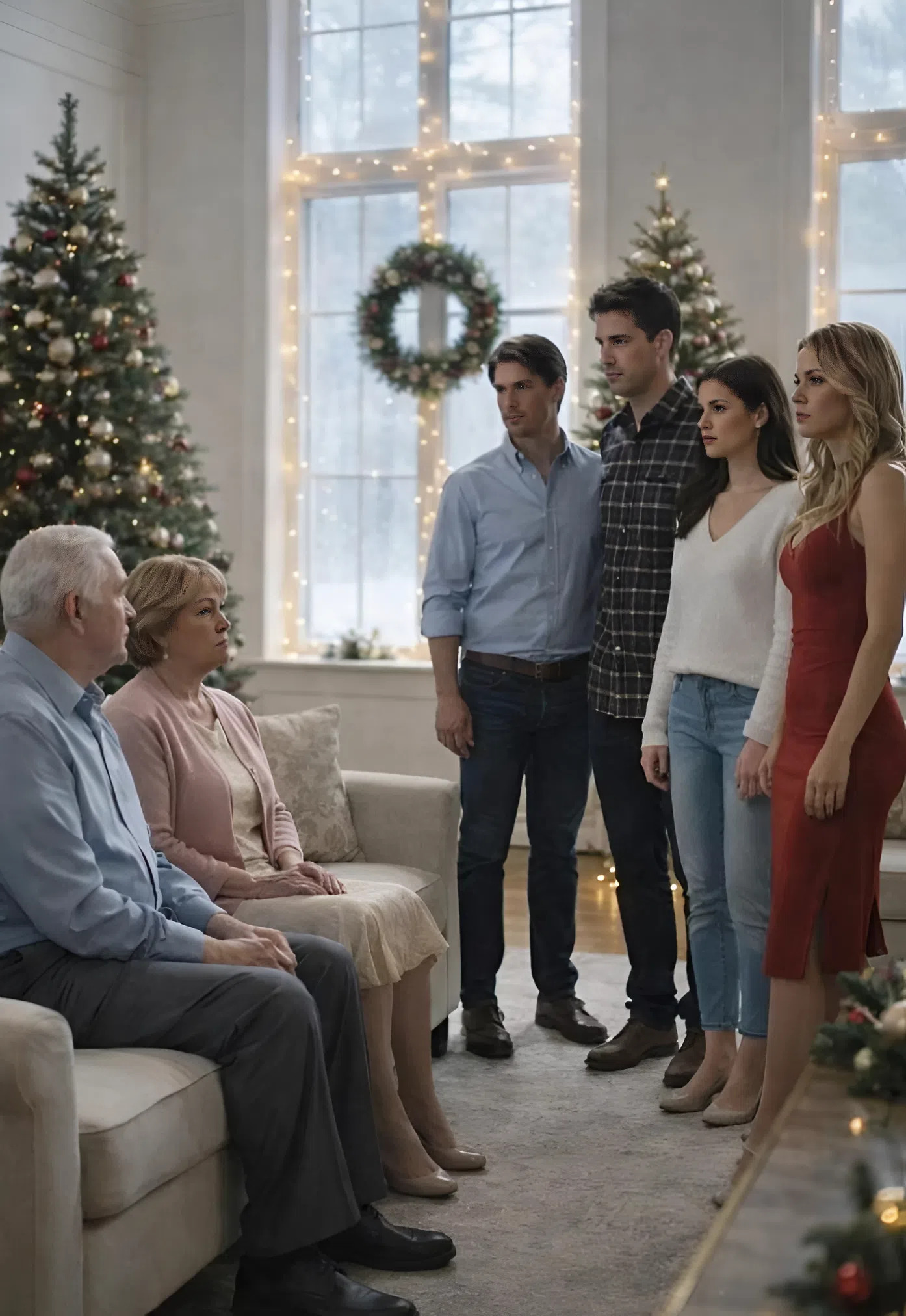
He still didn’t turn around. His jaw was clenched, his shoulders tense, as if carved from cold stone. My brain flicked through all the versions of Thomas I knew: kind, conflict-averse, overly apologetic. None of them matched the man who was now deleting payments as if these people had stolen his life.
‘This is… sudden,’ I breathed — the understatement of the century.
He exhaled and finally leaned back in his chair. Not relaxed. Just… done.
He looked up at me. Red. Furious. Ashamed.
‘It should have been me,’ he said. ‘I should have protected her. I should have spoken up. I let them treat you like that for years. I let them say that in front of Mia. But tonight? They said it to my face. And I froze.’
His voice faltered on the words I froze. My stomach knotted. I wanted to hug him, to comfort him, to do something. But he wasn’t finished.
‘Noah shouldn’t have been the one to defend her,’ he continued. ‘He shouldn’t have felt obligated to do so. It’s my fault. And I’ll never let it happen again.’
He turned to the screen and clicked Delete Map.
” You have no idea,‘ he said, ’how many times I told myself I was helping them. How many times I told myself it was temporary. That they would appreciate it. That I was doing the right thing. They never considered it help. And tonight, they proved it to me.”
I sat down on the edge of the table because my legs weren’t ready for such an emotional earthquake.
‘So you’re… done?’ I asked quietly.
He nodded.
‘Enough of sacrificing our children’s experiences so my mother can tell Mia she’s a mistake. Enough of paying Melanie’s bills so she can mock my daughter. Enough of being the wallet they beat when they’re bored.’
I swallowed. ‘Thomas… They’re going to explode.’
‘Let them explode,’ he replied. ‘They’ve been doing it to us for years.’
He pressed the final confirmation button, and the page reloaded as if he had exorcised a demon.
And, of course, the phone rang.
‘My mother,’ he said.
Of course.
He answered and put the call on speakerphone — because, apparently, we were entering an era of radical transparency.
‘Thomas!’ she cried immediately. ‘We just got a notification: our loan payment has been deleted! Did the bank make a mistake? What’s going on?’
‘No,’ he replied calmly. ‘I deleted it.’
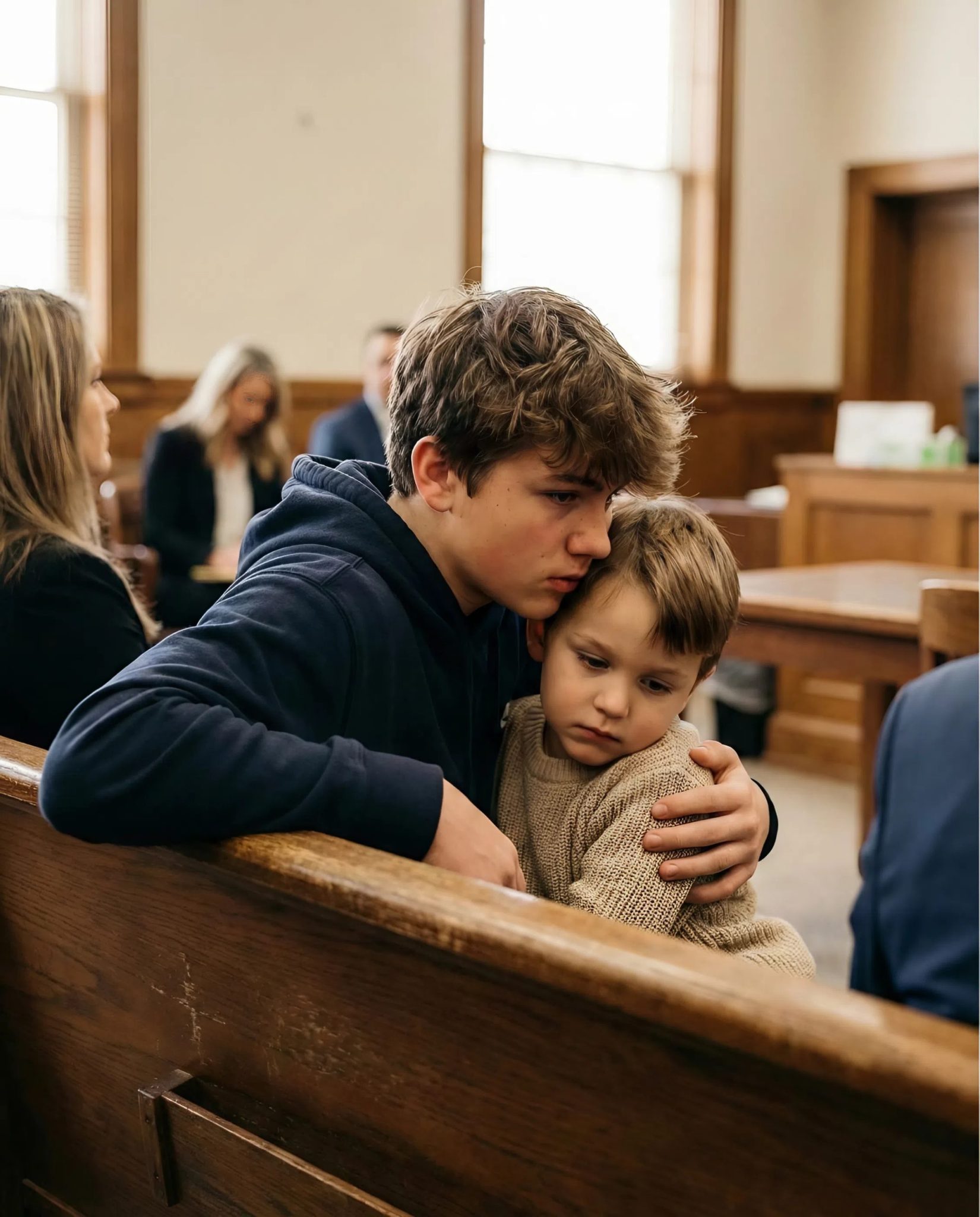
Silence. Then a sound as if she had been slapped invisibly.
‘What do you mean, you deleted it? You can’t just—’
‘I can.’
‘But… your father is panicking!’
‘Pay it yourselves,’ he said. ‘I won’t be doing it anymore.’
‘Are you kidding? After everything we’ve done for you? We’re counting on you! We need this!’
I think my eyebrows touched the ceiling.
Thomas didn’t move. ‘I have my own family.’
‘WE are your family!’ she shouted. ‘It’s because of her, isn’t it? She’s turning you against us. She’s manipulating you! She’s corrupting you!’
‘Stop,’ he interrupted. ‘It’s not Emily. It’s me.’
I could have kissed him. Right there. Right then. In the middle of the office. With his mother screaming into the speakerphone like a faulty fire alarm.
‘You told my daughter,’ he continued in a louder voice, ‘that she was a “fraud”. You rejected her gift. You humiliated her.’
‘Oh, come on,’ Sharon spat. ‘She’s six years old. She’ll forget.’
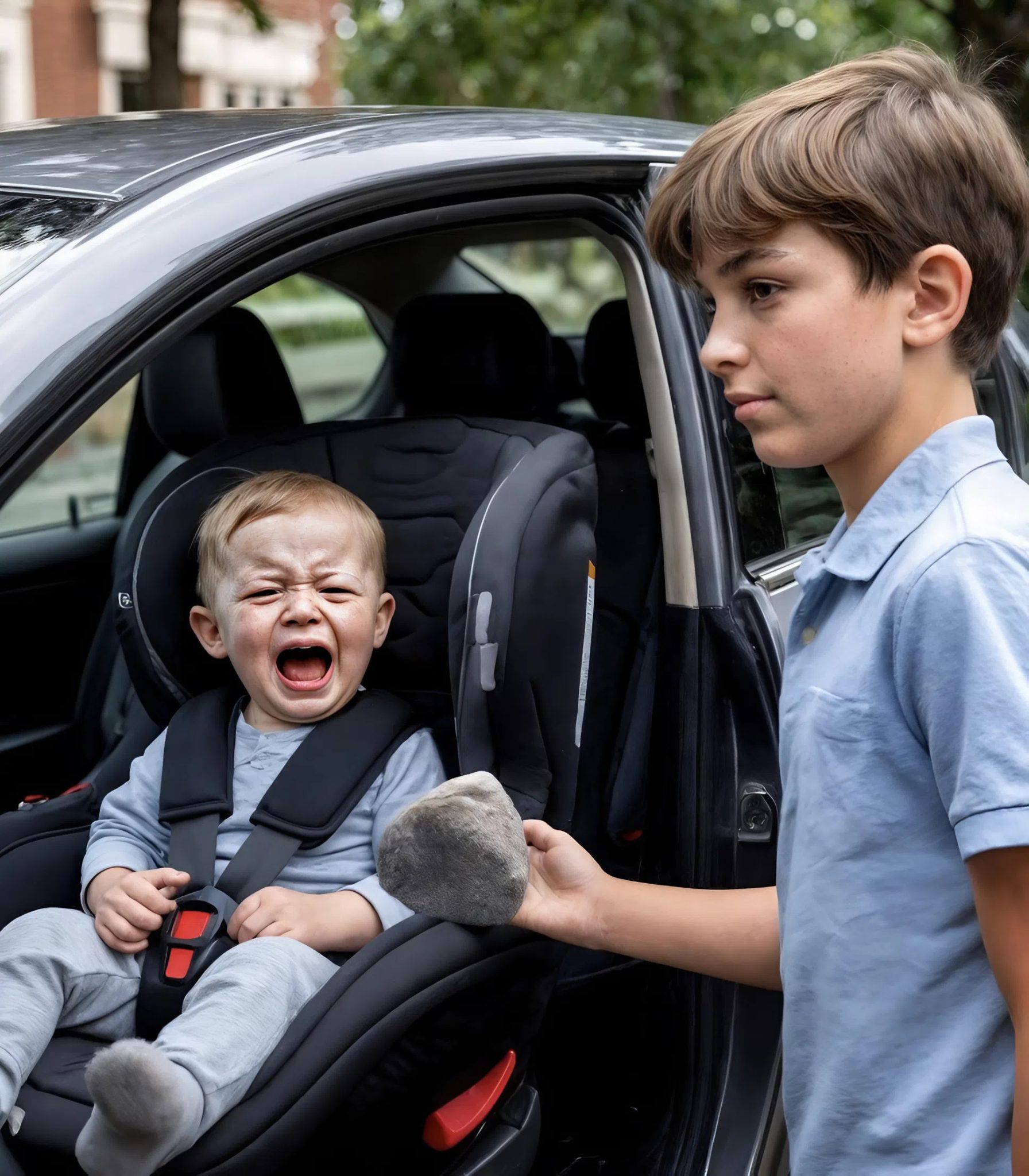
‘Maybe,’ he replied in a cutting tone. ‘But Noah won’t forget. And neither will I.’
She went into banshee mode.
‘You’re being dramatic! You’re destroying this family!’
‘You’ve already destroyed it,’ he said. ‘You just didn’t expect me to notice.’
He hung up. He hung up. Thomas, the man who apologised to telemarketers, saying he wasn’t interested, had just hung up on his mother.
Before I could say anything, the phone rang again. Melanie.
‘Oh no,’ I whispered. ‘Level two.’ .
He answered.
‘What the hell, Thomas?’ she yelled. ‘Mum just called in tears. Are you cutting her off? And me too? How am I going to pay for Bella’s lessons?’
‘That’s not my problem,’ he said.
‘You can’t do that! All for a joke?’
‘She insulted my daughter,’ he replied, ‘and you supported her.’
‘Come on,’ Melanie moaned. ‘It was funny. Everyone thinks Mia doesn’t look like—’
‘Don’t finish that sentence,’ he said. ‘Don’t finish it at all.’
She finished it anyway:
‘You don’t even know she’s yours.’
The silence that followed was so thick you could almost suffocate.
‘It’s over,’ he said. ‘That’s final.’
‘You’re throwing your family away!’ she cried.
‘No,’ he replied. ‘I’m protecting mine.’
He put the phone down again, then leaned back, covered his face with his hands and exhaled as if he had been holding his breath for six years.
I walked over to him and hugged him. He didn’t pull away.
‘I’m proud of you,’ I whispered.
He didn’t say anything right away. He just breathed. And I knew deep down that this wasn’t the end. It was a match.
Because if there’s one thing I’ve learned from people like Sharon, it’s that they don’t lick their wounds. They sharpen their teeth.
The smear campaign began less than forty-eight hours after Thomas shut them down.
I was buttering Mie’s toast when my phone vibrated: a message from my cousin, whom I hadn’t spoken to in two years.
Hey… um… how are you? Your mother-in-law posted something… intense.
That’s never a good message to get in the morning.
I opened Facebook. And there it was: Sharon’s long, tragic monologue, with dramatic line breaks and a sepia photo of her holding little Thomas like a soldier fallen in battle.
According to her fan fiction, she ‘lost her son’ to a ‘manipulative woman,’ was ‘deprived’ financially under pressure, was “removed” from her grandson through ‘brainwashing,’ and is now being ‘punished’ for telling the truth that everyone can see.
Then she stabbed us in the back: we were just expressing concern because Mia is not like their family. They just wanted to ‘protect their son.’ For this, they were ‘excluded.’
And then — as if summoned from a demonic WhatsApp chat — Melanie rushed into the comments like a cheap cheerleader:
She’s using him. He’s blinded by love. This is what happens when a bad woman takes control.
They even posted screenshots of Noah and Mia side by side, with circles around their faces, as if it were evidence in a criminal case.
My stomach turned.
‘Emily?’ Thomas asked behind me, in a tone that said tell me now before I punch a hole in the wall.
I showed him the screen. He stared at it for a long time. His jaw dropped, then closed, then something happened that looked dangerously like a spasm.
‘They’re telling people you cheated on me,’ he said.
‘Yes,’ I replied. ‘Welcome to the Sharon experience, now with public humiliation thrown in for good measure.’
He rubbed his face furiously. ‘And people are agreeing with her… This is insane.’
‘Insane?’ I exhaled. ‘She’s been replaying this scenario in her head for years. It’s just the first time she has an audience.’
And then, as if the universe had decided to add spice to the situation, notifications began to explode on the live feed:
Wow, I’ve been wondering about that for a long time.
He should do a DNA test.
Poor Thomas. She’s manipulating him.
That little girl doesn’t look anything like him, I just said.
It felt like my lungs were too small. Thomas gently took the phone from my hands and put it down before I could throw it into the toaster.
‘You don’t deserve this,’ he said quietly. ‘Just tell me what you want to do. I’m with you.’
I took a breath. I looked at my daughter, who was eating her toast, unaware that half her family was discussing her genetics on the internet.
‘We’re doing a DNA test,’ I said. ‘Let’s end this circus.’
Mia didn’t understand why they were touching the inside of her cheek with a cotton swab, but Thomas presented it as a fun science activity. Noah asked if he could ‘touch’ his mouth too. He was told maybe next time.
Waiting for the results was like holding my breath underwater. Not because I had any doubts — never — but because I knew what would happen when the truth came out. And Sharon couldn’t hide from the light.
While we waited, I went to my mother’s and got out the boxes of photographs. My grandmother’s face looked at me from every angle: smiling, serious, laughing, with the same little wrinkle at the corner of her eye that Mia has when she’s really happy. The resemblance was more than striking. It was as if a piece of my grandmother’s soul had been sewn into my daughter. And that was something Sharon would have known… if she hadn’t spent ten years pretending my family didn’t exist.
When the letter from the lab arrived, I opened it while sitting next to Thomas on the sofa, my leg twitching like a nervous rabbit.
‘Probability of paternity: 99.9999%.’
I exhaled. I didn’t even notice how long I had been holding my breath.
‘Congratulations,’ I said dryly. ‘You really are the father of the child you’ve been raising for the last six years.’
He snorted. ‘Send it to me.’
We didn’t respond to Sharon. We didn’t comment on her post. We didn’t tag, confront, beg, or argue. We just posted our own.
Collage: Mia smiling. Thomas with Mia when she was a baby. Photo of my grandmother. Photo of Mia with her grandmother. And our caption:
For anyone who has heard the rumours, here are the facts. Mia is Thomas’s biological child. A DNA test confirms this. She also looks exactly like her grandmother Emily — something you would know if you had bothered to get to know her family instead of doubting her fidelity for years on end. Someone told our six-year-old daughter that she was the result of her mother’s ‘cheating’ and had no right to call her grandmother ‘Mimi.’ They said this to her face. That’s why we severed ties. That’s why financial support stopped. You don’t talk to a child like that and expect to have access to them.
Thomas reposted the same thing, with an additional paragraph:
Since my student days, I have been sending my parents and sister about $500–900 a month — as much as they asked for, as much as they said they couldn’t pay. When I calculated it, the amount came to $80,940. I have all the receipts. And after all that, they accused my wife of cheating and told my daughter she wasn’t mine. It’s over.
We hit Publish. And waited.
Seven minutes of silence. And then — everything.
The comments poured in like a tidal wave:
I didn’t know she said that to Mia. That’s awful.
The resemblance to your grandmother is undeniable.
I’m so sorry. No child deserves that.
Honestly, you did the right thing by cutting ties.
And in the chat rooms? Silence. Then confusion. Then sweet satisfaction that people realised they had been supporting the wrong side. My cousin wrote to me in a private message: I’m so sorry. I didn’t know. I thought Sharon was exaggerating. That’s awful.
Even better: Sharon had a big party that she had been planning for months. Invitations were sent out to half of her extended family, and one by one, people started cancelling:
Sorry, I can’t make it.
I won’t come after what I heard.
I feel uncomfortable supporting someone who talks to children like that.
She was left with an expensive cake, an empty hall, and Lawrence, who was trying to pretend he enjoyed being alone with her. I won’t lie: I savoured that image like expensive vintage wine.
But the real twist came later that week — a call from an unknown number.
‘Is this Emily?’ the voice asked. Older, sharper, impeccable.
‘Yes.’
‘This is Virginia,’ she said. ‘Thomas’s aunt.’
I froze. We had met twice. She was Sharon’s older sister — ten years wiser and infinitely calmer.
‘I saw the posts,’ she said. ‘And I got the unfiltered version from someone with a backbone.’
I didn’t dare laugh. But I really wanted to.
‘I have a question,’ she continued. ‘Did Sharon really say that to your daughter?’
‘Yes. To her face.’
‘And the £80,000? Is that true?’
‘To the penny.’
I heard a long exhale.
‘All right,’ she said clearly. ‘Then I’ve made my decision.’
My heart skipped a beat.
‘What decision?’
‘One that involves lawyers,’ she said. ‘And wills.’
I gripped the tabletop.
‘I’ve cut my sister out,’ she continued. ‘Every penny she thought she was getting will now go to Thomas and the children. And I’ve also set up a trust fund that will start paying out immediately. I’d rather see my money help a decent family than reward cruelty.’
I was silent. I couldn’t speak.
‘And before you get upset,’ she added, ‘this isn’t charity. It’s justice. Your children deserve better than to grow up in the shadow of Sharon’s bitterness.’