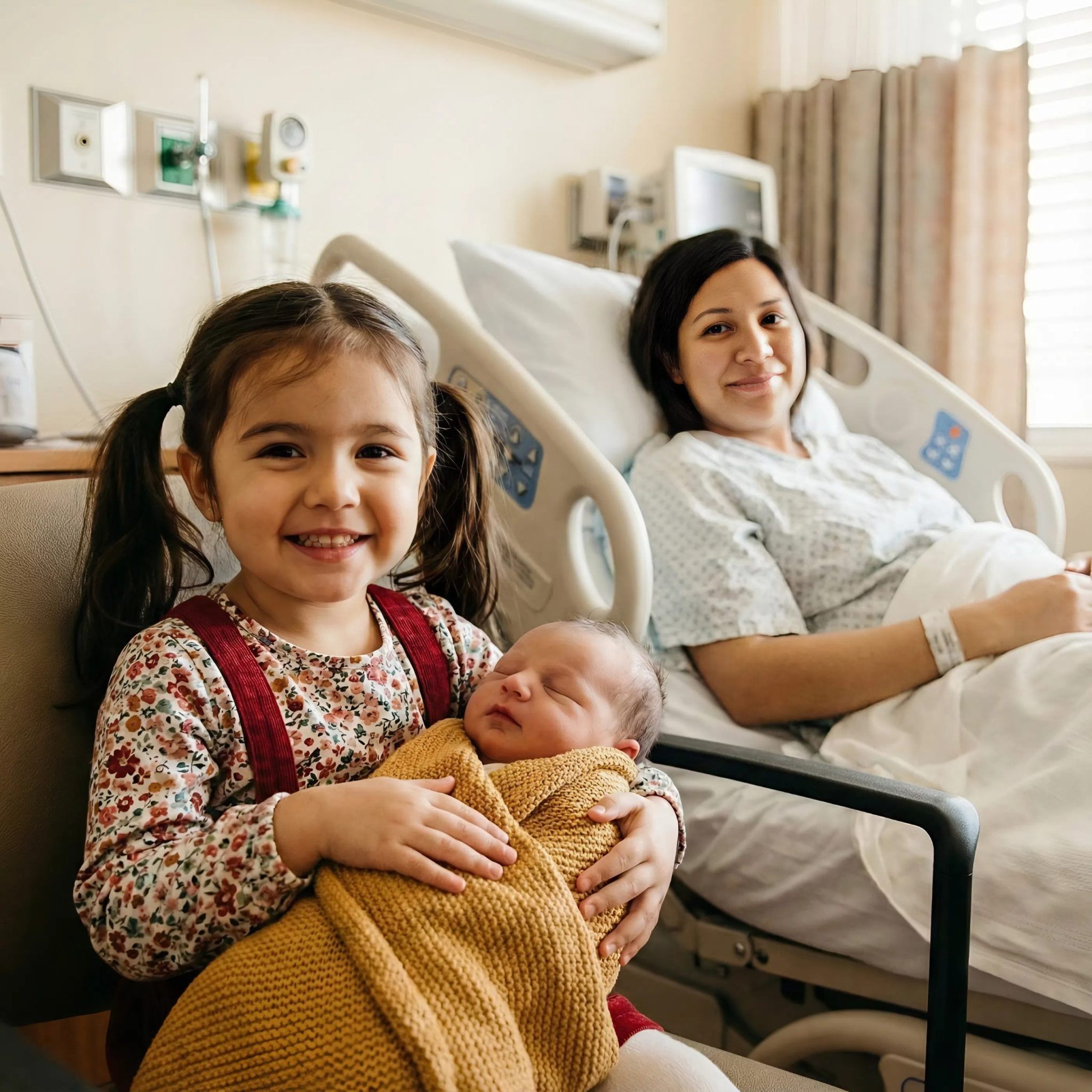
The air in the hospital room was heavy with antiseptic and the damp, lingering warmth of a life just beginning. I sat propped against the pillows, my body weighed down by the dull pull of stitches and the exhaustion of labor, yet my attention was fixed entirely on the edge of the bed. Lina—my four-year-old—sat there, looking impossibly small in her favorite red suspenders, her ponytail slightly crooked after a day spent waiting in the hallway. In her lap rested a bundle of white linen—her newborn sister.
For nine months, I had been trapped in the familiar fears of a second-time mother. I worried my first child would feel replaced, that my attention would split in a way that fractured her world, that resentment would quietly take root. But watching Lina in that moment, those anxieties seemed to dissolve. Her hands, trembling from the effort of holding still, cradled the baby with a reverence that startled me. Her eyes didn’t shine with the simple thrill of something new; they carried a depth I couldn’t quite name. She rocked gently, whispering soft, rhythmic “shh” sounds that felt less like imitation and more like something practiced—almost ritual.
The scene looked like a flawless portrait of family life. Gratitude rose in me so sharply it stung my eyes. “She loves her,” I thought, leaning back to savor the quiet. Then the quiet broke.
Lina bent closer, her face just inches from the sleeping baby’s forehead. Her voice was thin, nearly soundless. “Now I have someone,” she whispered.
I smiled, my heart swelling. “Someone to what, sweetheart? Someone to play dolls with? Someone to teach how to skip?”
Lina didn’t look up. Her eyes stayed on the baby’s fluttering lids as her rocking grew steadier, more intentional. “To keep the secrets with,” she whispered.
A cold, sudden shiver ran up my spine, erasing the room’s warmth. The word “secrets” sounded wrong in the mouth of a child who still needed help tying her shoes. “Secrets?” I asked, forcing my voice into a bright, nervous cheer. “What kind of secrets, Lina?”

Only then did she lift her gaze to mine—and the change was instantaneous. The wide-eyed little girl I knew vanished. In her place was someone whose eyes looked too aware, too burdened by a weight that did not belong in a four-year-old’s soul. She nodded slowly. “Like the ones I don’t tell Daddy.”
The room seemed to lose air. My husband, Mark, was a man of booming laughter and big gestures—a man I believed I understood completely. But the way Lina said “Daddy” sent panic striking through my chest. Before I could find the words to ask what she meant, before I could reach for her—pull her back or draw her close—she leaned down again toward the baby. This time her voice was clear enough that the heart monitor beside me seemed to falter, the steady beep stuttering as if the room itself had flinched.
“I told her where the quiet places are,” she murmured. “So he won’t find her when the voice gets loud.”
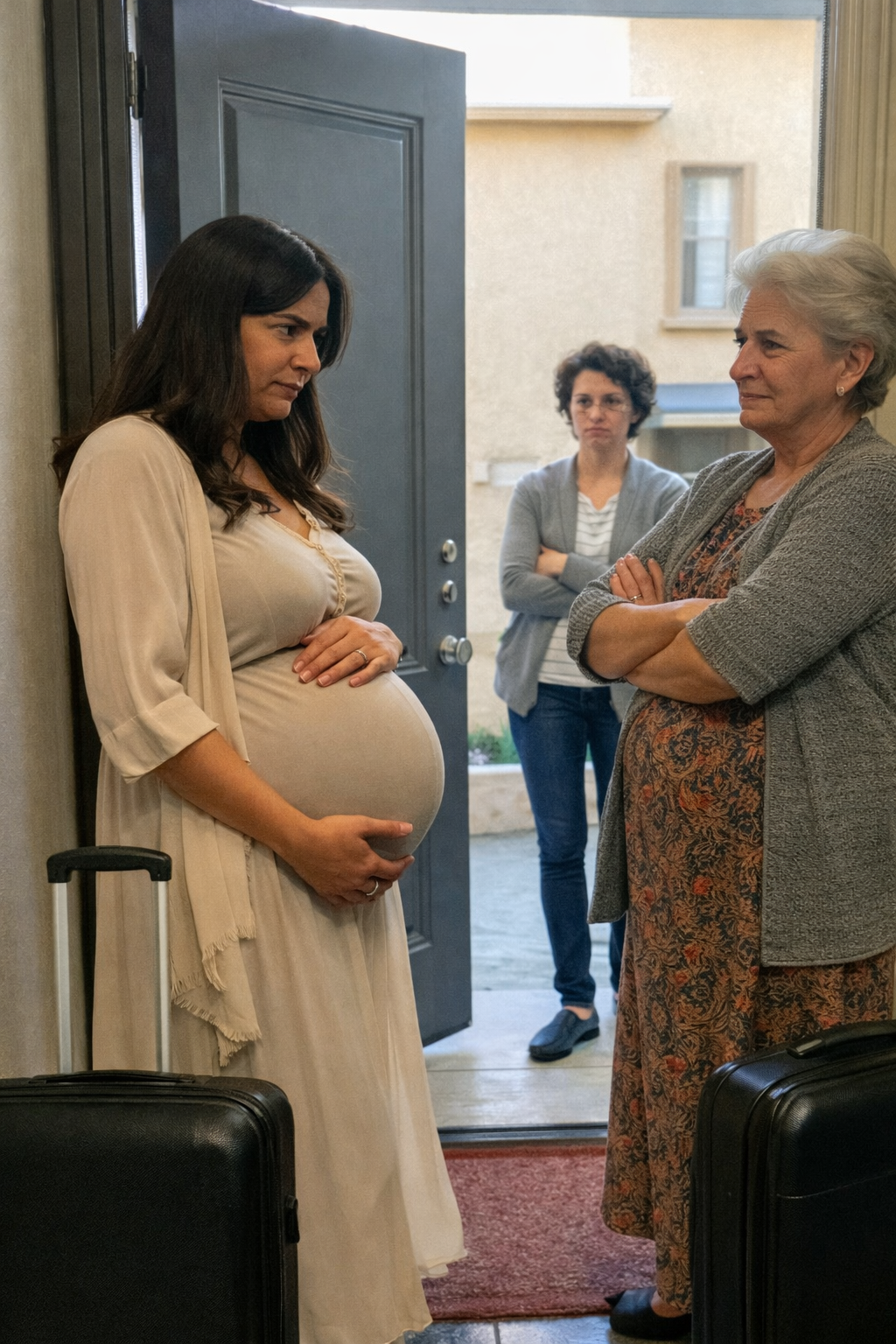
In the doorway, a nurse entering to check my vitals stopped cold, her hand suspended against the frame. The words landed like a physical blow. In that single, brutal moment, the surface of our “perfect” home split apart. I understood then that while I had been nesting and preparing for a new life, Lina had been surviving. She had been listening to small changes in tone, feeling the pressure in a household where “the voice gets loud,” and building a map of safety I hadn’t even realized she needed.
The months that followed were an exhausting passage through the ruins of what I thought my life was. The change wasn’t only about leaving—it was the slow, painful work of reclaiming pieces of ourselves that had been buried under fear. We moved into a small apartment in a town three hours away, somewhere the night silence felt calm instead of threatening.

In that new place, my oldest—who later began using the name Jaden, a name he chose as he grew and tried to shed the skin of the past—started to truly surface. The child who once hid beneath a baseball cap, using the brim as a shield so no one could look too closely into his eyes, began to carry himself with a hesitant, quiet confidence. He joined the track team at his new middle school and found a strange comfort in the punishing repetition of it. Each lap around the dirt oval became a small act of defiance against the pain that once kept him trapped. When he finally finished first at a regional meet, the roar of his teammates didn’t scare him—it felt like a promise that he had found a group that would protect him, not harm him.
Later that year, something happened that moved me even more than any race result. Jaden received the “Kindness Award,” an honor voted on by his classmates. Standing at the back of the auditorium, watching him walk across the stage—no hat, head held high—I realized he had taken the trauma of those early years and turned it into something outward: a fierce empathy.
The child who once knew the “quiet places” became the one who noticed a classmate eating alone. He was the one who caught the subtle flinch of a younger student when a locker slammed too hard. He became a lookout for the hurting. His story reminded me that the smallest acts of resistance—a child refusing to remove a hat, a whispered “I understand,” a hesitant question to a teacher about whether it’s normal to be afraid to go home—can be the lifelines that save someone.
I kept returning to that day in the hospital, the day Lina—now Jaden—held his sister and whispered about secrets. And I understood something I had missed at the time: the bravest thing he had done was refuse to let the world see how badly he had been hurt until he knew his sister was safe enough to share the burden. He protected her before he even knew her name.
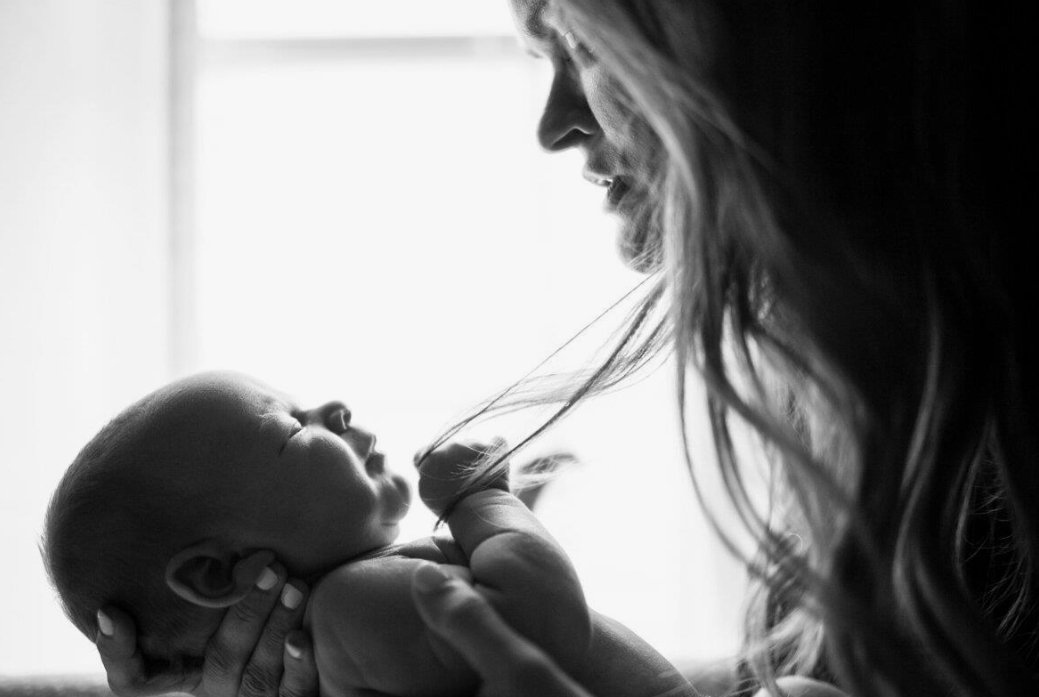
Sometimes, the most heroic thing a child can do is survive long enough to speak the truth. Jaden stopped keeping secrets, and in doing so, he gave us both room to finally breathe. Our home was no longer a place of hidden corners and muffled voices. It became a place where light could reach every room, and where “the voice” only ever rose in laughter—or in cheers shouted from the sidelines of a track.
Now, when I look at my two children playing in the yard of our new life, I see what we fought for. They are no longer guarding secrets. They are building a world where secrets are not required for survival—and where the only whispers they share are dreams about the future.