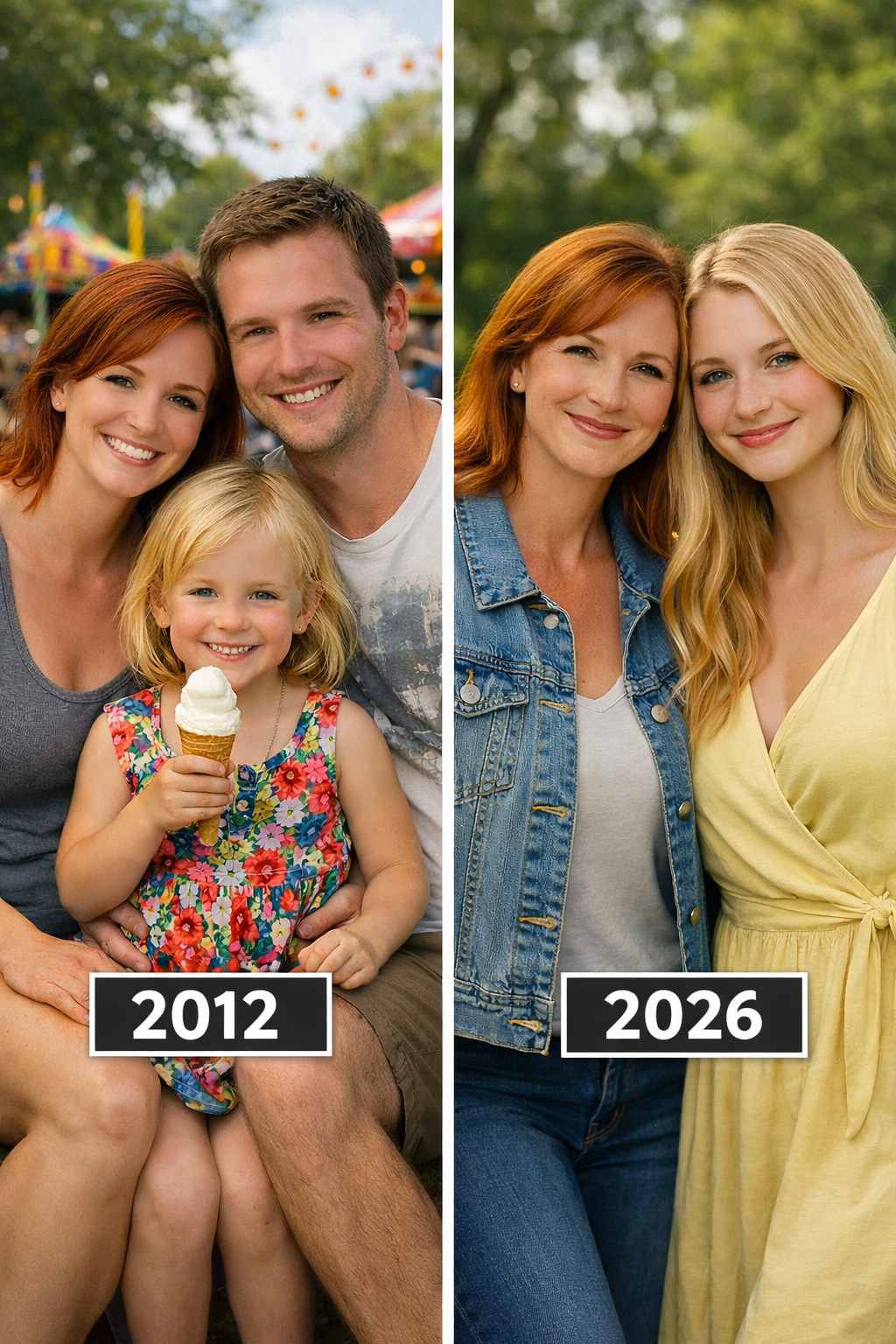
Like some part of him that had been holding on alone for too long had finally found somewhere safe to rest.
Not long after the wedding, Meredith adopted me.
I was young, but even then I understood that meant something serious. Papers were signed. Adults cried. A judge smiled at me and asked if I was happy.
I looked at Meredith, then at Dad.
“Yes,” I said.
And I meant it.
For a while, life felt sturdy in a way I hadn’t known it could.
We became a real little family, held together by routines and laughter and all the tiny things that make a home. Meredith braided my hair before school. Dad danced with me in the kitchen while dinner burned. We made forts in the living room and left them up for two days like rebels.
I started calling Meredith “Mom” one afternoon without planning to.
She had bandaged my scraped knee after I’d tripped in the driveway. I’d been crying hard enough to hiccup, and she kissed the top of my head and said, “You’re okay, sweetheart.”
“Okay, Mom,” I sniffled.
The word just slipped out.
I froze, terrified I had done something wrong. Meredith froze too, the roll of gauze still in her hand.
Then tears filled her eyes.
“If that feels right to you,” she said softly, “it feels right to me.”
Dad had been standing in the doorway listening.
He turned away quickly, pretending he needed something in the kitchen. Even at five, I knew it was because he was crying.
And then, just when everything finally felt safe, everything broke.
I was six years old when Meredith walked into my room and changed my life forever.
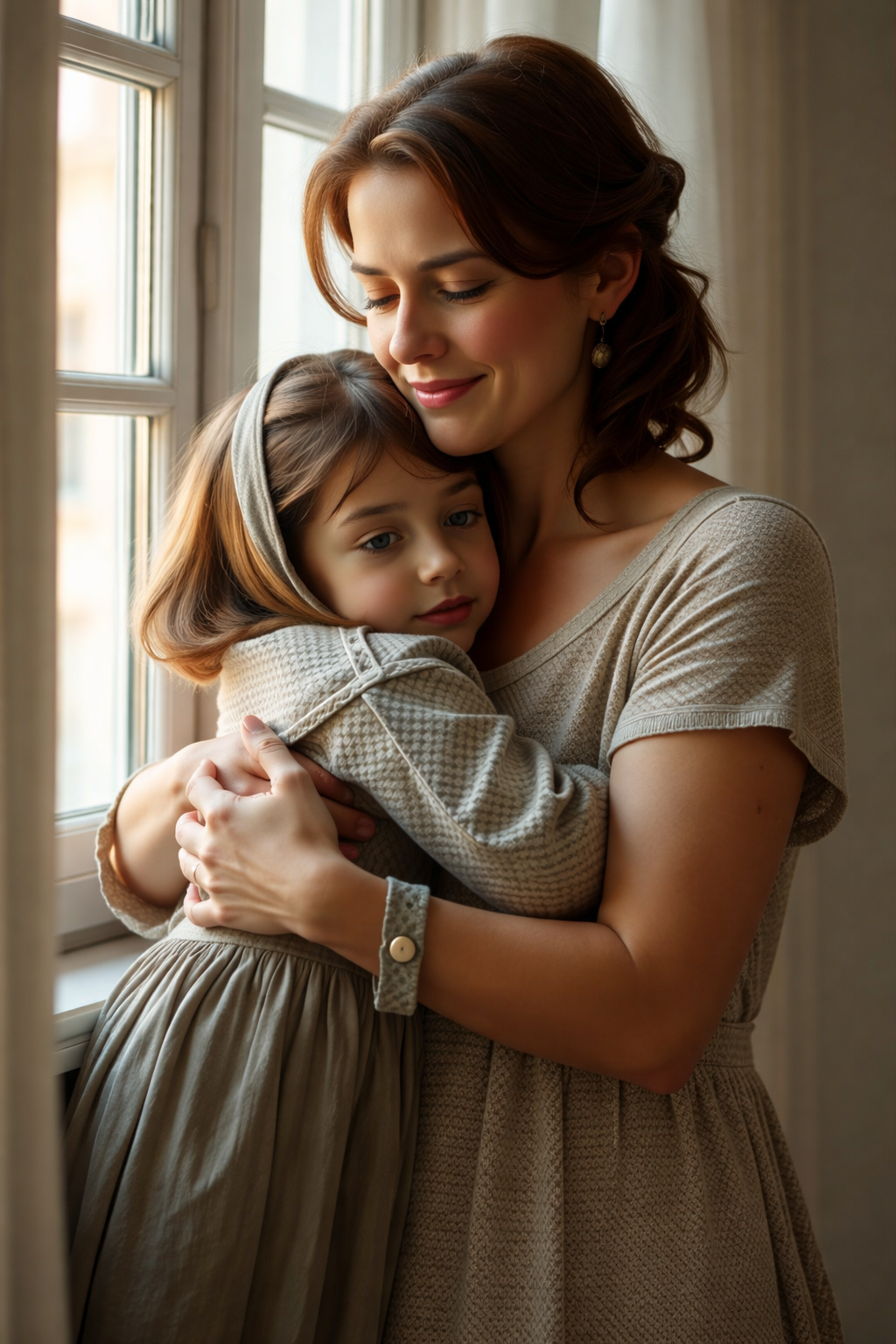
I had been sitting cross-legged on the carpet with my dolls, arranging a tea party no one was taking seriously enough. The air felt strange before she even spoke, as if the whole house had stopped breathing.
When I looked up, Meredith was standing in the doorway with both hands clenched together.
Her face was pale, and her eyes looked too wide.
“Sweetheart,” she said.
Something in her voice made my stomach tighten.
She crossed the room, knelt in front of me, and took my hands. Her fingers were cold. Colder than I had ever felt them.
“Daddy isn’t coming home.”
I blinked at her, confused. “From work?”
Her lips trembled so hard she had to press them together before answering. “At all.”
I didn’t understand death in the way adults think children do.
I understood absence. I understood waiting. I understood thinking if I stayed by the window long enough, the right headlights would turn into the driveway and everything would make sense again.
The funeral was a blur of dark clothes and damp tissues and too many grown-ups speaking in whispers.
The church smelled like flowers and polished wood, and everyone kept touching my shoulder as if that could somehow anchor me. I remember staring at the casket and thinking it was far too small to hold a whole father.
People said things like, “He loved her so much,” and “Such a tragedy,” and “So sudden.”
Nobody said anything that actually explained why the world had ended.
Afterward, Meredith sat on the edge of my bed every night until I fell asleep.
Sometimes I pretended to be asleep already because I didn’t know what to say. In the dark, I’d hear her crying quietly, the kind of crying someone does when they think no one can hear them.
As the years passed, the story never changed.
“It was a car accident,” Meredith would say whenever I asked. “Nothing anyone could have done.”
At six, that was enough.
At eight, it started to itch.
At ten, it haunted me.
“Was he tired?” I asked one afternoon while Meredith folded laundry. “Was it raining? Did another car hit him?”
She stopped folding one of my T-shirts and looked at me with a face so carefully blank it frightened me. “It was an accident, honey.”
“But how?”
Her fingers pressed the shirt into a neat square. “Sometimes terrible things just happen.”
So I learned not to push too hard.
I stored my questions in quiet places inside me, where children keep the things adults where children keep the things adults don’t want to answer. But the questions never disappeared. They only grew heavier.
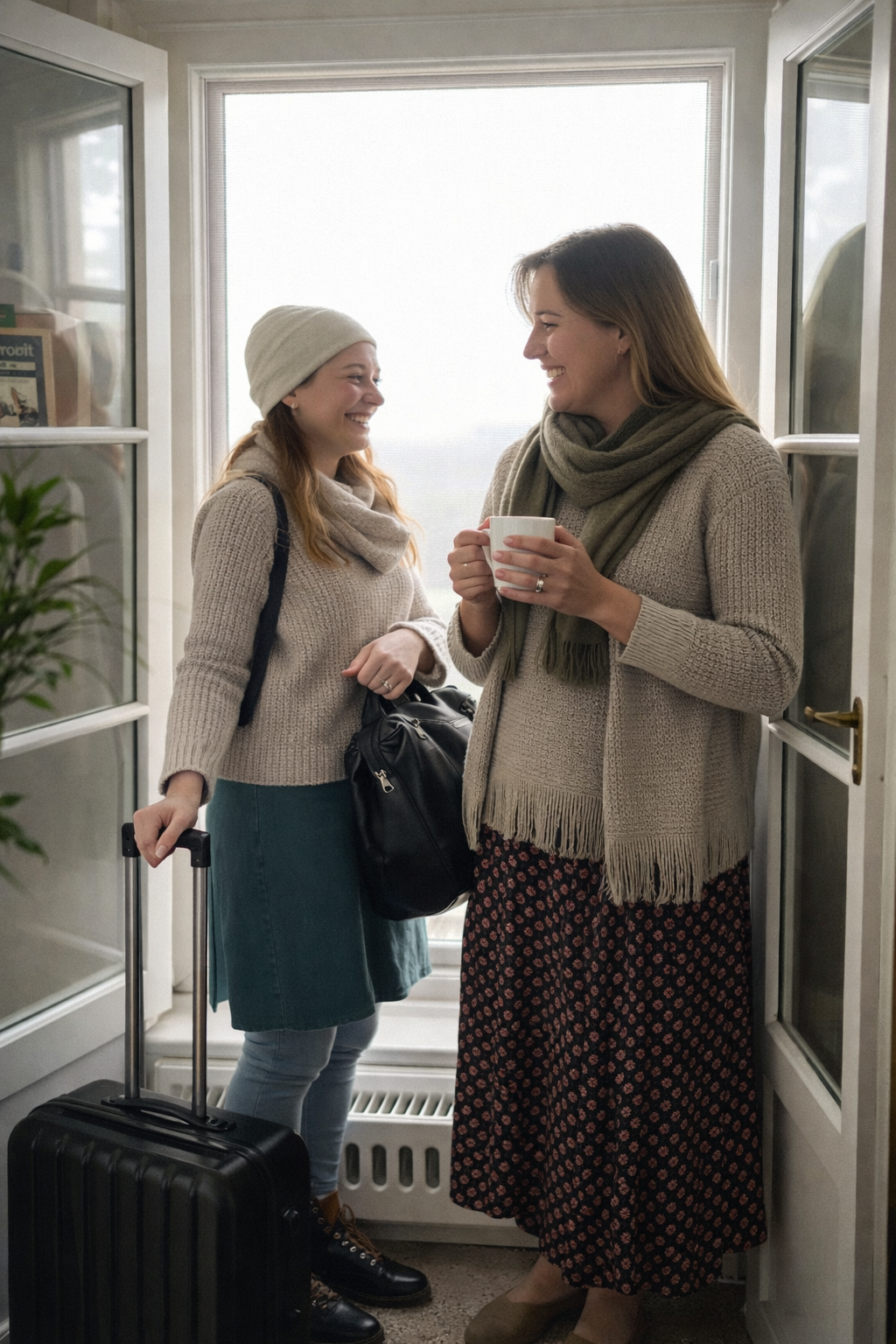
Life, stubbornly, went on.
Meredith kept showing up every single day in all the ways that mattered. She packed lunches, came to school plays, sat through fevers, taught me how to shave my legs, and never once made me feel like loving my father too much would hurt her.
When I was fourteen, she remarried.
I hated the idea before I even met him.
His name was Daniel, and he had a patient smile and the cautious energy of someone entering sacred ground. Still, when Meredith sat me down and told me she was thinking about marrying him, I looked her straight in the eye and said, “I already have a dad.”
She didn’t flinch.
She reached across the table and took my hand gently, the way she had the day she told me Dad wasn’t coming home. “No one is replacing him,” she said. “This just means there will be more people who love you.”