Michael glanced at me, then at her, his voice calm but firm. “Grandma doesn’t get to decide what Halloween means for you,” he said. “We do.”
So that’s exactly what we did.
We drove a few blocks away to a quieter area, parked the car, and walked together down a street where porch lights glowed warmly and jack-o’-lanterns flickered in the dark.
At the very first house, an older couple opened the door.
“Oh, wow!” the woman exclaimed. “Look at you — you’re the perfect Wednesday Addams!”
Amelia’s smile broke through the last of her sadness. “Thank you,” she said shyly, holding out her bag.
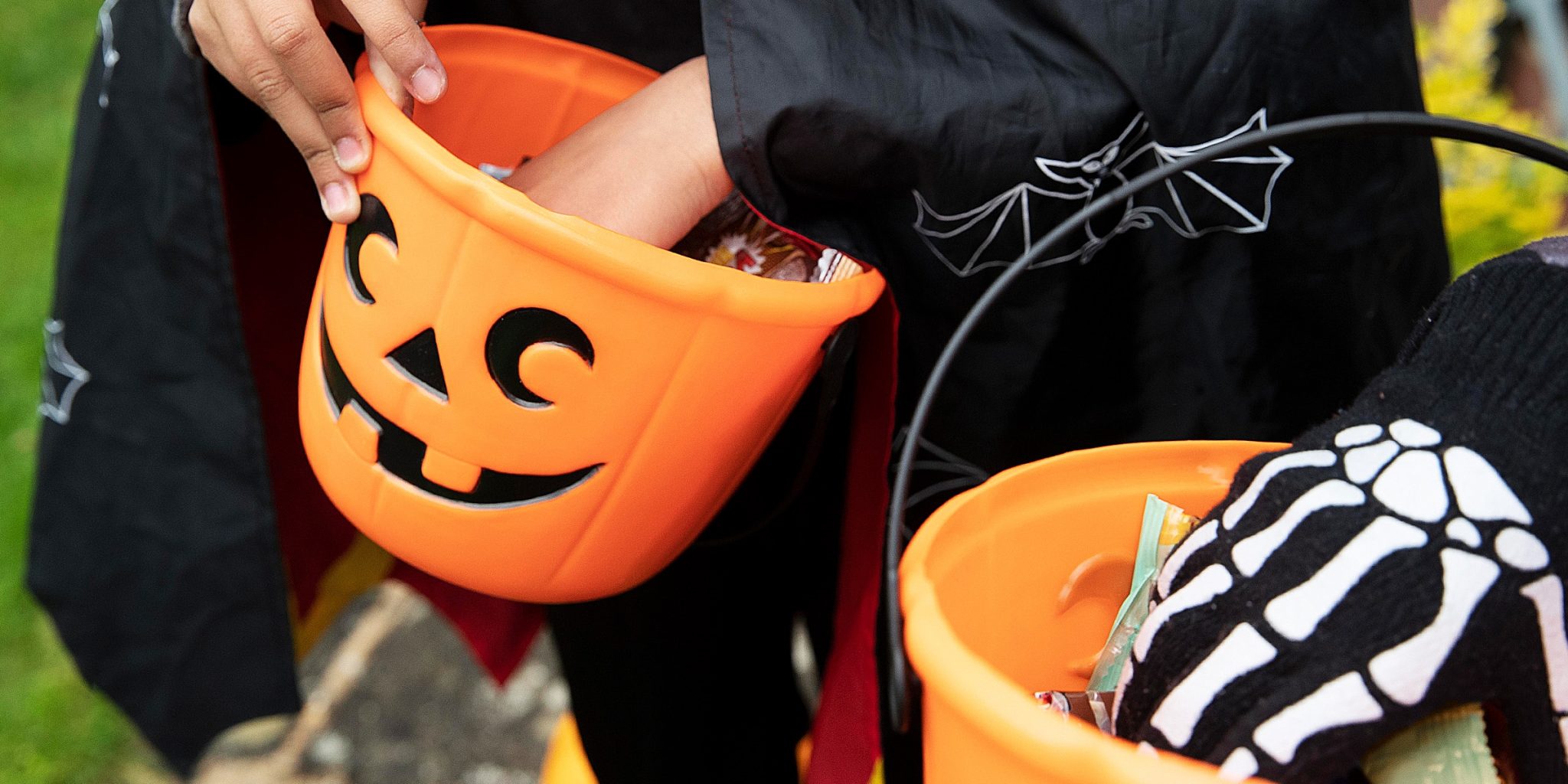
House after house, the reactions were the same. Compliments, laughter, and delighted comments followed her. People called her “amazing,” “spot-on,” and “so cool.” Her bag grew heavier with candy, and her giggles returned, light and unrestrained.
By the time we got back to the car, her cheeks were flushed from running around, and her eyes sparkled again.
“That was the best Halloween ever,” she sighed happily as she climbed into her seat.
Michael squeezed my hand as I looked back at her. “I think so too,” I said.
But for me, the night didn’t end there.
After we tucked Amelia into bed, I stood in the hallway for a long time, anger simmering into something colder and clearer. This wasn’t just about one cruel comment or one ruined trick-or-treat. It was about years of Evelyn’s subtle digs, her habit of reminding me that I would never measure up to her idea of a “proper” daughter-in-law.
I pulled out my phone and opened my photo gallery. There was a picture I’d taken earlier that evening: Amelia in her black dress, standing proudly by our front door, braids perfect, eyes shining. She looked like any little girl who just wanted to be part of the fun.
And that’s when I realized I wasn’t going to let Evelyn sweep this under the rug, like she had with so many other things.
I opened my social media app and posted the photo with a short caption:
“My mother-in-law told my daughter her Wednesday Addams costume ‘wasn’t creative enough’ and banned her from going trick-or-treating with the other kids. Honestly — does this look uncreative to you?”
I hit post and set my phone aside, not expecting much beyond a few supportive comments from friends.
By morning, the notification count was out of control.
Hundreds of people had reacted. Comments poured in — from friends, friends-of-friends, and complete strangers.
“She looks adorable.”
“Who denies a six-year-old Halloween over a costume?”
“Your MIL sounds exhausting.”
“This breaks my heart. Give your girl an extra hug from all of us.”
The post spread quickly, shared again and again. People chimed in with their own stories about controlling relatives and children being treated unfairly.
And eventually, of course, it reached Evelyn.
Around noon, my phone rang. Her name flashed across the screen.
I took a deep breath and answered.
“Take that post down. *Now,*” she snapped, her voice icy.
“No,” I replied calmly.
“You’re humiliating me!” she spat. “Do you have any idea what people are saying? My friends, my neighbors—”
“Maybe you should have thought about that before humiliating a six-year-old,” I interrupted.
Silence.
I could hear her breathing, trying not to lose her composure.
“If you don’t delete it,” she said finally, “I’ll make sure your daughter is never welcome in my home again.”
I actually laughed. “Evelyn, that’s the most reassuring thing you’ve ever said to me.”
She gasped, but I didn’t give her the chance to respond. I hung up.
Michael looked over from the other side of the room. “Did you just—?”
“Oh, I did,” I said, tossing my phone onto the couch. “And I’m not sorry.”
For once, he didn’t try to patch things over or smooth it out. He just nodded.
“Good,” he said.
Over the next several days, Evelyn’s carefully curated image began to crumble. The story spread around her circle. People who had only ever seen her polished, charming side suddenly saw a different picture: a woman so obsessed with appearances she’d crush a child’s feelings over a costume choice.
She tried to regain control, of course — posting vague messages about “family misunderstandings” and “online drama.” But it was obvious no one was fully buying it.
About a week later, I found an unmarked envelope in the mailbox. No return address, just my name written on the front.
Inside was a short, handwritten note.
“Perhaps I went too far. I did not realize how deeply I hurt her — or you. I apologize.”
I folded the note and set it aside.
I knew forgiveness wouldn’t happen overnight. But I was strangely at peace, knowing that for once, she’d been forced to face the consequences of her cruelty.
That evening, Amelia burst into the living room wearing her Wednesday dress again, braids slightly crooked but proudly done by herself.
“Mommy, can I wear this again next Halloween?” she asked, spinning around.
I smiled. “You can wear it every Halloween if you want, sweetheart.”
Because at this point, it was more than just a costume. It had become a symbol — a reminder that kindness outlasts cruelty, and that sometimes the most powerful form of justice is simply letting the truth be seen.
If this story resonated with you, here’s another you might appreciate: A woman’s future sister-in-law tore up her cherished backyard to turn it into an “emergency” wedding venue. The bride-to-be smugly assumed she’d gotten away with it — until the woman quietly unveiled her carefully chosen wedding gift during the reception, and that smug smile vanished in an instant.
This narrative is a fictionalized account inspired by real-life experiences. Names, characters, places, and identifying details have been changed, and any resemblance to actual people or events is purely coincidental. The author and publisher do not guarantee accuracy and accept no responsibility for how this story is interpreted or used.
If you have a personal story you’d like to share, please send it to info@barabola.com