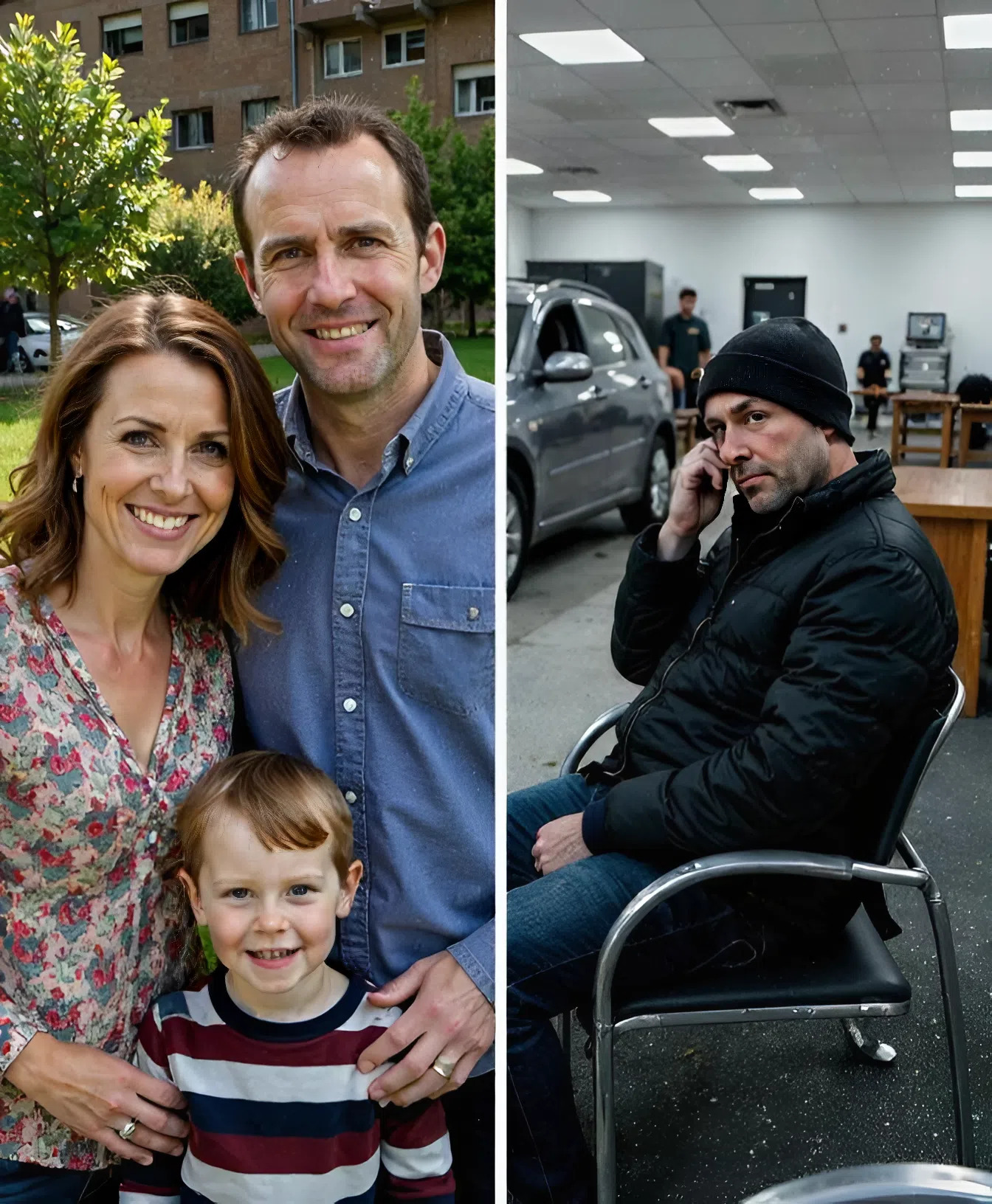
My husband walked out when our café failed, leaving me with our six-year-old and a mountain of debt. He called it “needing space.” I called it abandonment. Three years later, I was buying a used car when I saw him across the room, sobbing. The reason shook me to my core.
Our café closed on a Tuesday.
Not with drama or shouting. Just with keys turning in a lock for the last time and the quiet understanding that we’d lost our dream, savings, and everything we’d built together.
He called it “needing space.”
John drove home in silence that night, his hands tight on the steering wheel, his jaw working like he was chewing through words he couldn’t say.
Our son, Colin, was already asleep when we got home. I checked on him like I always did, then went to the kitchen where John was standing by the sink, staring at nothing.
“We’ll figure it out,” I said, even though I didn’t know how.
He didn’t turn around. “I need space.”
I froze. “What?”
“We’ll figure it out,” I said, even though I didn’t know how.
“Space. Time to think. I can’t breathe right now, Laura. I can’t think straight. I’m suffocating.”
I wanted to scream that I was suffocating too, that we had a six-year-old son who needed us both, that marriages don’t run on space… they need effort.
But I didn’t say any of that.
“How much space?”
“A few weeks. Maybe a month. I’ll stay with my buddy, Dave.” He finally looked at me. “This isn’t about you. I just need to clear my head.”
“Space. Time to think. I can’t breathe right now, Laura. I can’t think straight. I’m suffocating.”
He packed a bag that night. Kissed Colin’s forehead while he slept. Told me he’d call soon.
Then he left.
A few weeks turned into silence.
No calls. No texts. Nothing.
Colin started asking questions I couldn’t answer.
“Is Daddy mad at me?”
“Did I do something wrong?”
“When’s he coming home?”
Colin started asking questions I couldn’t answer.
I made excuses at first.
“Work trip.”
“Helping a friend.”
“Daddy needed some time alone.”
But kids aren’t stupid. They just pretend to believe you because the truth is scarier.
Then a neighbor stopped me at the mailbox one afternoon, her face full of that particular kind of pity that makes your stomach drop.
“I’m so sorry,” she said. “I didn’t know if you knew.”
“Knew what?”
“I’m so sorry. I didn’t know if you knew.”
She hesitated. “About John. And the woman he’s been seeing. She was one of your regular customers. I saw them at the grocery store last week.”
My hands went numb.
The “friend” wasn’t Dave. It was my husband’s mistress. Someone he’d met at the café months before it closed, someone who didn’t come with debt or a crying kid or the weight of failure.
I learned to cry silently after Colin went to bed and smile brightly when he woke up. He deserved at least one parent who didn’t disappear.
The “friend” wasn’t Dave. It was my husband’s mistress.
The first year was about survival.
I sold our couch, our dining table, and the TV we’d saved up for. I took weekend shifts at a diner, hired a part-time nanny for Colin, and learned how to stretch a box of pasta across four meals.
The bills came in waves. Utilities. Rent. The business loan we’d co-signed that didn’t care who walked away.
Some mornings I’d wake up and forget, just for a second, that everything had changed. Then I’d see the empty side of the bed, and reality would crash back in.
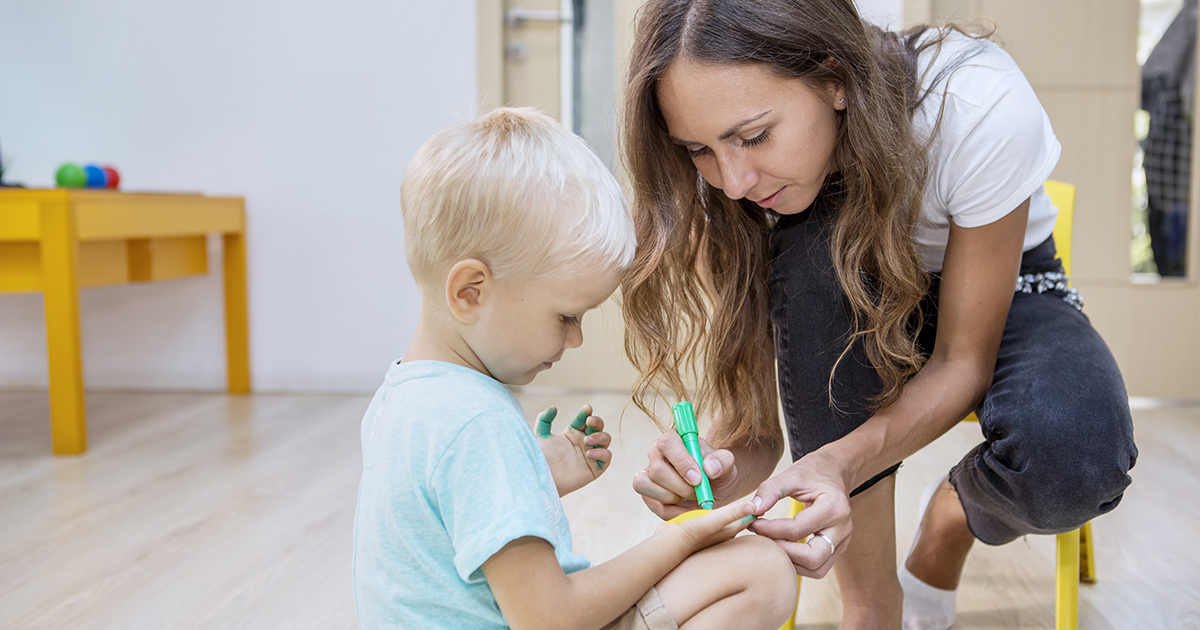
The first year was about survival.
Colin started first grade. I packed his lunch every morning. Nothing fancy. Just peanut butter sandwiches, apple slices, and a juice box. I pretended I wasn’t crying in the car after drop-off.
The other parents would chat about weekend plans and family vacations, and I’d smile and nod and feel like I was living in a different universe.
John never called. Never sent money. Never sent a birthday card when Colin turned seven.
He never asked how his son was doing.
I pretended I wasn’t crying in the car after drop-off.
One night, Colin climbed into my bed, his stuffed bear clutched tight, and asked, “Does Daddy still love me?”
I held him so tightly my arms ached. “Of course he does, baby. Sometimes grown-ups just get confused about what’s important.”
But I didn’t believe it anymore. And I don’t think Colin did either.
The nights were the hardest. After Colin fell asleep, I’d sit in the dark kitchen with cold coffee and let myself break in ways I couldn’t during the day.
“Does Daddy still love me?”
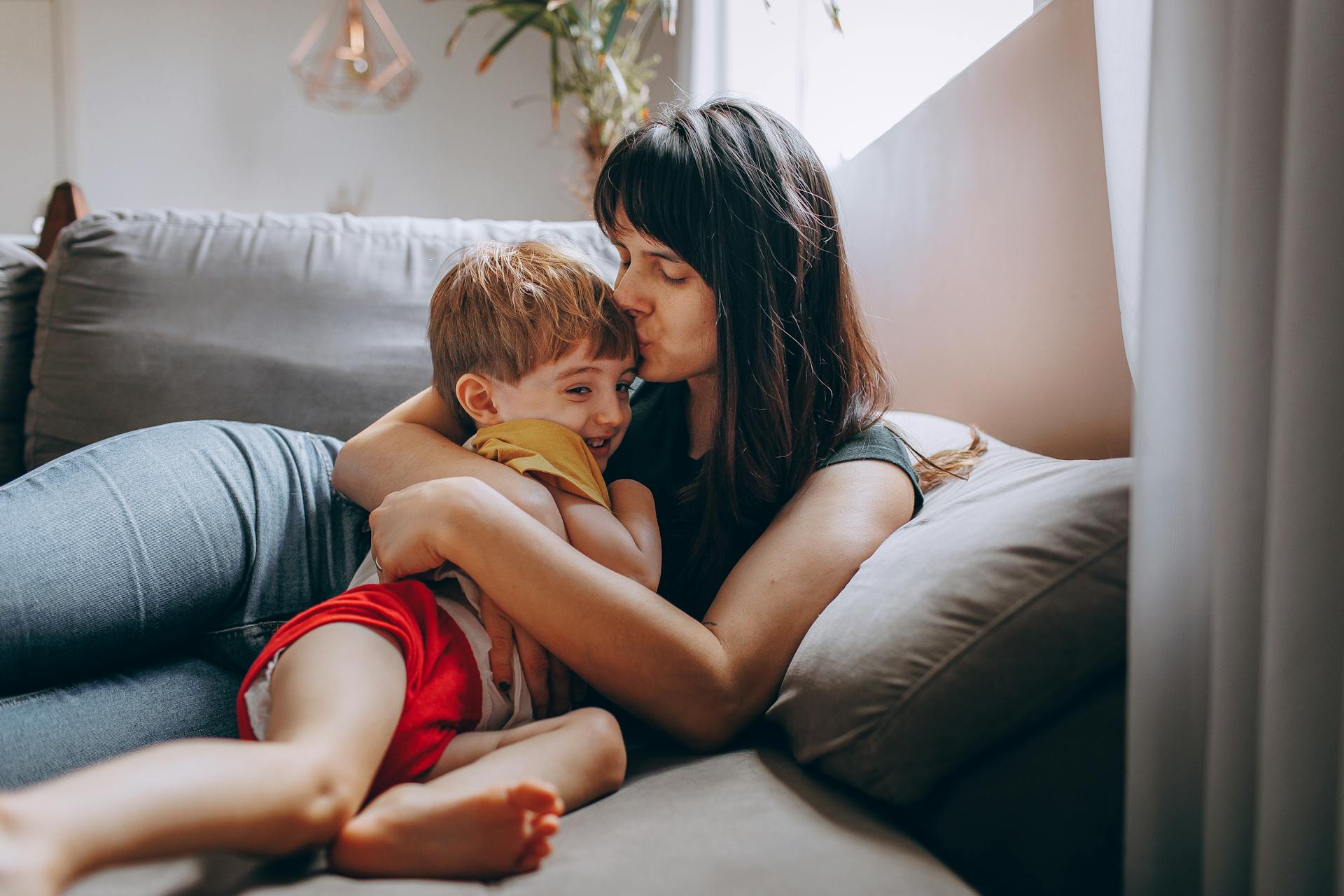
I’d cry silently, my hands shaking, wondering how I was supposed to keep going.
But the thing about breaking? Eventually, you stop being afraid of it. You learn that you can shatter into a thousand pieces and still get up the next morning.
You learn how to put yourself back together.
By the second year, things started to shift.