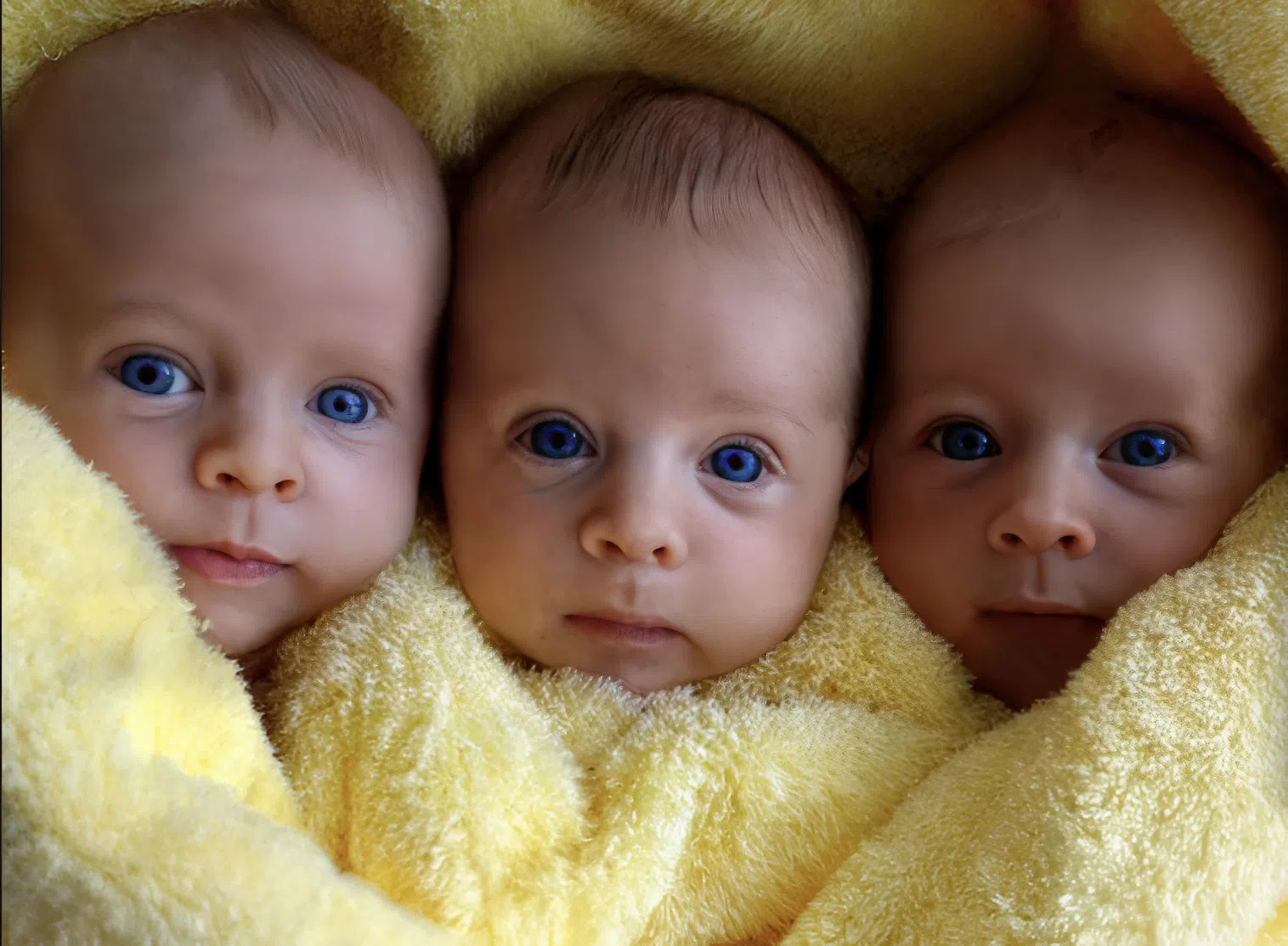
When Adam disappeared a few days after the triplets were born, I had to rebuild my life from scratch. Twelve years later, an unexpected encounter threatens the fragile peace I have spent so long building, and the truth I thought was in the past begins to distort and blur once again.
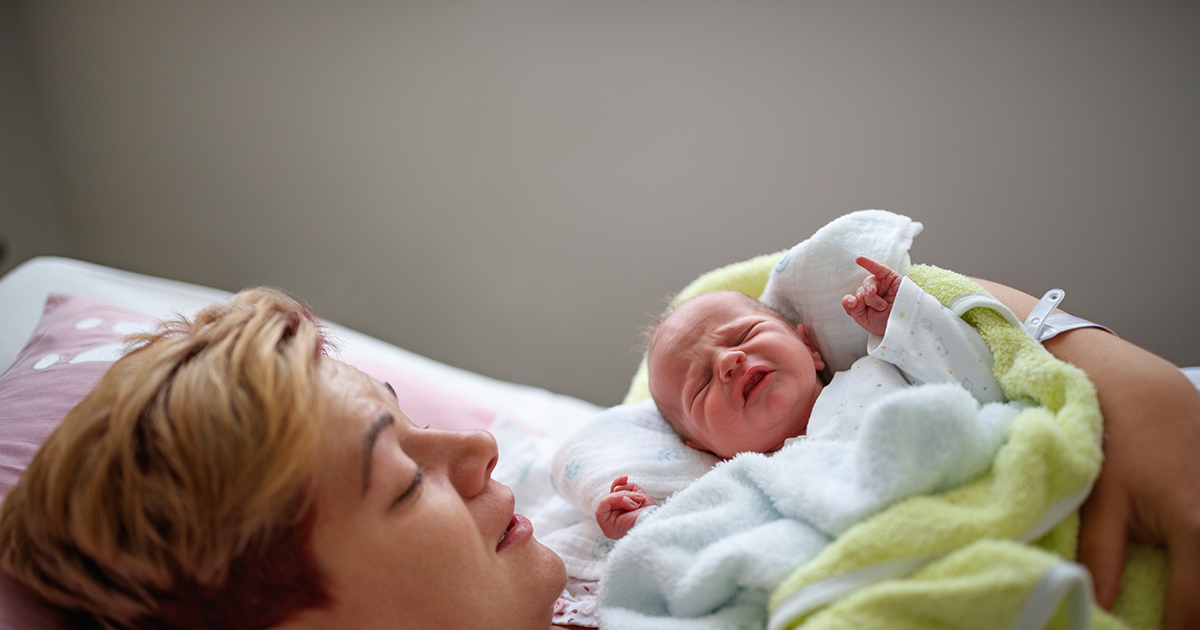
I was twenty-three when Adam left our lives. Now I am thirty-five, and I can still hear the silence he left behind. It wasn’t a loud or dramatic departure. There was no final conversation. No apologies. Just the sound of the hospital room door closing as I shifted the newborns from one arm to the other. I was stunned, stitched up after giving birth, exhausted… and completely alone.
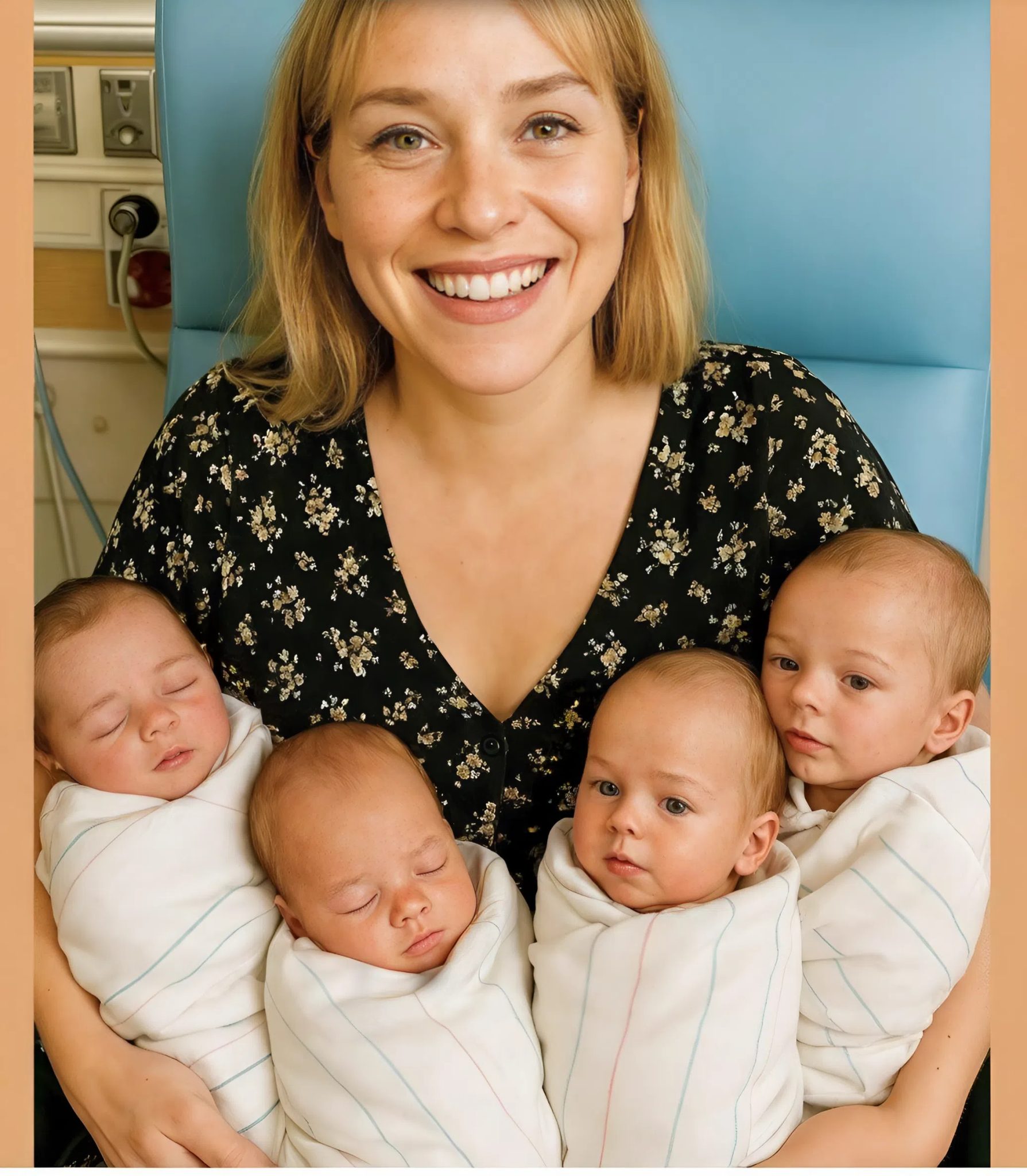
I couldn’t even hold all three of them at once. Amara was clinging to my chest. Andy was crying in his cradle. Ashton had just been handed to me by the nurse, who gave me a sympathetic look that I didn’t have the strength to return.

My body was broken, my mind clouded by painkillers and panic. And yet I kept looking for Adam, hoping to see that calm smile he had worn throughout the pregnancy, as if to say, We can do this. Together.
Instead, I saw only fear.
‘I… I need to get some air, Allison,’ he muttered, avoiding my gaze. ‘Just for a minute.’
That minute stretched into an hour. Then two. Then two days.
When it was time to prepare for discharge, all three babies were declared healthy. I was in a hurry to get them out of the hospital, which was full of germs. Three different nurses carefully wrapped them up, each with a warm smile and a guilty look.
And Adam?
He never came back.
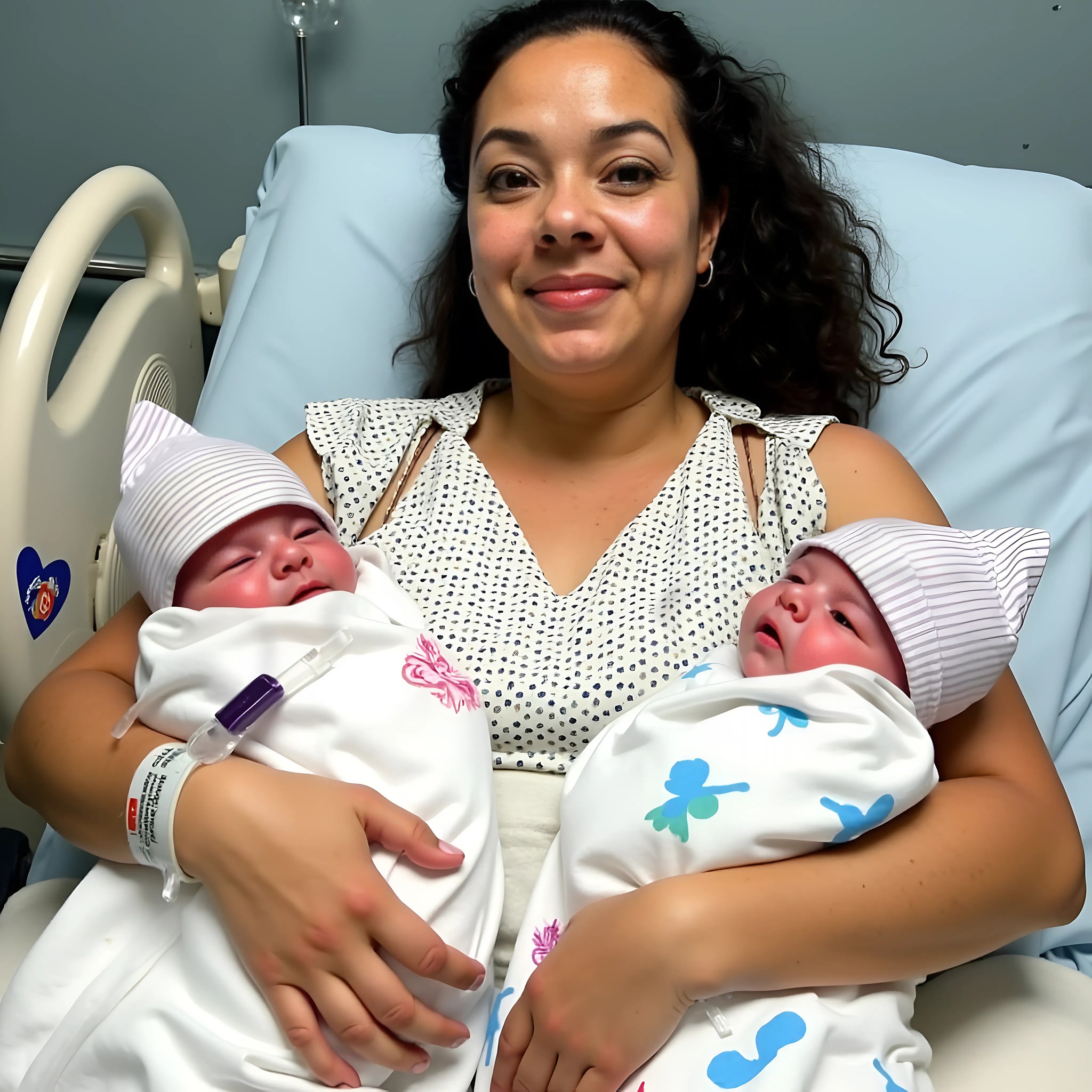
Two days later, I left the hospital alone — with three newborns in my arms and my chest tight with panic I never knew I had. Adam left in the car. He said he’d be back soon, and I believed him.
I waited. I fed them. I rocked them. I cried quietly when no one was looking. But he didn’t come back. When the nurse asked me again if anyone was coming to pick me up, I nodded and grabbed my phone.
I don’t remember what I said to the taxi dispatcher. I mumbled something about a bigger car. They told me it would be there in twenty-five minutes. I sat in the lobby with three little ones in car seats, strapped in by the nurses.
I tried to look calm. Composed. As if everything was under control — and not like a woman on the verge of a breakdown with three babies and no plan.
But I didn’t have a plan.
The taxi driver was remarkably kind. He didn’t ask a single question when he saw my condition. He loaded the children in, turned down the radio and drove in silence. The only sounds were Amara’s quiet sobs and Andy kicking the edge of the seat — he was already angry at the world.
I kept looking out the window, convincing myself for a moment that I was about to see Adam running after the car, gasping for breath, ready to apologise.
Of course, that didn’t happen.
When we pulled up to the flat, the light in the living room, which I had left on two days ago, was still on. I froze for a moment in the doorway, with three sleeping babies beside me, trying to figure out how to go in and pretend that this was still our home.
The first night dissolved into crying — theirs and mine. The flat was filled with screams, and the walls seemed to close in with every passing minute. I tried to breastfeed, but my milk hadn’t come in yet.
Nothing felt natural. My body ached everywhere. They needed more than I could give. I warmed bottles while holding two children at once — one on each thigh — while the third cried in his bouncer, as if he already understood that he would have to wait.

I lived on instinct and adrenaline. Sleep became an unattainable luxury. I cried in the dark between feedings, and when their crying didn’t stop, mine merged with theirs — like background noise that couldn’t be turned off.
The days began to blur together. I no longer looked at the clock to see when I could finally sleep — I looked at it to see how I could make it to the next feeding.
I stopped answering calls. I had nothing to say. I drew the curtains because even the daylight seemed too harsh.
One night, when I finally managed to get both of them to sleep on my chest and Ashton was still grumbling in his cot, I picked up the phone. I don’t remember how I chose the name. I just needed someone to hear me breathe. The number I dialled belonged to Greg, Adam’s best friend.
My voice broke as soon as he answered.
‘I’m sorry,’ I whispered. ‘I didn’t know who else to call.’
‘Allison?’ he asked gently. ‘What’s wrong? Are you all right?’
‘I can’t cope… I don’t know how to do this. I can’t even get the bottles ready on time. I haven’t slept in days. I’m only eating dry cereal… Help me.’
‘I’m on my way,’ he replied simply.
‘Greg, you don’t have to…’ I stammered. ‘It’s okay, I just had a breakdown…’
‘Ellie, I want to come over,’ he said insistently.
Thirty minutes later, I opened the door. He was standing there with a huge pack of nappies in one hand and a paper bag of groceries in the other. He looked a little confused, as if he expected me to slam the door in his face.
Instead, I stepped aside.
‘You came… You really came,’ I whispered.
‘I said I would,’ he replied, nodding. ‘You don’t have to go through this alone.’
I wondered if he knew where Adam was.
I must have looked terrible. Two days without a shower. My T-shirt stained with milk and formula. But Greg didn’t show it.
‘Well… who’s hungry?’ he said. ‘Who wants to see Uncle Greg?’
‘Ashton,’ I replied. ‘But he just wants to be held.’
‘Then we’ll just hold him,’ he said.
And for the first time in several days, I truly breathed a sigh of relief.
Greg didn’t ask where Adam was. He didn’t judge me. He didn’t look at me with pity. He just rolled up his sleeves and started doing what needed to be done. He fed the children. He took out the rubbish. He folded the laundry that had been lying around for days.
He brought in the post and sorted through the bills without saying a word.
‘Go take a shower, Ellie,’ he insisted. ‘I’ll stay here.’
That night, he slept on the sofa. We took turns getting up to feed the babies during the night. Greg learned how to warm up a bottle while holding one of the triplets on his hip, as if he had been doing it all his life.
A week or two after he started coming regularly, I sat down next to him on the sofa while the two babies slept in the room. Ashton slept on his chest, rising and falling in time with his calm breathing.
‘You know, you don’t have to keep coming,’ I whispered.
‘I know,’ he replied with a smile.
‘I’m serious, Greg. You didn’t sign up for this.’
‘Neither did you, Ellie,’ he said, putting his hand on my knee. ‘And yet here we are.’
I didn’t expect him to stay. Every night I told myself it was temporary — that he was just acting out of guilt or duty. But he kept coming back. Again and again. He took care of the children. The flat. He cooked. He helped me feel whole again, not just a bottle-making machine.
I tried not to depend on him. I told myself that I couldn’t rely on anyone because it would hurt too much when he left. And yet I caught myself listening, waiting for the sound of the double turn of the keys in the lock.

My body relaxed as soon as I heard the door open.
One night, as I sat on the bathroom floor crying into a towel, my nerves stretched tight and my chest constricted, I heard Greg softly singing a lullaby to Amare.
The very same lullaby my mother sang to me as a child.
At that moment, my armour truly cracked. I allowed love to return.
It wasn’t sudden or dramatic. It was constant. Conscious. Greg chose us — all four of us — every day, without exception.
When the triplets turned four, he proposed to me. We said ‘I do’ in a small garden, under fairy lights, surrounded by three children who already called him ‘Dad.’
Greg never tried to erase Adam. We hardly ever talked about him. Instead, he quietly filled the void Adam left behind and rebuilt our lives from the inside out.
I went back to school. I finished my degree. I advanced my career at a small family law firm. When the time was right, we bought a small house in a quiet neighbourhood. The children grew up, each with their own personality, energy and chaos.
And then, twelve years after Adam disappeared, he reappeared.
It was a rainy Thursday. I was late for a meeting with a client and ran into a café for a quick espresso. Water was dripping from my umbrella onto the floor when I almost bumped into someone at the counter.
‘Allison?’
I froze before I even saw his face.
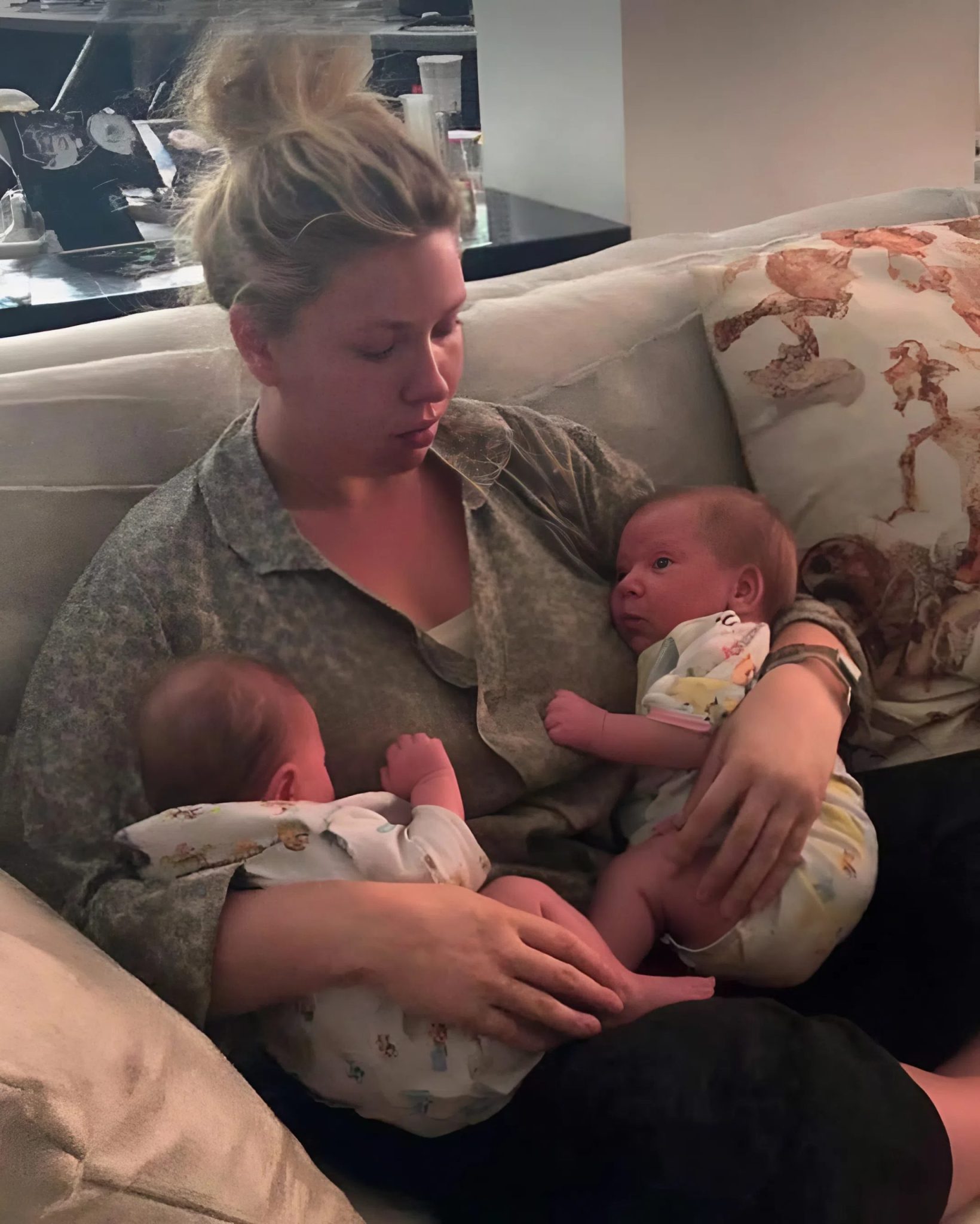
Adam.
He had aged. He looked tired. His coat hung loosely on him, like someone else’s clothes. But his eyes — those grey-blue eyes that had once sworn to me that he would never leave me — I would recognise them among a thousand others.
‘Adam?’ I said slowly, not sure if I was looking at a man or a ghost.
‘Since you’re here,’ he said, shifting from foot to foot, ‘I need your help.’
‘Are you kidding?’ I replied. ‘How did you know I’d be here? Have you been following me, Adam?’
‘Please listen to me. I’ve been looking for you for a long time, Ellie.’
‘Why?’ I asked coldly.
‘I need your help,’ he repeated.
‘Unbelievable,’ I sighed, stepping back. ‘You show up twelve years after you disappeared and this is where you start?’
‘I wouldn’t have come if I wasn’t desperate. It’s fate, Ellie! I didn’t think I’d see you today, but fate brought us face to face.’
The word fate brought me back to a memory I had carefully buried: the ultrasound room, the cold gel on my stomach, the flickering screen.
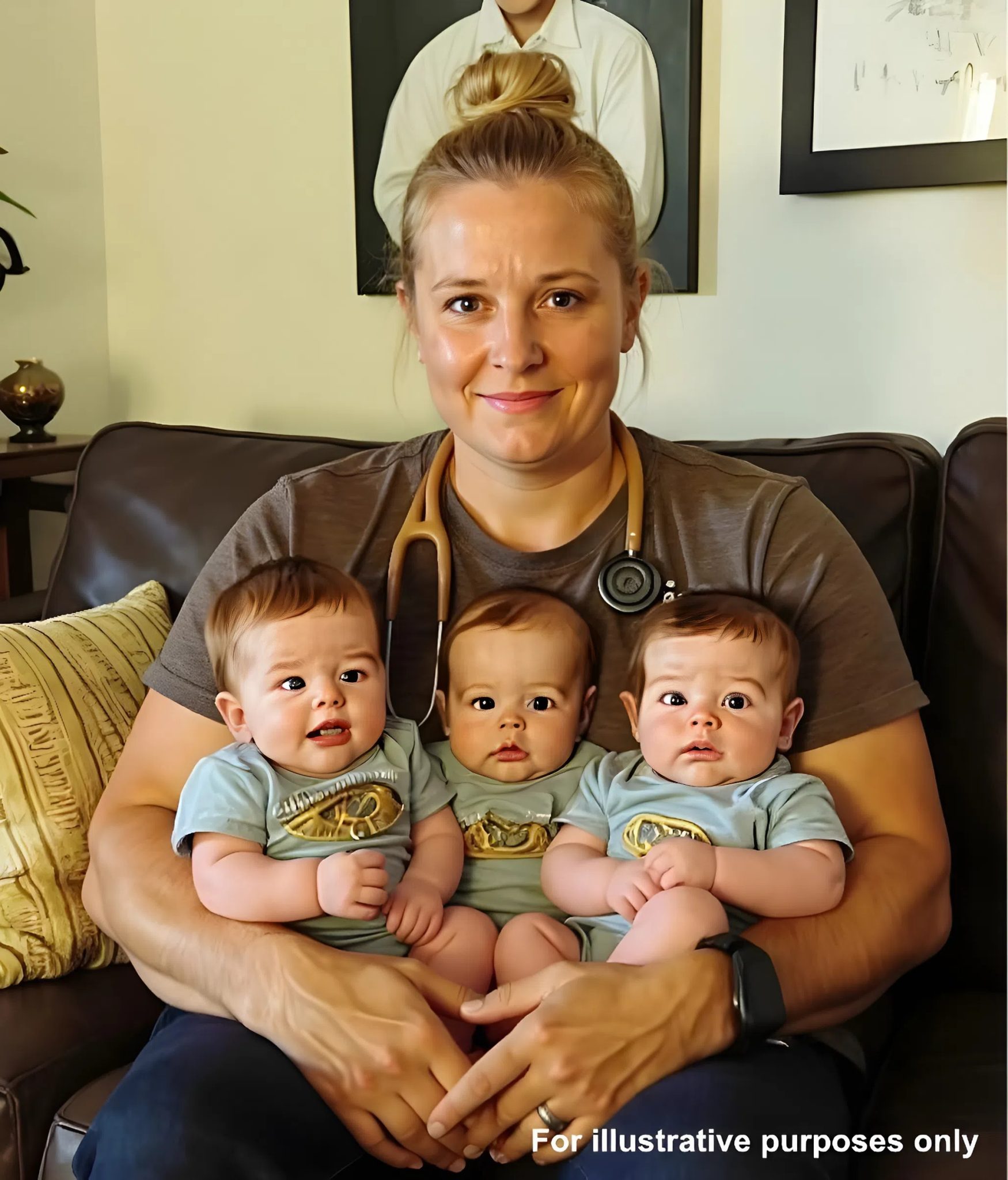
‘It’s triplets,’ the nurse announced at the time.
‘We’ll manage, Ellie,’ Adam said then. ‘I’m here with you. With them. Fate has given us three little miracles.’
I returned to the present as if from a dream.
‘You disappeared,’ I said. ‘I gave birth to your children, and you vanished. You have no right to talk about fate now.’
‘I was 23,’ he justified himself. ‘I panicked, Ellie. Three babies… I couldn’t breathe.’
‘Do you think I was breathing easier?’ My voice trembled. ‘You left me with three newborns. I didn’t have the luxury of panicking.’
He rubbed his chin, then squeezed out:
‘I need £5,000.’
The audacity of his demand took my breath away.
‘Do you really think you can come back after twelve years and ask me for money?’ I replied. ‘You never even tried to see your children.’
‘I wouldn’t have come if I wasn’t on the brink,’ he insisted.
‘You don’t even know what it means to be on the brink,’ I said. ‘You’re just a coward.’
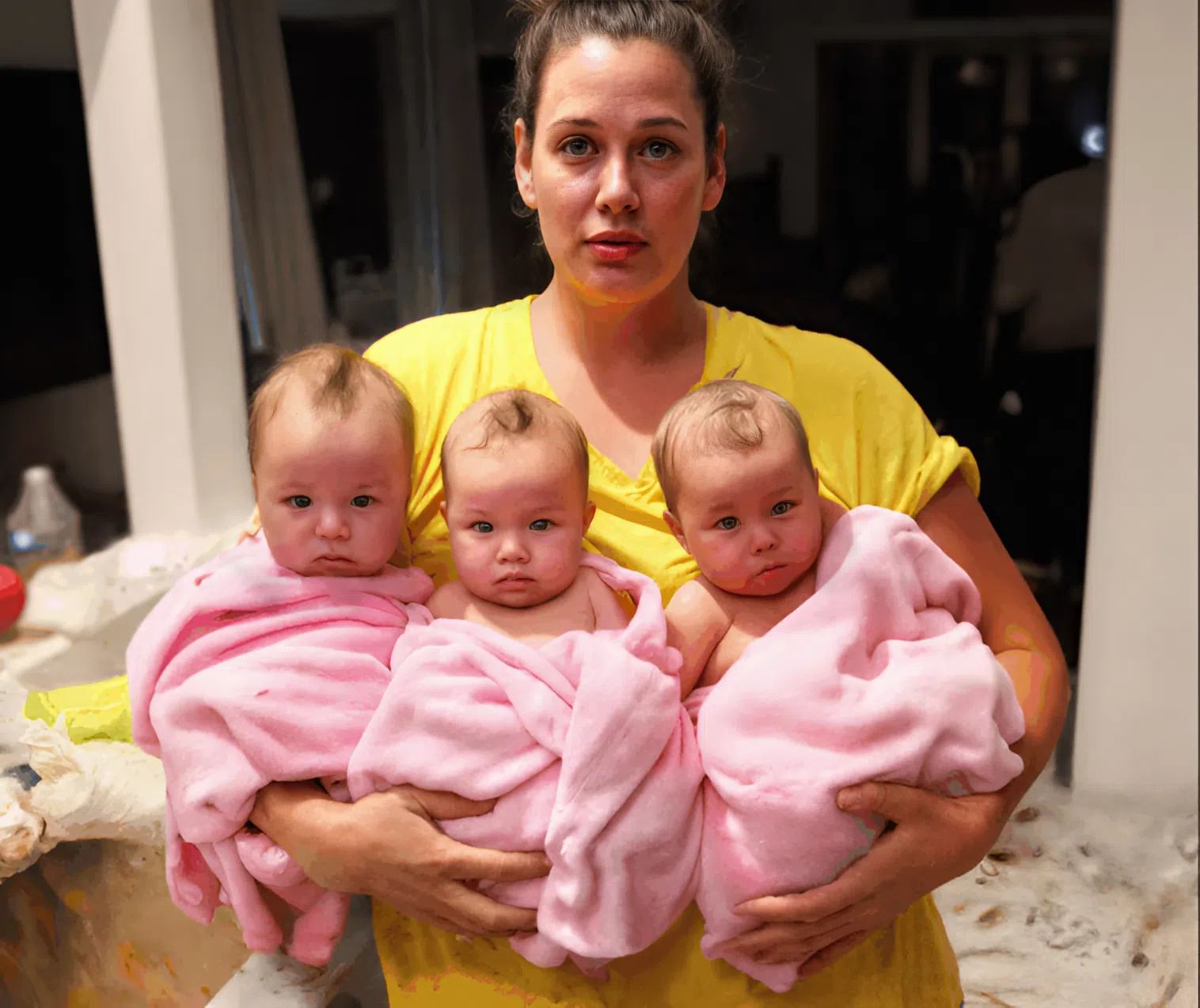
I left.
With trembling hands, I called Greg. By the time he arrived, Adam had disappeared, but something was waiting for me on the windscreen.
A wet piece of paper with a message:
‘Pay me or I’ll tell the truth about that night. About our breakup. You don’t want to dig, Ellie.’
Greg read the note and turned pale.
‘He’s bluffing,’ he said. ‘And even if he’s not, we’re not giving him a penny.’
‘We’ll go to the police,’ he added. ‘You drive.’
The officers took us seriously. Adam already had a few minor offences on his record. The word ‘blackmail’ was left in the hands of the police.
A week later, Adam was arrested.
When we entered the courtroom, his wrists were in handcuffs.
‘So, you finally decided to come,’ he muttered.
‘Do you really want to play this game?’ Greg asked coldly.

‘You and Greg were already together,’ Adam spat out. ‘That’s why I left.’
‘You left her alone in the delivery room,’ Greg said calmly.
We left without looking back.
We never told the children about his return. They know he left. But, most importantly, they know what it means to stay.
Adam gave them life.
Greg gave them everything else.
And I realised one thing: people who stay show it with their actions, not their promises. And sometimes what you thought was the biggest disaster in your life becomes what leads your life in a better direction.