This afternoon, I have a meeting with the mayor. He wants the foundation to partner with the city on a pilot program that could expand nationwide: assisted-living projects that protect older women’s independence, day centers where they can stay active without feeling like burdens, and public policies that recognize them as valuable assets—not problems to be hidden away. The idea of shaping policies that will affect thousands of women across the country excites me more than any inheritance ever could.
My sons come to lunch every Sunday—not out of duty, but because they truly enjoy being here. Our conversations have evolved from apologies and regret to thoughtful discussions about business, life, and the future. Steven seeks my input on major company decisions. Daniel tells me about the difficult cases he manages at the foundation. They ask for my advice, not because I’m their mother, but because they respect me—as a professional, and as a person. It’s the kind of family bond I always wanted but never knew how to build when they were younger.
Have I completely forgiven them? That’s a question I often ask myself. Forgiveness, I’ve learned, isn’t a single moment—it’s a process. Every time I see Steven treat his employees with genuine respect, I forgive his past arrogance a little more. Every time I see Daniel help another addict recover, I forgive his betrayal a little more. But even more important than forgiving them, I’ve learned to forgive myself—to forgive the years I allowed myself to be invisible, to forgive myself for accepting emotional crumbs when I deserved banquets of love and respect.
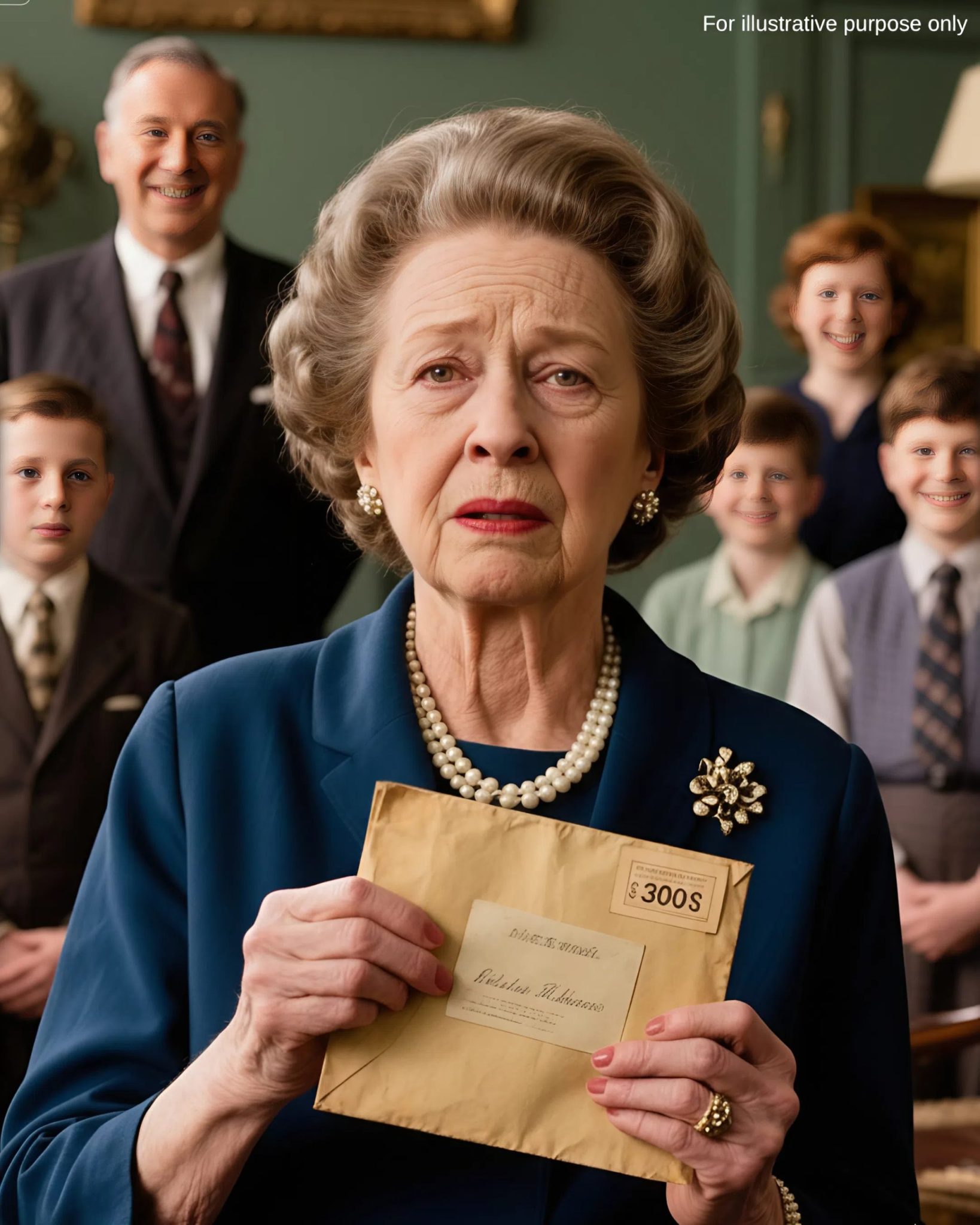
The dusty envelope I received that day in Rose’s office still sits on my desk. It no longer holds just the bank account number that changed my life—it now holds letters from women we’ve helped, photos from project openings, newspaper clippings about the foundation’s achievements. It has become a symbol of transformation, of second chances, of the beauty that can rise from humiliation’s ashes. Every time I look at it, I’m reminded that endings can be beginnings, that crises can become opportunities, and that it’s never too late to become who you were meant to be.
If I could go back and speak to the Eleanor who left that office in tears a year ago, I’d tell her: “Don’t cry for what you’ve lost. Celebrate what you’re about to gain. Don’t grieve the sons who betrayed you—prepare to meet the men they’ll become. Don’t cling to the invisible woman you were. Free yourself to become the powerful woman you’ve always had inside you.” I’d tell her that the pain she feels in that moment is the birth pang of a new life—and that life will be more beautiful, more meaningful, and more powerful than she ever dreamed possible.