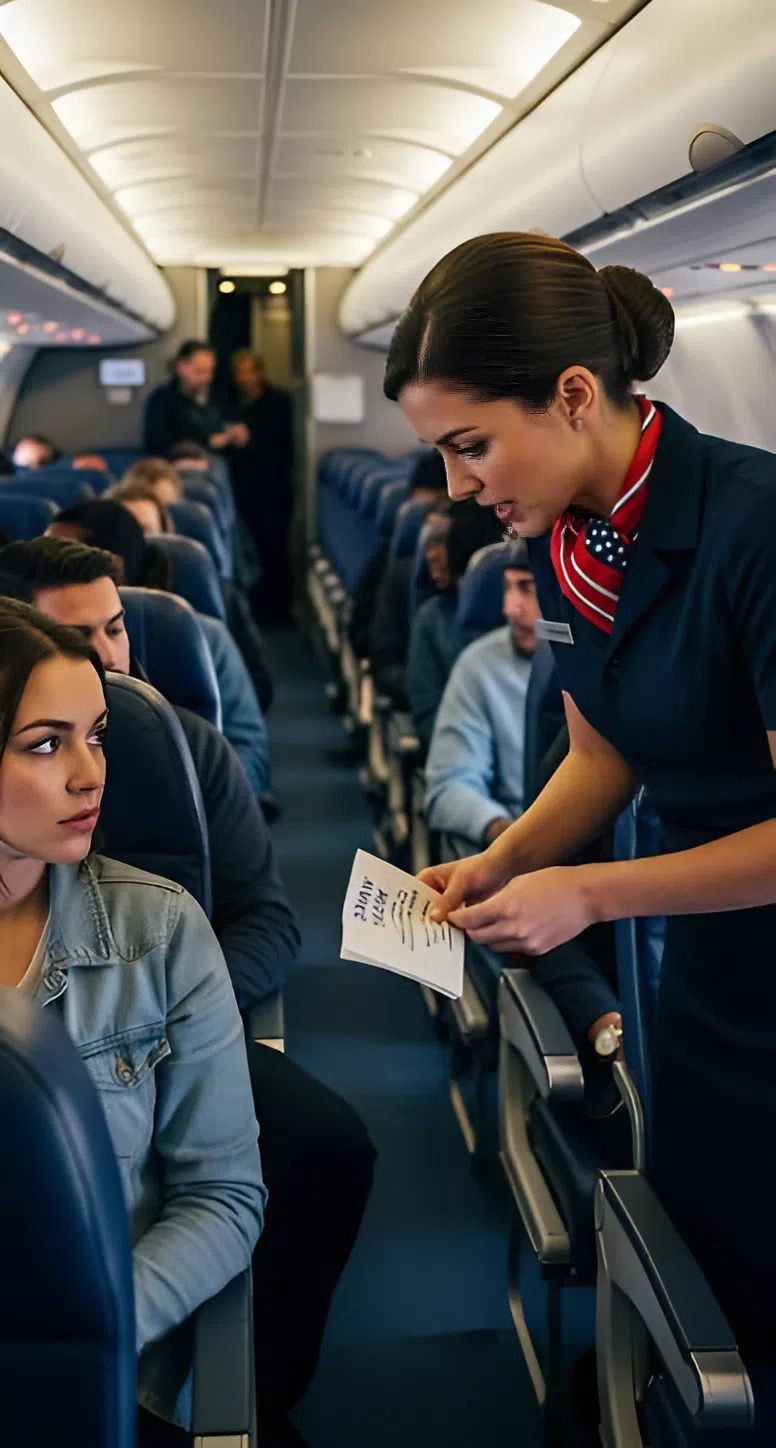
The stewardess placed a napkin on my folding table.
Her hands were shaking. In hasty, uneven handwriting, it said:
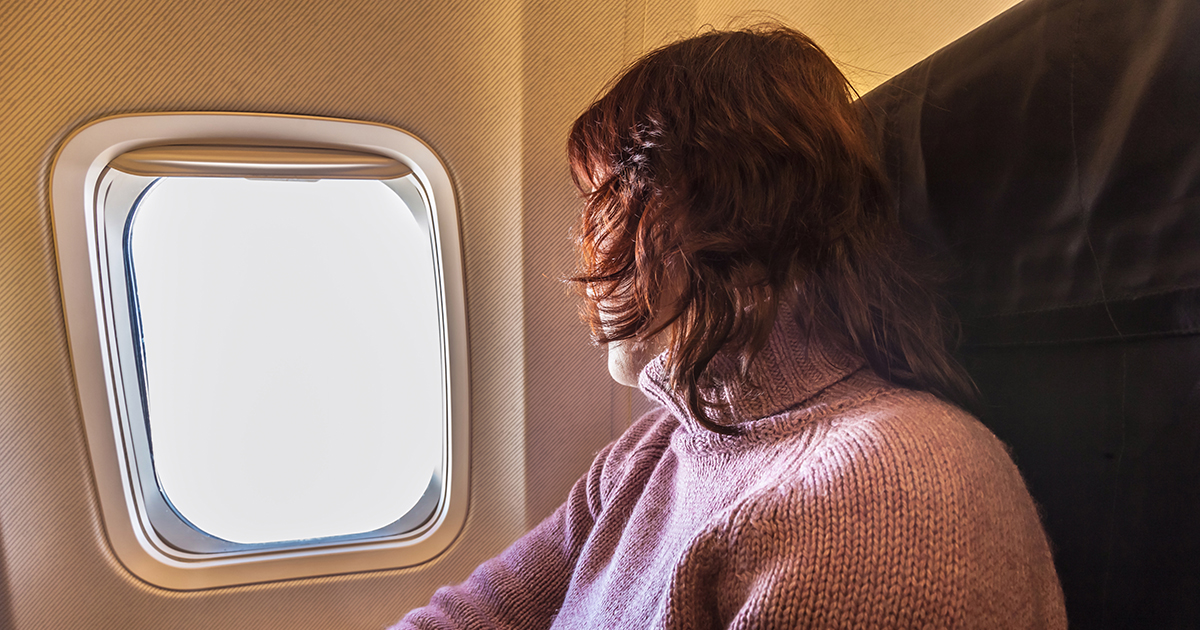
‘Pretend you’re sick. Get off this plane immediately.’
I looked at her in shock. There was panic in her eyes.
It wasn’t irritation, it wasn’t confusion. It was pure fear.
She leaned towards me and whispered:
‘Please. I beg you.’
At that moment, I didn’t know if it was a joke, a mistake, or something much more serious.
But what happened two hours later proved one thing:
her warning wasn’t just real… it was the reason I’m still alive.
My name is Isela Warren.
I’m 30 years old and I work as a visiting nurse.
I’ve seen enough human suffering to last a lifetime.
I’ve held patients’ hands as they took their last breath and comforted families in hospital corridors.
After months of non-stop work, I decided to take a break and surprise my mother with a visit to Boston.
She had just recovered from heart surgery, and I couldn’t wait to see her face when I showed up unannounced.
It was a typical day at LAX.
People were laughing, children were pressing their faces against the terminal windows, and business travellers were tapping away at their laptops.
I felt tired but calm.
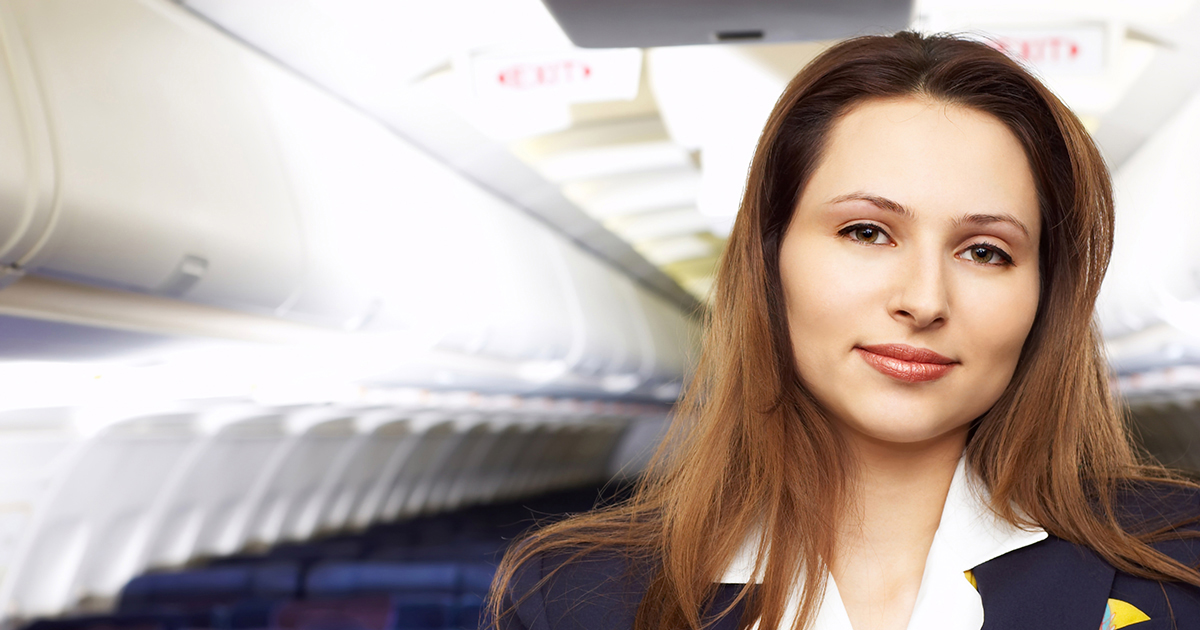
As I boarded the plane, I noticed that the flight attendants greeted passengers with rehearsed, forced smiles.
But one of them, with a badge that read ‘Alyssa,’ was different from the rest. She wasn’t just polite—she was observant. Her eyes scanned everyone who entered the salon, as if she were memorising their faces.
When our eyes met, she froze for half a second — as if she recognised me — and then quickly looked away.
My seat was in the middle of the cabin, by the aisle. A man in a black jacket was sitting in front of me, visibly nervous.
He opened the overhead compartment twice, even though he hadn’t put anything in it.
Next to him, a teenager was clutching a backpack to his chest.
Nothing looked obviously suspicious, but the atmosphere was not what it usually was.
There was a barely perceptible tension in the air, like a quiet storm approaching.
I texted my sister, Chloe:
“I’m on the plane now. Mum has no idea I’m flying.
Get ready to film her reaction.”
She replied with heart emojis.
Everything seemed normal enough as I fastened my seatbelt.
But then I saw Alissa again.
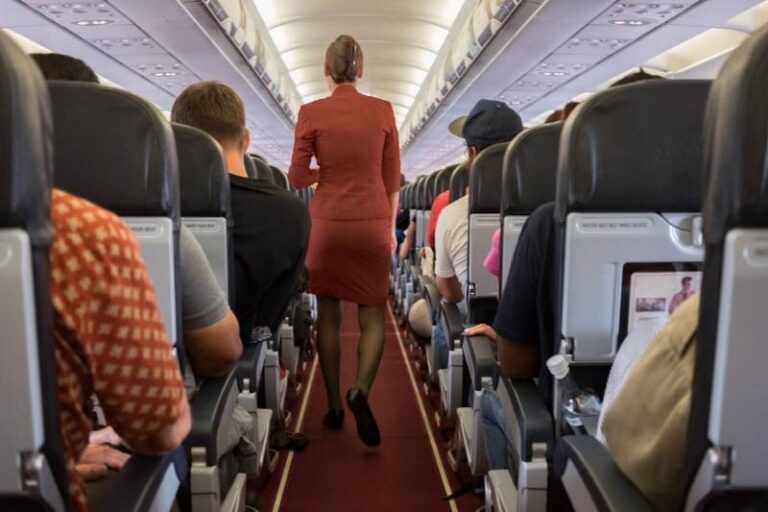
She was walking slowly down the aisle, pretending to check the overhead bins, but her gaze wasn’t on the suitcases.
She was looking at people. She was afraid of someone… but I didn’t know who.
When she reached my row, she leaned over as if to put a napkin on my tray table.
She didn’t meet my gaze. Then she just walked on.
I unfolded the napkin.
You’re not safe.
Pretend you’re sick. Get off this plane immediately.
My mind went blank.
A joke?

A social experiment?
But when I turned around, Alyssa was standing at the end of the aisle.
She slowly turned and stared straight at me.
There was no trace of a smile on her face. Only desperate urgency. My pulse quickened.
The napkin lay on my lap like a time bomb.
My instincts were screaming, but logic held me back.
I glanced at Alyssa — she was standing by the kitchen, tense.
I tried to convince myself that I was overreacting.
Maybe she had just confused the passenger.
But then she turned around again.
For just a second, our eyes met again, and I saw something that destroyed all my excuses: pure, undisguised horror.
It wasn’t the face of someone who was pretending.
It was the face of someone desperately trying to save someone’s life.
I glanced around the cabin. The man in the grey hoodie sat frozen, his fingers clenched around the armrests.
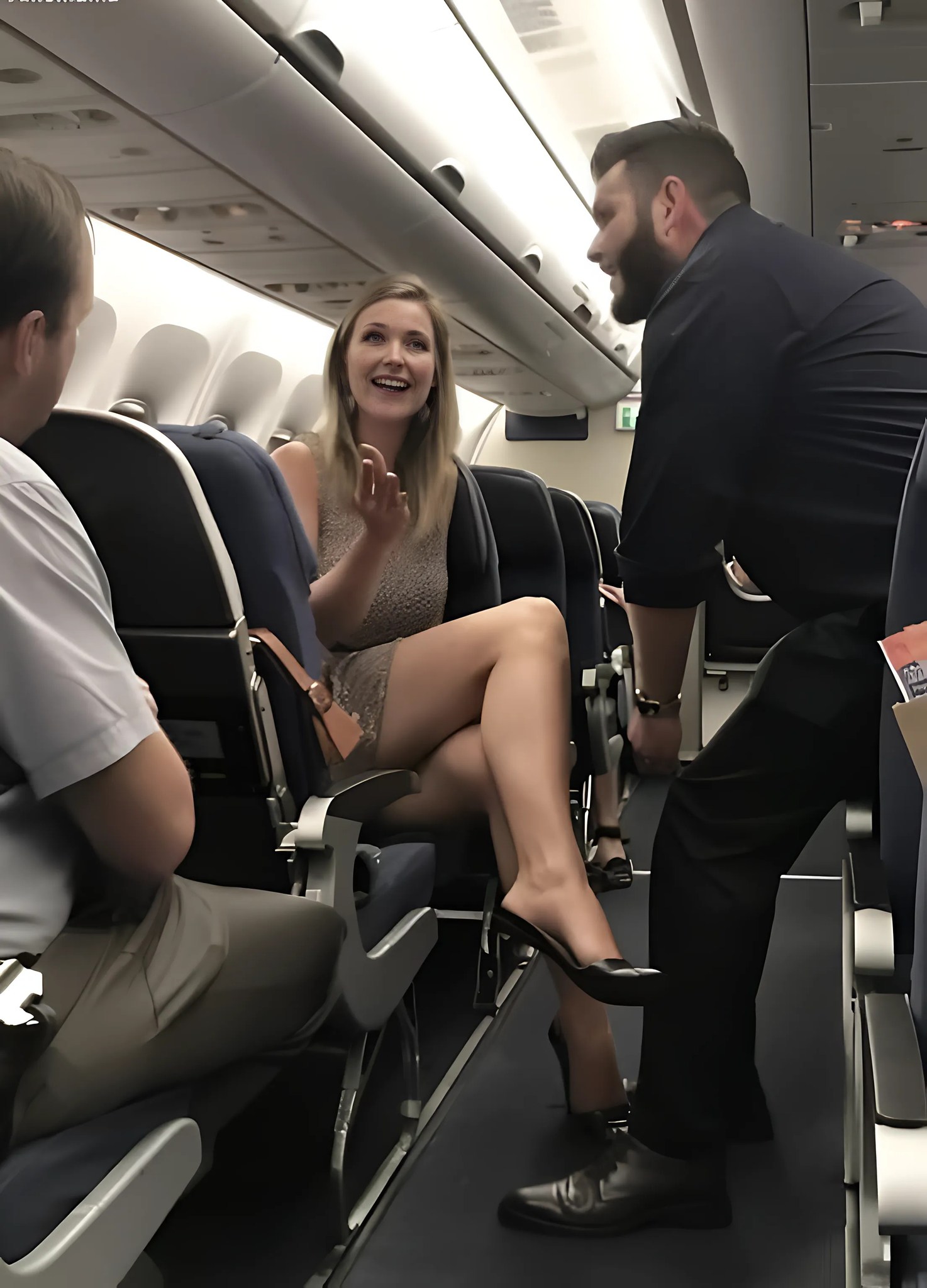
Across the aisle, a woman in a business suit tapped her foot nervously, her eyes fixed on the front of the cabin.
But what really got to me was the man in the black jacket by the emergency exit.
He didn’t look nervous; he was too calm.
His gaze shifted from the cockpit to Alice, as if he were waiting for some kind of signal.
Then I noticed something that sent a chill down my spine.
The overhead bins in first class were secured with yellow straps.
I had only seen this once before — in a training video about safety risks on board.
My experience as a nurse taught me to read situations quickly.
Something was wrong.
My experience as a nurse taught me to read situations quickly.
Something was wrong.
Before I could process it, Alyssa stepped towards me, pretending to check my seatbelt.
She leaned in, her voice barely audible:

“Do it now. Tell them you’re feeling sick, that you’re dizzy.
If you stay on this flight, you won’t make it alive.”
I wanted to ask questions, but the look on her face wouldn’t let me.
It wasn’t fear for herself. It was fear for me.
Goosebumps ran down my body as adrenaline rushed through my veins.