
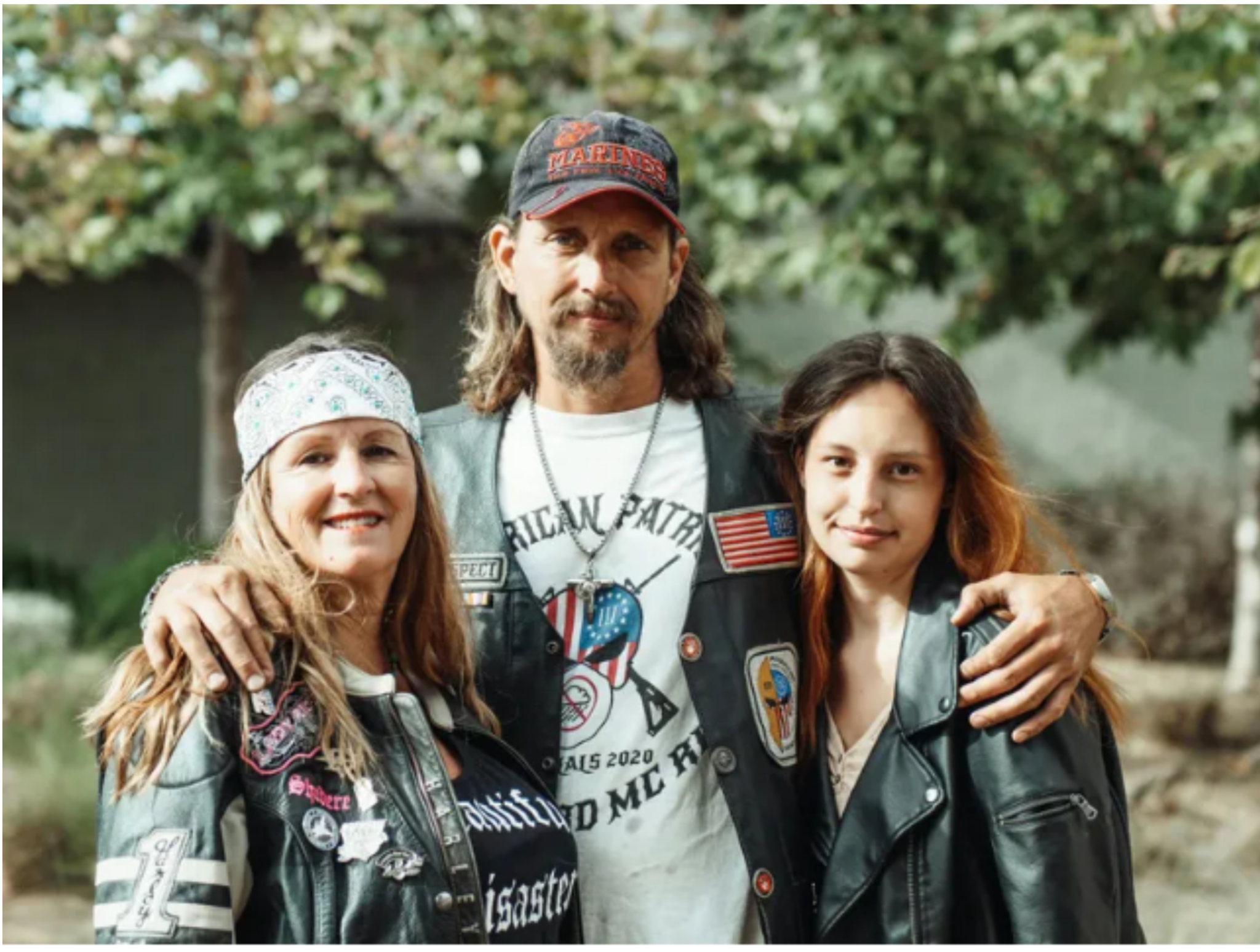
My brother lied that his wedding would be childless to exclude my son — I was stunned by his reason
As a child, Brock was the youngest in our small tribe of five. At 18, he found himself between 20-year-old Kimmy and 22-year-old Jethro, forming a trio that weathered the storms of an incomplete family together. Life wasn’t always kind, but it was ours, full of love, laughter, and the occasional sibling squabbles. So when my brother announced his childless wedding, I was struck by the fact that Brock, despite being an adult, was not on the guest list.
I couldn’t understand it. ‘Why is Brock the only one not invited?’ I demanded an answer from my brother, my voice filled with confusion and resentment. His vague and unsatisfactory answers did little to ease my concern. What caused even more confusion was that the invitation was sent to my sister’s younger children, who had barely reached adolescence, which further exacerbated the problem of exclusion.
The rift in the family deepened when I chose solidarity with Brock over attending the wedding. My sister supported our decision, demonstrating that we were united in our opposition to arbitrary and unfair exclusion. However, in response, my mother and my brother’s bride portrayed us as villains, accusing us of spoiling the special day with our complaints. ‘You can’t make John’s wedding about you and Brock,’ my mother reproached us, but her words could not bridge the growing divide.
As a sign of defiance and perhaps rebellion, we decided to bring Brock to the wedding anyway — a decision fraught with potential confrontation and family discord. Upon arriving at the wedding, the sight of my ex-husband among the guests pierced me, revealing the secret of Brock’s exclusion. It was a revelation that shook me to my core.

‘Why? Why didn’t you tell me he was here?’ I turned to my brother, my voice a whisper, trembling with betrayal. His confession of fear and misguided protection did little to calm the storm raging inside me.
The moment Brock’s eyes met those of his father, the man he considered a hero lost in time, the air crackled with shock, disbelief, and painful awakening. ‘Dad?’ Brock’s voice broke through the silence, a single word weighed down by years of absence and lies. His father replied, ‘Hello, son. Long time no see,’ was the first step on a long and uncertain road to reconciliation.
‘Why didn’t you come back? Why did Mum say that you…’ Brock’s questions, raw and unfiltered, broke through the pretence, exposing the wounds we had all buried. They conveyed his father’s remorse, regret for the choices he had made and for the life that had unfolded in his absence.
As the night wore on, the shock of the revelation gave way to cautious hope. Brock’s resilience, his willingness to confront the truth and the lies that had shaped his view of family, filled me with pride. ‘I’m angry about the lies, Mum. But I’m also glad I finally know the truth,’ he confessed, and his words were a balm for my gnawing guilt.
The wedding, meant to celebrate love and unity, became a crucible for our family, forcing us to confront the ghosts of our past. It was a night of revelations, raw pain, and fragile beginnings of healing. “I know I have a lot to make up for. I know you’re hurting. But now I’m here, and I want to try, if you’ll let me,” my father’s promise to Brock sounded like hope for redemption and the possibility of a new chapter for all of us.

In the end, the wedding was not just a ceremony, but a catalyst for change, a confrontation with the truth we had been avoiding and the lies we had been telling. It reminded us that although the path to forgiveness and understanding is fraught with pain, it offers the opportunity for growth, healing, and the restoration of long-lost connections.