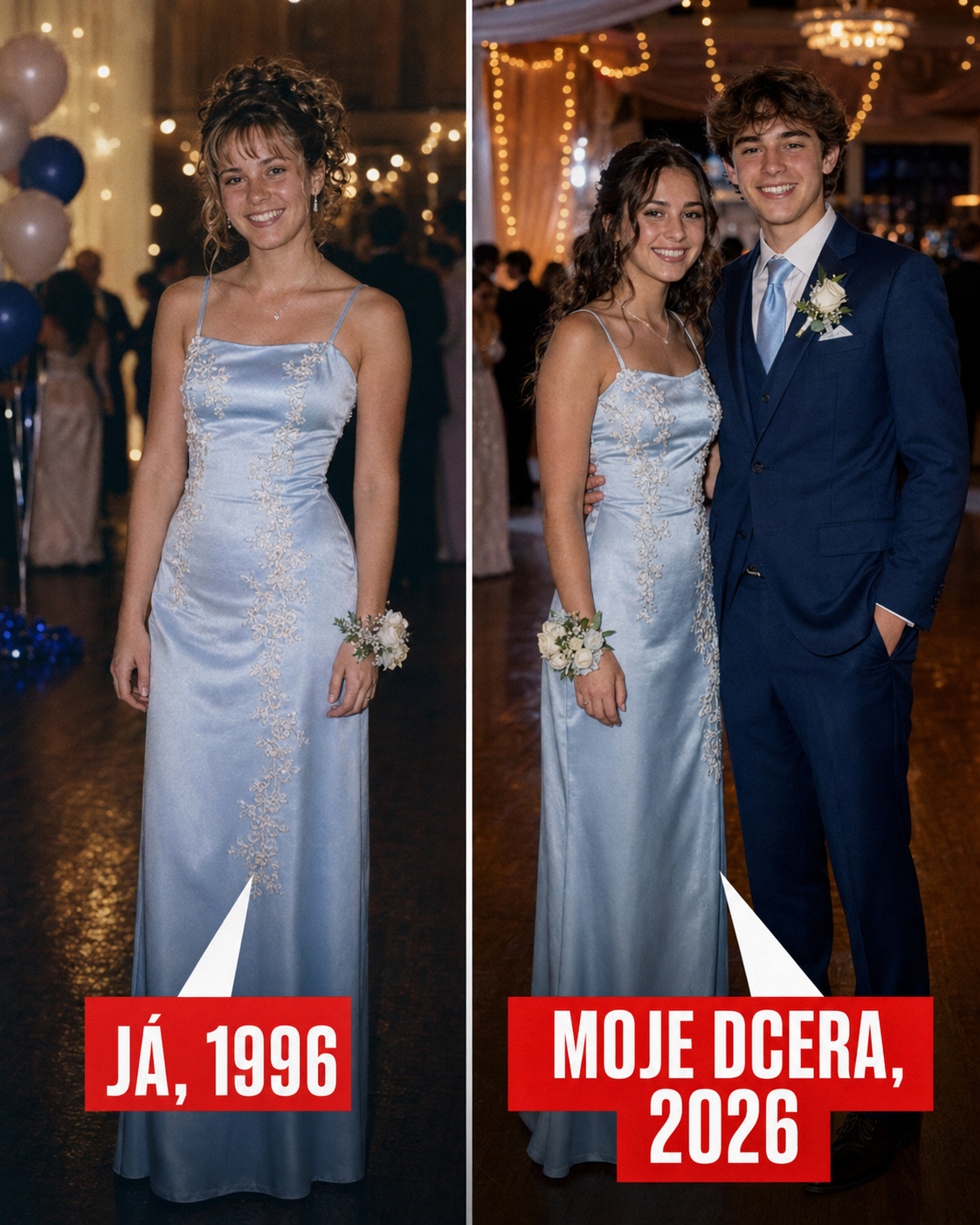
“Rebecca knew.”
“My grandmother asked her to stop. To tell people the truth.” Connor paused. “She didn’t.”
I thought about thirty years. About my mother’s face, careful and composed at every turn, never letting anyone see the cost of what she was carrying. About leaving town at nineteen with a single bag and a reputation I’d done nothing to earn.
“What are you going to do with it?” I asked.
“I’m going to show her,” he replied. “I think you should be there.”
I thought about thirty years.
We went together, Connor and Lily and I, on a Sunday afternoon. Rebecca opened the door and looked at the three of us and seemed to understand immediately that something had shifted.
Connor laid the note and the letter on the kitchen table without saying anything. Rebecca looked at her mother’s handwriting for a long time.
“She confronted you,” Connor said softly. “You knew it was a gift. You knew the whole time and you let people believe something different.”
Rebecca sat down.
“You let people believe something different.”
I watched her, this woman I had been afraid of for thirty years, and I tried to find something clean in what I was feeling.
Not satisfaction, it wasn’t that.
It was something more like grief, for all the years the lie had taken up and the space it had occupied, and the weight my mother had carried in silence.
I had been afraid of for thirty years.
“She was always so proud of you,” Rebecca said finally. Not to me. To the table. “Every week there was something new. Diana’s grades. Diana’s manners. Diana’s future. I know how that sounds. I know how small it sounds. But I was eighteen and I couldn’t separate it. The dress felt like one more thing she was giving you that she wouldn’t give me. Even though she gave me everything. I know that now. I knew it then too, if I’m honest.” Her voice was stripped down to something I’d never heard from her before. “I told myself the story long enough that it started to feel like the truth.”
The kitchen was very still.
“The dress felt like one more thing she was giving you that she wouldn’t give me.”
“My mother died thinking people believed she’d raised a thief,” I said. “I need you to understand that. I’m not asking you for anything. I just need you to sit with that.”
Rebecca nodded. Her eyes were wet.
Lily reached over and put her hand on my arm.
I drove home alone that afternoon with the windows down and the early summer air moving through the car, and I thought about Margaret in her kitchen, pressing a dress box into the hands of a girl who had nothing, saying every girl deserves one beautiful night.
“I just need you to sit with that.”
She had known who she was, that woman.
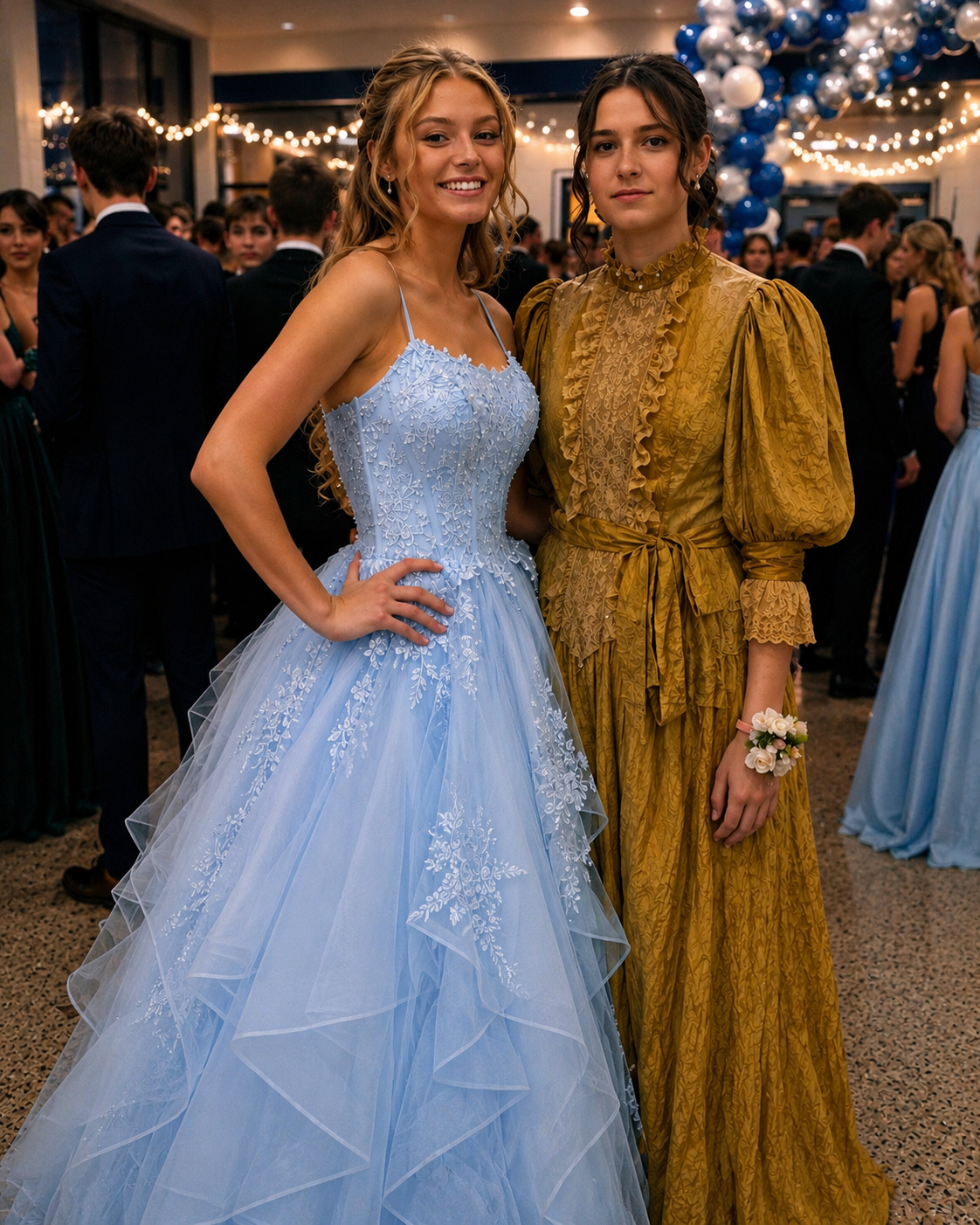
She had known what kindness cost and given it anyway, and then watched her own daughter undo it, and written it all down in a letter she never sent because she was a mother too, and mothers carry things for their children that their children never know about.
I thought about my own mother. Eleven years of showing up every morning with her chin up, working in a house where her daughter had been quietly accused of the worst kind of ingratitude.
She had known who she was, that woman.
Lily called while I was still in the car.
“Are you okay, Mom?”
“I think so. I will be.”
“I’m sorry I didn’t believe you right away.”
“You were scared, honey. That’s different from not believing.”
“I’m sorry I didn’t believe you right away.”
When I got home, I went into the living room and picked up the gown from the armchair where I’d folded it the night before. I held it for a moment, feeling the weight of the fabric and the little beads at the neckline.
Then I folded it carefully and put it away.
Not to hide it. Not this time.
Just to keep it safe, the way you keep things that finally belong to you.
I held it for a moment.