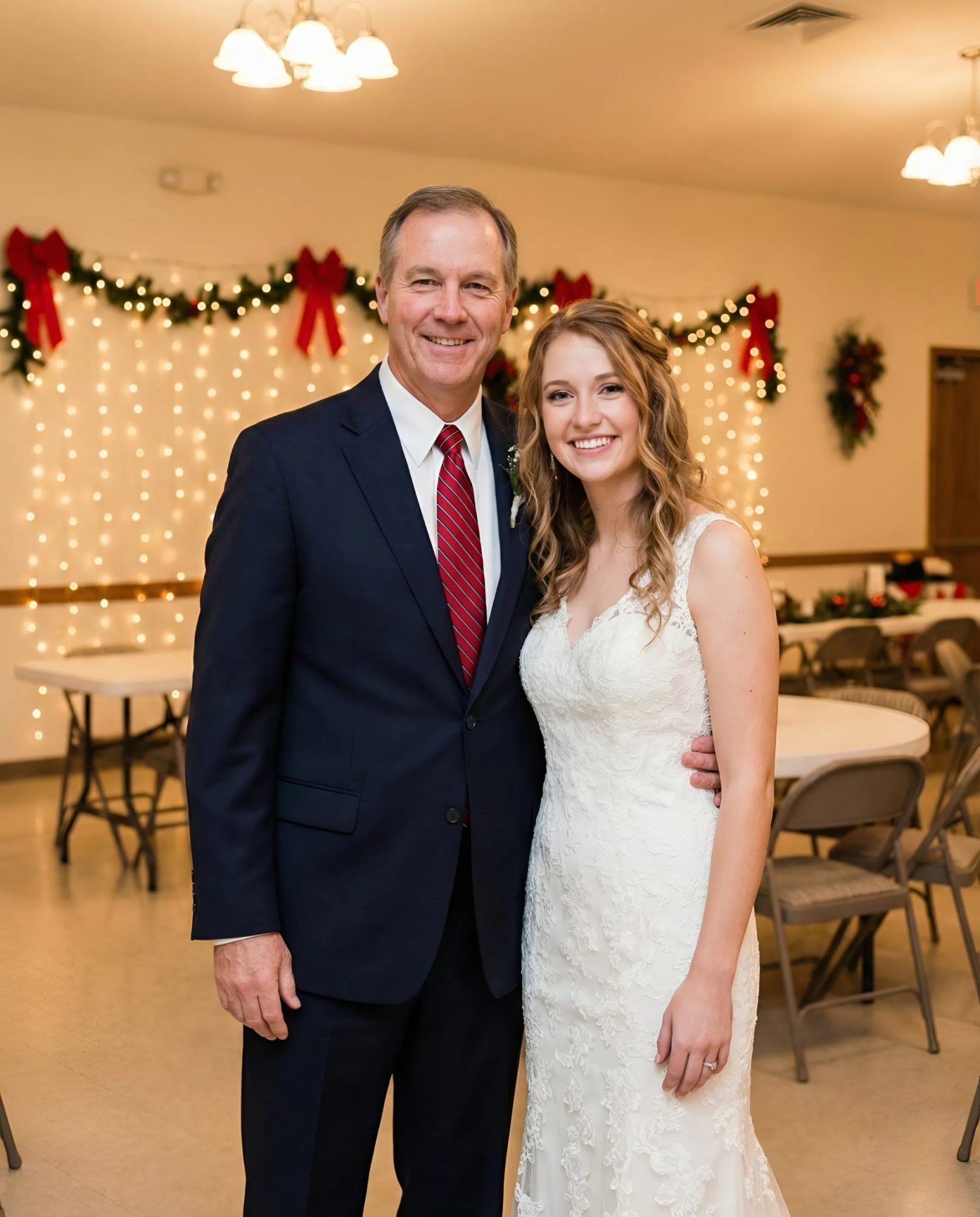
They say weddings unite families, but mine nearly split ours apart. I thought the hardest part would be watching my daughter marry my ex-husband—until my son pulled me aside and told me something that changed everything.
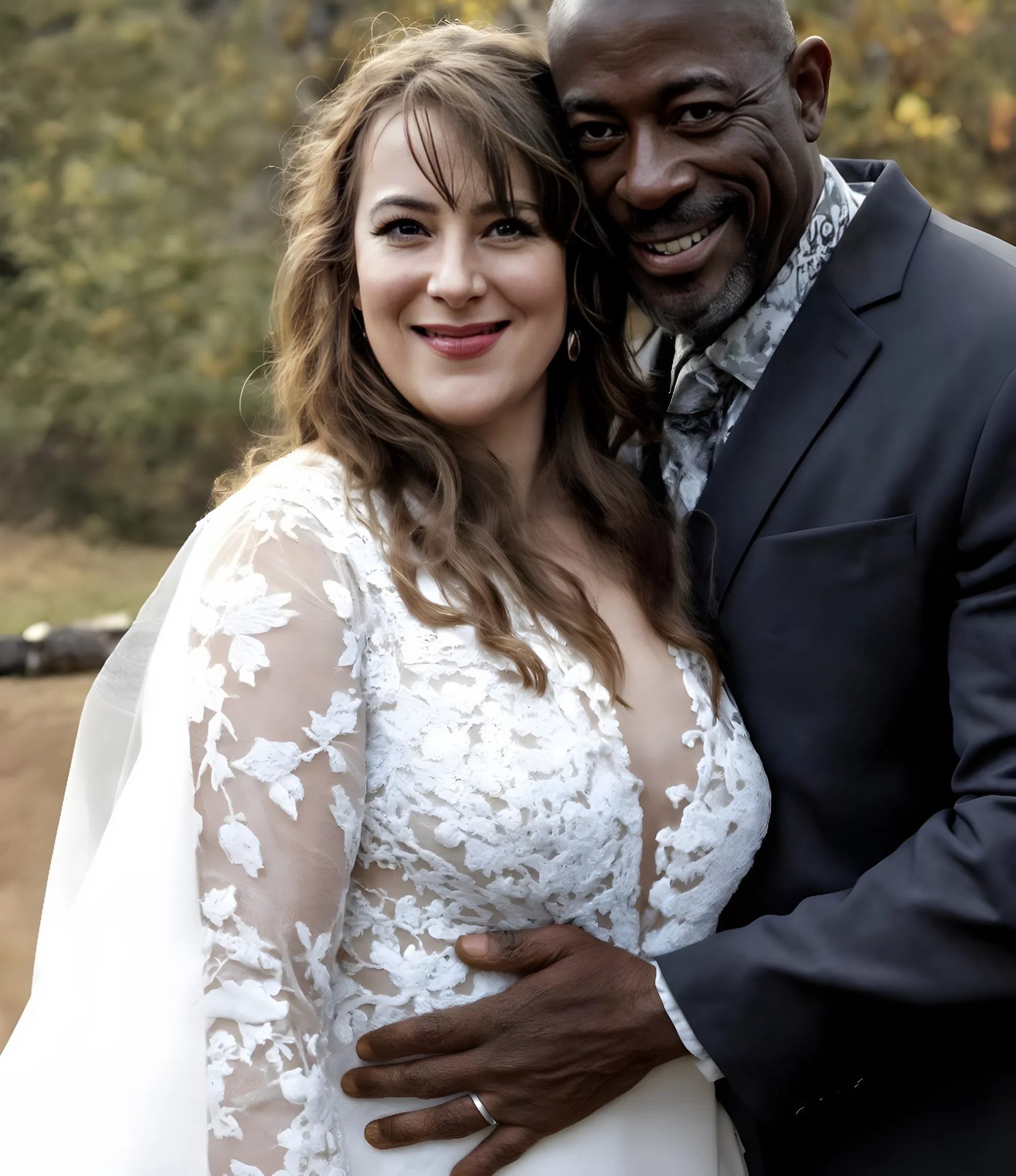
I never imagined I’d live to see my ex-husband marry my daughter. I certainly didn’t expect the truth to crash down on their wedding day—delivered by my own son—in a way so public my knees actually shook.
But none of it makes sense without how it all began.
I married my first husband, Mark, when I was twenty. It wasn’t some sweeping romance. It was… expected. Our families were old-money, country-club types. Reputation was currency, appearances were law, and “suitable matches” were treated like a sport.
Our parents vacationed together, served on the same charity boards, appeared in glossy gala spreads, exchanged carefully curated Christmas cards, and spoke about our future as if it had already been scheduled. When Mark slipped a ring onto my finger, it felt less like a proposal and more like a formal confirmation of what had been planned for years.
I walked down the aisle in a gown my mother chose, in a venue my parents adored, surrounded by people who thought they knew us. We were the polished couple everyone expected—gliding into the life our families had mapped out.
For a while, we played our parts. I had Rowan the year we married, and our son Caleb two years later. We mailed holiday cards in matching outfits, hosted tasteful dinner parties, and smiled for photos in front of a home with trimmed hedges and carefully selected art.
On paper, we looked perfect.
Inside, we were slowly suffocating.
We didn’t even fight, which somehow made it worse. We never learned how. Conflict felt dangerous, like it might stain the family name. So instead of arguments, we had silence. Instead of honesty, we performed. You can’t fix what you refuse to face, and we never looked directly at the empty space where love was supposed to live.
After seventeen years, we signed divorce papers with less emotion than a PTA vote. Our parents were horrified. We were relieved. It wasn’t dramatic—it was numb. But at least it was real.
Five years later, I met Arthur.
He felt like oxygen after years spent in a sealed room. He was thirty-eight, divorced, raising three children. A high school teacher who loved poetry and classic cars—not portfolios or board seats. He listened when I spoke—truly listened. We sat over coffee for hours, trading stories about parenting, regrets, and the absurdity of dating in our forties.
He wasn’t polished. He wasn’t perfect. And that, more than anything, pulled me in.
We married quickly—maybe too quickly. It felt like falling into something soft after years of walking on glass. For six months, we tried to blend lives, children, and histories. There were no explosions, no affairs, no scandal. Just a slow, confusing unraveling.
Arthur started pulling away—not emotionally at first, but practically. Fewer date nights. Less talk about the future. Plans that simply… disappeared. I told myself it was the strain of blending families. I told others the divorce was mutual. I even half-believed it.
Then, two years later, my daughter sat me down and told me she was in love.
We were in my living room. Rowan—twenty-four then—looked lit from within. She’d always been ambitious and stubborn in both the best and worst ways: MBA, fast-track marketing job, the kind of young woman who set a goal and bulldozed anything in her path.
“I’m in love,” she said, eyes shining.
I smiled automatically. “That’s wonderful, sweetheart. Who is he?”
“It’s Arthur,” she said.
For a moment, my mind refused to accept the name.
“Arthur… who?” I asked, even though I already knew.
She gave me a pointed look. “You know who.”
“My Arthur?” I managed.
She nodded, cheeks flushed. “It just happened. He reached out. We talked. He always understood me. And now that you’re not together…”
Her voice kept going, but it felt distant, like I was hearing it through water. All I could grasp was the reality: my twenty-four-year-old daughter was dating my forty-year-old ex-husband.
Sixteen years older than her.
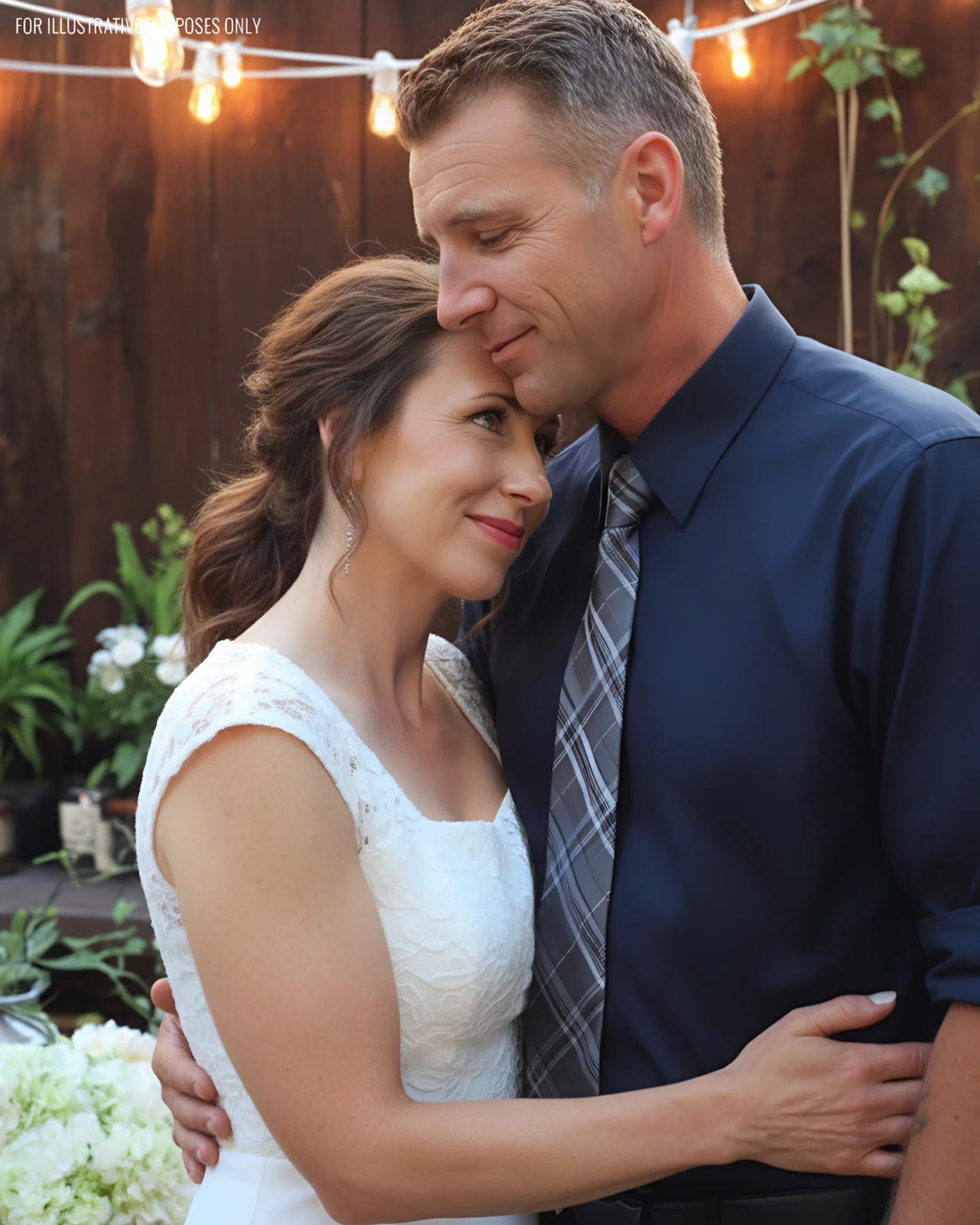
A man who had been my husband.
Every instinct in me screamed to stop it—to forbid it, to pull her away from whatever she thought this was.
Instead, she cut through me with one clear threat.
“You either accept this,” she said, eyes hard, “or I cut you out of my life.”
I could have argued. I could have pleaded. But I knew what I couldn’t survive: losing my daughter.
So I did something I still don’t fully forgive myself for.
I swallowed my horror, my unease, and I lied.
“I support you,” I told her.
A year later, I stood in a beautifully decorated venue—eucalyptus garlands draped overhead, soft jazz floating from hidden speakers—watching my daughter walk toward the man I had once promised forever.
I smiled for photographs. I lifted champagne for toasts. I hugged relatives and listened to people describe their story as “romantic” and “unconventional,” as if I weren’t the missing chapter.
My stomach stayed twisted tight.
Caleb found me during the reception.
He had always been my steady one—not loud, not dramatic, just observant, with a sharp mind he didn’t need to advertise. At twenty-two, he’d launched a small tech startup and still called his grandparents every Sunday.
“Mom, we need to talk,” he said, his fingers tightening around my arm.
The look in his eyes made my blood run cold.
He led me out of the ballroom, through a side exit, into the cool night air of the parking lot. The music and laughter muffled behind us, my heels clicking on asphalt.
“What is it?” I asked.
He glanced around, then pulled out his phone and scrolled quickly.
“I waited until today because I wanted everything in order,” he said. “I hired a private investigator.”
The words hit me like a slap. “You did what?”
“I didn’t trust Arthur,” Caleb said. “Something was off. The way he talked. The way Rowan started isolating. It felt wrong. So I followed my gut. And I was right.”
He handed me the phone.
On the screen were documents—court records. Bankruptcy filings. Lawsuits. A detailed report.
Arthur had filed private bankruptcy two years before he ever met me. He had defaulted on business loans, maxed out credit cards, and owed back taxes. There was a lawsuit from his ex-wife describing hidden accounts, unpaid alimony, and manipulative financial behavior.
My short marriage to Arthur replayed in my mind.
Before we married, I insisted on a prenup—not out of cynicism, but experience. After divorcing Mark, I understood what money could do. Arthur protested that it was “unromantic.”
“If this is love,” I told him, “a contract won’t scare you.”
He signed. But afterward, his smile never fully reached his eyes.
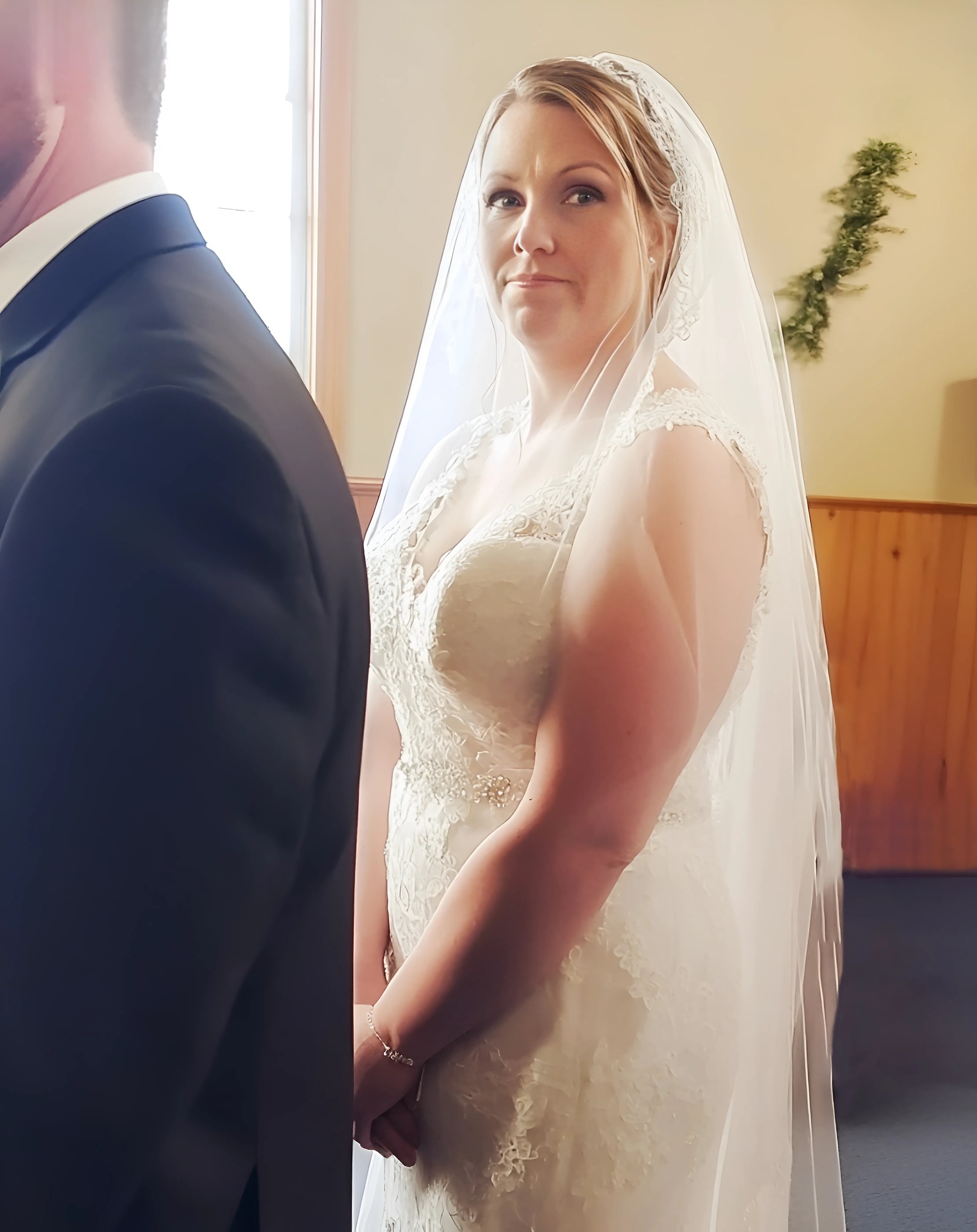
And not long after, everything changed.
“He’s a serial manipulator,” Caleb said, voice tight. “He targets women with money or connections. Rowan has both. He’s using her.”
My hands trembled around the phone.
“We have to tell her,” he said.
“She won’t believe me,” I whispered. “Not privately. Not with him in her ear.”
“Then we don’t do it privately,” Caleb said. “He thrives in the dark. So we bring him into the light.”
My heart pounded. When he asked, “Are you with me?” I surprised myself by nodding.
“Yes.”
Back inside, the reception rolled on. People laughed at the bar. Glasses clinked. A photographer posed guests in front of a flower wall. Rowan glowed in her dress beside Arthur at the head table, his arm casually draped along the back of her chair.
Caleb approached the emcee and spoke quietly. Moments later, the music lowered, and the emcee announced, “Now a few words from Rowan’s brother, Caleb.”
He took the microphone and stepped onto the small stage. My pulse thundered in my ears.
“I’d like to say a few words,” he began with a polite smile, “not only as Rowan’s brother, but as someone who’s known Arthur in… more than one role.”
A few people chuckled.
Rowan beamed. Arthur’s jaw tightened, almost imperceptibly.
“Marriage,” Caleb continued, “is built on love, trust, and honesty. So tonight, I want to toast to honesty. And to make that meaningful, I have a question for the groom.”
The room quieted. Forks paused. Chairs shifted.
“Arthur,” Caleb said clearly, “how is your ex-wife doing these days? Is she still waiting for her alimony checks?”
A wave of gasps moved through the room.
Some people laughed nervously, assuming it was a bad joke.
Caleb didn’t laugh.
“Or are you still tied up in court?” he continued. “It must be hard to keep track—the lawsuits, the unpaid debts. And of course the bankruptcy. Maybe we should toast to that too.”
Arthur’s face drained.
“These aren’t rumors,” Caleb said, raising his phone so the closest guests could see. “These are legal records. Public filings. Years before you ever met my mother. Yet you didn’t mention them to her—or to Rowan.”
A silence dropped so thick I could hear my own breathing.
Caleb looked at Arthur and delivered the final blow.
“When were you planning to tell my sister? Before the wedding? After she put your name on her accounts? Or never?”
Then he turned to Rowan.
“You didn’t know,” he said, softer. “I understand that. He’s good at hiding who he is. He tried it with Mom too, but when he realized he couldn’t manipulate her finances—thanks to the prenup—he lost interest.”
It felt like watching a building collapse in slow motion.
Rowan stood, trembling. Her face had gone pale, her eyes darting between Arthur, the phone, and me.
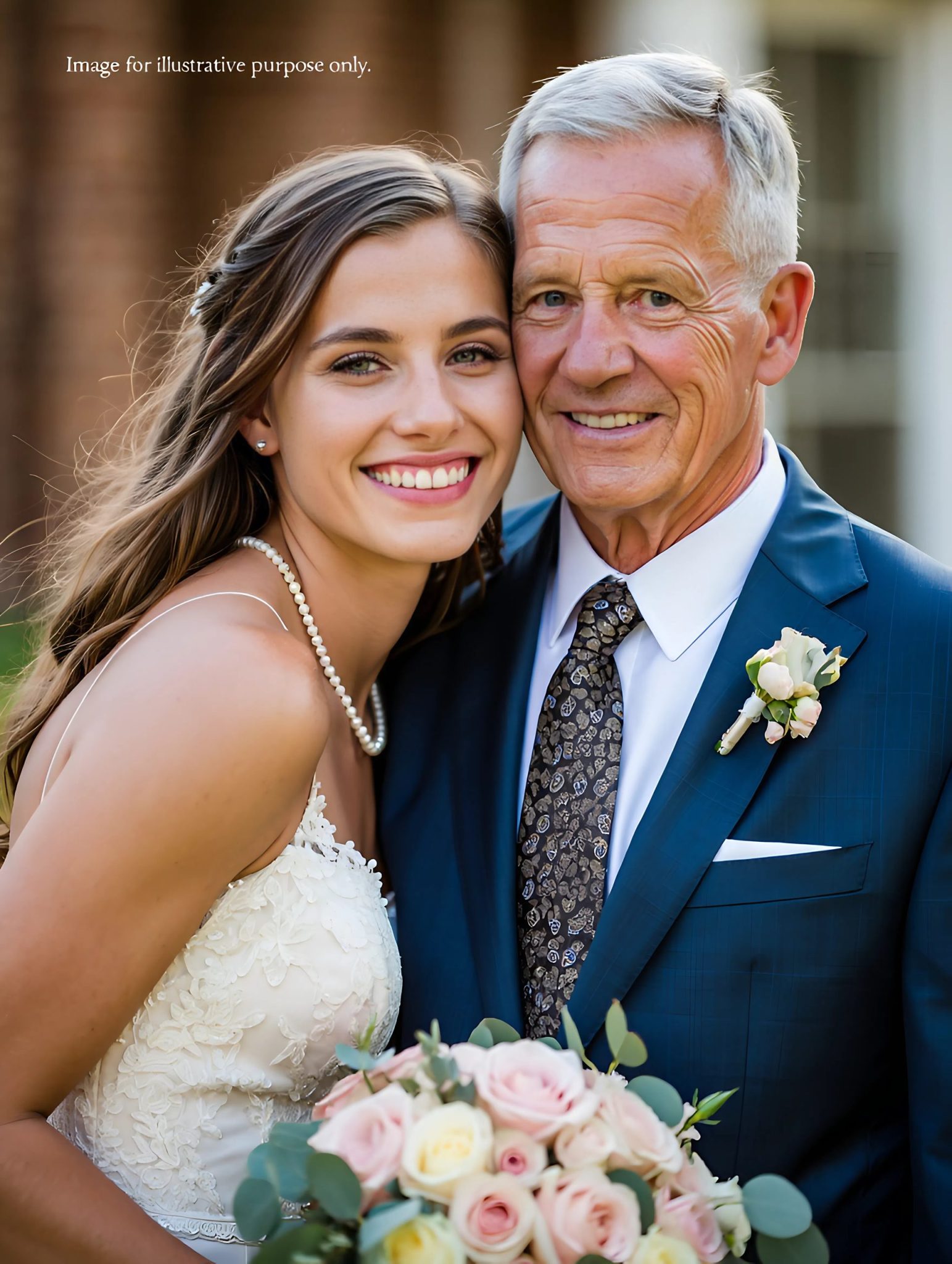
“Is it true?” she asked him.
Arthur stood quickly. “It’s complicated,” he stammered. “I was going to explain—”
“No,” Rowan said quietly, but the room heard it. “It’s not.”
Then she looked at me—horrified, betrayed, shattered.
“Mom,” she whispered. “Oh my God.”
She walked straight into my arms.
Behind us, chairs scraped, whispers erupted, and the sound of a celebration unraveling filled the room. Caleb calmly said into the microphone, “The wedding is over,” but most people were already standing, unsure whether to stay or leave.
We left.
By morning, Rowan filed for an annulment. The ink on the certificate was barely dry, and soon it would be as though it never existed.
She moved back in with me for a while. We talked—truly talked—for the first time in months. About Mark. About Arthur. About how easy it is to repeat your parents’ mistakes from a different angle.
A few days later, she looked at me across the kitchen table and asked, “Did you love him?”
I thought of Arthur’s charm, the long conversations, the way he made me feel seen after years of living as part of a carefully staged life.
“I thought I did,” I answered honestly. “I loved the version of him he showed me—the man who asked about my dreams and said the right things. But now… I think I loved the escape. The quiet. Not him.”
She exhaled slowly. “Same.”
We laughed—a raw, shaky laugh that comes when you’re exhausted and finally telling the truth.
In the weeks after, I watched Rowan return to herself. She started therapy. Took a solo trip to Colorado. Bought an absurd pair of hiking boots and sent selfies from the top of trails she never would have touched before.
One night, over coffee at my kitchen table, she said, “I don’t know what comes next. But at least I know who I am again.”
“You always did,” I told her. “You just lost sight of it for a while.”
She reached across the table and squeezed my hand.
And for the first time since she told me she was dating Arthur, the tight vise in my chest finally loosened.
I realized my brief marriage to Arthur ended for one simple reason: he couldn’t get what he wanted from me. The prenup protected more than money—it denied him control. When he saw I wasn’t a shortcut, he drifted away.
To my daughter.
That thought still turns my stomach.
But it also gave me clarity.
He didn’t break me. And because of Caleb, he didn’t break her.
My son is the quiet hero of this story. He trusted his instincts, did the unglamorous work—hiring an investigator, verifying records, gathering proof—and then chose the most effective, if painful, way to expose the truth. Rowan wouldn’t have believed whispers. She needed facts and witnesses. He gave her both.
We haven’t heard from Arthur since that night. No explanations. No apologies. Just silence—perhaps the clearest confession of all.
Rowan has her own apartment now. She’s rebuilding on her terms. We speak more honestly than we did when she was a teenager. Our relationship is real—messy sometimes, but real.
And me? I’m done performing a perfect life for anyone.
If this happened to you—if your child fell for someone you knew was wrong—what would you do?