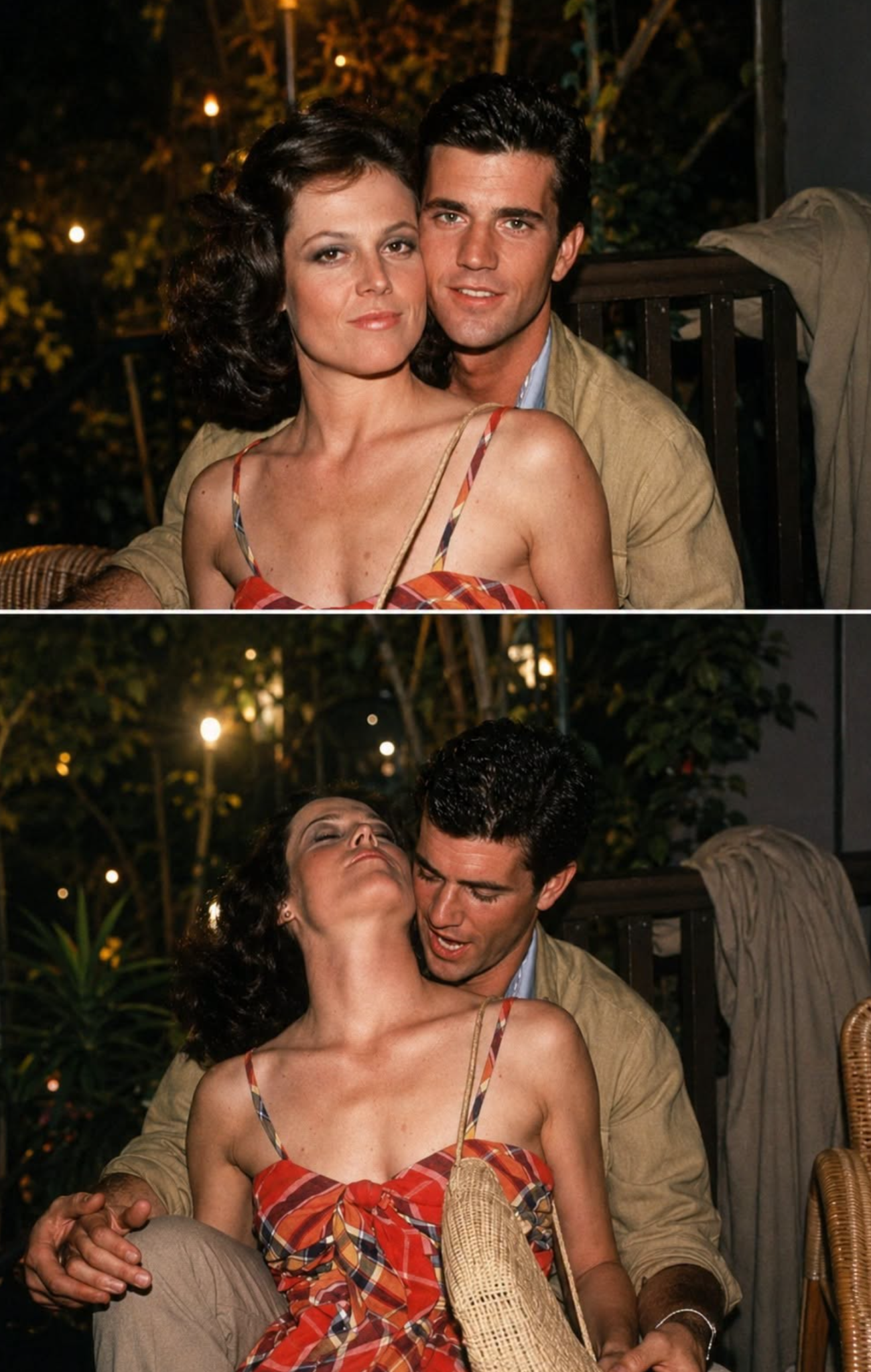
Back to 1982!: Two future Hollywood legends, filmed before they became world-famous!
If you’re looking for a political thriller that literally oozes heat and tension and slowly creeps under your skin, Peter Weir’s 1982 masterpiece The Year of Living Dangerously is exactly the sort of retro film worth revisiting. Weir immediately plunges the viewer into the stifling, dusty and neon-lit atmosphere of Jakarta in 1965, a city on the brink of a massive social upheaval. It is a true masterclass in building tension, where the very air seems to vibrate with anticipation of the impending upheaval, and every shadow appears to harbour someone else’s secret. Weir doesn’t merely tell a story — he makes you feel the raw, unsettling, almost physical tension of a country on the verge of fracturing, creating a powerful backdrop for a deeply human drama.
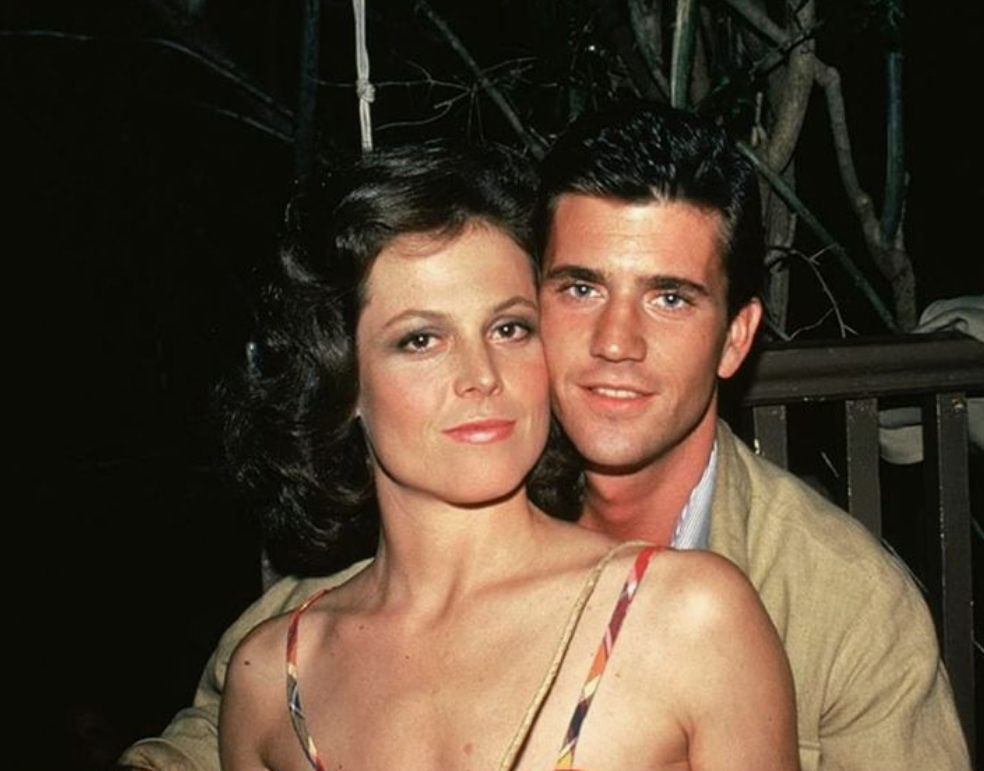
At the very centre of this cauldron of turmoil is the young, incredibly charismatic Mel Gibson in the role of Guy Hamilton. Guy is a still-inexperienced Australian journalist who arrives in Indonesia hungry for a big story that could transform his entire career, but quickly realises he has found himself in a situation far more complex than he could ever have imagined. Gibson plays him with a raw, edgy ambition: he is a man fuelled by pure adrenaline and a stubborn determination to make his mark in a city where information becomes a weapon. His best chance of survival lies in an alliance with a local, brilliantly well-informed photographer who helps him navigate the complex, dangerous and unstable underworld of Jakarta.
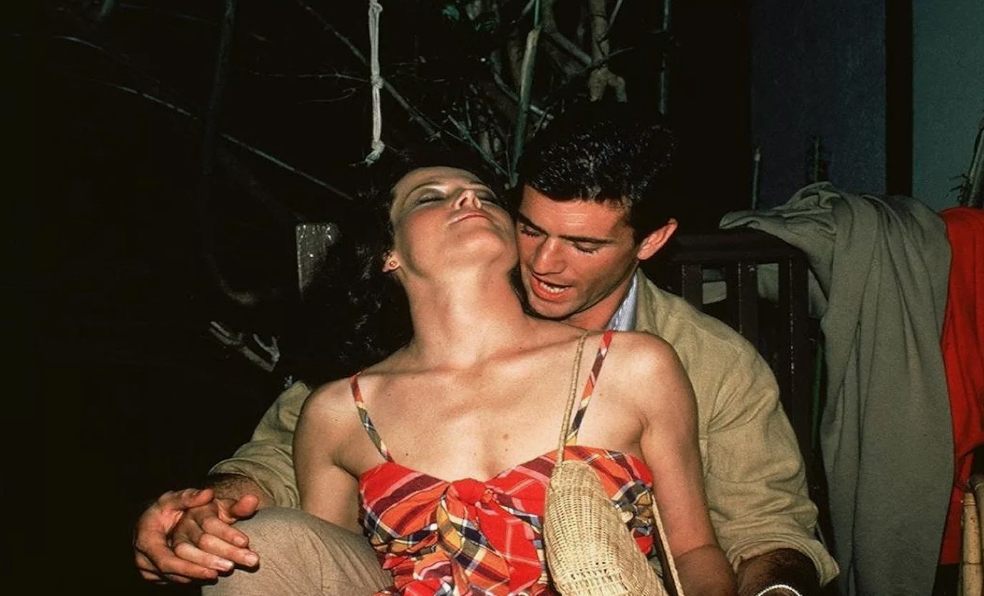
Then comes the inimitable Sigourney Weaver as Jill Bryant — a shrewd British diplomat who literally commands every frame she appears in. Weaver brings to the role a remarkable blend of composure, inner strength and vulnerability, although in less talented hands this character could easily have become a one-dimensional romantic interest. When Jill and Guy clash, the professional boundaries between them are not merely blurred — they vanish in a whirlwind of genuine passion. Weaver plays Jill with great vitality and conviction: she is a woman desperately trying to reconcile her professional duty with the terrifying realisation that she is falling in love with a man who is constantly heading towards danger.
As the political situation rapidly approaches a breaking point, the film finds its most gripping rhythm — the clash between ambition and intimacy. Guy’s ruthless pursuit of the scoop begins to clash painfully with Jill’s classified information and with his own awakening conscience. Weaver drives the characters into a agonising corner where the stakes are sky-high: they must choose between a career-defining story, their own physical safety and their loyalty to one another. It is a brilliant exploration of moral compromises under monstrous pressure, where every decision comes at a devastating cost.
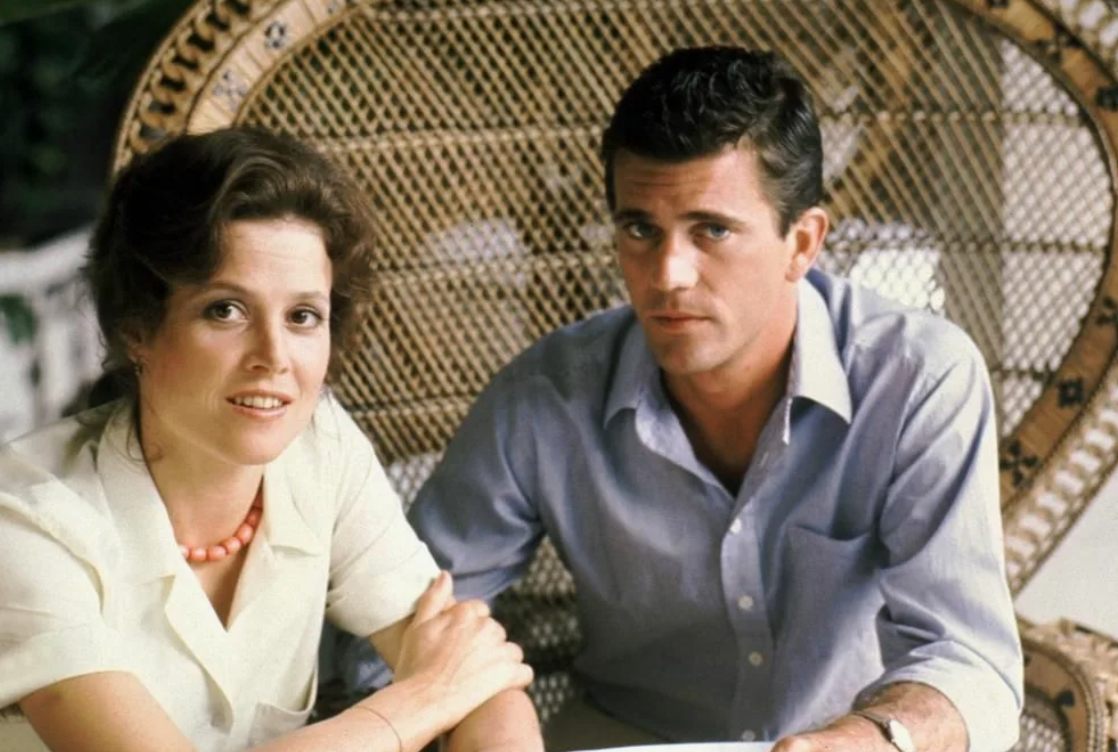
What keeps this film alive even decades later is not only the historical backdrop, but also the undeniable electric chemistry between Weaver and Gibson, upon which the entire cinematic journey rests. They transform a tense political drama into a beautiful, enduring classic about how love struggles to survive when the whole world is crumbling around it. It is a stunning demonstration of the power of both actors at the start of their illustrious careers, perfectly capturing a fleeting, perilous and unforgettable moment in time. If you haven’t seen this film yet, do yourself a favour: turn off the lights, find a copy and allow yourself to be swept away by the beautiful, unsettling danger of Peter Weir’s cinematic world.