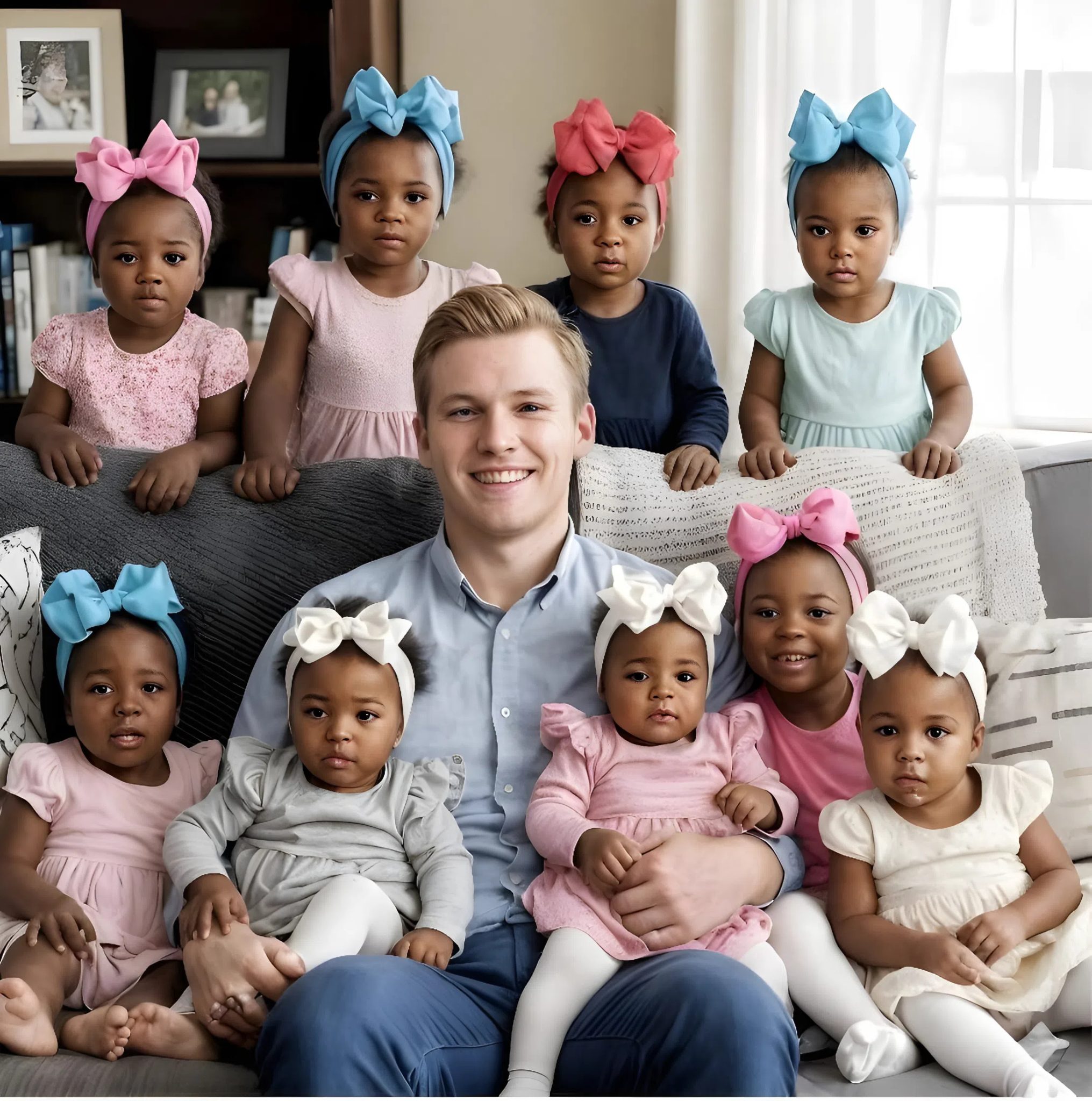
In 1979, Richard Miller’s life was divided into ‘before’ and ‘after.’ His wife Anna’s departure came suddenly and left the house with a deafening silence. The rooms where they had once discussed names for their future children and argued about the colour of the curtains now seemed too big and empty. Friends advised him to start over, but Richard was not ready. He kept returning to Anna’s last words, spoken quietly, almost in a whisper:
‘Don’t let love disappear with me. Find a new home for it.’
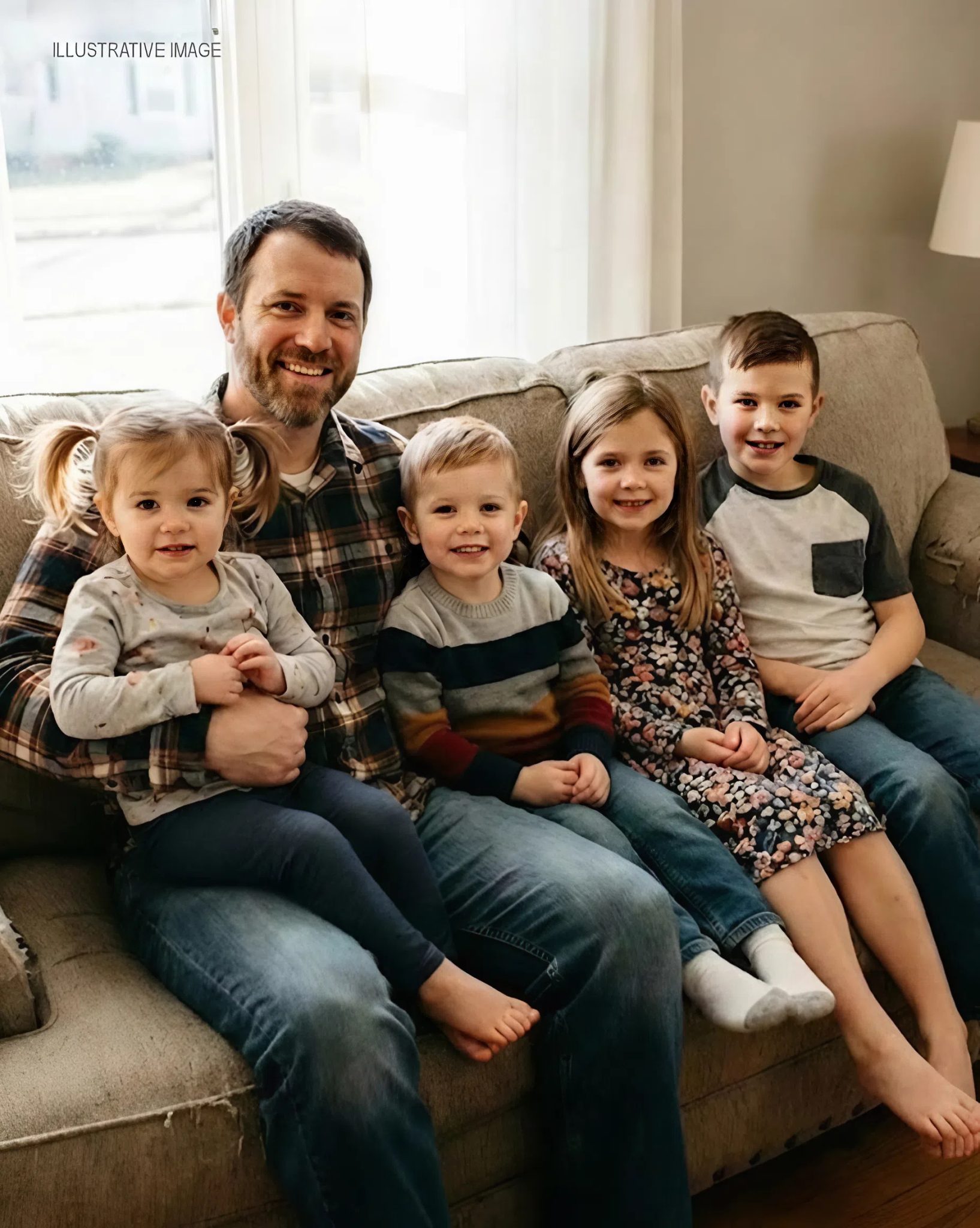
These words became his anchor. He continued to work, returning to the empty house in the evenings, repairing old things, as if hoping to hold on to the past. But one rainy autumn evening, fate seemed to push him to take a step forward. Lost because of a blocked road, Richard found himself at an old building with a sign that read ‘St. Mary’s Shelter.’
He wasn’t going to go in. But the loud cries of children coming from inside made him stop. Inside, he was greeted by the tired faces of the staff and a strange silence, broken only by a chorus of thin voices. In one room, nine cradles stood in a row. Nine newborn girls, left together, without explanation and without hope of being adopted soon.
The social worker explained that it would be almost impossible to find homes for them: there were too many, it was too complicated, too expensive. Most likely, they would be separated and sent to different institutions. Richard listened and felt something inside him tighten. He leaned over one of the cradles, then another, and suddenly realised he couldn’t leave.
‘I’ll take them all,’ he said, barely recognising his own voice. ‘Every single one.’
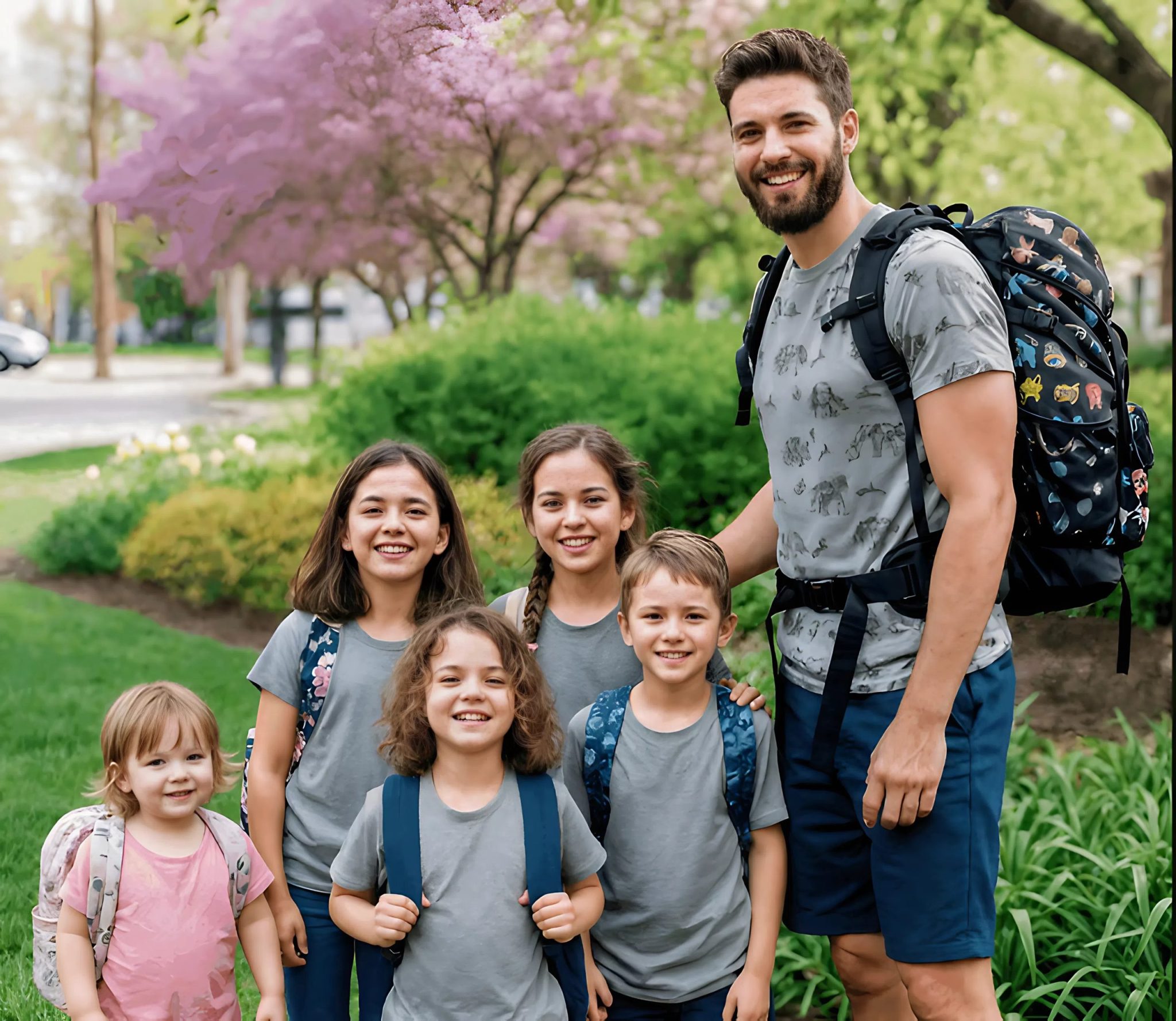
The words hung in the air. Some shook their heads, some sighed. They asked him about money, about help, about whether he understood what he was getting himself into. Richard understood only one thing: if he left now, he would betray not only these children, but also Anna.
Difficult years began. He sold his car, moved to a more modest house, and worked overtime. At night, he fed them, rocked them, learned to braid tiny pigtails, and burned himself on his first attempts at cooking baby food. The house was filled with sounds again — crying, laughter, first words. Each girl was special.
Sarah’s laughter was so infectious that even the hardest days became easier.
Naomi was mischievous and quick-witted from an early age.
Leah was quiet and surprisingly sensitive, as if she could sense the moods of others.
The other girls — so different, but equally loved — gradually became a close-knit family.
At first, the neighbours whispered, but then they started to help. Some brought clothes, others sat with the children. School became a new challenge, but the girls grew up confident, knowing that they always had a home to return to. Richard told them about Anna — not with sadness, but with warmth, as if she were part of their lives.
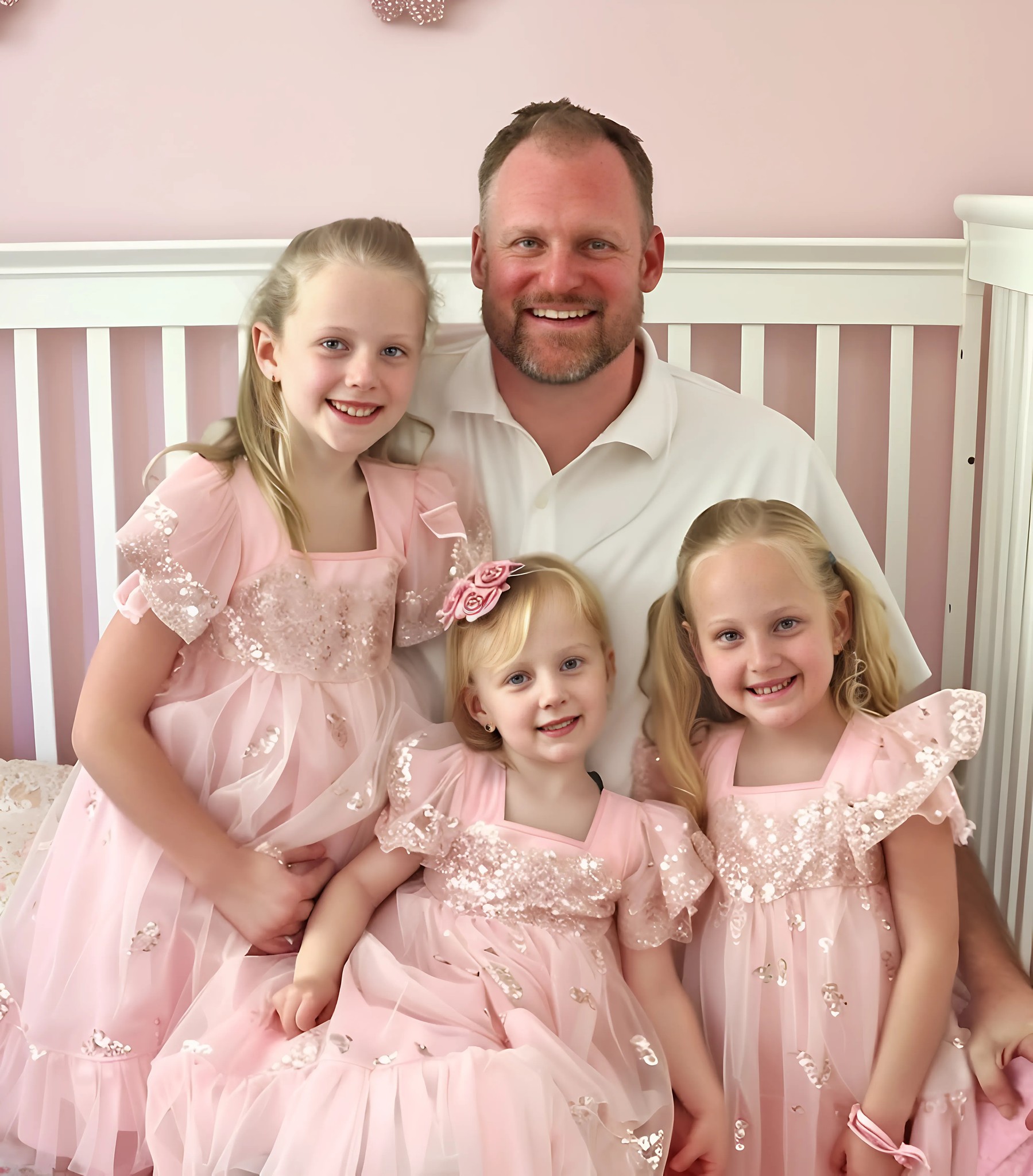
The years flew by. The girls graduated from school and chose their paths. One became a teacher, another a nurse, and the third a social worker. Some started families, others devoted themselves to helping other children. But they all regularly returned to the house where their story began.
In 2025, on a warm summer evening, Richard sat at a large table, surrounded by laughter and conversation. Around him were nine adult women, his daughters, and their children. On the wall hung a photograph of Anna, decorated with flowers. Richard raised his glass and, holding back tears, said:
‘I once doubted whether I could do it. But you became the best decision of my life.’
Sarah hugged him, Naomi winked, Leah quietly took his hand. At that moment, Richard realised that love had truly found a new home. And it was full.