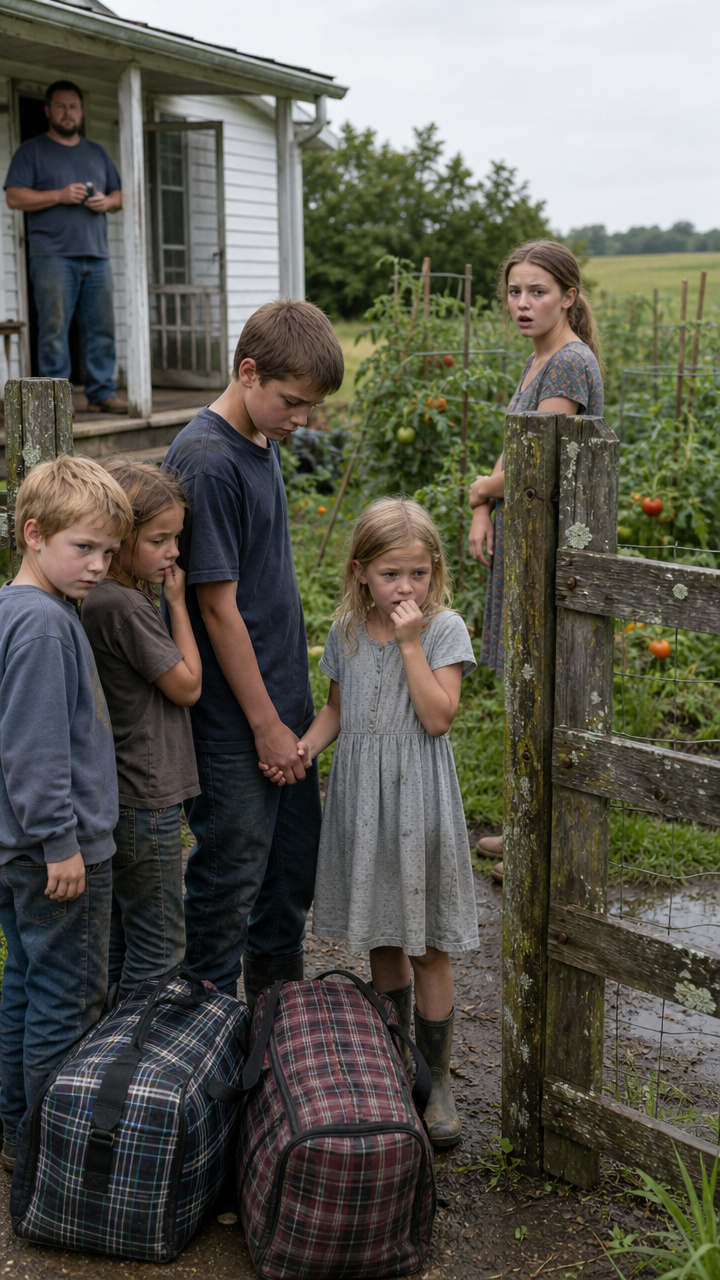
The farewell was awkward.
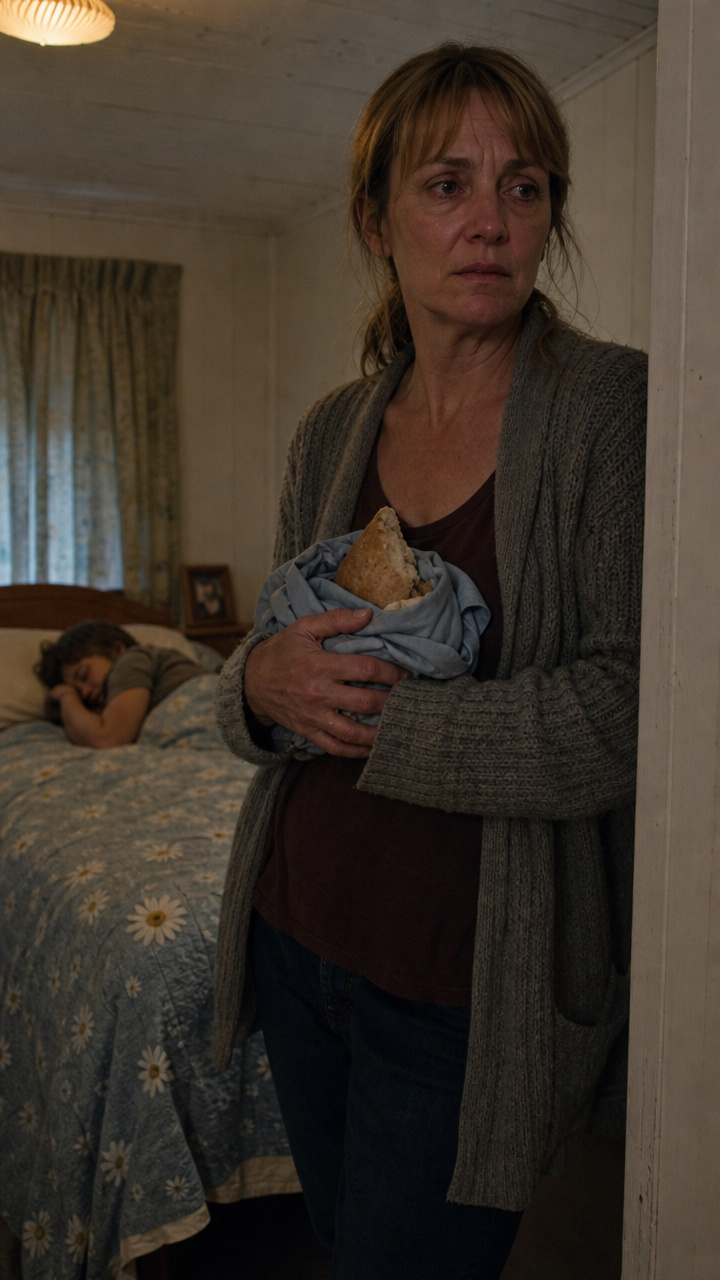
Diane led the way, her shoes striking loudly against the gravel. The children followed behind her.
When they had almost reached the turn in the road, Connor suddenly stopped, looked back, and ran toward the house.
He rushed to Arthur, threw his arms around the old man’s neck—awkwardly, like a boy, but with all his strength—and spoke into the collar of his shirt.
“I’ll come by myself next summer. I can take the train. We were going to finish the gazebo, remember?”
“The lumber is in the shed,” Arthur replied, placing one heavy hand on the boy’s shoulder. “The boards are dry. Come back.”
That evening, the house grew so quiet that the silence seemed to ring.
Margaret went into the kitchen to put the kettle on and suddenly stopped.
A wooden stork stood on the windowsill. It was slightly crooked, one wing shorter than the other, but carefully smoothed with sandpaper until the wood had become pale and soft.
Beneath it lay a sheet of graph paper folded into quarters.
“Grandpa Arthur, I worked it all out. There will be enough boards if we make the roof pitched. I’ll come in June.”
Margaret stood holding the note until the kettle began to whistle.
“Arthur,” she called into the hallway, her voice trembling for some reason. “Come here.”
He picked up the wooden bird, turned it toward the light, and ran a finger along its uneven wing.
“Well, look at that—a stork,” he said. “He chose the right bird. Storks always come back home, old girl. It’s in their nature.”
Outside, August mist rose above the orchard. The air smelled of ripe apples and dry wormwood. And for the first time in many years, the house that had so often seemed empty no longer felt empty at all.