Where the man had not abandoned problems and obligations, but had finally escaped into real happiness.
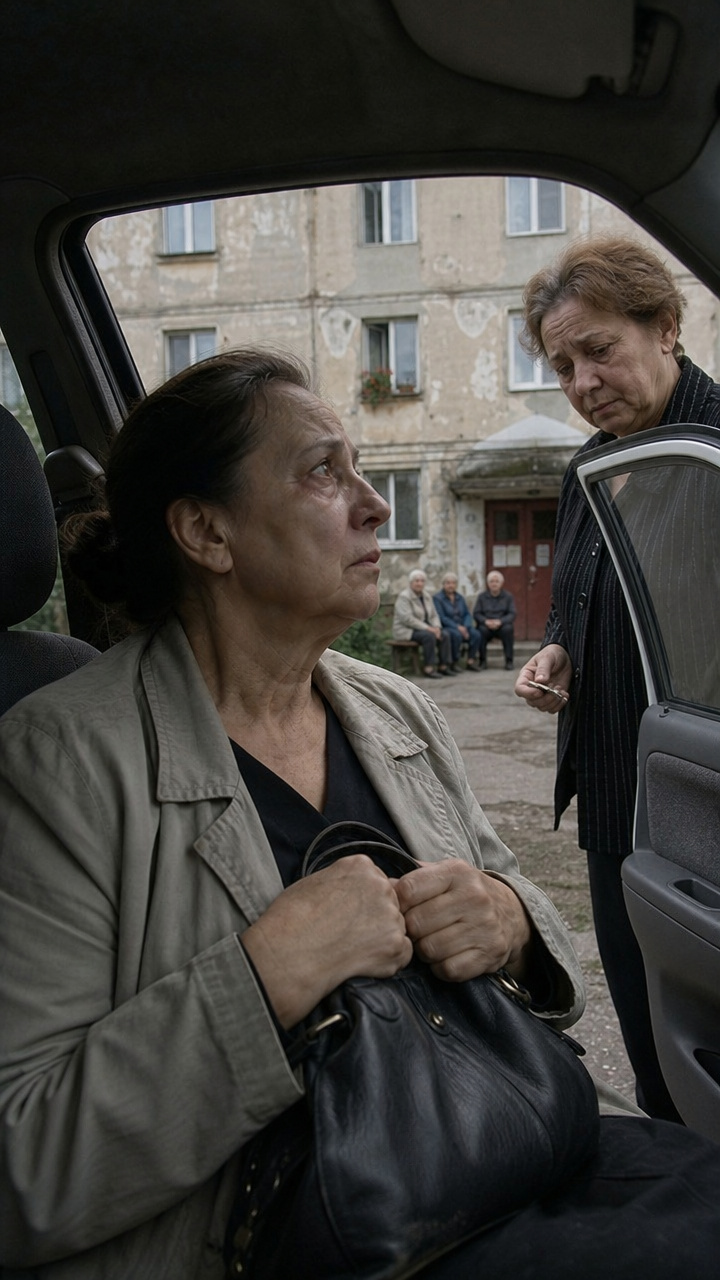
Margaret got out of the car.
For some reason, I followed her, even though I did not understand what I hoped to accomplish.
“Margaret… forgive me.”
She looked at me with tired eyes.
“Don’t ask that.”
“Why?”
“Because that forgiveness is something you need now. It won’t give me anything.”
I stood before her with my car keys in my hand and felt like a schoolgirl caught in a lie.
Her voice softened.
“I lived as best I could. Our daughter grew up. I cared for his mother until she died. Can you imagine that? She called me her daughter-in-law until her final day.”
Margaret paused.
“Daniel came about once a month. He brought money. He looked ashamed. Then he began coming less and less.”
She gave a small, bitter smile.
“He told me he was helping his former family. I never asked how much. He said things were difficult with his daughter and that I was turning her against him.”
I had never asked why the child was so angry.
Daniel had said:
“Margaret is strong. She’ll manage.”
I had believed him gladly.
Because if Margaret was strong and managing somehow, then I could remain happy without thinking about the price of that happiness.
She stopped near the entrance.
“You are not the only one who is guilty, Claire,” she said at last. “He is far more responsible than you are. But you weren’t blind. You simply preferred not to look.”
Then she went inside.
I returned to the car.
I sat there for about twenty minutes.
After that, I drove home.
For the first time in three decades, I looked at our family history not as a beautiful romance about great love, but as a house partly built from the ruins of someone else’s life.
Nothing at home had changed.
My kitchen.
My curtains.
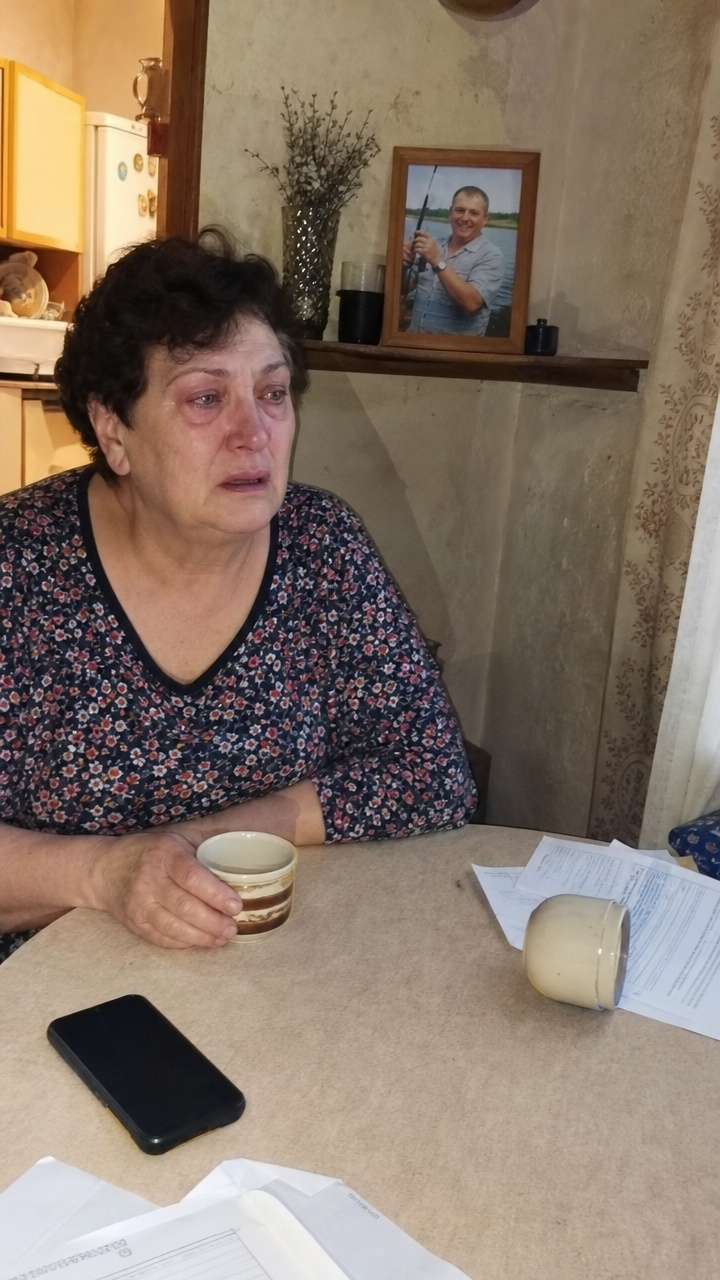
Daniel’s photograph on the shelf.
He was tanned in it, smiling, holding a fishing rod.
Before that day, whenever I looked at the picture, I thought:
“My husband. My love. My destiny.”
Now I looked at his face and asked myself a different question:
How many people had paid the price for him to become mine?
That evening, our son called.
“Mom, how are you?”
I almost gave my usual answer.
“Fine.”
But I couldn’t.
I told him I had met Margaret.
I told him she lived very modestly and that his older sister was disabled.
My son let out a heavy breath.
“Mom, why are you bringing all this up now? It happened a hundred years ago.”
What a convenient expression.
“A hundred years ago.”
As if time automatically erased consequences.
As if enough years passing meant that no one could still be hurt.
As if memory came with an expiration date.
I said:
“For her, it didn’t happen a hundred years ago.”
My son fell silent.
After that meeting, I began remembering the things I had worked so hard to avoid.
The times Daniel delayed sending support money, then bought me an expensive coat a few days later.
The vacation at the seaside when he explained that his daughter supposedly had no interest in traveling with us.
How irritated I had been by Margaret’s evening phone calls.
How I had once said:
“Maybe you should stop giving her extra money on top of the support. We have a child too, you know.”
I remembered the strange look Daniel gave me.
He had not answered.
Now I am ashamed.
And this is not the beautiful, literary kind of shame that comes before a character understands everything, changes, and becomes a better person.
This is real shame.
Late.
Sticky.
Completely useless.
I cannot give Margaret back thirty years.
I cannot return her daughter’s father to those years when she needed him most.
I cannot even offer myself a more honest version of the happiness I once had.
The only thing left for me to do is stop lying to myself now.
A week later, I found Margaret’s number.
For several minutes, I simply stared at the screen.
Then I wrote:
“Margaret, I won’t ask you to forgive me again. You were right: that would mostly ease my own conscience. But if your daughter ever needs help with doctors, treatment, or medicine, I am willing to help. No conditions. No expectations.”
She answered the next day.
Two words:
“I’ll think.”
That was all.
She might never write again.
She has every right not to.
After thirty years, I cannot enter her life with money and charity as though either could restore what was taken.
But I can no longer pretend that nothing happened.
The hardest part of the whole story is something else.
I truly loved Daniel.
I cannot call the life we shared a lie.
There was tenderness between us.
We had a son.
There were happy years.
There were evenings when we sat beside each other, he held my hand, and I felt like the luckiest woman in the world.
It was all real.
But now, beside every memory of our happiness, another image will always appear.
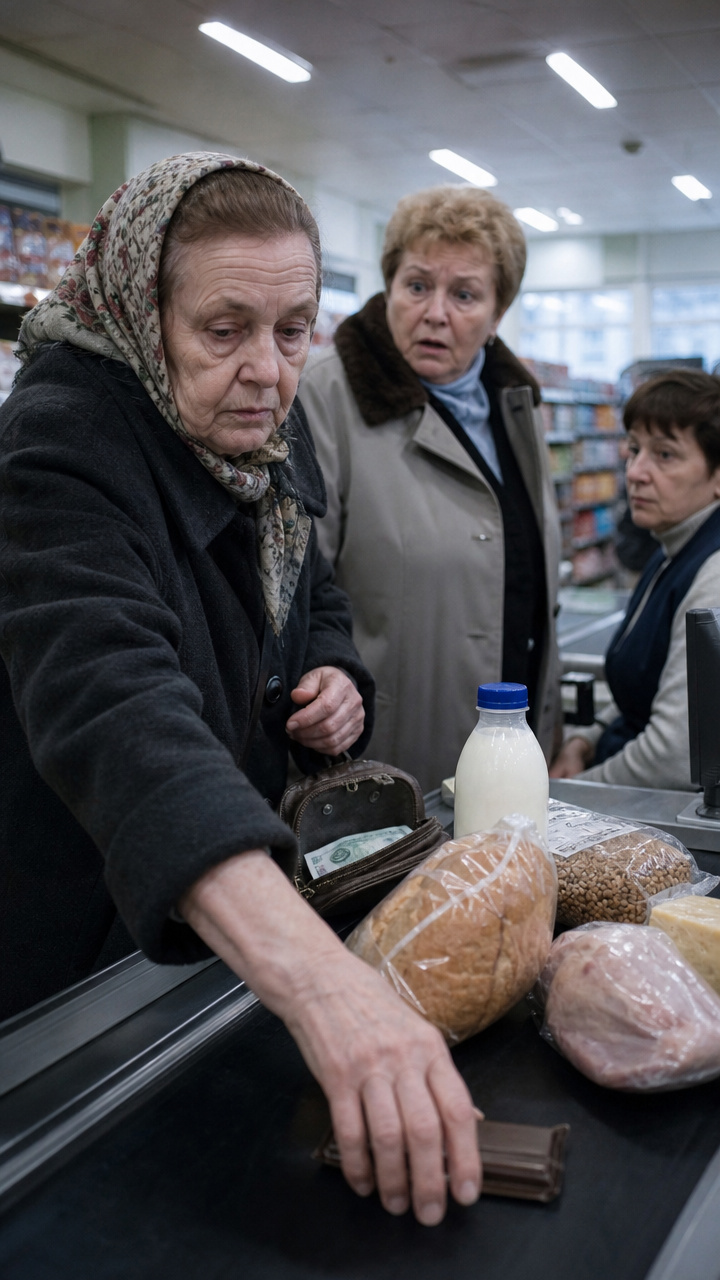
Margaret standing near the checkout.
Her dry hands.
The cheap cheese.
The packet of buckwheat.
The chocolate bar she returned because she did not have enough money.
I will never be able to erase that picture from my mind.
Perhaps this is what a true reckoning looks like.
No one has to come and take everything away from you.
Sometimes the punishment is simply this:
After many years, you are finally shown the full price of something you once received as if it had cost almost nothing.