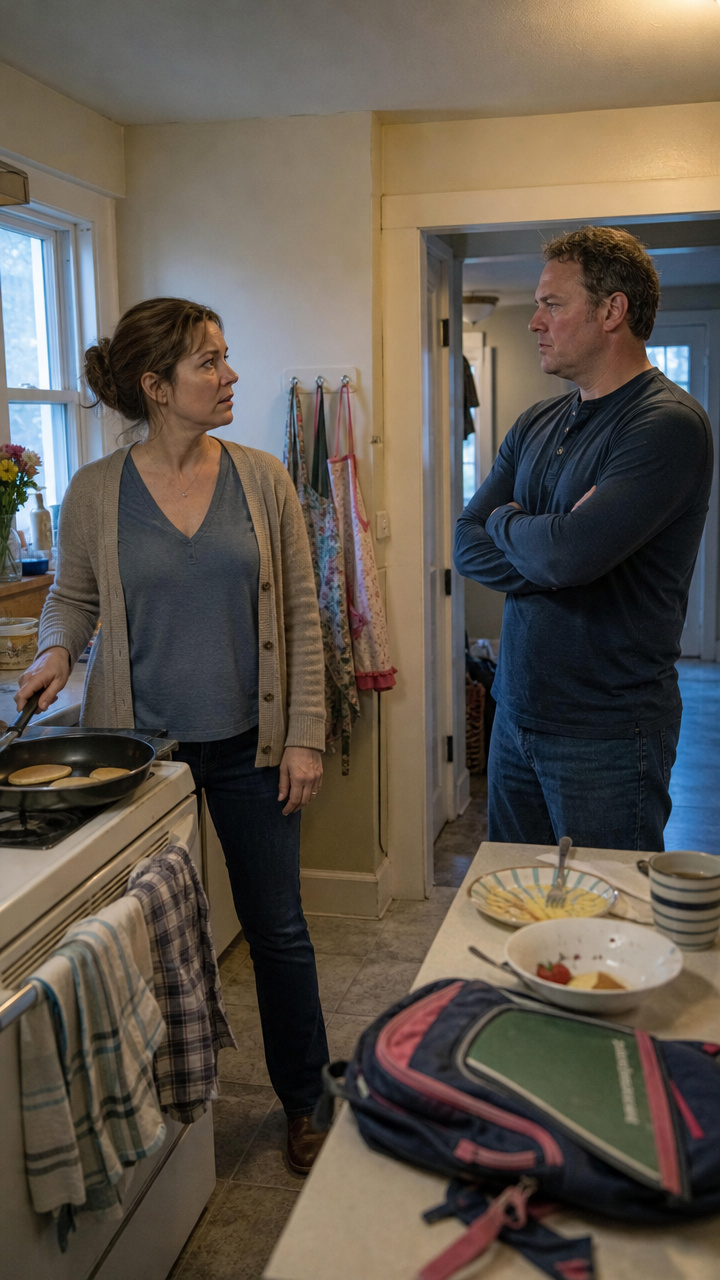
“Being a family means discussing important decisions with your wife instead of bringing home your mother’s decrees. You’ve confused the two. We lived as a family for ten years, until you decided to prove that you had backbone. Now I’m helping you do it properly. Take the pen and sign.”
Mark studied her. Something flickered in his eyes—perhaps respect, perhaps fear. Claire did not bother deciding which.
“You’re serious?”
“Were you joking?”
He picked up the pen and rolled it between his fingers several times. Then he sighed heavily and signed the document.
Claire gathered both folders, stood, and headed for the door.
“Claire,” Mark called after her.
She stopped and looked back.
“What am I supposed to tell Mom now?”
“Tell her you finally showed some backbone. I’m sure she’ll be proud of you,” Claire answered, and walked out.
That night, she could not fall asleep for a long time. She stared at the ceiling while Mark snored beside her, offended and noisy—like a child whose favorite toy had suddenly been taken away.
Claire wondered what she had actually expected. Had she imagined that one conversation would make him see everything clearly? That he would fall to his knees and say, You were right. Forgive me?
No. Nothing like that was going to happen.
Most likely, he would call his mother the next morning. Eleanor would say, I warned you. That woman doesn’t appreciate you. And Mark would believe her again, because trusting his mother was much easier than studying financial spreadsheets.
Still, something had changed. Not in Mark—in Claire.
Suddenly, she had stopped waiting.
She no longer hoped that her husband would understand, recognize everything she did, and somehow wake up one morning as the guitar-playing young man who had once looked at her with such love.
That young man was gone. In his place lay an adult who feared his mother’s disapproval far more than he feared losing his wife.
Claire turned onto her side and thought about the next day. She had a meeting at nine. She also needed to take Emily’s sports uniform to school.
Then she remembered that her salary for the current month was already sitting in her separate bank account—all of it, without the familiar division into “yours” and “mine” expenses.
The thought brought her a surprising sense of calm. It felt as though she had finally closed a door she had left open for years, allowing every cold draft to blow through the house.
Mark got up earlier than usual the next morning. Claire heard banging and rustling from the kitchen. When she came out of the bedroom, a plate of yesterday’s pancakes was waiting for her on the table, reheated in the microwave.
Beside it lay a short note.
I understand now. Let’s try again.
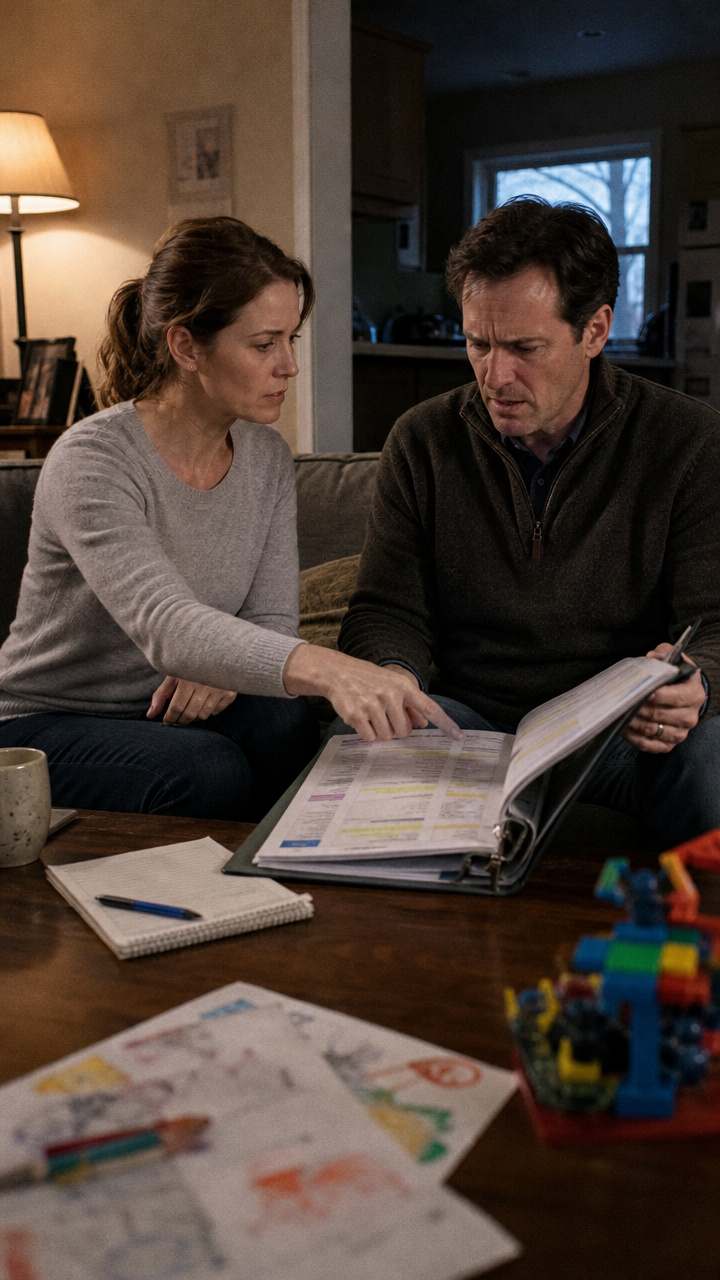
Claire read the message, crumpled the paper, and dropped it into the trash. Then she sat down and poured herself some mint tea.
Outside, the first snow of the year was falling slowly. It was quiet, unhurried, and strangely beautiful—the kind of snow that made a person want to keep living.
She did not know whether they would truly be able to start over. She was not sure Mark had the determination to stop calling his mother three times a day. She had no idea whether he would forget the phrase kept woman or use it again a month later, after his own spending money ran out.
But Claire knew one thing with absolute certainty: she would never again stand at the stove waiting for another royal decree.
Not from Mark. Not from his mother. Not from anyone.
That evening, Eleanor called.
Claire looked at the screen and answered.
“Claire, Mark told me about your little game with the separate budgets. Are you trying to destroy your family?”
“No,” Claire replied calmly. “I’m trying to save it—but on equal terms. You know, Eleanor, there is such a thing as a waiting room. It’s where passengers sit until their flight is ready.”
“I spent ten years in one. I waited for Mark to become an adult. I hoped you would stop interfering in our lives. I believed that one day I would finally be treated with respect.”
“But I’ve left that waiting room now. I have my own destination. If Mark wants to catch up, he can. If he doesn’t, I’ll continue without him.”
An angry hiss came through the phone. A second later, the line went dead. Eleanor had ended the call.
Claire smiled, placed the phone on the table, and went to put the children to bed.
Outside, the snow kept falling—quietly and without protest, covering everything unnecessary beneath a white blanket. There was something almost perfect about it, like a financial report in which the numbers finally balanced.
How would you have handled the situation if you were in Claire’s place?