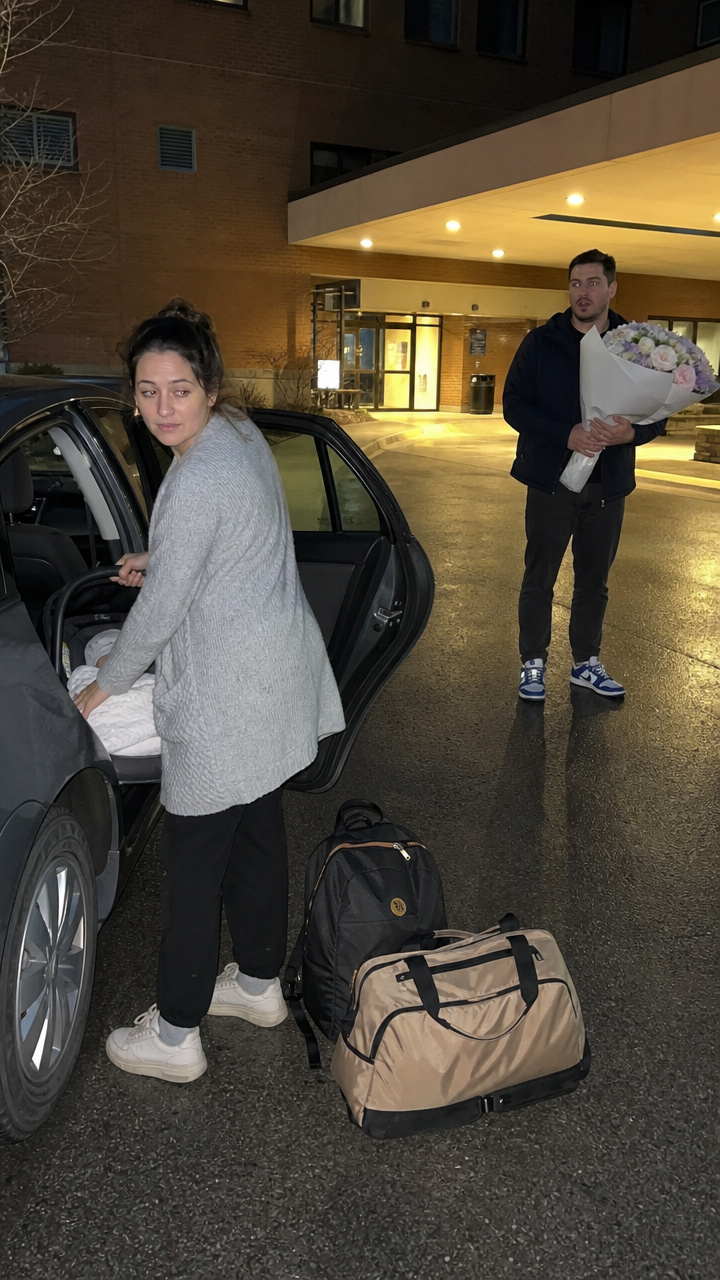
That I would get into his car and we would return to our old life.
He opened the passenger door.
“So, are we going home?”
I placed Lucy’s carrier on the back seat.
“To my mother’s.”
He froze.
“Stop putting on a show.”
“I’m not putting on a show.”
“Claire, we have a child.”
“Exactly.”
“You’re going to destroy our family over a few bank cards?”
I looked at him.
“Not over the cards.”
“Then over what?”
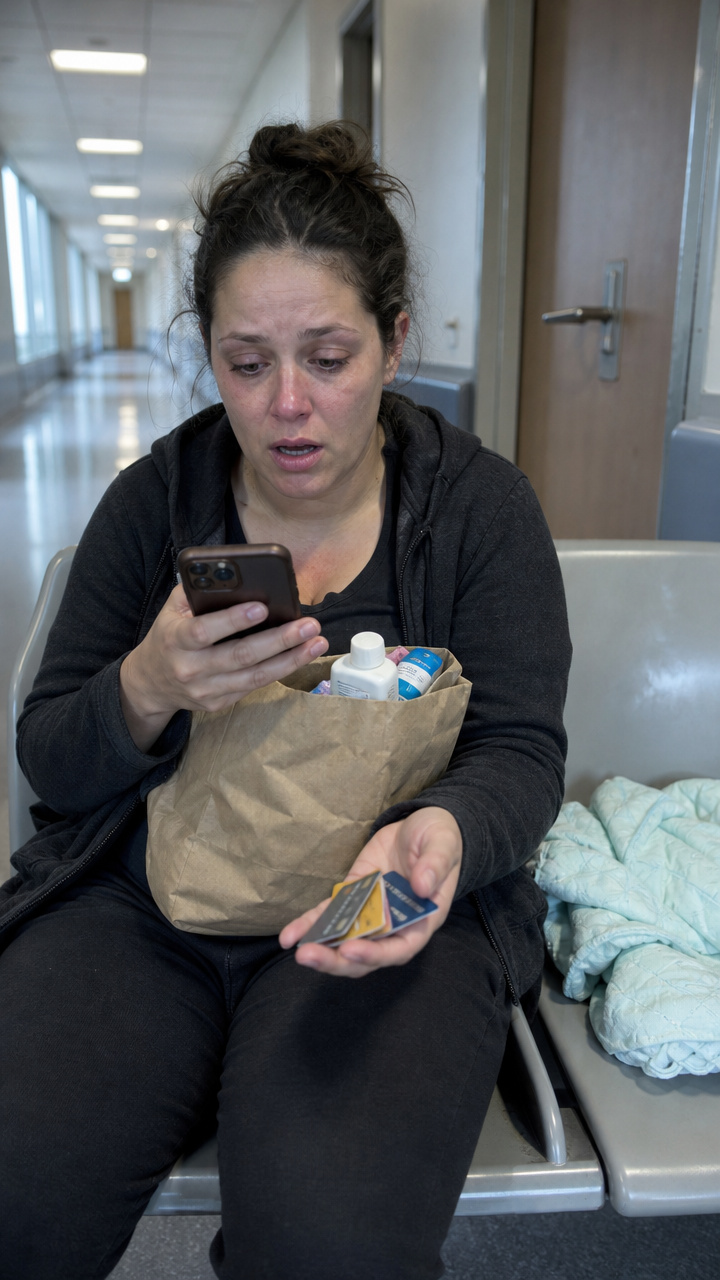
“Over the fact that you decided you had the right to press a button and leave me without money.”
“I’m your husband!”
“You were.”
The color drained from his face.
“What did you say?”
“Drive to my mother’s, Daniel.”
He was silent the entire way.
When we reached the building, he didn’t even get out to help with my bag.
Once, I would have cried.
This time, I simply took note of it.
Two weeks later, the divorce papers arrived.
Daniel called me, shouting.
“You filed for divorce?”
“Yes.”
“Over three cards?”
“I already answered that.”
“Do you even realize you’ll end up with nothing?”
I looked at the blue folder on the table.
“No, Daniel.”
“What do you mean, no?”
“I understand exactly the opposite. I understand this situation better than you do.”
He began talking about the apartment.
About how he had paid for everything.
About how I had contributed almost nothing.
I let him finish.
Then I said:
“I have statements for every month.”
He stopped speaking.
“All of my transfers.”
The silence grew heavier.
“And the apartment payments too.”
He wasn’t shouting anymore.
“You kept all of this?”
“No.”
I stroked Lucy’s head.
“The bank kept it. I only saved the records.”
When the property division began, Daniel saw me differently for the first time.
Not as his wife.
As a professional.
Documents covered the table.
Payments.
Income records.
Statements.
Dates.
Amounts.
He tried to argue that he had supported the family.
The numbers told another story.
Numbers did not care who had called himself the head of the household.
In the end, we divorced.
The property was divided.
Lucy stayed with me.
Daniel was ordered to pay child support.
After the hearing, he caught up with me in the hallway.
“Are you satisfied?”
I turned around.
“With what?”
“You won.”
I looked at him.
“You still think this was a war.”
“What else was it?”
I adjusted the blanket over Lucy’s stroller.
“An exit.”
Then I kept walking.
Several months later, I returned to work.
I was offered a promotion.
On the evening my first increased paycheck arrived, I sat beside Lucy’s crib.
A notification appeared.
Deposit received.
I opened the banking app.
My entire salary was there.
No one could decide how much of it I was “allowed” to keep.
No one asked why I needed face cream.
Why I had taken a cab.
How much the baby’s food cost.
I could spend it.
Save it.
Buy my mother a gift.
Open a savings account for Lucy.
That was exactly what I did.
I transferred a small amount to my daughter.
In the description, I wrote:
“For the freedom to choose.”
My mother, standing behind me, read it.
“Unusual name for a savings deposit.”
I smiled.
“The right one.”
That summer, Lucy and I moved into a small apartment.
It wasn’t as spacious as the old one.
There was no expensive kitchen.
No enormous television.
But the keys to it rested in my purse.
One evening, after Lucy fell asleep in my arms, I walked over to the window.
On the sill stood a geranium my mother had brought from her house.
In the spring, it had looked almost dead.
Dry stems.
A few pale leaves.
My mother had trimmed it, repotted it, and told me:
“Give it time.”
Now it was blooming.
I touched one of the flowers.
My phone lay beside the pot.
The banking app was still open.
Once, I had believed freedom looked like a large number in a bank account.
Now I knew better.
Freedom is not having to ask permission to use what belongs to you.
It is when love doesn’t hand you an allowance.
When care doesn’t block your card on the day you have just become a mother.
When the word “family” means safety instead of control.
Lucy stirred in her sleep and tightened her fingers around mine.
I looked at her tiny hand.
One day, she would grow up.
And perhaps she would ask:
“Mom, why did you and Dad get divorced?”
I would never tell her that everything began with a blocked card.
Because it had started much earlier.
With every moment I allowed someone else to make my decisions for me.
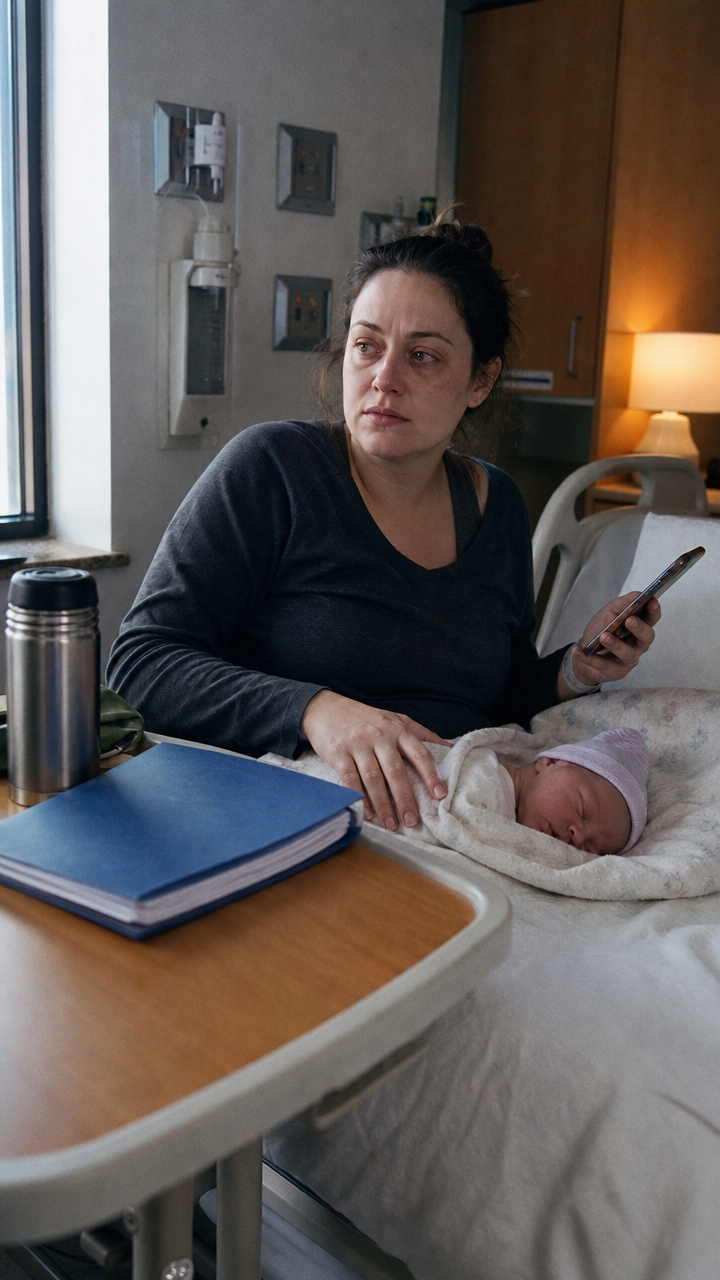
And it ended on a cold hospital bench, when I stopped asking:
“What will my husband say?”
And finally asked myself:
“What kind of life do I want for my daughter?”
The answer was simple.
A life in which she would never have to prove that she had the right to control her own future.
I turned off my phone.
Outside, the summer sky slowly darkened.
The geranium bloomed on the windowsill.
My daughter slept in my arms.
And suddenly, I understood something.
Daniel had once taken away my access to money.
Without realizing it, he had given me back access to myself.