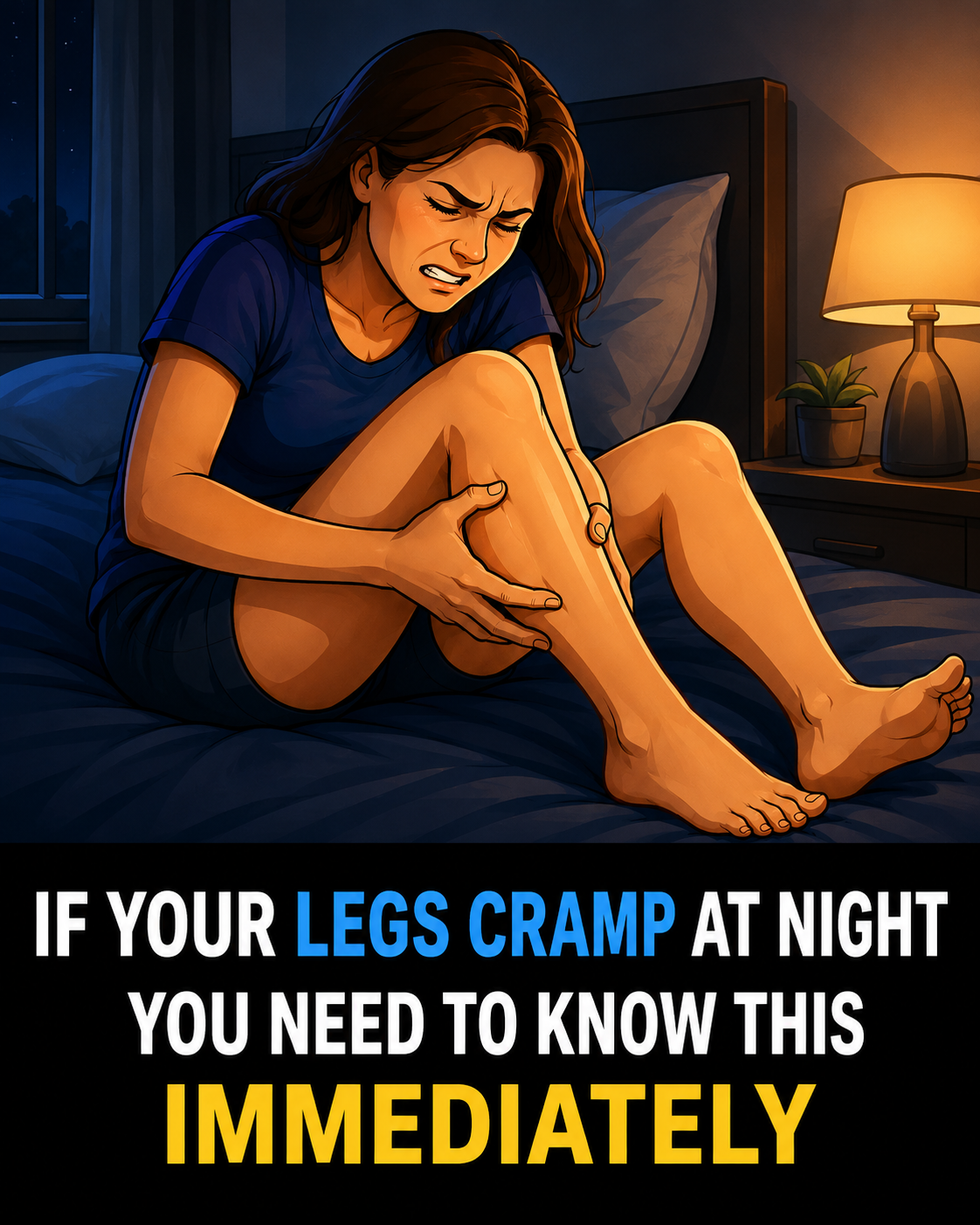
Night-time leg cramps are a common but extremely unpleasant problem faced by millions of people worldwide. These sudden, involuntary muscle contractions can cause sharp pain and severe discomfort, often disrupting a good night’s sleep. If you regularly suffer from leg cramps at night, it is vital to understand the causes, the potential health implications, and effective ways to prevent and alleviate the condition.
One of the most common causes of night-time cramps is dehydration. When the body lacks fluids, muscles become more susceptible to spasms and involuntary contractions. This is particularly true for people who are actively involved in sport or live in hot climates, where the body loses large amounts of fluid through sweating. Drinking enough water regularly throughout the day helps maintain normal hydration levels and reduces the likelihood of cramps.
Another important factor is an imbalance in the body’s electrolytes. Minerals such as potassium, calcium, magnesium and sodium play a key role in the proper functioning of the muscular system. If there is a deficiency or an imbalance in these minerals, the muscles may contract abnormally, causing painful spasms. People who follow strict diets, take certain medications or suffer from kidney disease are more prone to such problems. A balanced diet, including fruit, vegetables, dairy products and nuts, helps maintain optimal electrolyte levels.
Poor circulation can also cause night-time leg cramps. Insufficient blood flow to the lower limbs means that muscle tissue receives less oxygen and nutrients, which triggers spasms. Conditions such as peripheral artery disease, as well as prolonged sitting without moving, can impair blood circulation. Regular physical activity, elevating the legs whilst resting, and avoiding prolonged periods of sitting help to improve blood flow and reduce the frequency of cramps.
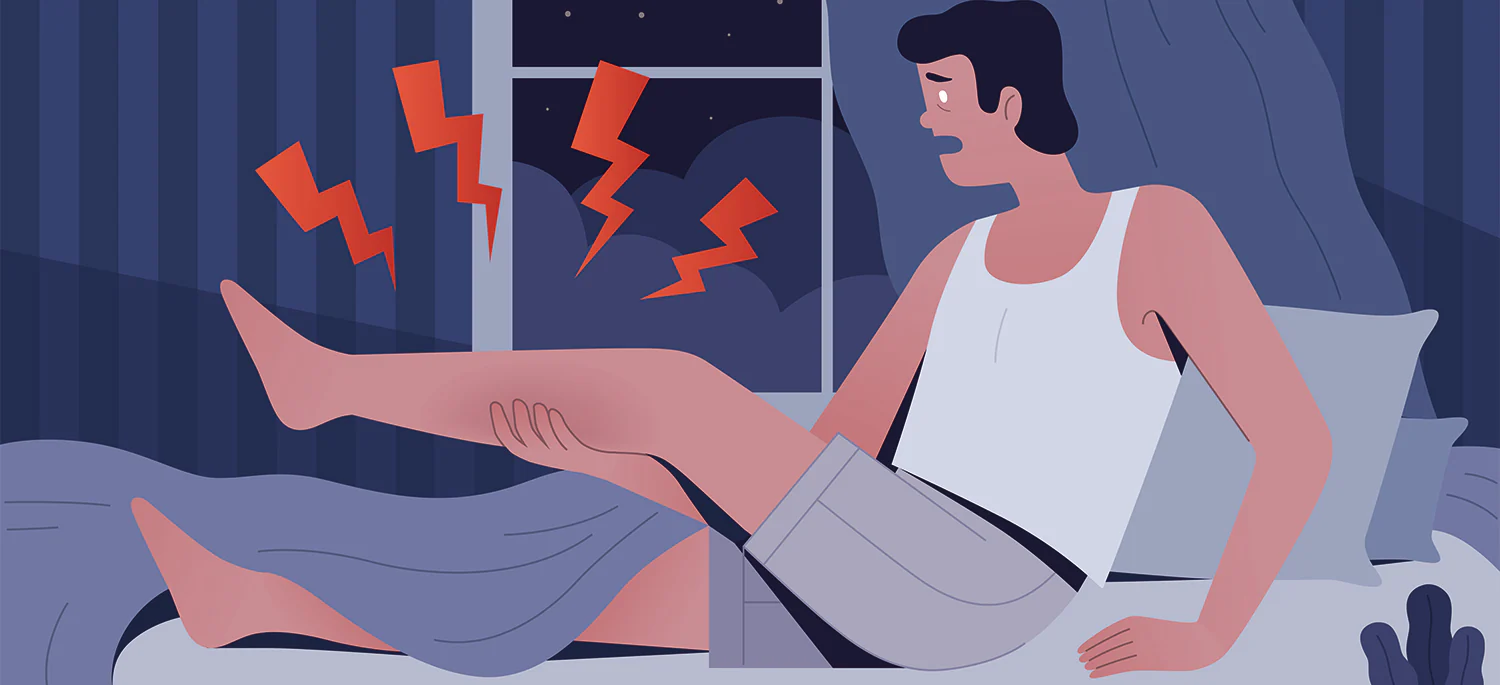
Sometimes leg cramps can be a sign of underlying medical conditions, including pinched nerves, diabetes or thyroid disorders. If the cramps become severe, occur too frequently or are accompanied by symptoms such as swelling, numbness or weakness, you should consult a doctor. Timely diagnosis and appropriate treatment will help address the root cause of the problem and prevent potential complications.
Methods for preventing and relieving night-time cramps include light stretching before bed, muscle massage, and the use of heat or cold. Stretching helps to relax tense muscles and improves their elasticity, reducing the likelihood of cramps. Massage helps to improve blood circulation and reduces muscle tension. A warm towel or hot water bottle helps to relax the muscles, whilst cold compresses reduce inflammation and soreness if discomfort persists after a cramp.
Furthermore, it is extremely important to maintain a healthy lifestyle, including regular physical activity, a balanced diet and adequate fluid intake. It is also recommended to limit alcohol and caffeine intake, as these can exacerbate dehydration and disrupt the body’s electrolyte balance.
To sum up, it can be said that night-time leg cramps are most often caused by dehydration, a lack of electrolytes, poor circulation, or certain medical conditions. Understanding the causes of this problem and taking simple preventive measures — such as eating a balanced diet, staying hydrated, exercising and stretching — can significantly reduce the frequency and severity of cramps. If the problem persists or worsens, it is important to seek medical advice in good time to find the right treatment and maintain your health. By taking care of your body in advance, you can improve the quality of your sleep and wake up feeling refreshed, rested and pain-free.