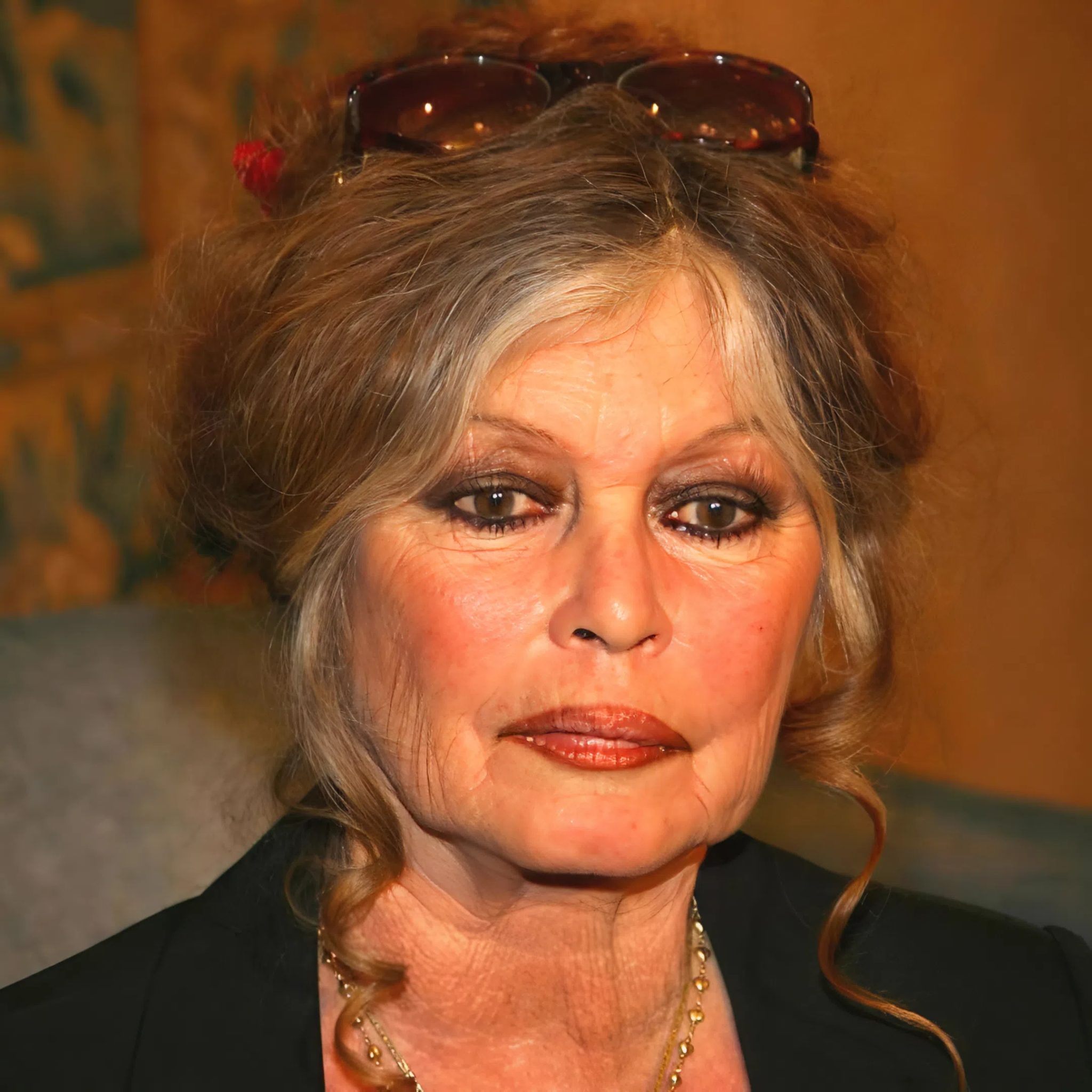
The passing of the French cinema legend once again brought to mind the most painful chapter of her life — her breakup with her only child, whom she was never able to accept.
Brigitte Bardot died at the age of 91 after being hospitalised in Toulon, leaving behind not only an iconic cinematic legacy, but also a difficult family history that never had a happy ending. The Daily Mail writes about this.
The actress gave birth to her son, Nicolas-Jacques Charrier, in 1960 while married to actor Jacques Charrier, her co-star in the film Babette Goes to War. Even then, Bardot openly said that pregnancy was a personal disaster for her and that motherhood was imposed on her against her will.
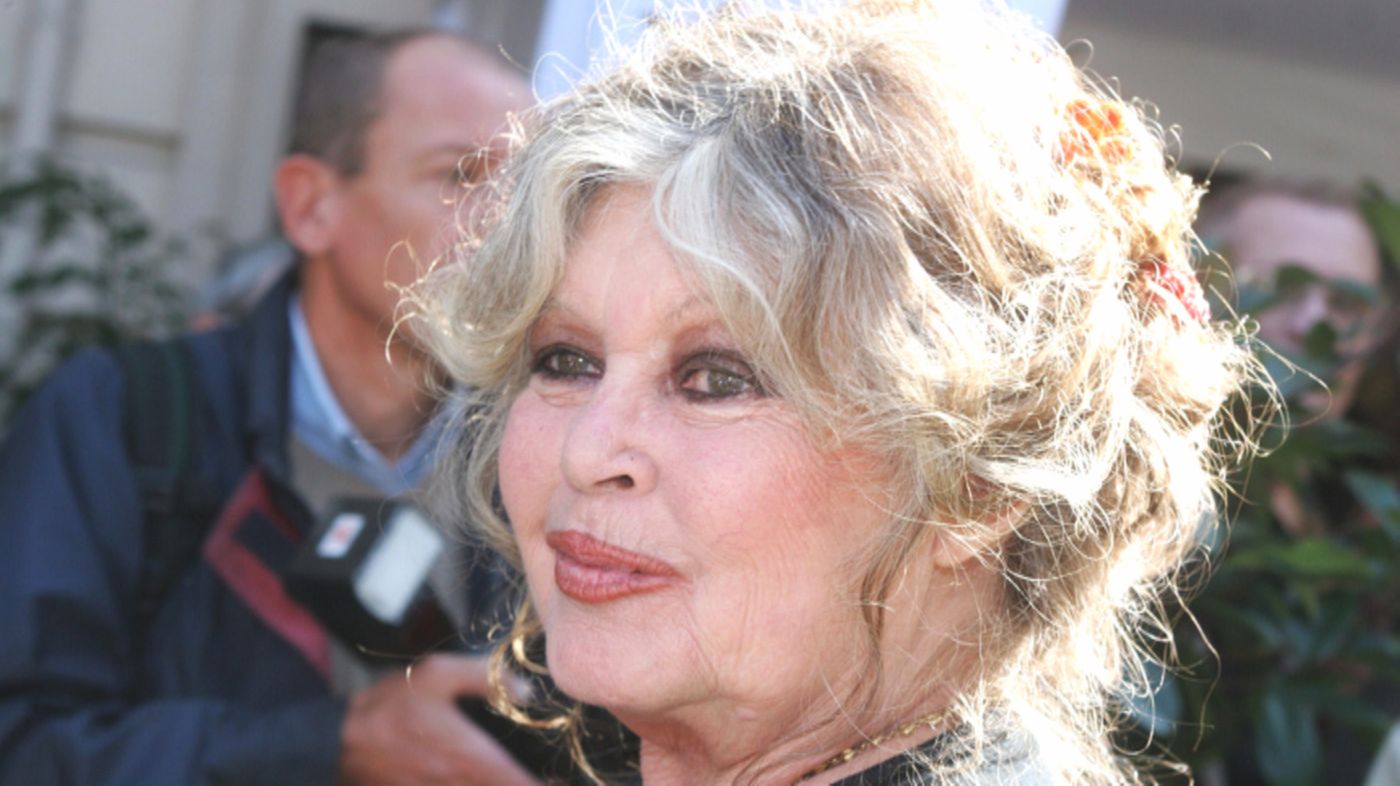
In her memoirs, she admitted that she perceived what was happening as a loss of freedom and her former body, comparing the expectation of a child with saying goodbye to herself.
In 1996, Brigitte Bardot published an autobiography entitled Initials B.B., which instantly caused a storm of indignation. In the book, the actress returned to the topic of pregnancy and motherhood without mincing words, openly stating that she never felt warm feelings towards her child.
One of her statements — that she would have preferred to ‘give birth to a dog rather than a child’ — instantly spread through the world media and became a symbol of scandal.
The reaction was immediate: Nicolas-Jacques Charrière and his father Jacques Charrière considered such revelations to be a gross invasion of their privacy. They took the matter to court and won, receiving substantial financial compensation from the actress.
Divorce, breakup and years of silence
After her divorce from Jacques Charrier in 1962, the relationship between Brigitte Bardot and Nicolas-Jacques effectively ended. The actress’s harsh public statements only exacerbated the conflict, and her son disappeared from her life for decades.
Eventually, the case went to court: Nicolas-Jacques sued his mother for defamatory statements and non-payment of alimony. These lawsuits finally cemented the estrangement and made reconciliation virtually impossible.
The promise that became the last
Only in the last years of her life did Bardot soften her tone. In an interview with the French press, she said that she had promised Nicolas-Jacques never to mention him in public conversations again. This admission was a rare gesture of respect for a man with whom she never restored her closeness.
In fact, this promise turned out to be her last word about her son — and the only step towards reconciliation that she was willing to take.
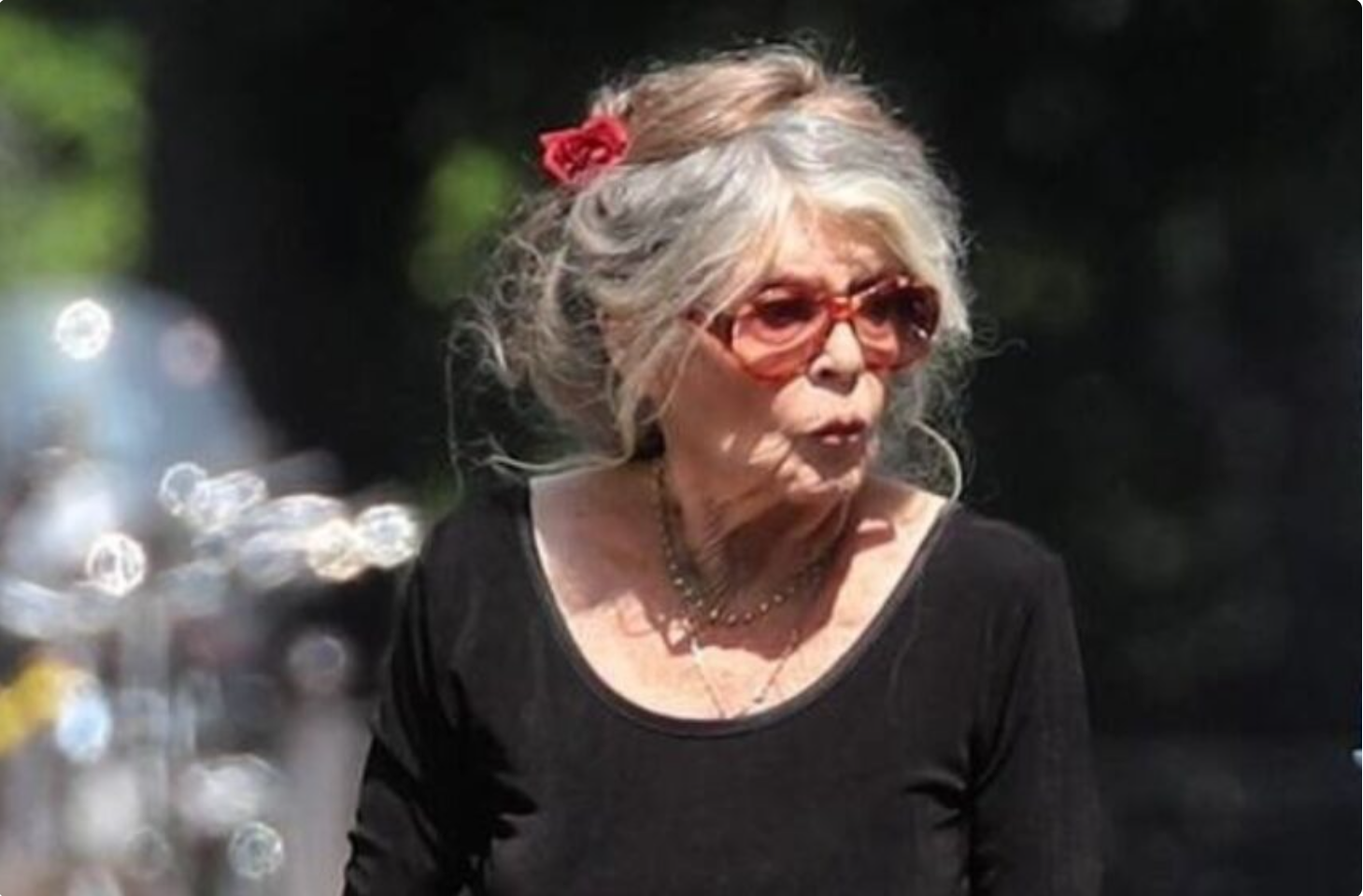
Her son’s life away from fame
While Brigitte Bardot remained a global figure, Nicolas-Jacques Charrière consciously chose a different path. Today, he is 65 years old, a successful businessman and co-founder of the children’s brand Choupette, which he created together with his wife, Norwegian model Ann-Lynn Bjørkan.
The couple had two daughters, Teya and Anna, and later became grandparents to three children. Bardot herself admitted that she had grandchildren and great-grandchildren whom she rarely saw and who did not speak French — further confirmation of the definitive distance between them.
Final years and loneliness
In the last months of her life, Brigitte Bardot was seriously ill and was repeatedly hospitalised. In the autumn, she even had to personally deny rumours of her own death after fake reports appeared on social media.
After three weeks of treatment, she returned to her home in Saint-Tropez, where she led a secluded life. Having ended her acting career in 1973, Bardot devoted herself entirely to animal rights, becoming one of Europe’s most recognisable animal rights activists.
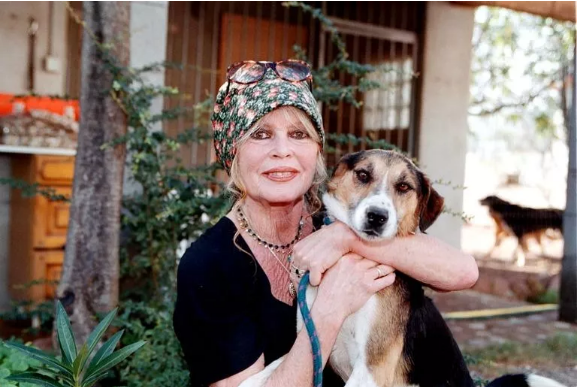
A legacy without reconciliation
Despite her worldwide fame, high-profile romances, four marriages and decades of public attention, Brigitte Bardot’s most personal drama remained unresolved. Her last promise to her son — to remain silent — became a symbol of late repentance, but not of true reconciliation.
Bardot’s story ended as controversially as her whole life: between legend and loneliness, between love for all living things and the inability to accept her own motherhood.