
I took a photo of my daughter whilst she was asleep and sent it to my wife. Within a minute, she called me, sobbing. At first, I didn’t understand what was wrong. Then I looked more closely at the photo myself.
I’m fifty-six. I’ve spent almost my entire life working on the railways—as a train driver. My hands still remember every lever, and my eyes every stretch of track. Over the years, I’ve got used to noticing things others miss: a crack in a rail, a barely visible signal, a danger that’s just about to materialise. But it turned out that in my own home, I hadn’t seen the most important thing.
Nina and I have been together for thirty-one years now. She works in the school canteen. She’s petite, lively, quick on her feet, and always smells of baking, dough and a hint of cinnamon. I fell in love with her when I was young — with her laughter, her light-heartedness, the way I wanted to live by her side. And, to be honest, I still do.
Our daughter Alena is a late child. Nina gave birth to her at thirty-eight, even though the doctors tried to talk her out of it. But all she said at the time was: ‘This is my child, I already love her.’ Alena is nineteen now. She’s in her first year at university, lives in a hall of residence and comes home at the weekends. For Nina and me, these visits are like a little celebration.
In the autumn, in October, Alena came home for a ten-day break. Nina had prepared her favourite dishes in advance and stocked the fridge, and I took a few days off work. Everything was as usual. Almost. Only Alena herself was not at all the same as before.
She used to burst into the house laughing, turn on the music, video chat with her friends, make a racket, argue, and slam the door to her room. But now the flat seemed to have been taken over by silence. She hardly ever went out, sat behind a closed door, came in silently at dinnertime, picked at her food and stared down at the floor the whole time. When Nina cautiously asked if everything was alright, she simply replied:
‘Everything’s fine, Mum. I’m just tired.’
Tired. At nineteen.
For some reason, I was the first to feel alarmed. Alena always wore T-shirts, vests, whatever was comfortable at home. But this time she was always in long-sleeved clothes. A jumper, a cardigan, a hoodie — even when it was hot in the house. Nina and I explained it away however we could: fashion, a cold, habit. Just not the right way.
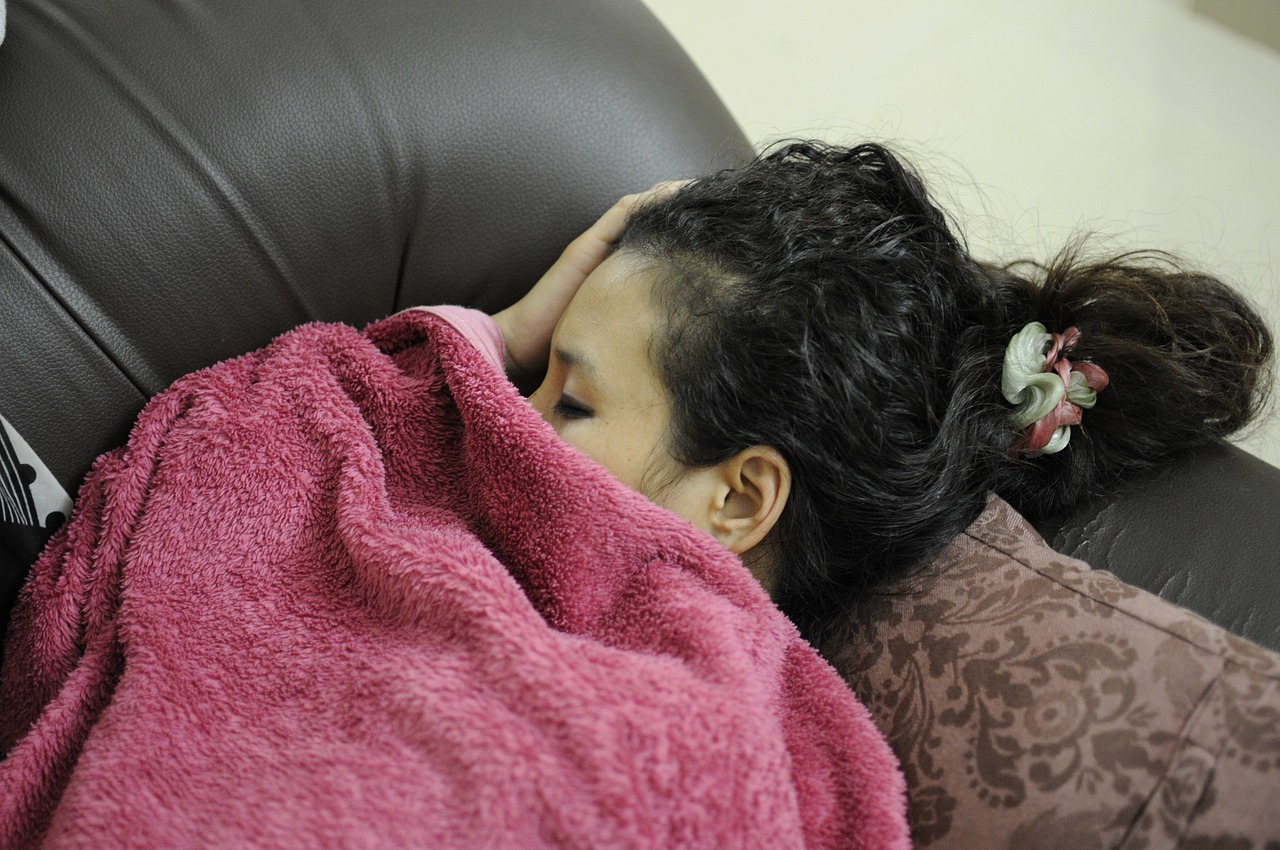
On the third day, I popped in in the morning to call her for breakfast. She was asleep, curled up in a ball, as if trying to protect herself from something invisible. She had her arms wrapped around her shoulders, and lying beside her was an old teddy bear — the very one I’d once given her for her fifth birthday. She’d taken it out of the wardrobe. At nineteen.
I found it touching. I smiled, took a photo and sent it to Nina at work. I captioned it: ‘Look, she’s sleeping like a little girl. She’s even hugged the teddy bear close.’

My wife called back almost immediately. She was crying so hard that at first I couldn’t make out a single word. Then, through her tears, I heard:
‘Look closely… the sleeve… zoom in on the photo…’
I zoomed in on the picture
At first, I didn’t know where to look. Everything looked normal: my sleeping daughter, her hair spread across the pillow, a teddy bear in her arms, the soft morning light. A warm, almost cosy scene. But Nina wouldn’t have been crying for no reason. So I really had missed something.
I zoomed in even closer.
And at that moment, my hands literally went cold. The phone slipped out of my grasp and hit the floor. I picked it up and looked again.
The sleeve of her grey jumper had slipped down slightly. Just a little – a couple of centimetres. But that turned out to be enough.
There were lines on her forearm. Several thin, even, already faded scars. Pinkish, parallel, too neat to be a coincidence. A stranger would probably have thought they were scratches. But I realised straight away that wasn’t the case.
I slowly sank to the floor right there in the hallway and leaned against the wall. I am fifty-six years old. I have driven multi-tonne trains through blizzards, through fog, in emergency situations. I was afraid of neither my superiors, nor sleepless nights, nor icy tracks. But at that moment, I was more terrified than I had ever been.
I looked at that photo and saw more than just my daughter’s hand. I saw myself.

There she is, sitting in the kitchen, saying quietly, ‘I’m fine,’ and I nod and switch on the telly. There she is, hiding behind a closed door, and I think, ‘She’s young; she needs her space.’ There she is, wearing long sleeves even in the heat, and I convince myself it’s nothing to worry about.
All my life I’ve been used to looking far ahead—at the road, the signals, the tracks, the horizon. But I failed to notice the trouble brewing right under my nose, in my own flat.