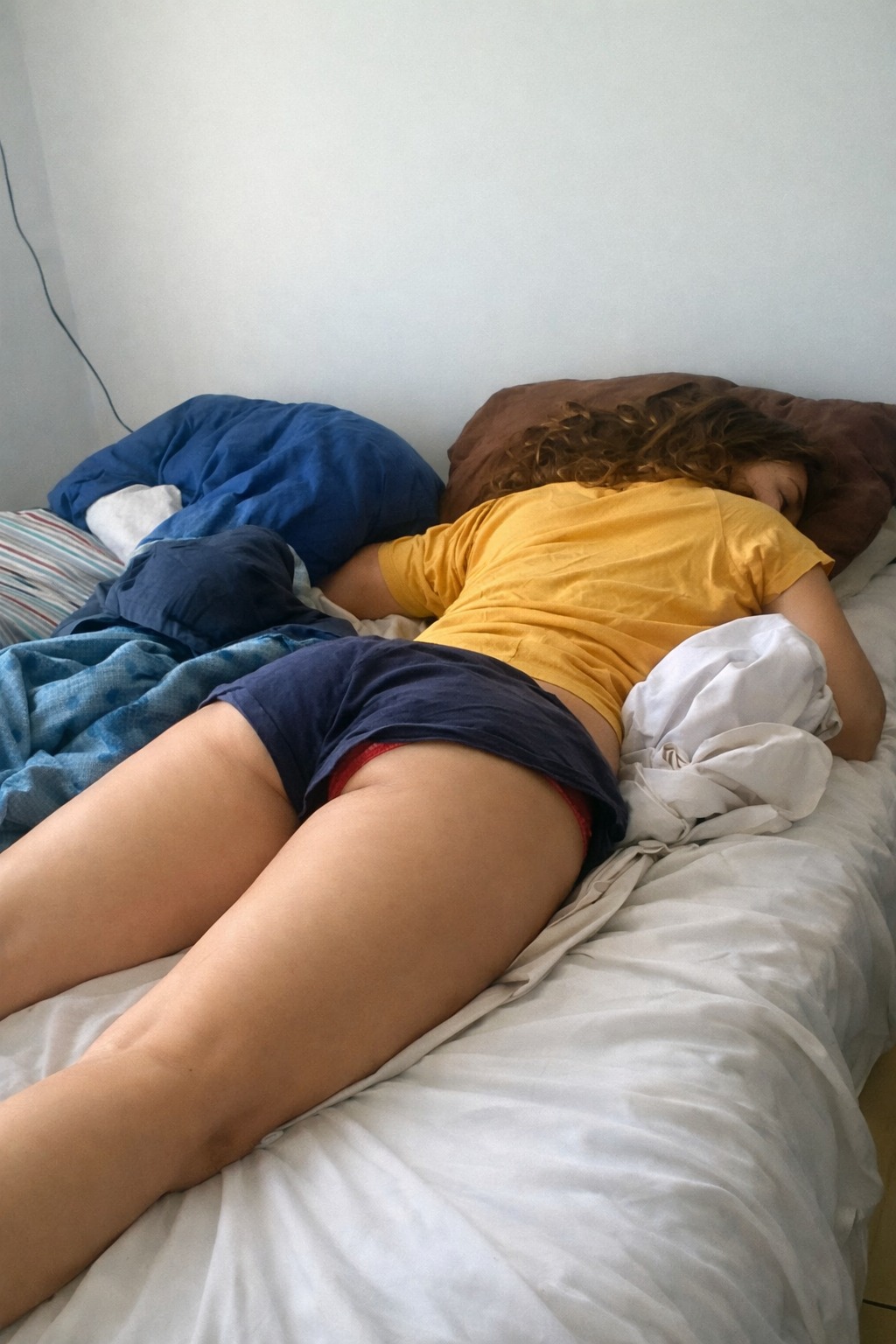
I took a photo of my daughter whilst she was asleep and sent it to my wife. Within a minute, she called me, sobbing. At first, I didn’t understand what was wrong. Then I looked more closely at the photo myself.
I’m fifty-six. I’ve spent almost my entire life working on the railways—as a train driver. My hands still remember every lever, and my eyes every stretch of track. Over the years, I’ve got used to noticing things others miss: a crack in a rail, a barely visible signal, a danger that’s just about to materialise. But it turned out that in my own home, I hadn’t seen the most important thing.
Nina and I have been together for thirty-one years now. She works in the school canteen. She’s petite, lively, quick on her feet, and always smells of baking, dough and a hint of cinnamon. I fell in love with her when I was young — with her laughter, her light-heartedness, the way I wanted to live by her side. And, to be honest, I still do.
Our daughter Alena is a late child. Nina gave birth to her at thirty-eight, even though the doctors tried to talk her out of it. But all she said at the time was: ‘This is my child, I already love her.’ Alena is nineteen now. She’s in her first year at university, lives in a hall of residence and comes home at the weekends. For Nina and me, these visits are like a little celebration.
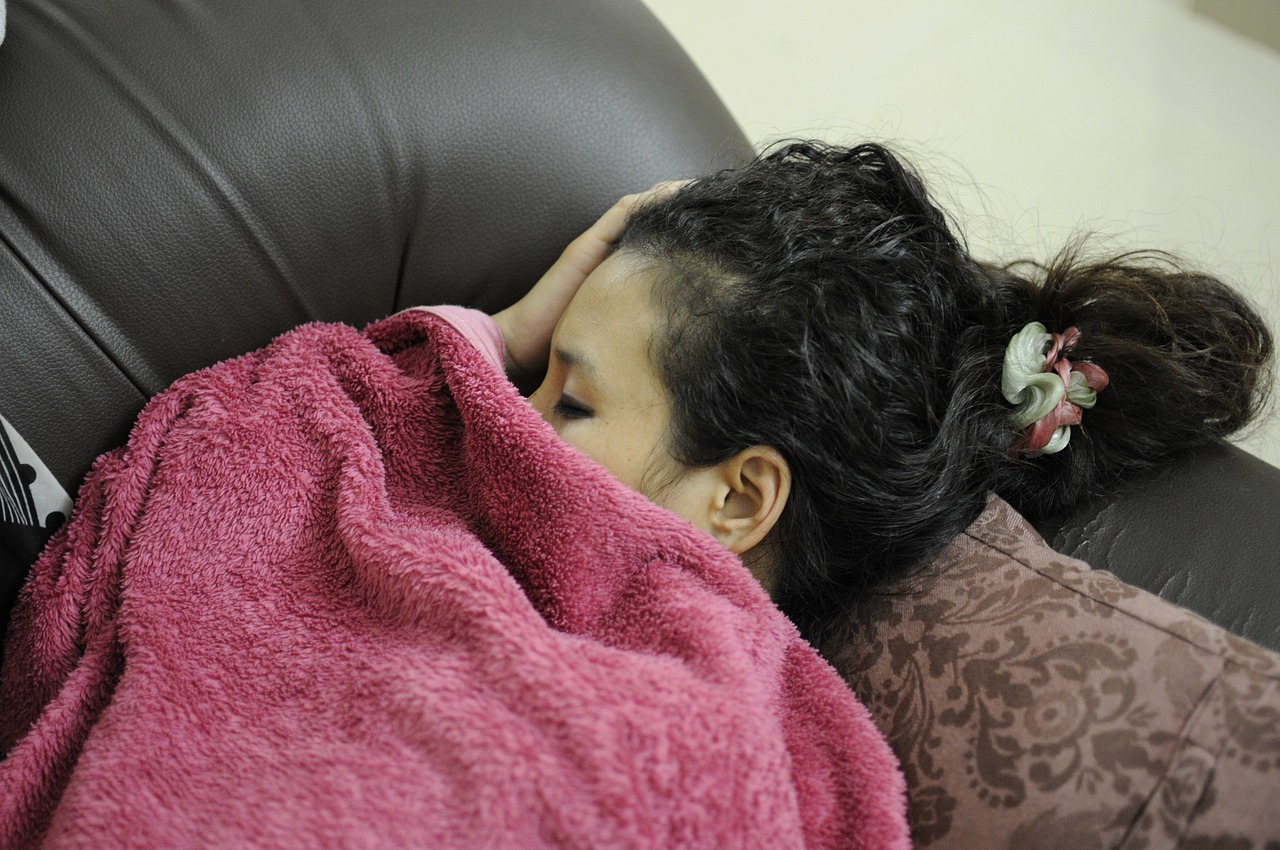
In the autumn, in October, Alena came home for a ten-day break. Nina had prepared her favourite dishes in advance and stocked the fridge, and I took a few days off work. Everything was as usual. Almost. Only Alena herself was not at all the same as before.
She used to burst into the house laughing, turn on the music, video chat with her friends, make a racket, argue, and slam the door to her room. But now the flat seemed to have been taken over by silence. She hardly ever went out, sat behind a closed door, came in silently at dinnertime, picked at her food and stared down at the floor the whole time. When Nina cautiously asked if everything was alright, she simply replied:
‘Everything’s fine, Mum. I’m just tired.’
Tired. At nineteen.
For some reason, I was the first to feel alarmed. Alena always wore T-shirts, vests, whatever was comfortable at home. But this time she was always in long-sleeved clothes. A jumper, a cardigan, a hoodie — even when it was hot in the house. Nina and I explained it away however we could: fashion, a cold, habit. Just not the right way.
On the third day, I popped in in the morning to call her for breakfast. She was asleep, curled up in a ball, as if trying to protect herself from something invisible. She had her arms wrapped around her shoulders, and lying beside her was an old teddy bear — the very one I’d once given her for her fifth birthday. She’d taken it out of the wardrobe. At nineteen.
I found it touching. I smiled, took a photo and sent it to Nina at work. I captioned it: ‘Look, she’s sleeping like a little girl. She’s even hugged the teddy bear close.’

My wife called back almost immediately. She was crying so hard that at first I couldn’t make out a single word. Then, through her tears, I heard:
‘Look closely… the sleeve… zoom in on the photo…’
I zoomed in on the picture
At first, I didn’t know where to look. Everything looked normal: my sleeping daughter, her hair spread across the pillow, a teddy bear in her arms, the soft morning light. A warm, almost cosy scene. But Nina wouldn’t have been crying for no reason. So I really had missed something.
I zoomed in even closer.
And at that moment, my hands literally went cold. The phone slipped out of my grasp and hit the floor. I picked it up and looked again.
The sleeve of her grey jumper had slipped down slightly. Just a little – a couple of centimetres. But that turned out to be enough.
There were lines on her forearm. Several thin, even, already faded scars. Pinkish, parallel, too neat to be a coincidence. A stranger would probably have thought they were scratches. But I realised straight away that wasn’t the case.
I slowly sank to the floor right there in the hallway and leaned against the wall. I am fifty-six years old. I have driven multi-tonne trains through blizzards, through fog, in emergency situations. I was afraid of neither my superiors, nor sleepless nights, nor icy tracks. But at that moment, I was more terrified than I had ever been.
I looked at that photo and saw more than just my daughter’s hand. I saw myself.
There she is, sitting in the kitchen, saying quietly, ‘I’m fine,’ and I nod and switch on the telly. There she is, hiding behind a closed door, and I think, ‘She’s young; she needs her space.’ There she is, wearing long sleeves even in the heat, and I convince myself it’s nothing to worry about.
All my life I’ve been used to looking far ahead—at the road, the signals, the tracks, the horizon. But I failed to notice the trouble brewing right under my nose, in my own flat.
Little things I’d never paid attention to before came to mind. A few months ago, Alena had also come to stay for the weekend, and Nina had noticed then that she’d become far too pale. I’d waved it off: studies, lack of sleep, exams. Then there’d been a phone call from the hall of residence. After the call, Nina looked worried, but she only said that Alena was too withdrawn, hardly speaking to anyone. And I brushed it off again: her personality, her age, adjusting to life there.
Her personality…
And then I remembered her as a little girl. How she used to run down the corridor shouting: ‘Daddy, look!’ — pointing out a beetle, then the first snow, then a puddle reflecting the sky. I remembered how, as a child, she used to draw trains, how she would see me off to work, how she would wait by the window.
And then one day she stopped.
She stopped calling out to me. She stopped sharing. She stopped waiting.
And instead of being alarmed, I decided that this was growing up. That this was how it was meant to be. That a child simply becomes independent. To be honest, I even felt a sense of relief. After work, I wanted silence, peace, without unnecessary chatter. But it turns out she hadn’t outgrown her need for me — she’d simply stopped believing that I’d notice.
I was sitting on the floor, unable to tear my eyes away from the photograph. I leaned in even closer and saw, higher up near her elbow, an old, almost white scar. It was very old. And something inside me tightened.
How many times had she been in such pain that she chose this kind of suffering—physical pain? How many times had she been left alone with it? And all the while, I’d been living my proper adult life: work, a nap after my shift, kitchen chats about everyday trifles, prices, the weather, tiredness.
An hour later, Nina rushed home. I heard her hurrying up the stairs. She burst into the flat, looked first at me, then at the door to Alena’s room. We stood silently in the hallway. Then Nina hugged me and burst into tears against my chest. I stroked her hair and thought that she, it seemed, had been feeling anxious all this time. But I hadn’t.
We didn’t wake Alena. Nina put her favourite soup with meatballs on to cook. I went to the shop and bought a large bag of mandarins — she’d always loved them. I also bought a simple chequered notebook and a pen.
In the evening, Alena came out of her room. She sat down at the table. Nina silently placed a bowl of soup in front of her. I pushed the mandarins towards her. She looked at them and smiled ever so slightly.
‘Is this for me?’ she asked.
‘For you,’ I replied.
And then I said what I probably should have said a long time ago:
‘Alena… you can tell us anything. Really. We can handle it. We’re here for you.’
She looked at me for a long time, as if trying to work out whether she could believe those words. There was so much in her gaze—fear, doubt, weariness, hope. I’d always understood traffic lights perfectly well: red, amber, green. But in my own daughter’s eyes, I’d forgotten how to read them.
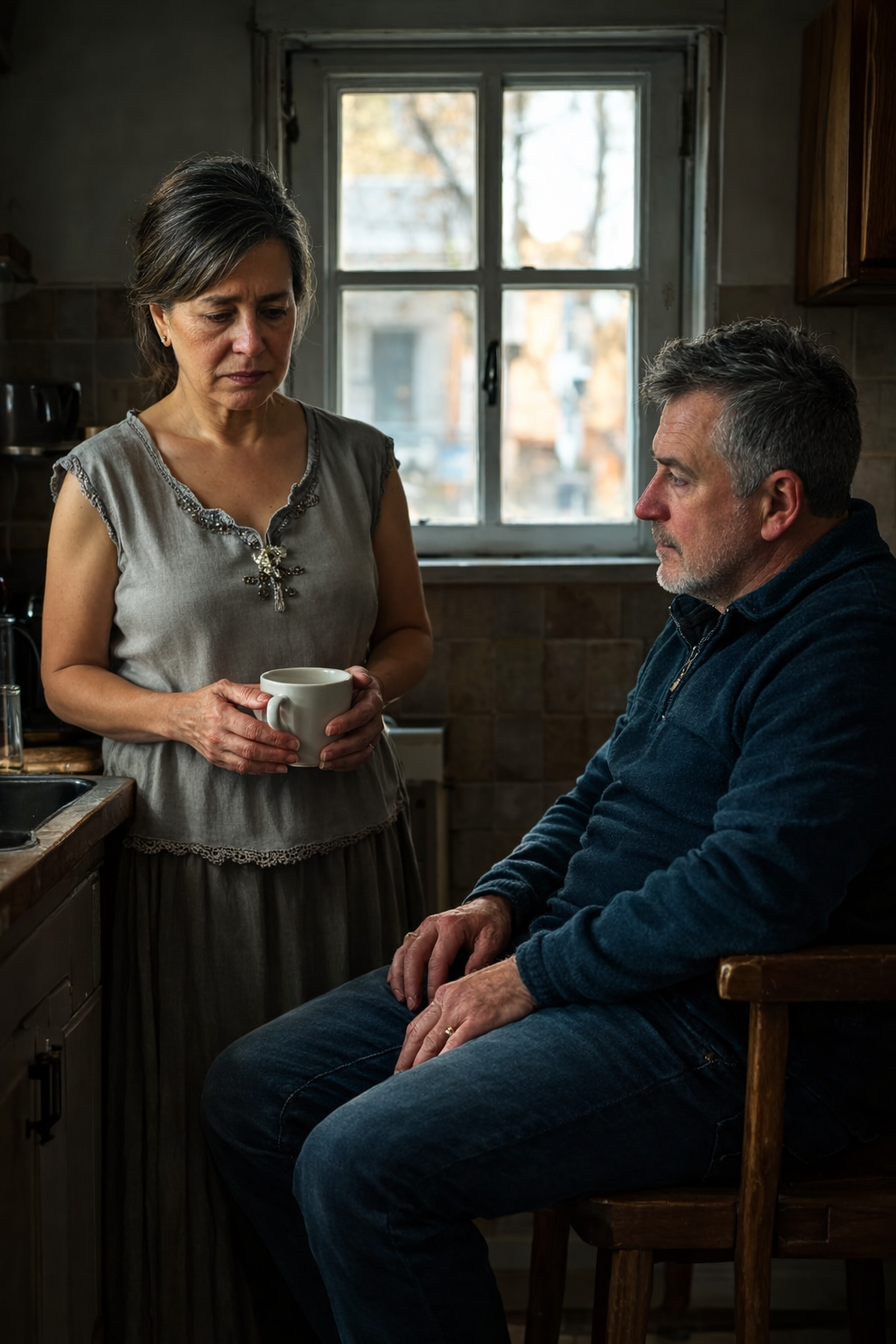
And then it finally dawned on me: I had long since missed her red light. Missed it — and carried on living as if the way forward were still clear.
Nina gently took Alena by the hand, the very one beneath the long sleeve. Her daughter flinched and tried to pull her hand away, but Nina didn’t let go.
‘My daughter,’ she said quietly, ‘I will always love you. No matter what. Even if you’re silent. Even if you’re in pain. Even if you can’t find the words.’
And Alena began to cry.
Not beautifully, not quietly, not like in the films. She cried the way people cry for real — heavily, heart-wrenchingly, with trembling, with ragged breaths. We both hugged her, and I could feel them both shaking. And I thought of only one thing: how many more trains I could still run along the tracks, how many more kilometres I could still travel. But I have only one daughter. And I almost lost her, without even realising it.
Then we drank tea. Alena ate mandarins — one after another. Nina smiled through her tears. And I just sat there watching them, trying to commit every detail of that evening to memory.
I didn’t sleep that night. I sat in the kitchen, drinking cold tea and staring at the closed door of her room the whole time. A notebook and a pen lay nearby. On the first page, I wrote:
‘Alena. I’m not good at putting the most important things into words. I’ve spent my whole life driving trains and understand tracks better than words. But if there ever comes a time when it’s easier for you to write than to speak—write here. I’ll make sure to read it. I promise. Dad.’
In the morning she found this notebook. I saw her open it, read it, run her fingers along the lines. Then she looked up at me. And for the first time in a long time, she smiled genuinely.
She didn’t write anything then. She just took the notebook back to her room with her.
On Monday, I drove her to the hall of residence myself. We were silent for almost the entire journey. Just as we reached the entrance, she suddenly turned and said quietly:
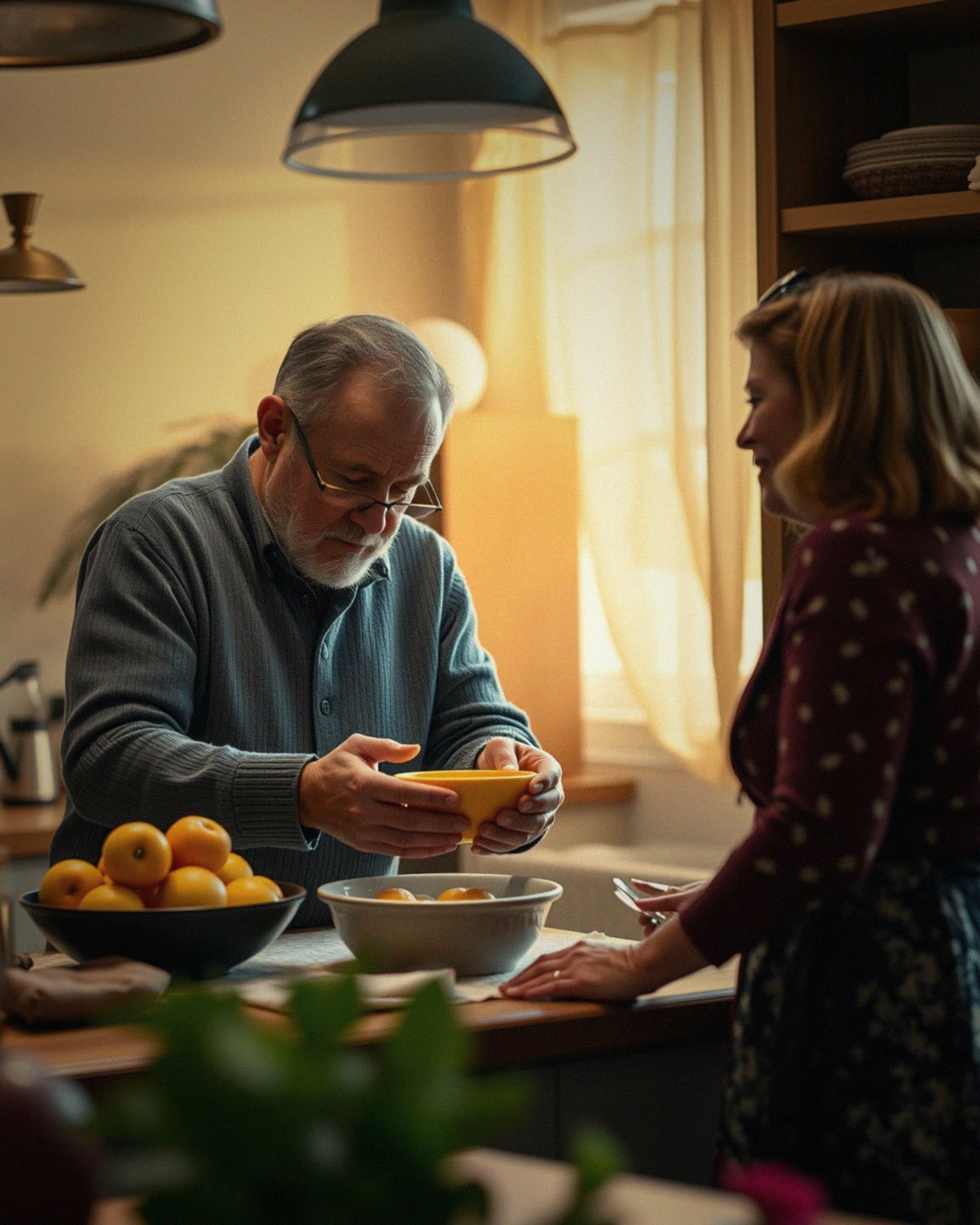
— Dad, thank you.
I didn’t even realise straight away what exactly she was thanking me for. But I didn’t ask.
A few days later, I noticed the notebook lying on the bedside table at home. She’d left it there before she left. I opened the last page.
There were just two lines, written in her handwriting — already grown-up, but still seeming to tremble slightly:
‘Dad, I thought you and Mum wouldn’t notice. Thank you for noticing.’
I sat there for a long time, holding that notebook in my hands. These hands remembered the weight of the levers, the vibration of the cab, the long journeys. And in that moment, I realised one simple thing: there are signs that cannot be seen from afar. You have to look at them directly. Not look away. Not pretend that everything is fine.
Since then, I haven’t looked away.