These were not gentle tears. I sobbed until I fell onto the tiles, clinging to the edge of the bath as if it were my salvation. I sobbed as I hadn’t cried since my daughter’s funeral, and I sobbed until there was nothing left but the pain in my chest and the sound of water hitting the porcelain.
When I turned off the water, I wrapped myself in a towel and walked down the hallway.
I opened her room. Everything was as it had been before.
I lay on her bed, curled up on the blanket.
‘Please…’ I whispered. ‘I need something good.’
The next morning, I arrived early. The streets were still dark, and the sky hung low and lifeless, as if it couldn’t decide whether to rain or snow.
My boots echoed on the pavement as I walked to the diner, my head down, still thinking about Pickles from the night before.
‘I need something good.’
I was about to get my keys when I stopped.
There was a white envelope on the window, its corners crumpled from the weather. My name was written on it.
I turned it over and saw that on the back, in uncertain handwriting, was written:
‘From Henry.’
My heart skipped a beat. My fingers trembled.
Henry was my grandfather’s name.
‘From Henry.’

I carefully removed the envelope from the window and brought it inside. The heating hadn’t been turned on yet, and my breath fogged the air as I settled down by the window, at the very table where my grandfather loved to sit while I drank hot chocolate from a cup twice the size of my hand.
I opened the envelope.
Inside was a ten-pound note, and underneath it a letter.
The heating still hadn’t come on.
“Dear Laura,
I hope you don’t mind me writing. My name is Henry…”
I didn’t ask his name that night. Now, realising this as I read his words for the first time, it seemed to me that I had missed something important, as if I had left the story unfinished.
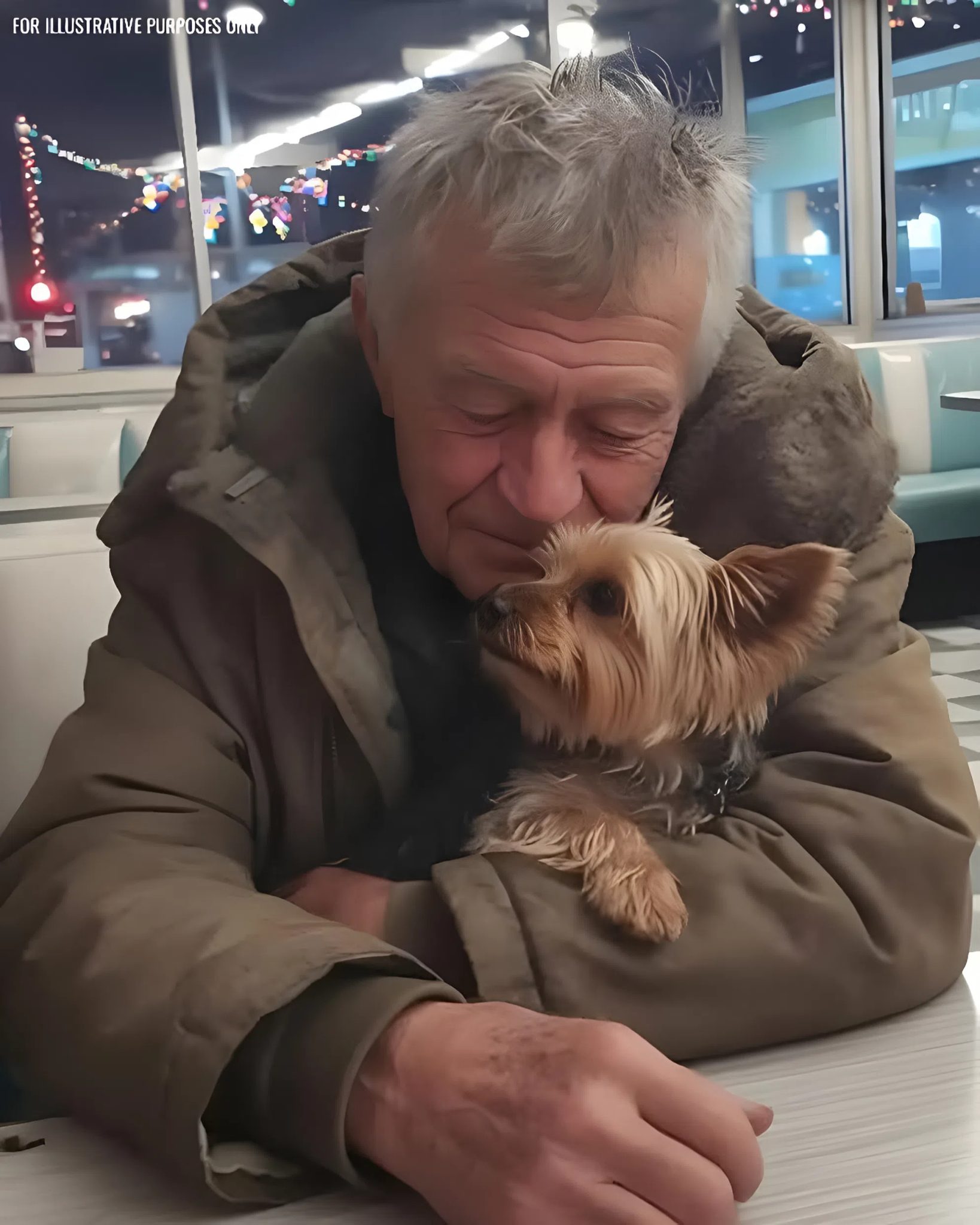
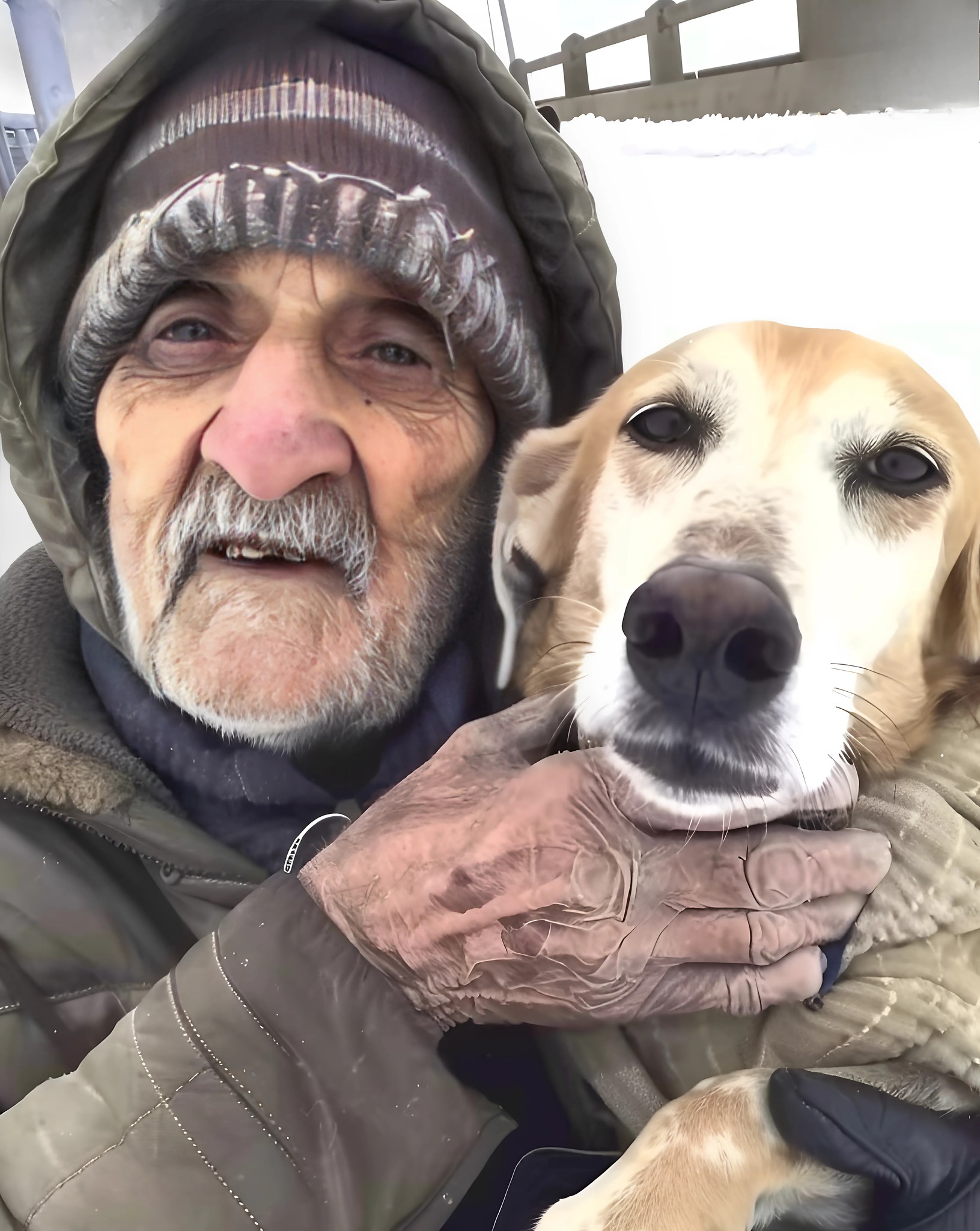
He wrote about everything. About the accident at the factory that took his leg. About the cancer that took his wife, Marie. About the addiction that took his son.
‘I hope you don’t mind me writing.’
He wrote about the loneliness that took everything else. He wrote about feeling invisible, about how the world kept moving, forgetting that he was still there.

‘You reminded me that I still matter, dear. Not as a burden, but as a person. Please don’t stop being you. You filled two plates and two hearts. That’s no small thing.’
I taped his letter to the receptionist’s desk.
‘You reminded me that I still matter, dear.’
Later, when the estate agent called to discuss the next steps, I answered.
‘Arum,’ I said. ‘I’m not ready to sell. I think I need to stay. I’ll sell my wedding jewellery. I’ll manage.’