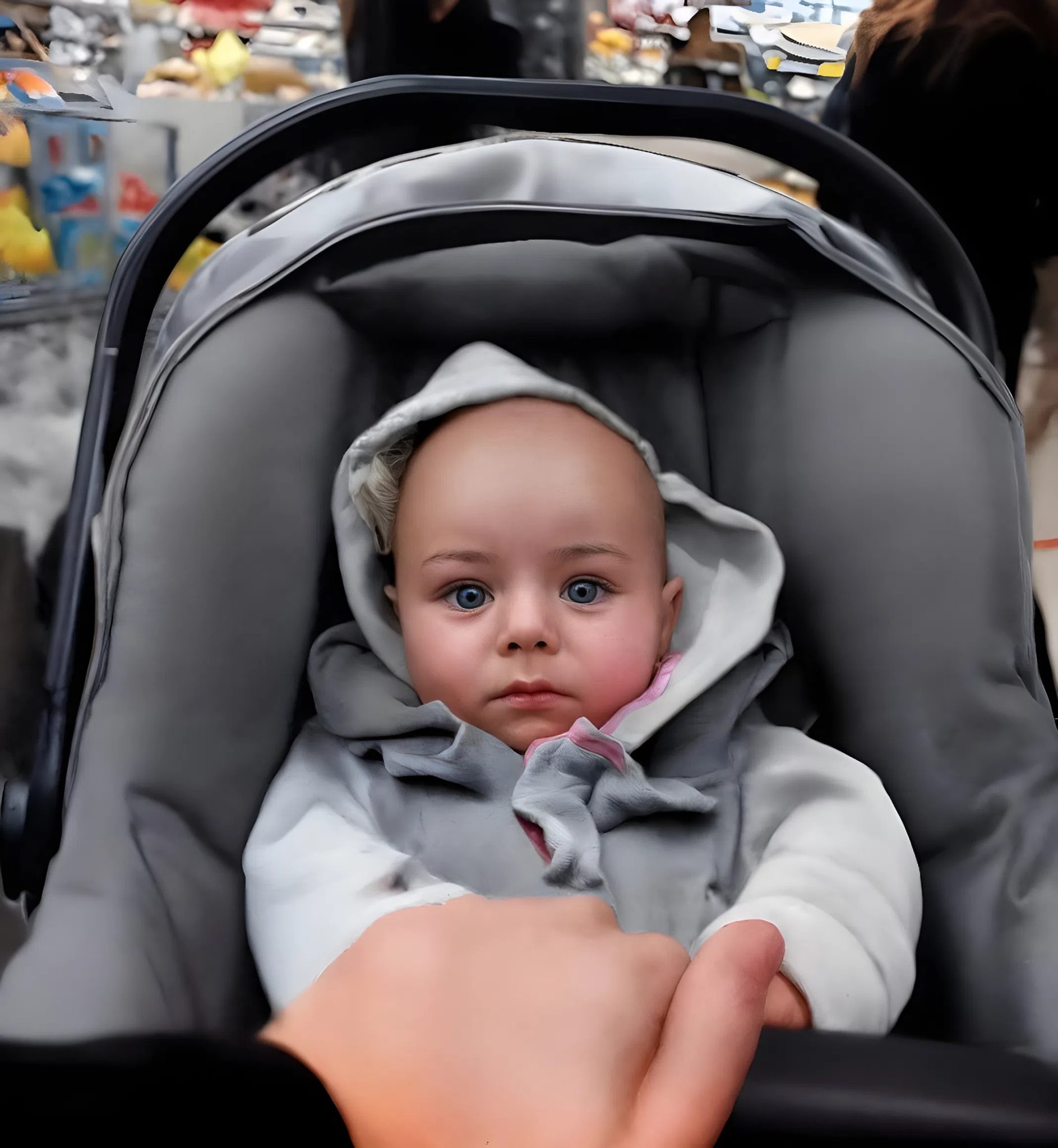
As Helen struggles to raise her granddaughter on a modest budget, a humiliating day at the supermarket threatens to crush her spirit. But one unexpected act of kindness opens the door to hope, healing, and a new kind of family she never dreamed she would have.
My name is Helen, and I am 68 years old. Six months ago, my world fell apart when my son and his wife were killed in a car accident. They left in the morning for just a short walk… and never returned.
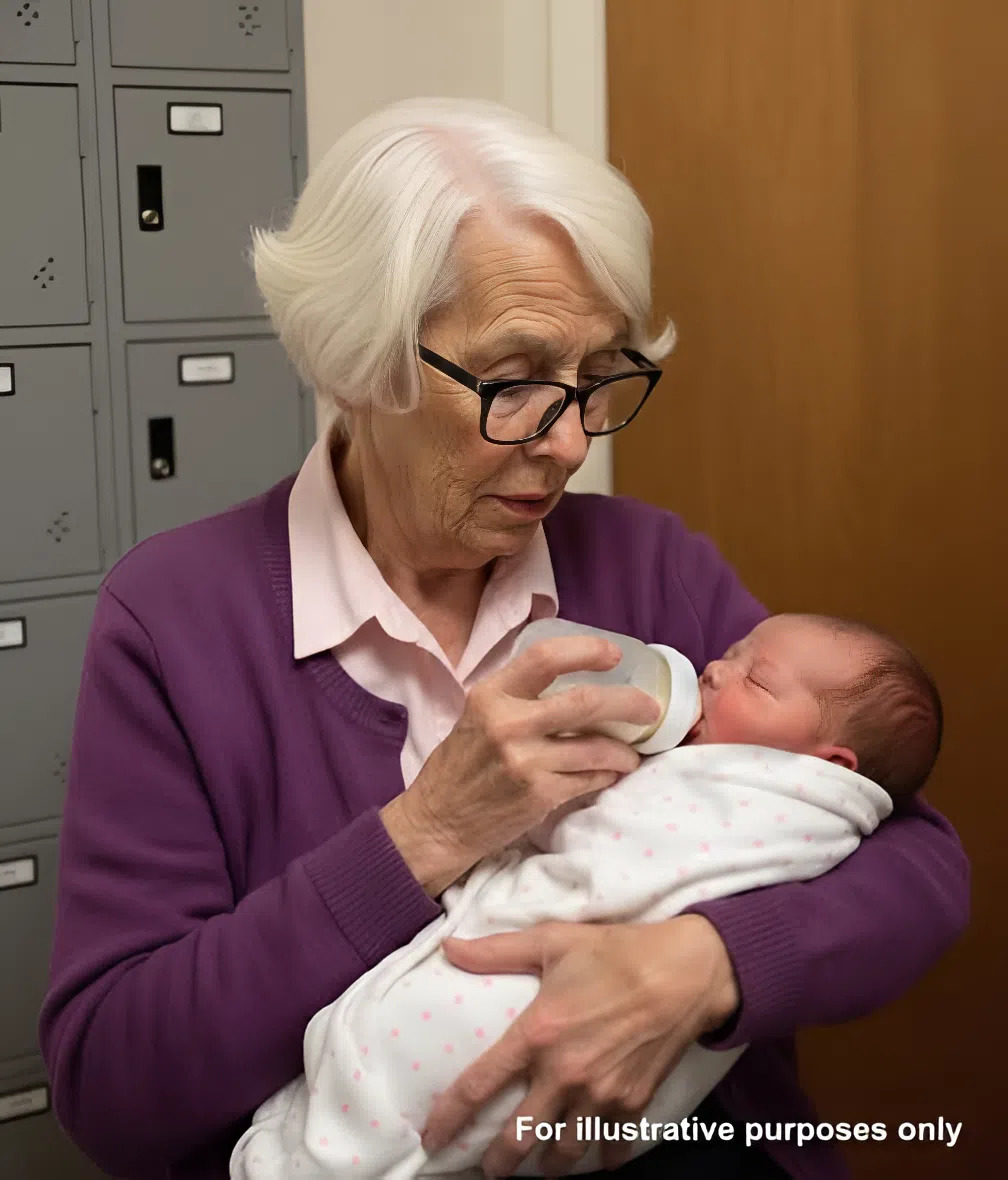
That day, I became a mother again. Not to my son, but to my granddaughter Grace, who was only a month old at the time.
At my age, I thought the most difficult years of parenting were behind me. I imagined peaceful afternoons in the garden, quiet evenings with a book, and maybe even a cruise with my friends, if my savings allowed.
Instead, I found myself up all night, rocking a crying baby, trying to remember how to make formula with shaky hands.
The emotional shock was overwhelming. Some evenings I sat at the kitchen table, my head in my hands, whispering in the silence.

Can I really do this? remains the key question that tormented me. Do I have enough time to give this sweet girl the life she deserves? The silence always remained unanswered.
Sometimes I spoke my thoughts aloud. What if I can’t do it? I whispered at night when she finally fell asleep in her crib, her tiny chest rising and falling with barely audible sighs. What if I disappoint you, my beloved? Maybe I’m too old, too tired, too slow?
My words were lost in the hum of the refrigerator or dishwasher, left unanswered, but as I spoke them in the silence of the room, I found a strange strength to keep going.
To make ends meet, I took on any small jobs I could find: I looked after my neighbors’ pets, sewed for the church bazaar, and taught literature and reading classes for children.
Somehow, every dollar seemed to disappear into diapers, wipes, or formula. There were weeks when I skipped meals so that Grace would have everything she needed, weeks when I just boiled potatoes, telling myself that I wasn’t really that hungry.
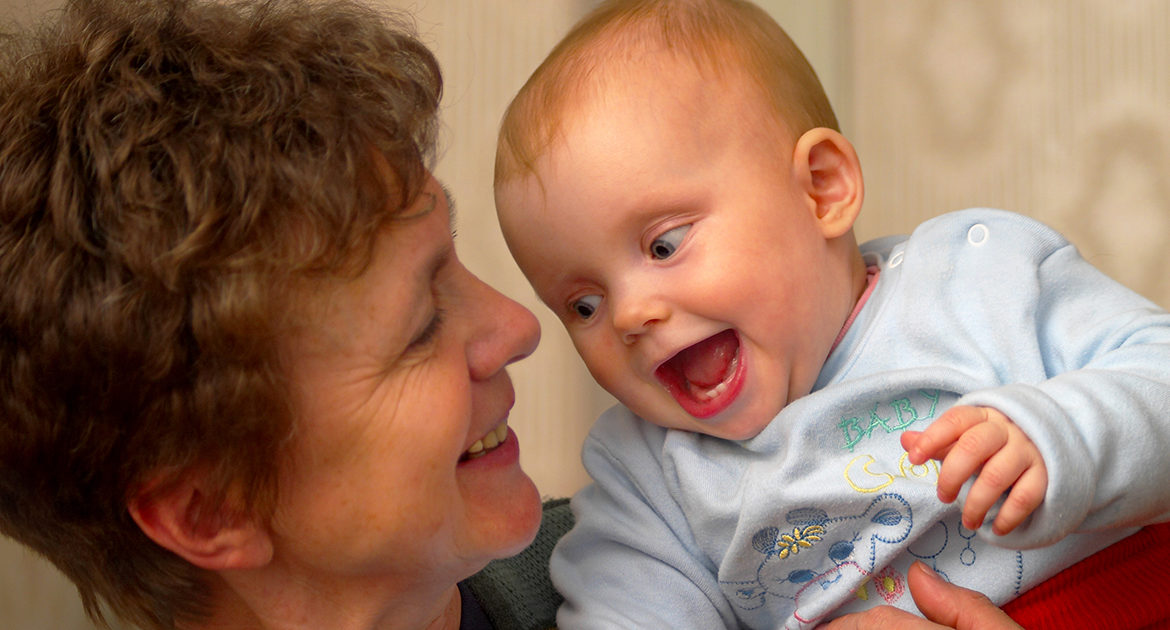
But then little Grace would reach out her sticky hands, intertwine her fingers with mine, and look at me with eyes that reflected memories of her parents, and I remembered that no one else needed her. She needed me, and I would never abandon her.
Today she is seven months old — curious, energetic, and full of laughter that brightens even the darkest days. She pulled on my earrings, stroked my cheeks, and laughed when I tickled her tummy.
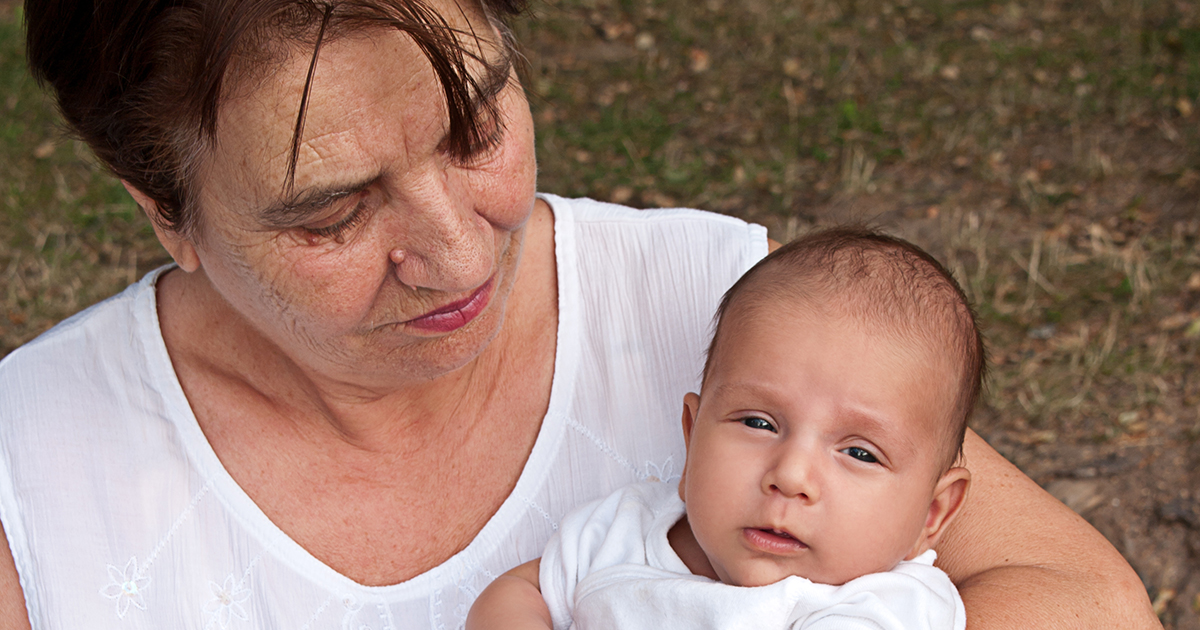
Life with her is expensive and exhausting, no doubt about it… But at the end of every month, even when I’m counting every dollar and limiting my food portions, I know one thing: she’s worth every sacrifice.
It was the last week of the month when I walked into the supermarket with Grace in my arms. The autumn air outside was cold, the kind of air that heralded winter, and I had exactly $50 in my wallet until my next paycheck.
Pushing the cart through the aisles, I whispered to Grace:
“We need to buy what we need, dear. Diapers, formula, and fruit for your puree. And then we’ll go home, and you’ll get your bottle. Okay, sweetie?”
She cooed softly, and for a moment I allowed myself to believe that everything would be fine.
I carefully placed each item in the basket, silently counting in my head and reviewing each choice. I took the essentials first: formula, diapers, wipes, bread, milk, cereal, and apples.
I walked past the coffee section and paused for a second, then shook my head and continued.
“You can do without this, Helen,” I told myself. Coffee is a luxury, and luxuries have no place in our budget.
I quickened my pace in front of the fish refrigerator, forcing my gaze away from the fresh salmon.
“Your grandfather made the best salmon with lemon and ginger,” I told Grace. “He added coconut milk and baked it. It was divine.”
Grace looked at me with her big eyes.

At the checkout, the cashier, a young woman with bright lips and tired eyes, greeted me politely. She scanned the items while I rocked Grace on my hip, and for a moment I hoped the total would be within my budget.
“That’ll be $74.32,” she said.
My stomach clenched. I took a $50 bill out of my wallet and started searching for change at the bottom, my fingers already shaking. Grace squirmed and fidgeted, her cries rising as if she could sense my panic.
“Come on, woman,” muttered the man behind me, sighing heavily. “Some of us have things to do!”
“Honestly, if people can’t afford children, why do they try?” muttered another woman.
My throat tightened, and I held Grace closer, as if I could protect her.
“Hush, sweetheart,” I whispered to her as coins fell from my fingers. “Just a little longer.”
“Seriously?!” exclaimed a young man standing a little further back in the line. “It’s not that hard to stack a few purchases!”
Grace’s cries grew louder, echoing off the high ceilings of the store, until I felt like every pair of eyes was burning into my back. My cheeks flushed, my hands shook so much that I could barely pick up any more coins.
And in that moment, I felt the walls of shame closing in around me.
“Please,” I said to the cashier in a weak voice. “Take away the porridge and fruit. Leave the formula and diapers. I think we can do without the wipes!”
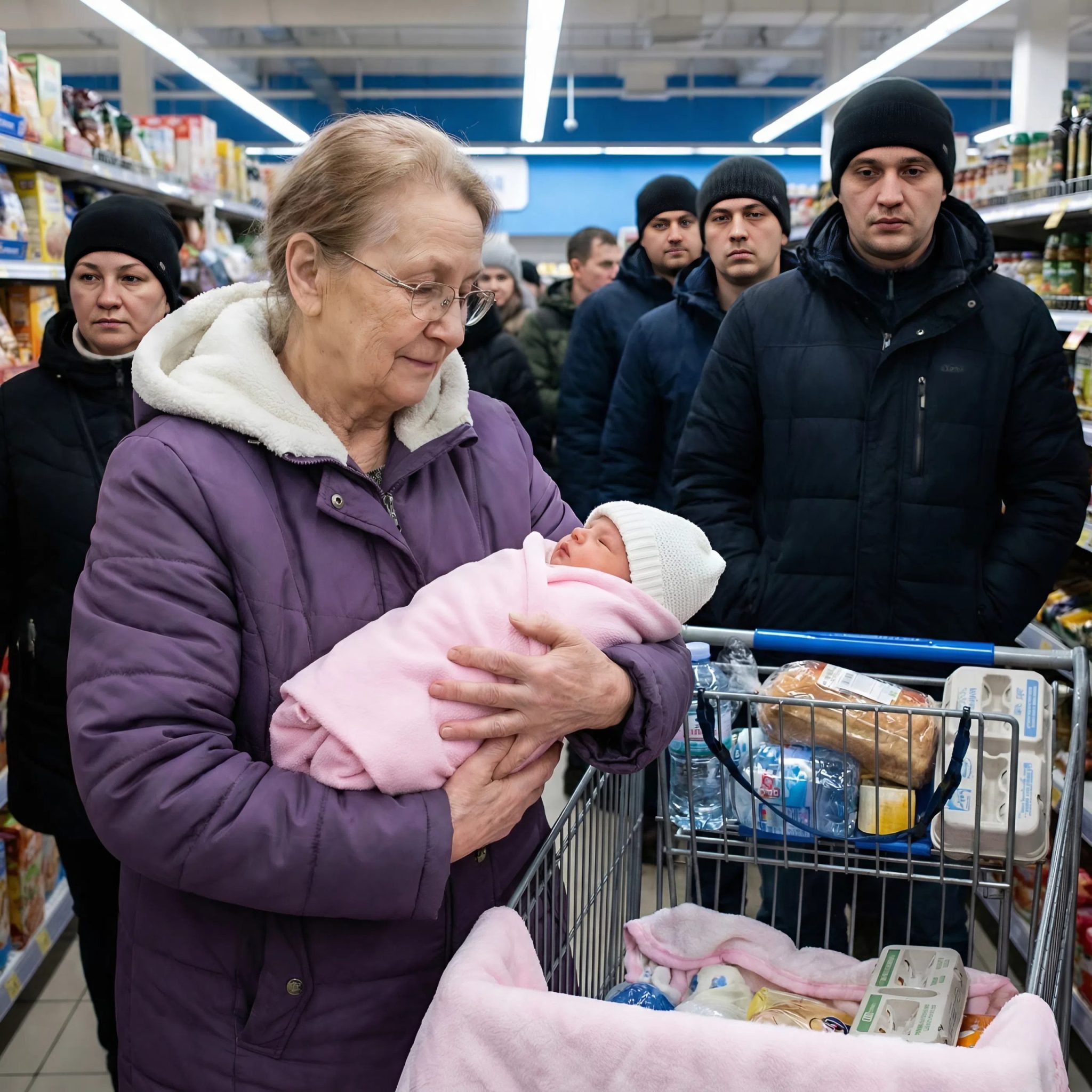
The cashier rolled her eyes and sighed irritably as she began to scan the items one by one, the piercing sound of the scanner resonating in my ears. Each sound felt like a verdict, as if the machine itself was announcing my failure to the entire line of strangers behind me.
“This can’t be!” she said, her lips pressed together in displeasure. “Didn’t you check the prices before filling your basket? How much more of our time are you going to waste?”
I opened my mouth to respond, but no sound came out. My throat was completely constricted, my cheeks were burning, and I wanted to cry. Meanwhile, Grace screamed again, her little fists digging into my chest as if she could feel every ounce of my shame.
“We’ve been waiting forever! That kid is screaming like crazy! Someone get them out of here. This isn’t a daycare, it’s a supermarket!” someone said.
“If she can’t pay for her groceries, maybe she shouldn’t be raising children,” added another voice, sharp and bitter.
Tears filled my eyes. My hands were shaking so much that I almost dropped the receipt I was holding, the paper damp beneath my palm. My heart was pounding, my vision blurred, and for a moment I thought I was going to faint right there in line.
“Please,” I insisted, my voice trembling as I tried to calm Grace in my arms. “Just baby supplies. Please. That’s all she needs.”

And suddenly, Grace stopped crying.
This sudden silence made me start; her sobs, which had filled the store for long minutes, died away, and when I lowered my eyes to her tear-stained face, my gaze followed the direction of her small hand.
She was pointing at someone behind me.
I turned around and saw a man standing there. He was tall, about thirty years old, with gentle eyes that became even kinder when he looked at Grace. Unlike the others, he didn’t sigh or give disapproving looks.
His expression was calm, and there was a slight, friendly smile on his face. He radiated something almost protective toward us.
“Please ring up everything she took,” he said, coming closer, his voice clear. “I’ll pay.”
“Sir, you don’t have enough…” The cashier’s eyes widened in surprise. “I don’t want it to affect my pay.”
“I said, ring it all up,” he repeated. “I’ll pay.”
A rush of heat ran through my cheeks. I shook my head, holding out my crumpled bill to him.
“No, no, you shouldn’t do that,” I mumbled. “I just miscalculated. I thought that…” “
“Keep your money,” he replied, looking at me, “you and she will need it.”
Grace’s little hands reached out to him again, and he smiled at her.
“She’s beautiful,” he said quietly. “You’re doing a great job.”
Something in my heart cracked. Tears blurred my vision, so that all the scenes around us looked blurry.
“Thank you,” I whispered. “Thank you so much. She’s my granddaughter, and I’m doing everything I can. It’s just her and me now.”
The line behind us fell silent. People who had been complaining just a few minutes ago shifted from foot to foot, fidgeted, and looked away. The man swiped his card through the reader.
“I’ll take care of it,” he said simply. In just a few seconds, the transaction was complete. The cashier, suddenly airy and polite, put our purchases in a bag without saying a word.
When she handed me the bags, my hands were shaking. Without waiting for me to respond, he took the heaviest ones, carrying them as if it were the most natural thing in the world.
Outside, I began to breathe again.
“My name is Michael,” he said, accompanying me to the bus stop.
“I’m Helen,” I managed to say.
“She’s your little princess, Helen,” he said. “I have a daughter, Emily. She’s two years old. I’m raising her alone, too. My wife died of cancer last year. I recognized that look on your face.”
“What look?” I asked.
“The look of despair, guilt, anxiety… the list goes on,” he replied. “I’ve felt that too.”
“I’m so sorry,” I said, my heart overflowing with deep compassion.
“I know what it’s like,” he agreed. “The sleepless nights, the fear of inadequacy, and that endless question: ‘Am I good enough?