
I grew up in an orphanage and learned early on that I could only rely on myself. But during those years, I found someone who became a real source of support — Nora. We stuck together because we both had too little warmth and too much silence in our lives.
When life took us to different cities, the distance didn’t change anything. Nora remained more than just a friend — she was closer than the sister I never had.
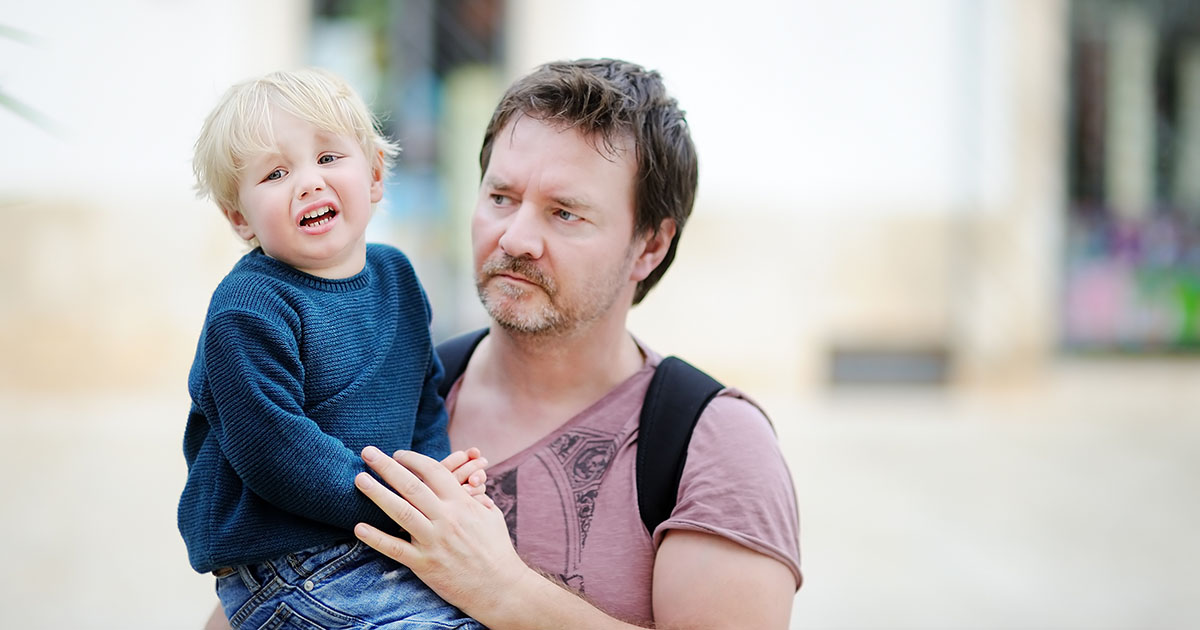
And then one phone call divided my life into ‘before’ and ‘after.’ The hospital reported that Nora had died in a car accident. Her little son, two-year-old Leo, miraculously survived.
Nora was the family I never had.
Her passing was sudden and left a void.
Leo was left alone — too young to understand what had happened.
I rushed to the hospital without thinking twice. When I entered the room, Leo was sitting on the bed — tiny, quiet and confused. He looked at the world as if he was waiting for his mother to return any minute and simply didn’t understand why the adults around him were whispering.
Nora had no relatives who could take care of the child. She hardly ever talked about his father — she only mentioned once that he had died before Leo was born.
I remember taking the boy by the hand. At that moment, I didn’t need to think long or seek advice from others: everything became crystal clear inside me. I couldn’t leave him alone.
That same day, I asked to start the adoption process.
Sometimes decisions come not from logic, but from the heart: you simply understand that this is your responsibility.
We came home together. The first few weeks were difficult: Leo looked for his mother, cried, woke up at night and called for her. And I learned to be an adult who doesn’t disappear — I learned patience, calmness, and how to hold someone else’s pain so that it doesn’t crush them.

Over time, it became a little easier. We gradually got used to the new rhythm, to our ‘us.’ The pain didn’t go away, but it ceased to be the only thing that filled our days. Step by step, we built a home where we could breathe.
Years passed. Leo grew up to be a smart, attentive and surprisingly sensitive boy. For me, he became the centre of my life — the meaning that keeps me going.
We went through the loss together, not hiding our feelings from each other.
I tried to give Leo stability and care.
Over time, our home became a truly warm place.
I had almost no personal life: I rarely went on dates and was in no hurry to let anyone into our little world. But about a year ago, I met Amelia. She had a quiet kindness about her — no pressure, no bold promises, just calm warmth.
Most importantly, Leo accepted her almost immediately. He didn’t shut himself off or ‘test her strength,’ as is often the case with children who have had difficult experiences. On the contrary, Amelia fit in so naturally, as if she had always been part of our family. She treated Leo with respect and care, as if he were her own.
We got married, and for the first time I felt that our home had become whole. Not perfect — but alive, real.

And then one evening, I came home from work completely exhausted and went to bed earlier than usual. The night was quiet — until I was awakened by a gentle but insistent touch on my shoulder.
I opened my eyes and saw Amelia. Her face was pale, her hair stuck to her forehead as if she had washed her face or gotten wet, and her breathing was uneven, as if she had been very upset.
‘Oliver, wake up… Please wake up right now,’ she whispered, as if afraid the walls might hear.
My heart began to beat faster.
‘What’s wrong?’ I managed to say, trying to focus.
Amelia sat down on the edge of the bed. She was clutching something in her hands, and her fingers were visibly trembling.
‘I found something,’ she said quietly. ‘Something Leo was hiding from you. And… we can’t go on like this.’
I was wide awake now. Dozens of possibilities flashed through my mind in a second — from school problems to something much more serious. I looked at Amelia, then at what she was holding, and I could tell from her expression that this was no accident and no trifle.
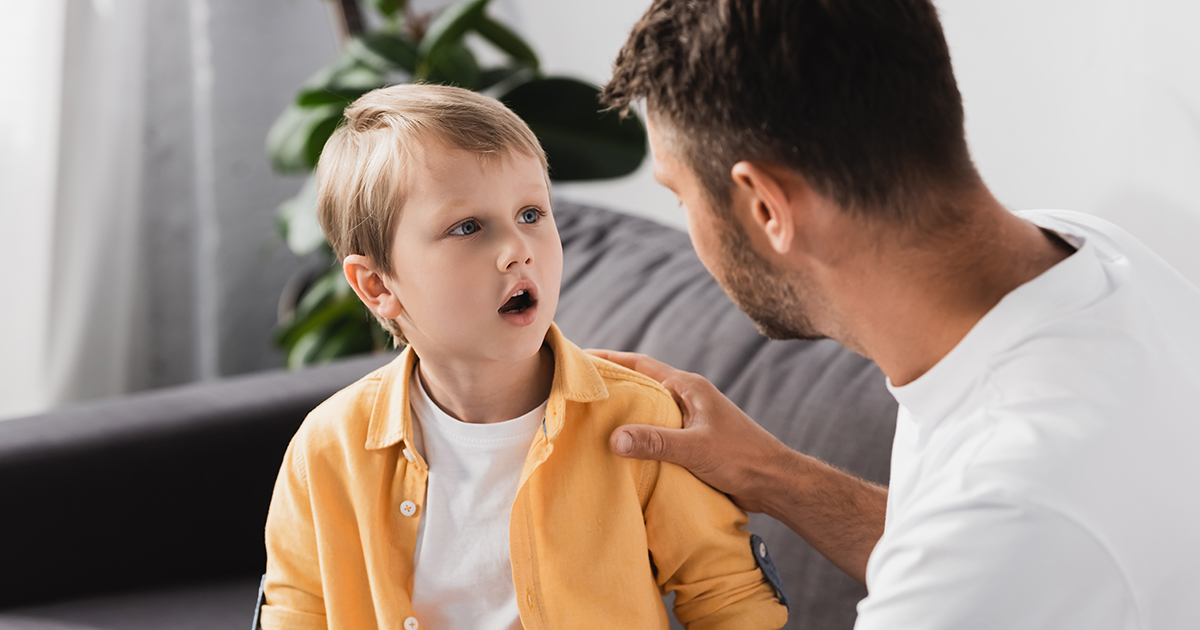
When she showed me her discovery, I couldn’t say a word.
I sat in the dark, listening to my own breathing and trying to comprehend one thing: my son — the boy I had raised and protected — was carrying something important inside him all alone. And maybe all this time he just didn’t know how to say it.
Whatever the truth may be, I understood the main thing: we have a conversation ahead of us in which we cannot pressure, accuse or demand. We can only be there for him — just as Nora was there for me once.
At times like these, family is tested not by loud words, but by a quiet willingness to listen and help. And that is where we must begin — with an honest, careful conversation.