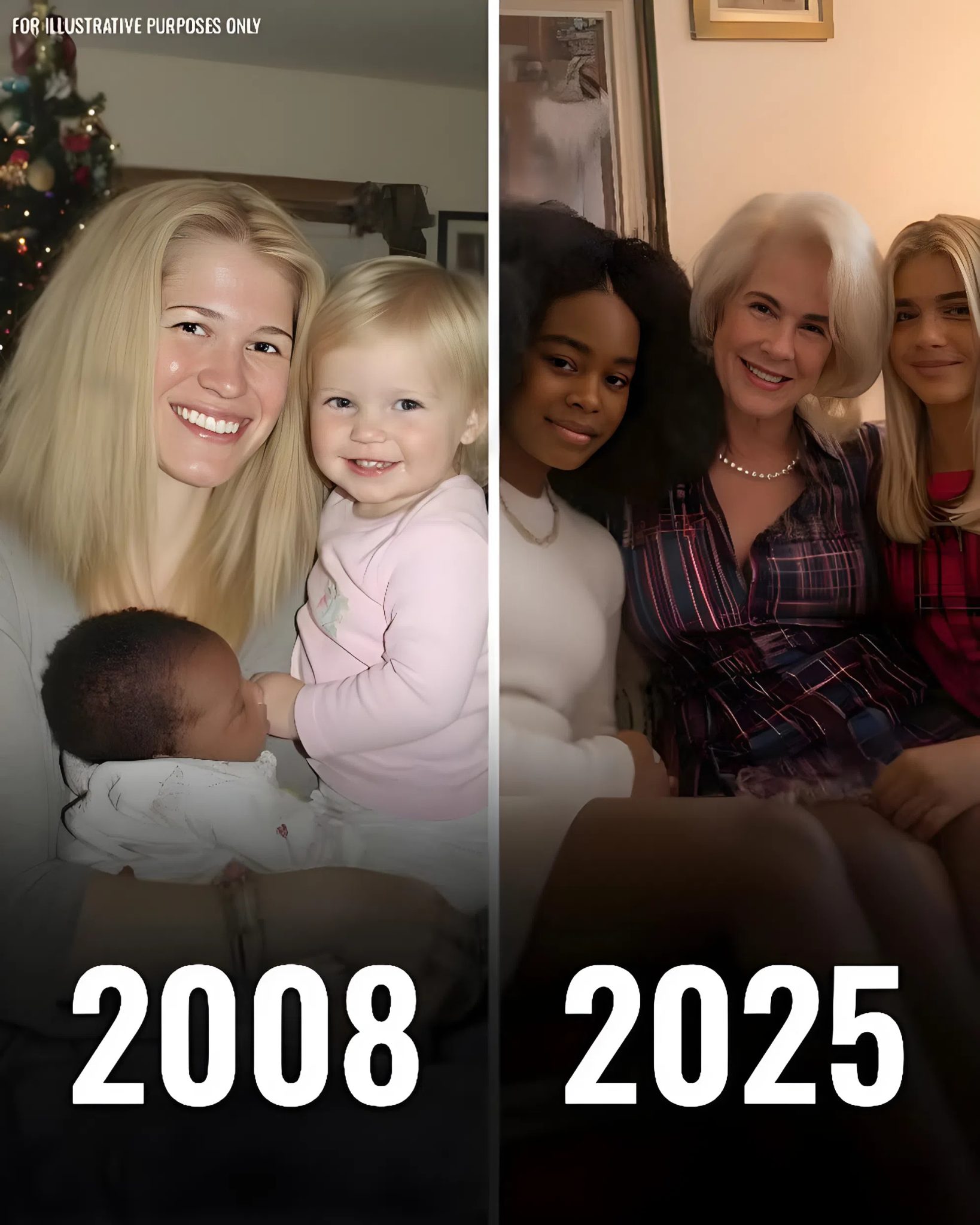
She did maths problems and attended dance classes as if they were handing out medals.
She was determined and resolute to be the best at everything.
Stephanie attracted attention without any effort.
Ruth was cautious.
She studied moods like other children memorised words. She learned early on how to disappear when she became too much, and how to make herself small and quiet.
At some point, caring about their equality began to seem to me not quite equal.
The competition was subtle at first. Little things that you could almost miss if you didn’t pay close attention.
The competition was subtle at first.
Stephanie interrupted. Ruth waited.
Stephanie asked. Ruth hoped.
Stephanie assumed. Ruth pondered.
At school events, teachers praised Stephanie’s confidence and Ruth’s kindness. But doesn’t kindness seem quieter? It’s easier to overlook when confidence is standing nearby, waving its hand cheerfully.
Teachers praised Stephanie’s confidence and Ruth’s kindness.
Loving them both equally began to seem unfair when the girls did not experience love equally.
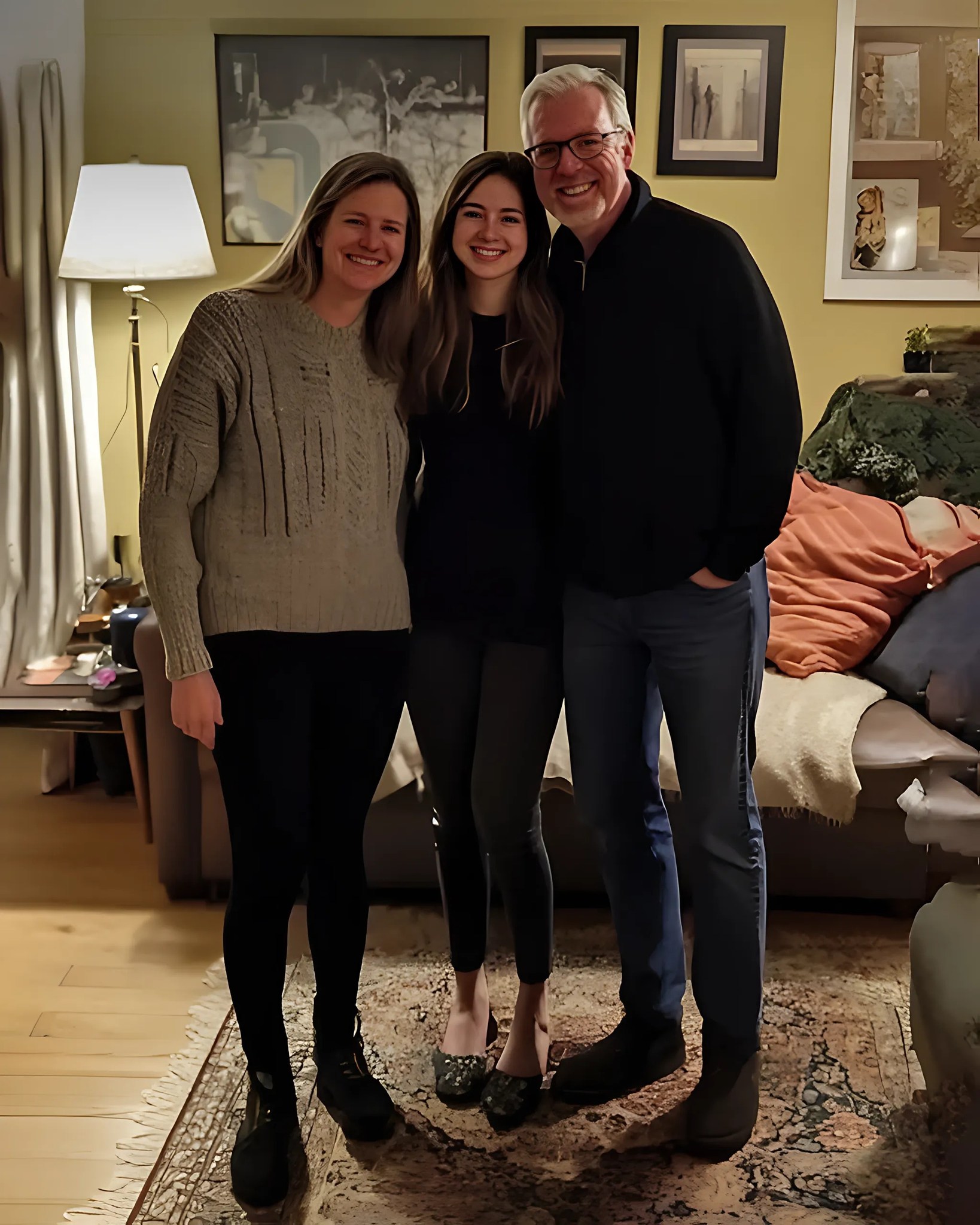
How could they? They were different people with different hearts, different fears, different ways of measuring whether they were enough.
In adolescence, their rivalry became fierce.
Stephanie accused Ruth of being ‘overprotected.’ Ruth reproached Stephanie for ‘always wanting to be the centre of attention.’
As teenagers, their rivalry intensified.
They fought over clothes, friends, and attention.
‘It’s just normal sister stuff,’ I reassured myself. ‘It’s fine.’
But there was something deeper beneath the surface. Something I couldn’t quite put my finger on.
Sometimes, in the silence after the shouting and closed doors, it felt like there was something toxic lurking beneath the surface of our family, like an abscess waiting to burst.
They fought over clothes, friends, and attention.
The night before prom, I stood at Ruth’s door with my phone in my hand, ready to take pictures.
‘You look beautiful, darling. That dress suits you so well.’
Ruth clenched her teeth. She didn’t look at me, but I felt something change between us.
‘Mum, you’re not coming to my prom.’
I smiled, confused. ‘What? Of course I’m coming.’
I felt something change between us.
She finally turned to face me. Her eyes were red, her jaw clenched, her hands trembling slightly at her sides.
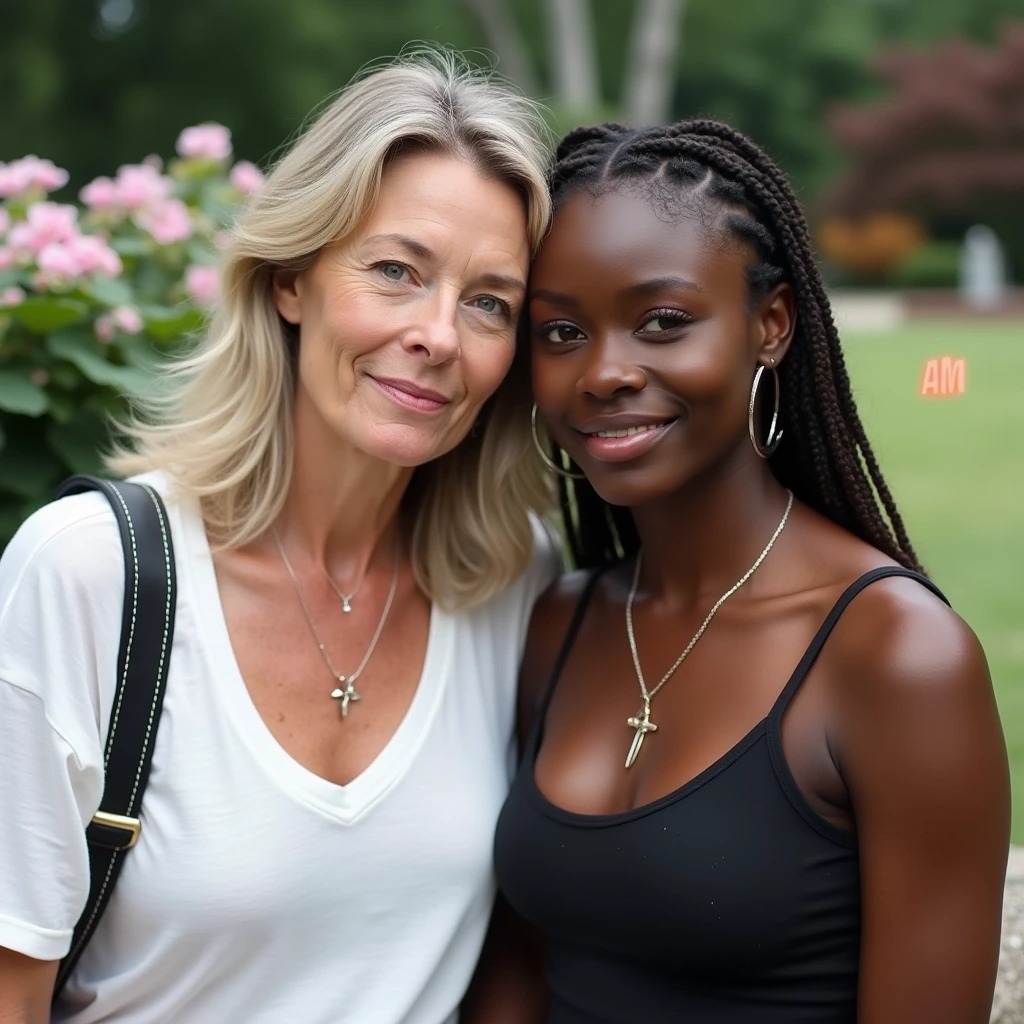
‘No, you’re not coming. And after the ball… I’m leaving.’
‘What?’ I swear, my heart stopped. ‘You’re leaving? Why?’
She swallowed hard.
‘Stephanie told me the truth about you.’
The room grew cold.
‘After the ball, I’m leaving.’
‘What truth?’ I whispered.
Ruth’s eyes narrowed to slits. She had never looked at me like that before…
‘Don’t pretend you don’t know what I’m talking about.’
‘I don’t know. What did Stephanie tell you?’
Her voice trembled when she finally spoke.
‘What did Stephanie tell you?’
“That you prayed for Stephanie. You promised that if God gave you a child, you would adopt another. That’s why you took me in. The only reason you took me in.”
I sat down on the edge of her bed, my phone still in my hands, forgotten.
‘Yes,’ I said calmly.
‘I prayed for a child and made that promise.’
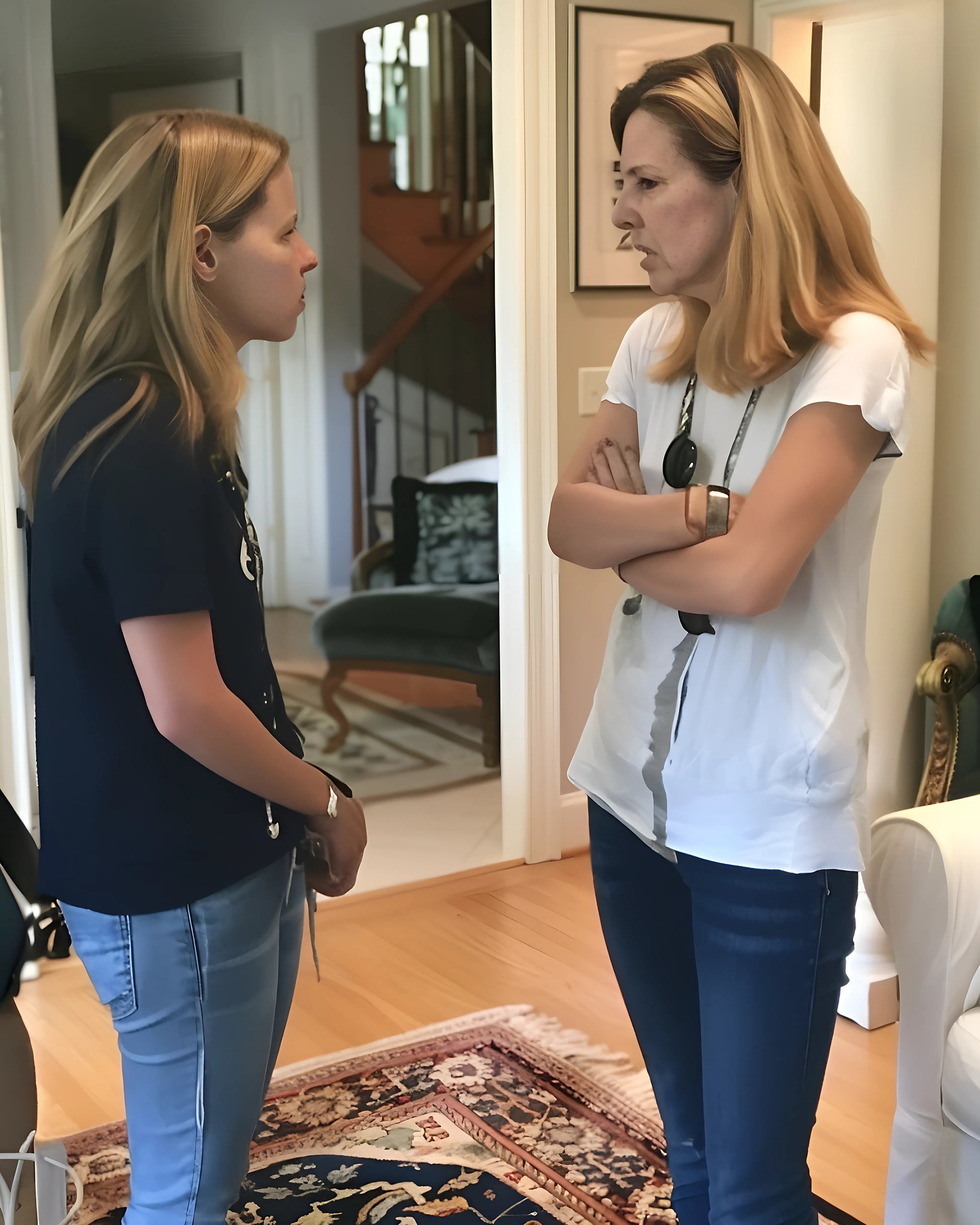
Ruth closed her eyes. I thought she was hoping I would tell her it was all a lie.
‘So I’m just a bargain. Payment for your real daughter.’
‘I thought she was hoping I would tell her it was all a lie.’
‘No, dear, that’s not it…’ I began, and her eyes flew open.
‘I don’t know how Stephanie found out about this, but let me tell you the truth about that prayer. I never told you about it because it happened at the most difficult time in my life.’
I told her about that night when I sat on the bathroom floor, grieving my fifth miscarriage, and the desperate, irresistible prayer that came from the depths of my soul.
“Yes, Stephanie was the answer to that prayer, and yes, the promise I made stayed with me, but I never saw it as some kind of debt obligation.”
“I never saw it as some kind of debt obligation.”
‘When I saw your photo and heard your story, I immediately began to love you. The promise did not create my love for you. My love for Stephanie taught me that I had even more love for you, and the promise showed me where to direct it.’
Ruth listened. I knew she was. I could see her processing it, trying to fit the new information into the story she was telling herself.
But she was 17, she was vulnerable, and sometimes being right doesn’t matter when someone is already in pain.
Being right doesn’t matter when someone is already in pain.
She went to prom alone after all, and didn’t come home afterwards.
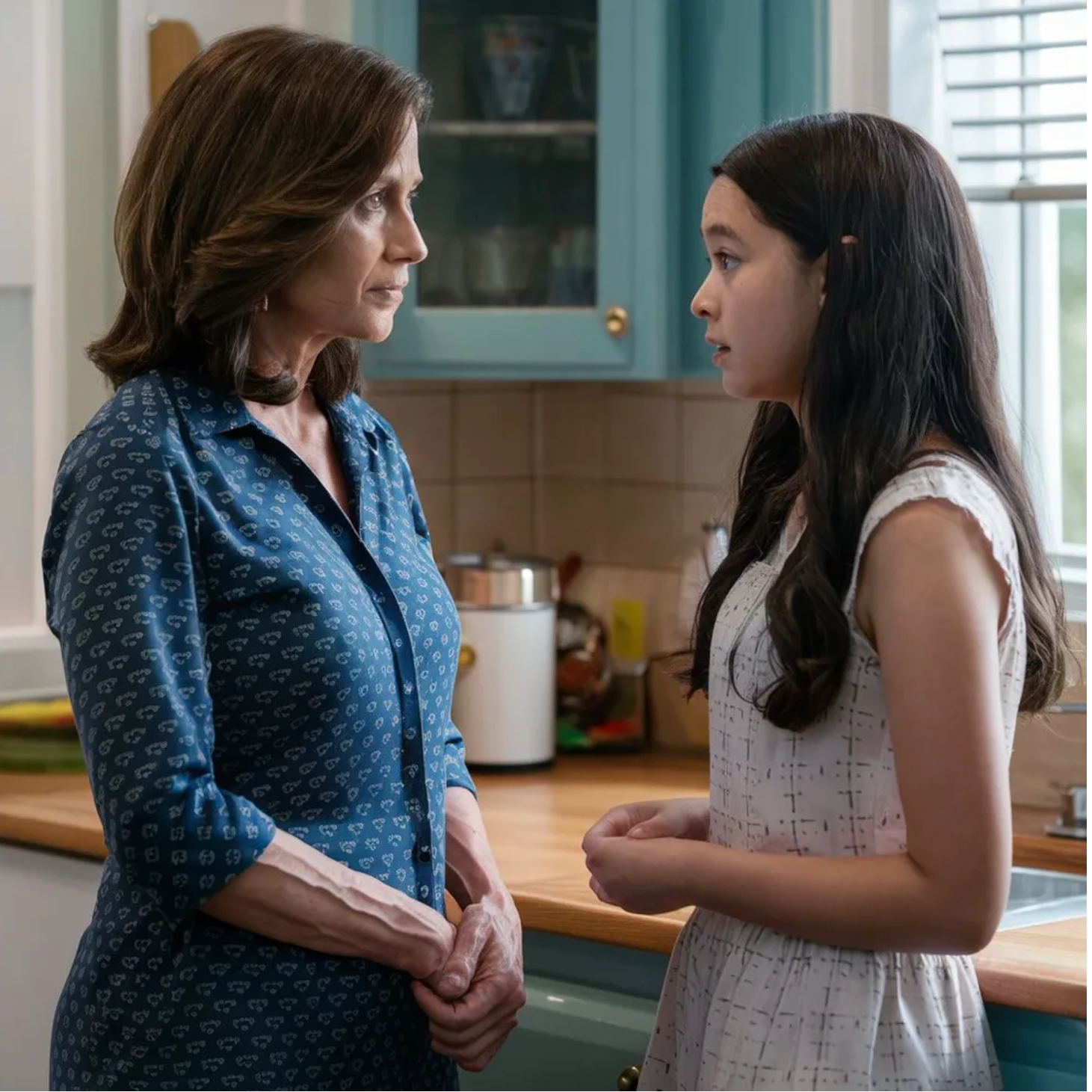
I waited all night.
John fell asleep on the sofa around three, but I couldn’t relax. I sat at the kitchen table, staring at my phone, hoping it would ring.
Stephanie was the first to break down. She came into the kitchen at dawn, her face swollen and red from crying.
She didn’t come home after that.
‘Mum,’ she said. ‘Mum, I’m sorry.’
She told me how she had overheard my conversation with my sister a few months ago when I was talking about prayer, about promises, about how grateful I was that God had given me both girls.
She also said that she twisted it and used it against Ruth in an argument, that the words were meant to hurt, to win.
‘I never thought she would actually leave. I didn’t mean it. I didn’t mean any of it.’
I hugged my noisy, angry, broken daughter and let her cry.
The days dragged on. John kept saying she would come back. That she just needed time. I wanted to believe him.
On the fourth day, I saw her near the front window.
She was standing on the porch with her overnight bag, hesitating.
I opened the door before she could knock.
I opened the door before she could knock.

She looked tired.
‘I don’t want to be your promise,’ she said. ‘I just want to be your daughter.’
I pulled her close and hugged her tightly.
‘You always have been, baby. You always have.’
Then she started crying. Not the careful, quiet tears she had learned to shed, but the rough sobs that make your whole body shake.
I pulled her close and hugged her tightly.
What will happen next to these characters? Share your thoughts in the comments.