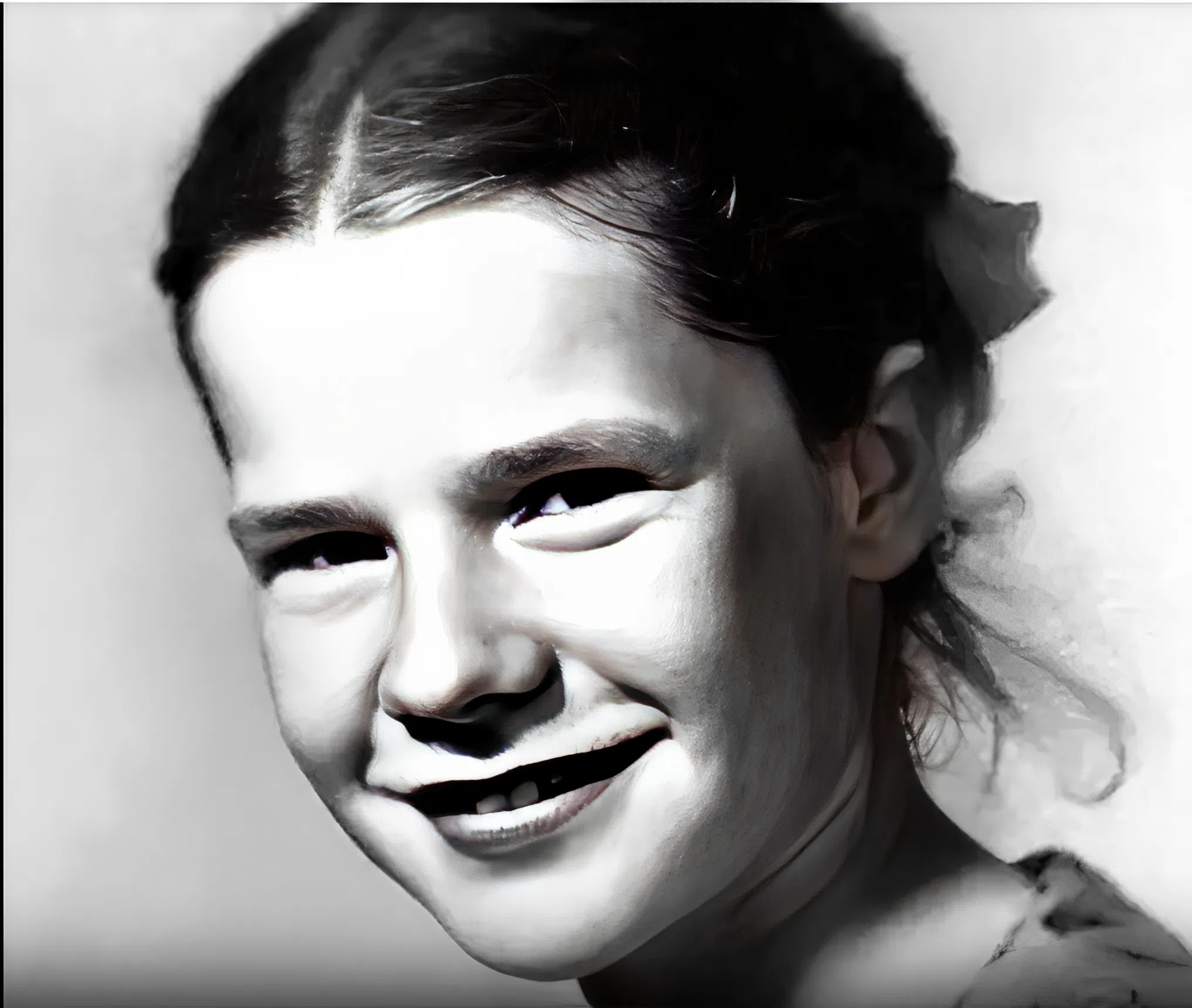
People would say she was so ugly.
For the life of me, I never ever saw her that way.
She was slim and trim, thick hair, a bit of a native pretty look to her eyes, never needed makeup and could sing like angels calling from heaven.
Very different from the start
On January 19, 1943, a baby girl was born in Port Arthur, Texas. Her parents were everyday working folks and perfectly normal. Her mother, Dorothy, worked at a local college, and her father, Seth, was an engineer at Texaco.
The family was deeply religious and sought a quiet, God-centered life. But it quickly became clear that their daughter was different from other kids. She demanded more attention and had a unique spark that set her apart.
From an early age, it was obvious she was drawn to unconventional people and determined to carve her own path.
The artist grew up in a deeply segregated town, at a time when integration was fiercely debated — this was the era of Brown v. Board of Education in 1954. They and their friends stood out as the town’s intellectual liberals, curious about the world and eager to understand the African-American experience. They devoured beatnik literature, soaked in jazz, and listened closely to folk blues.
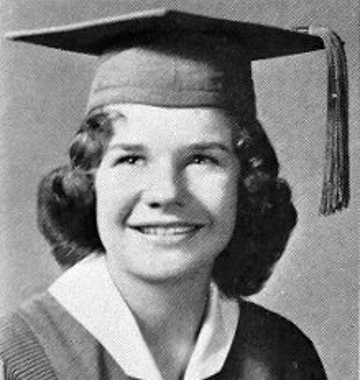
She became Port Arthur’s first female beatnik, frizzed her hair by drying it in the oven, skipped wearing a bra, and developed her own unmistakable cackle of a laugh… a friend once remembered her asking, “Was it irritation enough?”
The star discovered a love for singing in high school, especially blues and folk music. But those years were far from easy. She faced relentless bullying and was socially ostracized.
As a teenager, she struggled with weight and severe acne, leaving her face scarred. The scarring was so pronounced that she eventually underwent procedures to improve her appearance.
As one classmate recalled, according to Alice Echols’ biography:
“She’d been cute, and all of a sudden she was ugly.”
Her younger sister Laura described her skin as “a never-ending series of painful bright red pimples.”
“Ugliest man on campus”
The future star enrolled at a local college before transferring to the University of Texas at Austin.
At campus, she went barefoot when she felt like it, wore Levi’s to class because they were more comfortable, and carried her autoharp with her everywhere she went so that if the urge to break into song struck, it would be handy.
“She ran with a tight group who hung out with books and ideas,” her younger sister, Laura, recalled in a documentary.
In 1962, while at UT Austin, the future icon nearly “won” a campus contest for the “ugliest man on campus.” Whether she entered as a joke or nominated herself remains unclear, but friends who were there that year agree it humiliated her.
”She felt like an outsider. She couldn’t identify with the same goals and desires that a lot of her classmates had,” her sister said.
Sadly, the focus on her appearance would shadow her throughout her career, sometimes overshadowing her incredible talent. The scars and unconventional looks became part of her story. Many people doubted she belonged on stage because of her appearance, and she felt their judgment deeply.
Climb to fame
But there was one thing no one could resist with this woman.
And it’s what carried her to the highest heights: her voice.
The artist’s climb to fame began in January 1963, when she dropped out of college and hitched a ride to San Francisco, chasing her dream of making it as a performer.
She sang in coffeehouses and lived off handouts, and everyone who heard her recognized the raw talent that promised stardom. But in the early 1960s, most record label scouts were hunting for young, conventionally attractive women — a category she didn’t fit.
Her true gift shone in the folk scene, which was largely underground and untouched by commercial pressures.
Back in Austin, the star had gained a reputation for drinking. In San Francisco, that habit escalated, and she fell into the city’s drug scene. Speed was still legal and easy to get; when it became harder to find, she turned to heroin.
”I wanted to smoke dope, take dope, lick dope, suck dope, fuck dope, anything I could lay my hands on I wanted to do it,” she once told reporter.
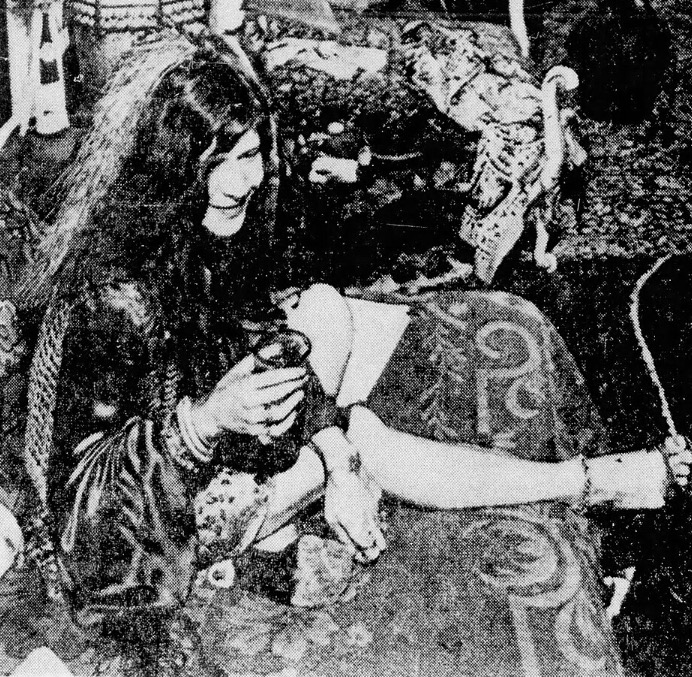
Especially after she broke through, she began turning to heroin as a way to numb herself from all the pressures and the fear of what it was like being a solo artist at that stage of her career. Throughout her life, she experimented with other psychoactive drugs and drank heavily, her favorite being Southern Comfort.
After two years in San Francisco, the aspiring singer was a complete wreck.
By 1965, she had fled back to Texas, weighing just six stone. She spent a year at home getting herself together. Old classmates suddenly saw her in dresses and makeup, her hair neatly pulled into a bun. She went into therapy, re-enrolled in college, and even talked seriously about becoming a secretary.