
Nicholas King Nolte was born on February 8, 1941, in Omaha, Nebraska. He grew up in a middle-class family; his father, Franklin Arthur Nolte, worked as a traveling salesman, while his mother, Helen King Nolte, was an antiques expert who served as a buyer for a department store.
With German, English, Scottish, and Swiss-German roots, Nolte was surrounded by a blend of cultural influences that shaped his early life.
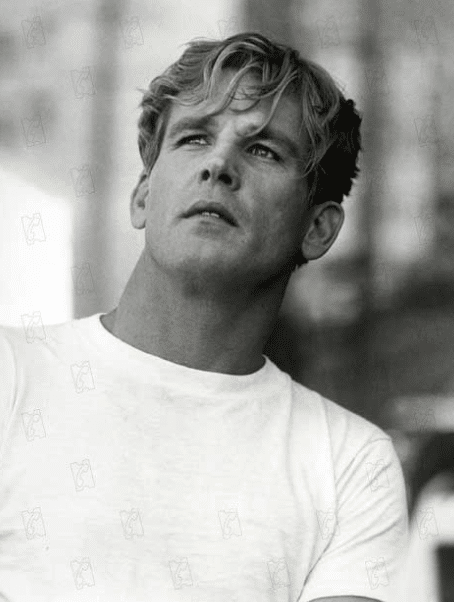
His path toward acting began after he received football scholarships to several schools, including Arizona State University and Eastern Arizona College. But Nolte eventually realized that his true calling was not on the field. He left school to pursue acting full time, training rigorously at the Pasadena Playhouse and the Stella Adler Academy in Los Angeles.
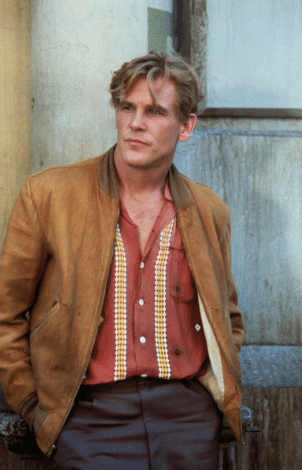
In the beginning, Nolte struggled to secure more than small parts in theater and television. To make ends meet, he worked various odd jobs—including modeling—which ultimately opened doors to more substantial opportunities.
Breakthrough and rise to fame.
Nolte’s defining breakthrough arrived in 1976 when he earned a role in the television film Rich Man, Poor Man. His performance as the intense and driven Tom Jordache brought him widespread praise and propelled him into the national spotlight. This role played an essential part in launching the film career that followed.
Building his reputation in Hollywood.
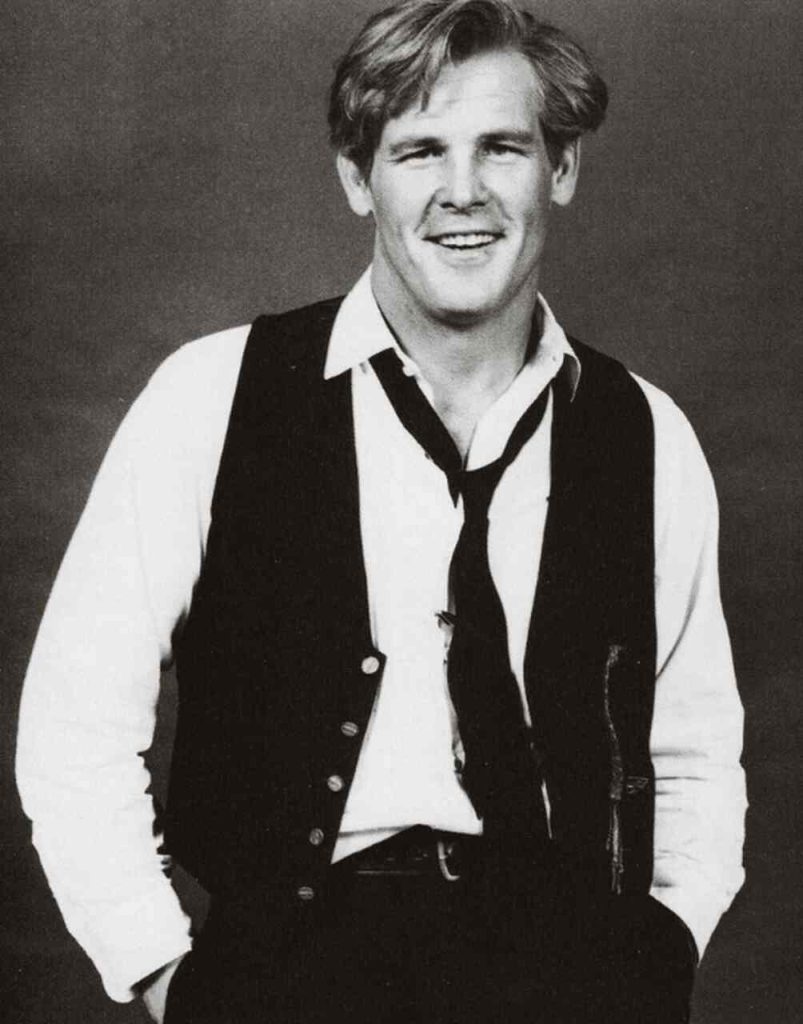
Nick Nolte went on to deliver standout performances in films such as 48 Hours with Eddie Murphy and The Prince of Tides with Barbra Streisand.
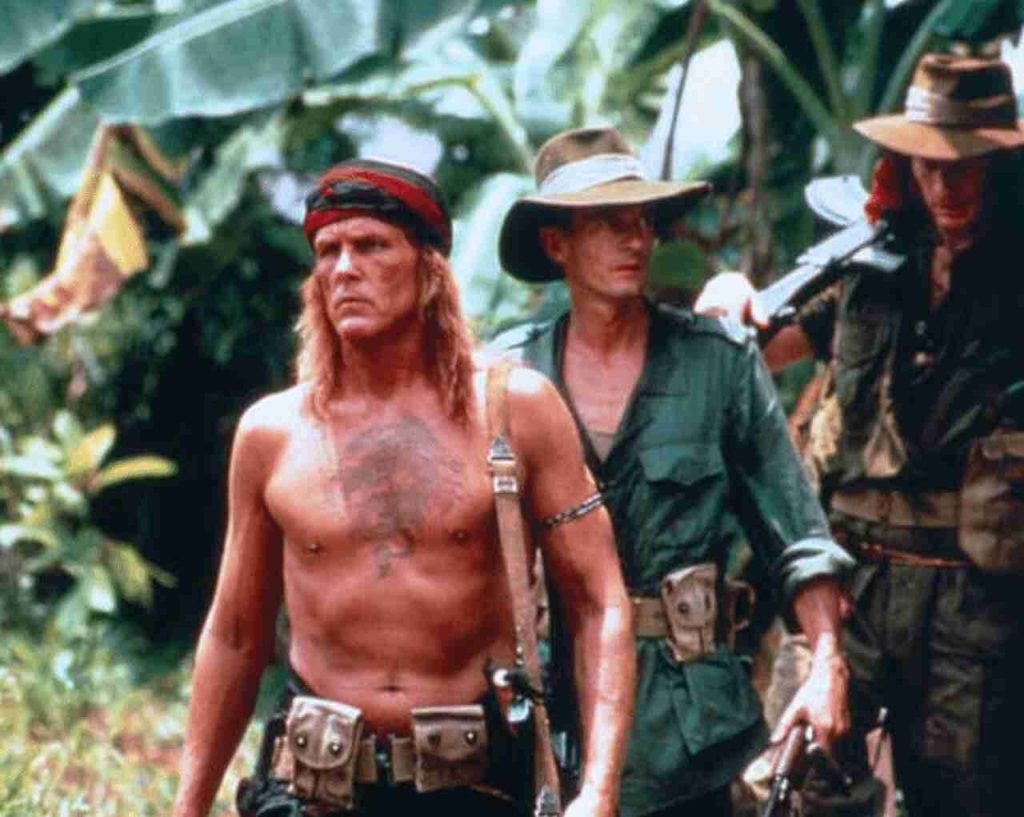
He showed remarkable depth playing a troubled lawyer in Cape Fear, a role that drew strong critical acclaim. His work in Affliction and Warrior further solidified his stature, earning him Academy Award nominations for both films. These films underscore the magnitude of Nolte’s talent and his enduring influence on Hollywood.
Later career and legacy.
As Nolte grew older, the roles he took on shifted, reflecting the wisdom and gravitas that come with time. Despite personal struggles and various controversies, he remained devoted to his craft. Today, he is still regarded as one of the most respected and iconic performers in the industry.