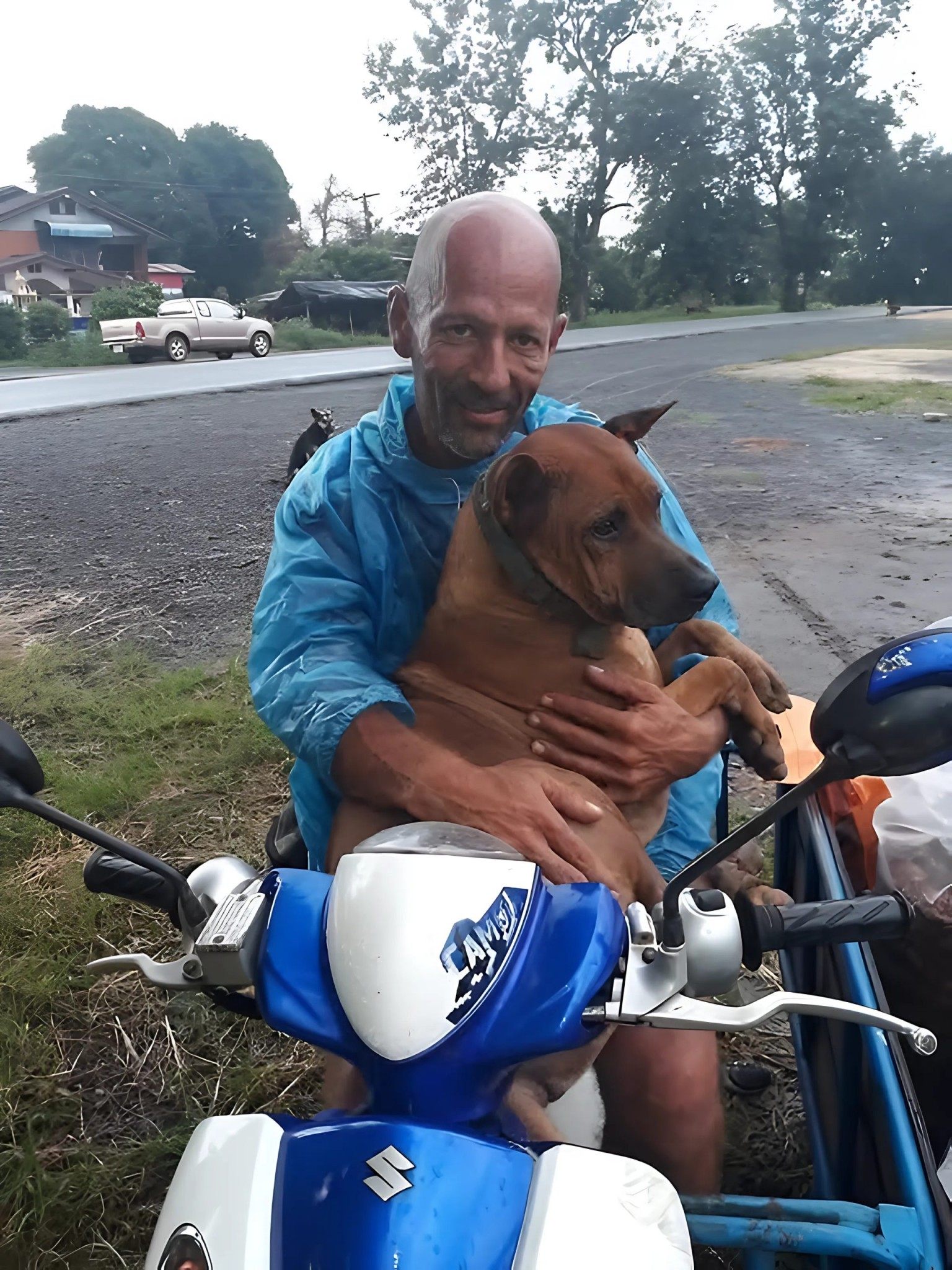
That night, I curled up on the couch next to Mello. He was snoring softly, resting his head on my belly. He looked so peaceful. It made me think of the countless times I’d felt alone in my flat, the quiet nights when the only light was the screen of my phone. Now Mello’s soft breathing was my nightly lullaby, and that made all the difference.
About a week later, I got another call from Raya. ‘I just wanted to check on him,’ she said. ‘How’s Rusty doing, huh, Mello?’
Her voice sounded more cheerful this time. I imagined her smiling softly when she heard that Mello was getting better. I told her I would send some pictures. After we hung up, I took a few shots of Mello stretched out on the couch, belly up, tongue hanging out to the side in total relaxation. I realised how much he had changed in just a couple of weeks: his coat was starting to grow back in patches and his eyes seemed brighter.
When I sent the photos to Raya, she responded almost immediately. “Oh my goodness, he looks so happy. Thank you.” And a moment later she added: ‘You saved him.’
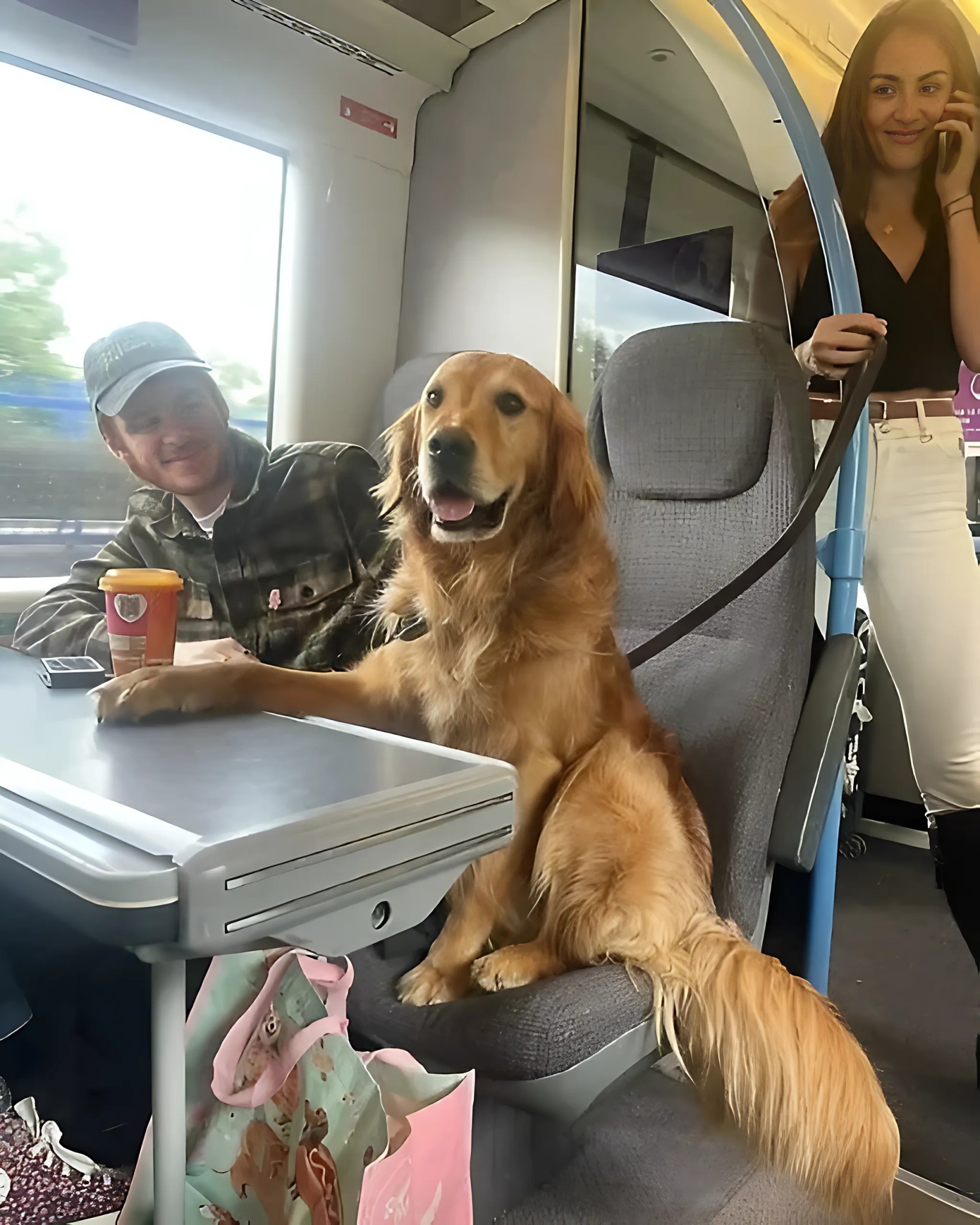
But really, he saved me, too. For a while I was fixated on one pattern: go to work, come home, mindlessly flip through my phone, repeat. Even going grocery shopping the day I found him was a routine for me, something on my to-do list. Now I had a reason to get up at dawn for short walks, a reason to be present, a reason to laugh. Every day, Mello reminded me that there was more to life than just doing the usual activities.
A few days later, a strange spot on Mello’s X-ray turned out to be an old scar from a pellet lodged near his lung. Someone had probably treated him like a target, the vet said. My stomach twisted at the thought of it, but instead of anger, I felt a new sense of purpose. This dog had been through more than I could have imagined. And yet he was still capable of unconditional love – still climbing into my lap every chance he got, still trusting that I wouldn’t hurt him.
The medical bills kept piling up, but I was managing. I started cutting back on a lot of small expenses – daily trips for coffee, random online shopping – and I didn’t resent it for a second. I knew that every time I decided to give up a fancy latte, that money was going towards Mello’s recovery. And for some reason, that seemed so much more satisfying to me.
One morning when I opened the door, I discovered a small package. Inside was a handwritten note: “Thank you for all you have done. For giving Mello (Rusty) a second chance. You have no idea what that means to us. Love, Raya. Underneath the note was a small plush toy in the shape of a smiling sun. Mello went crazy over it, squeaking like it was the biggest treasure in the world.
Days passed into weeks, and Mello’s strength returned. I noticed that he was less likely to sneak onto the couch at night because he had found a cosy spot in the corner of my bed. His ribs were no longer visible and his lichen was almost completely gone. His fur was soft and patchy, but growing.
The biggest surprise was Rai telling me that she and her husband had moved away from relatives, found a small flat that allowed pets, and wanted to know if she could visit Mello. ‘We’re not asking to take him away,’ she quickly added. ‘We just…miss him.’
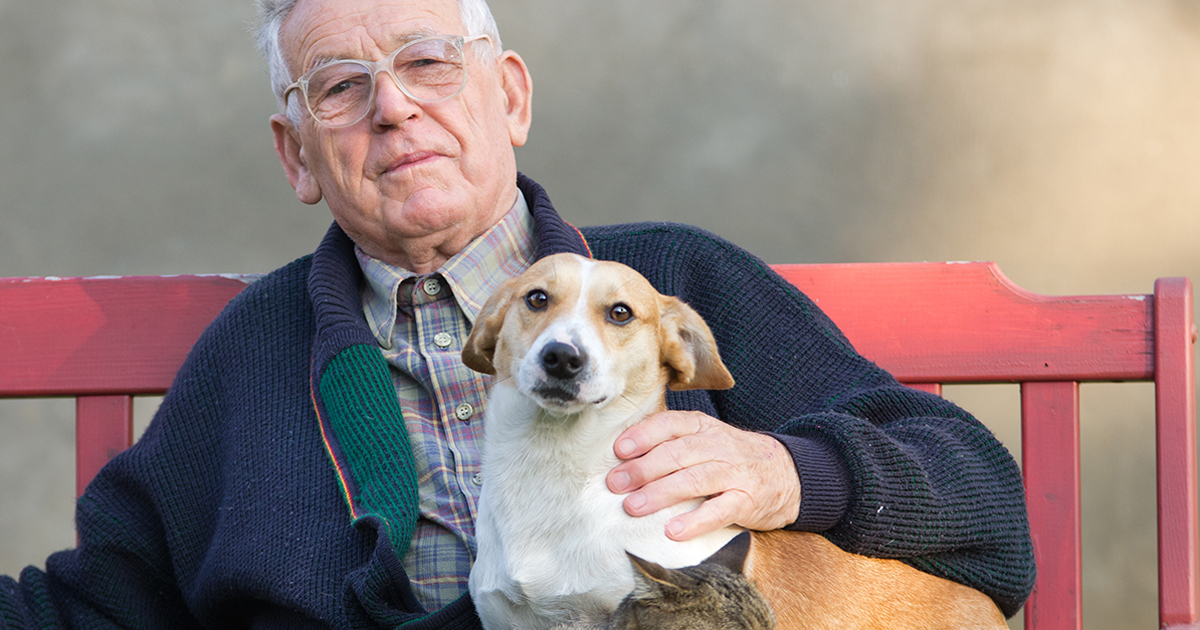
It took me a moment to sort out my feelings. Part of me worried that Mello would want to go back to his old family. The other part thought he was already completely mine. But upon reflection, I realised that the best thing for Mello and for me was to let him reunite with the people who had once cared for him, if only for a while.
A few Saturdays later, Raya and her husband Niles came to visit me. As soon as they crossed the threshold of my living room, Mello rushed towards them, tail wagging like a helicopter blade. There were tears in both of their eyes. There was so much joy in that moment. But something amazing also happened. After Mello showered them with a flurry of kisses, he looked back at me and pressed himself against my leg. The message was clear: he remembered them, but he chose me anyway.
We spent a couple of hours talking, laughing and watching Mello alternately chew on a squeaky sun toy and plop into my lap. I offered to let them take him for the weekend, but they shook their heads. ‘He belongs to you now,’ Raya said, smiling through watery eyes. ‘We just wanted to know he was safe and happy.’
When they left, I realised how much healing had happened in that room – for Mello, for them and for me. I had helped him heal, but he had also shown me unconditional love that I had never experienced before.
In the months that followed, Mello grew into a healthy, energetic dog. His limp became less noticeable, and his scars – even the emotional ones – seemed to fade. Everywhere I went, people smiled at him and told me how friendly he was. I only smirked, remembering how he had once been a shivering hobo on the side of the road, barely able to hold his head up.
One day I looked down and saw him stretched out in my lap again. His fur was thick and shiny and his eyes were bright. He lifted his head, sighed contentedly, and it hit me: how many of us have been like Mello at some point – broken by life, but desperate to trust again? How many of us need just one person to stop, notice us, and care?
The biggest lesson I have learnt from Mello’s life is this: sometimes giving a little love and kindness can change not only another life, but also your own. Compassion is not an obligation, it’s a gift that brings people (and dogs) together in the most unexpected ways.
If you enjoyed this story, please share it with others who need a reminder that second chances are real. And if you’re feeling inspired, click the ‘Like’ button to let more people know about Mello’s journey. We never know who might be out there – exhausted, hoping for an outstretched hand – and just waiting to collapse into the lap of the right person.