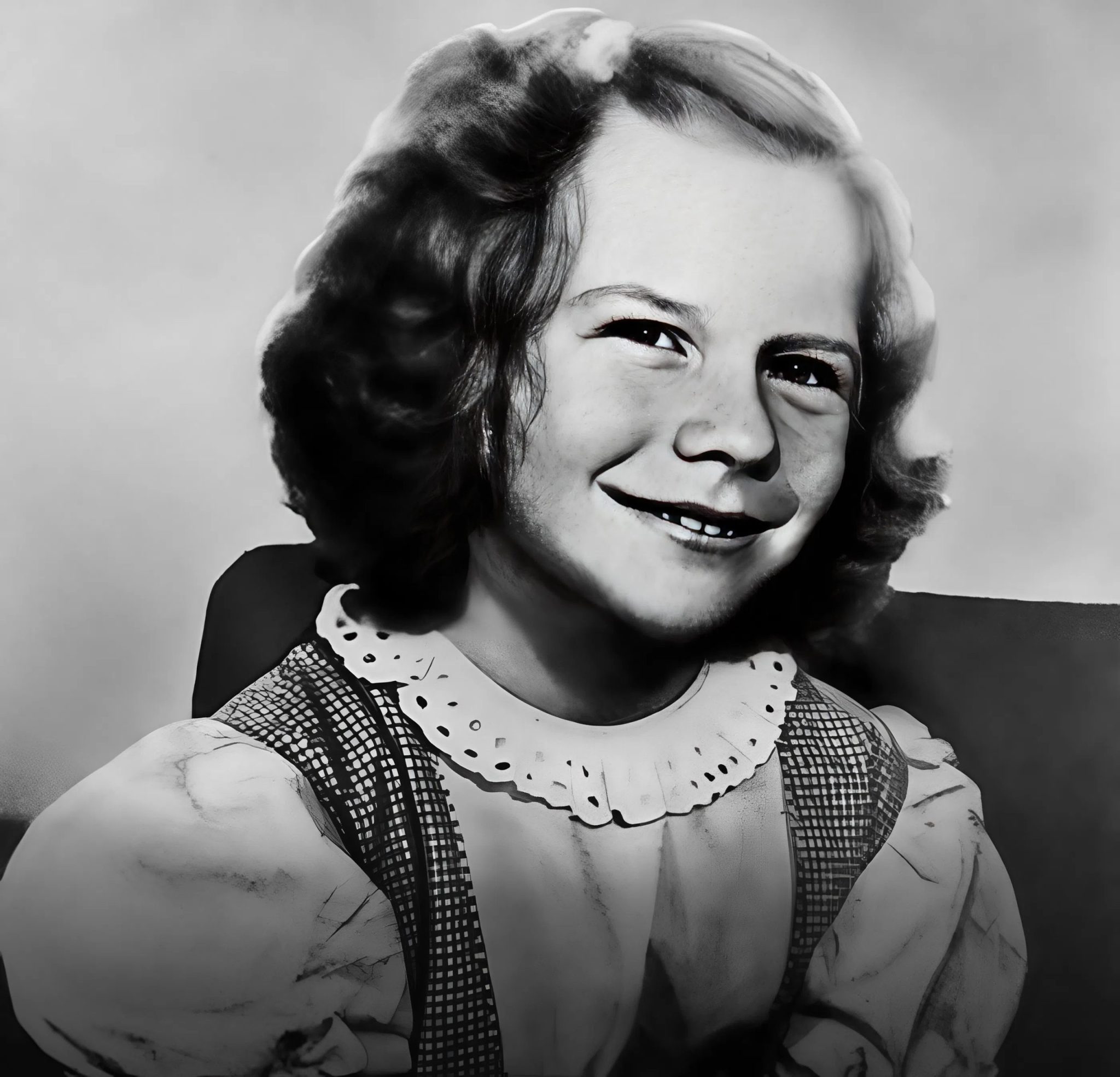
In June 1966, the band played the Monterey Pop Festival, originally slotted for a low-profile afternoon set. The moment she sang, the audience erupted, and the band was moved to a prime evening slot the next day. Bob Dylan’s manager noticed them and signed them to Columbia Records for $250,000.
Monterey became their breakthrough—both for the band and for their electrifying lead singer. Almost overnight, the woman once mocked for her looks was treated as magnetic and glamorous. She spoke openly about her love life, kept the press watching, and even told Rolling Stone about a one-night encounter with football star Joe Namath. Rumors also swirled about a fling with talk show host Dick Cavett, who interviewed her more than once.
“I’m not a warthog that nobody wants to climb in bed with. Everyone want to climb in bed with me,” she said.
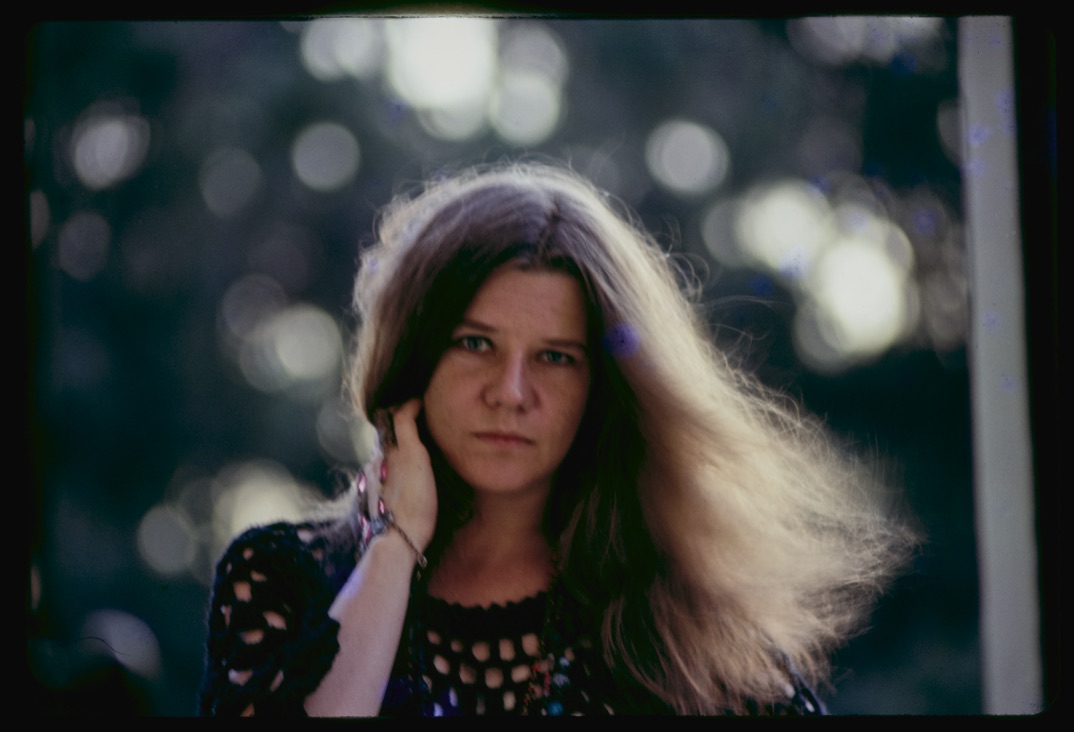
She became the first female rock star to reach true celebrity and icon status, appearing on major magazine covers like Newsweek and Rolling Stone.
And by now, the name is unmistakable.
It was Janis Joplin.
American singer-songwriter Janis Joplin posing for a portrait in San Francisco, United States circa 1967-1968. (Photo by Ray Andersen/Fantality Corporation/Getty Images)
Long before filters, viral makeovers, and cosmetic trends, Janis Joplin became a real sex symbol for a reason that had nothing to do with perfection: her voice projected beauty, force, and emotional truth. After recording two albums with Big Brother, she moved forward on her own—first with the Kozmic Blues Band and later with the Full Tilt Boogie Band.
She ultimately scored five hits on the U.S. Billboard Hot 100, including her posthumous number-one cover of Kris Kristofferson’s “Me and Bobby McGee,” which reached the top spot in March 1971.
Her most unforgettable songs include her fierce interpretations of “Piece of My Heart,” “Cry Baby,” “Down on Me,” “Ball and Chain,” and “Summertime,” along with “Mercedes Benz,” her final recording.
Her musical heroes included Odetta, Billie Holiday, and Otis Redding, but the artist who may have shaped her most deeply was blues legend Bessie Smith. Janis was outraged that Smith had been buried in an unmarked grave in Philadelphia. In August 1970, she partnered with Juanita Green—who had worked for Smith as a child—to pay for a proper headstone, finally giving Smith the tribute she deserved.
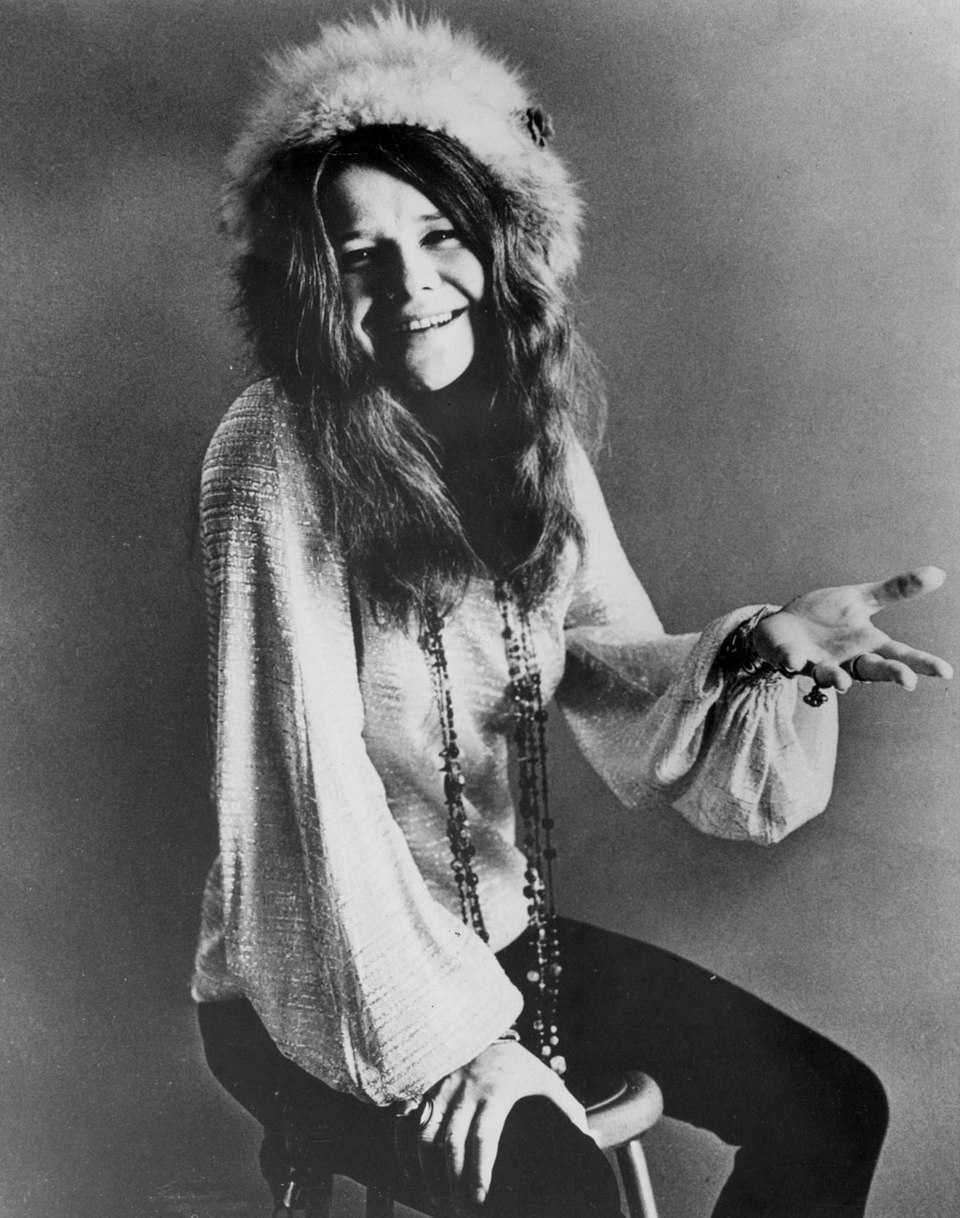
Looking back, it’s also clear Janis carried a strong need to please her parents. Amy Berg’s feature-length documentary Little Girl Blue draws on Janis’s letters to show how often she tried to justify her life choices to her family back in Port Arthur.
“Weak as it is, I apologize for being just so plain bad in the family,” she wrote after leaving for San Francisco.
Even as she rebelled, her parents largely supported her, though they worried about her drug use. In the documentary, Laura says their parents even questioned whether their shortcomings had “caused a calamity.” Yet at least once, they invited friends to their home to watch their daughter perform on The Ed Sullivan Show.
Laura later explained that their parents were proud, but also products of their generation—unable to fully understand the hippie movement. Still, they chose to stay close. They had learned to “agree to disagree,” believing the relationship mattered more than forcing compliance. They worried, as parents do, but they kept the lines of communication open in hopes they could still influence and protect her.
Tragically, Janis Joplin died far too young. She was 27 when she was found dead at the Landmark Hotel in Los Angeles in October 1970. She was discovered by her road manager and close friend, John Byrne Cooke.
Reports indicate she had spent time in the studio that day and seemed in good spirits, though a boyfriend and girlfriend she expected to meet never arrived. At the time, she was involved with two partners: her fiancé, Berkeley student Seth Morgan, and Peggy Caserta, with whom she had an on-and-off relationship.
Later, she returned to her hotel and died from a heroin overdose. It was later reported that the heroin she used that night was unusually pure, and the same batch also killed eight other people in Los Angeles that weekend.
Janis Joplin was cremated at Pierce Brothers Westwood Village Memorial Park and Mortuary in Los Angeles, and her ashes were scattered over the Pacific Ocean from a plane.
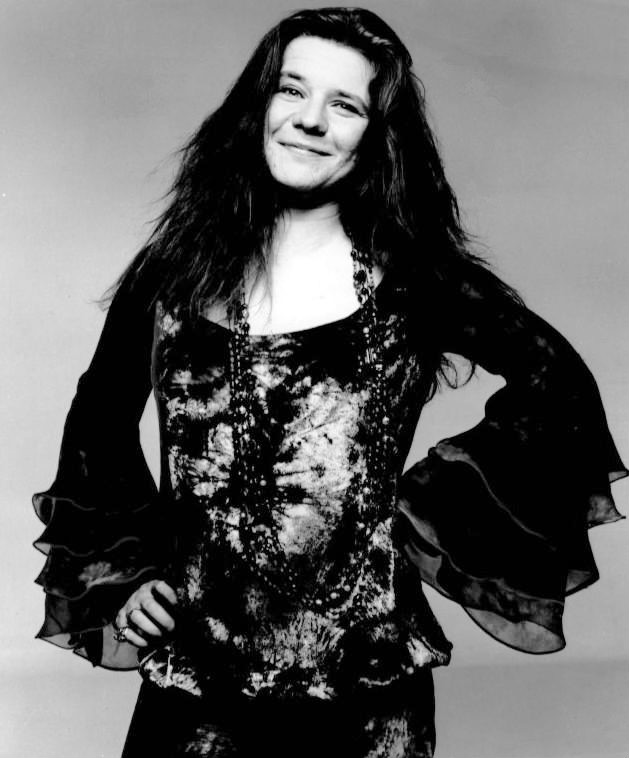
Through it all, Janis remained grounded in the way that mattered: she loved her music, and she loved the people who listened. She wasn’t just performing for a movement—she was part of it, its voice and its nerve center, both audience and icon at once.
Thank you for everything, Janis.