They told us we didn’t belong there. One moment my grandson was giggling through a cloud of whipped cream, and the next a stranger muttered under his breath while a waitress quietly suggested we leave the café. I thought it was simple unkindness—until Ben pointed at her face… and everything I believed about our lives shifted.
My daughter and her husband had spent nearly ten years trying to have a child. Pills, specialists, treatments—everything short of surrender. Their house felt heavy with silence, as if even hope was holding its breath.
I remember my daughter sitting by the window at dusk, hands folded, eyes blank. She wasn’t crying, but she wasn’t present either. She seemed suspended in a kind of sadness she couldn’t name.
Then one evening my phone rang. Her voice trembled—somewhere between laughter and sobs. “Mom,” she whispered, “we’re adopting.”
I dropped the dish I was washing. It shattered in the sink, but I didn’t feel a thing. I sat down, stunned, water dripping from my hands.
We were nervous, of course. All the “what-ifs” haunted us. But when little Ben arrived, it was as though he had always belonged with us. He was tiny, solemn, and observant. A gift none of us expected.
The first time they placed him in my arms, he didn’t cry. He just stared up at me with deep concentration, as if figuring out who I was. Then he reached out and curled his small fingers around mine, holding on as though he already knew I was his.
Everything changed. He wasn’t ours by blood, but by something far deeper. I still don’t know the word for it—but I feel it every day.
Then last year, everything collapsed.
A truck ran a red light while my daughter and her husband were driving home from a trip. One phone call—one devastating phone call—took everything.
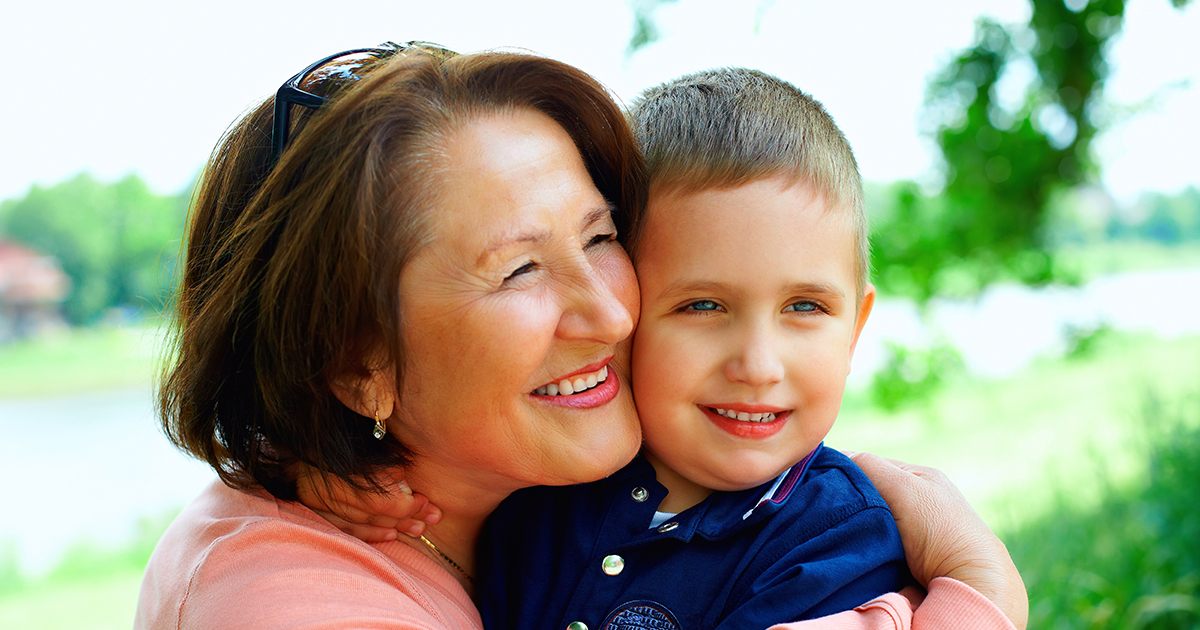
And suddenly, at 64, I was a mother again.
Grief hardens you in places you didn’t know existed. Some mornings I ache in bones I can’t even name. My fingers cramp when I knit too long. My knees protest halfway through the market. But I keep going. Because Ben needs me. He is all that matters now.
I sell produce and flowers at the farmers market to make ends meet. Tulips in spring, tomatoes in summer. At night I knit scarves and bags and mittens when my hands allow it. We live simply, but our little home is warm, and there is plenty of love.
That morning, Ben had a dentist appointment. He sat bravely in the big chair, gripping my hands tight. Not one tear. He held my gaze the whole time, as though he could face anything as long as I was there.
“You okay, honey?” I asked.
He nodded, though fear lingered in his eyes.
Afterward, I wanted to treat him.
“Hot chocolate?” he whispered, like the hope itself was fragile.
“You earned it,” I said.
We walked to a sleek café near Main Street—white tiles, wooden counters, quiet people with expensive drinks and glowing laptops. The kind of place where the door opens, heads turn, then quickly look away.
We didn’t fit in, but I figured no one would mind if we sat quietly by the window.
Ben picked a seat with a view. I helped him out of his puffy coat. Muffled laughter bubbled out of him when static made his curls stand up. The waitress brought a tall mug overflowing with whipped cream. His whole face lit up.
He leaned in for a sip and came away with cream on his nose. I laughed and reached for a napkin.
Then a sharp noise cut the air.
A man at the next table clicked his tongue. “Can’t you control him?” he muttered. “Kids these days.”
I turned, stunned. My face burned.
The woman with him didn’t even look up. “Some people just don’t belong in places like this.”
Ben’s smile disappeared. His shoulders sagged. “Grandma,” he whispered, “did we do something bad?”
“No, baby,” I said softly. “Some people just don’t know how to be kind.”
I thought that would be the end of it.
But then the waitress approached.
She wasn’t harsh. Her voice was gentle, almost apologetic.
“Ma’am… maybe you’d be more comfortable outside? There’s a bench across the street. It’s quiet there.”
The message was unmistakable. She wanted us gone—not because of our behavior, but because of who we were.
I considered protesting. But Ben’s lip trembled, and his little hand clutched the table.
“Ben,” I said quietly, gathering his things, “let’s go.”
But then he surprised me. “No, Grandma. We can’t leave.”
“Why not, honey?”
He didn’t answer. He stared behind me.
I turned.
The waitress—walking back to the counter. And Ben wasn’t looking at her clothes. He was staring at her face.
“She has the same spot,” he whispered.
“The same what?”
He touched the area beneath his eye. “The same little dot. Like mine.”
I looked carefully. There it was—a tiny brown birthmark on her left cheekbone. Same shape. Same color. Same placement as Ben’s.
My heart lurched. Her nose… her eyes… even her expression. Suddenly she didn’t look like a stranger. She looked like someone connected to him.