They told us we didn’t belong there. One moment my grandson was giggling through a cloud of whipped cream, and the next a stranger muttered under his breath while a waitress quietly suggested we leave the café. I thought it was simple unkindness—until Ben pointed at her face… and everything I believed about our lives shifted.
My daughter and her husband had spent nearly ten years trying to have a child. Pills, specialists, treatments—everything short of surrender. Their house felt heavy with silence, as if even hope was holding its breath.
I remember my daughter sitting by the window at dusk, hands folded, eyes blank. She wasn’t crying, but she wasn’t present either. She seemed suspended in a kind of sadness she couldn’t name.
Then one evening my phone rang. Her voice trembled—somewhere between laughter and sobs. “Mom,” she whispered, “we’re adopting.”
I dropped the dish I was washing. It shattered in the sink, but I didn’t feel a thing. I sat down, stunned, water dripping from my hands.
We were nervous, of course. All the “what-ifs” haunted us. But when little Ben arrived, it was as though he had always belonged with us. He was tiny, solemn, and observant. A gift none of us expected.
The first time they placed him in my arms, he didn’t cry. He just stared up at me with deep concentration, as if figuring out who I was. Then he reached out and curled his small fingers around mine, holding on as though he already knew I was his.
Everything changed. He wasn’t ours by blood, but by something far deeper. I still don’t know the word for it—but I feel it every day.
Then last year, everything collapsed.
A truck ran a red light while my daughter and her husband were driving home from a trip. One phone call—one devastating phone call—took everything.
And suddenly, at 64, I was a mother again.
Grief hardens you in places you didn’t know existed. Some mornings I ache in bones I can’t even name. My fingers cramp when I knit too long. My knees protest halfway through the market. But I keep going. Because Ben needs me. He is all that matters now.
I sell produce and flowers at the farmers market to make ends meet. Tulips in spring, tomatoes in summer. At night I knit scarves and bags and mittens when my hands allow it. We live simply, but our little home is warm, and there is plenty of love.
That morning, Ben had a dentist appointment. He sat bravely in the big chair, gripping my hands tight. Not one tear. He held my gaze the whole time, as though he could face anything as long as I was there.
“You okay, honey?” I asked.
He nodded, though fear lingered in his eyes.
Afterward, I wanted to treat him.
“Hot chocolate?” he whispered, like the hope itself was fragile.
“You earned it,” I said.
We walked to a sleek café near Main Street—white tiles, wooden counters, quiet people with expensive drinks and glowing laptops. The kind of place where the door opens, heads turn, then quickly look away.
We didn’t fit in, but I figured no one would mind if we sat quietly by the window.
Ben picked a seat with a view. I helped him out of his puffy coat. Muffled laughter bubbled out of him when static made his curls stand up. The waitress brought a tall mug overflowing with whipped cream. His whole face lit up.
He leaned in for a sip and came away with cream on his nose. I laughed and reached for a napkin.
Then a sharp noise cut the air.
A man at the next table clicked his tongue. “Can’t you control him?” he muttered. “Kids these days.”
I turned, stunned. My face burned.
The woman with him didn’t even look up. “Some people just don’t belong in places like this.”
Ben’s smile disappeared. His shoulders sagged. “Grandma,” he whispered, “did we do something bad?”
“No, baby,” I said softly. “Some people just don’t know how to be kind.”
I thought that would be the end of it.
But then the waitress approached.
She wasn’t harsh. Her voice was gentle, almost apologetic.
“Ma’am… maybe you’d be more comfortable outside? There’s a bench across the street. It’s quiet there.”
The message was unmistakable. She wanted us gone—not because of our behavior, but because of who we were.
I considered protesting. But Ben’s lip trembled, and his little hand clutched the table.
“Ben,” I said quietly, gathering his things, “let’s go.”
But then he surprised me. “No, Grandma. We can’t leave.”
“Why not, honey?”
He didn’t answer. He stared behind me.
I turned.
The waitress—walking back to the counter. And Ben wasn’t looking at her clothes. He was staring at her face.
“She has the same spot,” he whispered.
“The same what?”
He touched the area beneath his eye. “The same little dot. Like mine.”
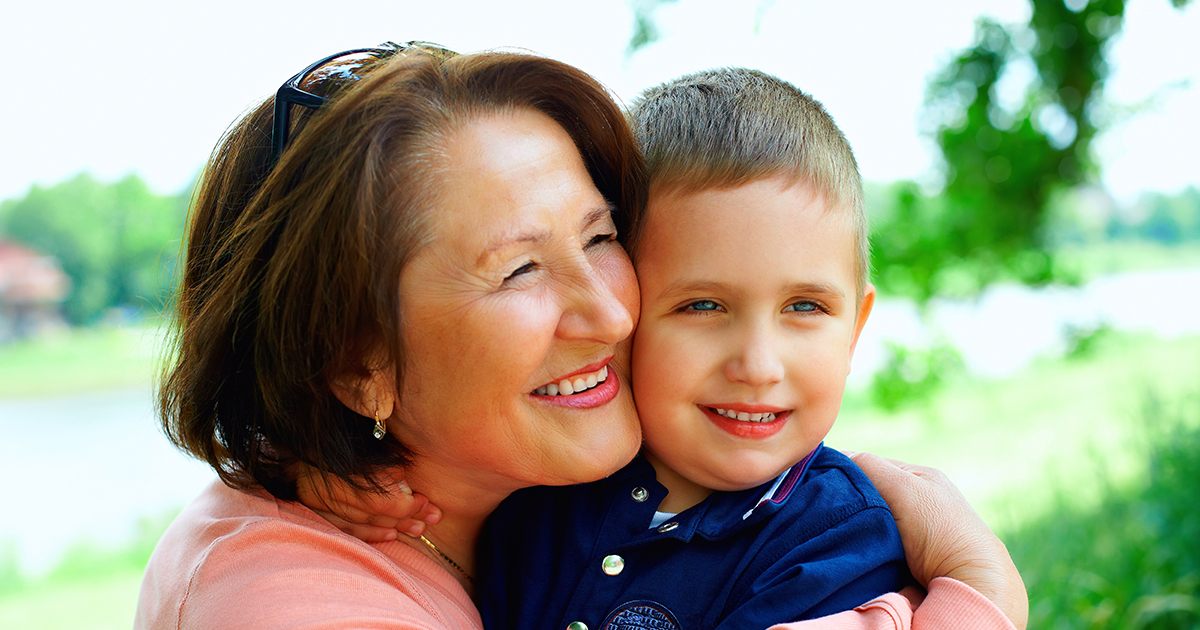
I looked carefully. There it was—a tiny brown birthmark on her left cheekbone. Same shape. Same color. Same placement as Ben’s.
My heart lurched. Her nose… her eyes… even her expression. Suddenly she didn’t look like a stranger. She looked like someone connected to him.
I didn’t want to leap to conclusions. But something in my chest tightened.
When she brought the check, I forced a polite smile. “Sorry if we were a bit loud. We’re heading out. My grandson noticed your birthmark—that’s why he keeps staring.”
She looked at Ben. Her eyes lingered. Something flickered—confusion, recognition… or maybe pain.
She walked away silently.
Outside, the cold air stung our faces. I bent to zip Ben’s coat when hurried footsteps approached.
“Ma’am.”
It was her. The waitress.
Her face was pale, hands trembling. “Could I speak with you? Alone?”
I glanced at Ben, then at her. Something in her expression told me this was bigger than an apology.
“Ben, stay here on the sidewalk, okay?”
He nodded obediently.
The waitress—Tina, her name tag read—took a breath, as if she’d been holding it for years.
“I’m sorry about inside,” she said. “That shouldn’t have happened.”
“It’s fine,” I murmured.
“It’s not,” she insisted. “But… that’s not why I’m here.” Her voice quivered. “I need to ask you something. Is he… is the boy your biological grandson?”
I froze. The question hit like a shock, yet it felt like she already suspected the answer.
“No,” I finally said. “My daughter adopted him five years ago. She and her husband… passed away last year, and I’ve been raising him.”
Her eyes filled instantly. She clung to her apron like it was the only thing keeping her steady.
“His birthday,” she whispered. “Is it September 11th?”
My heart nearly stopped. “Yes.”
She broke—covering her mouth as tears spilled out.
“I gave birth to a baby boy that day,” she said. “I was 19. Alone. No family. No money. My boyfriend left me. Adoption felt like the only choice. I signed the papers and… I’ve regretted it every day since.”
I didn’t know how to respond. My heart cracked wide open.
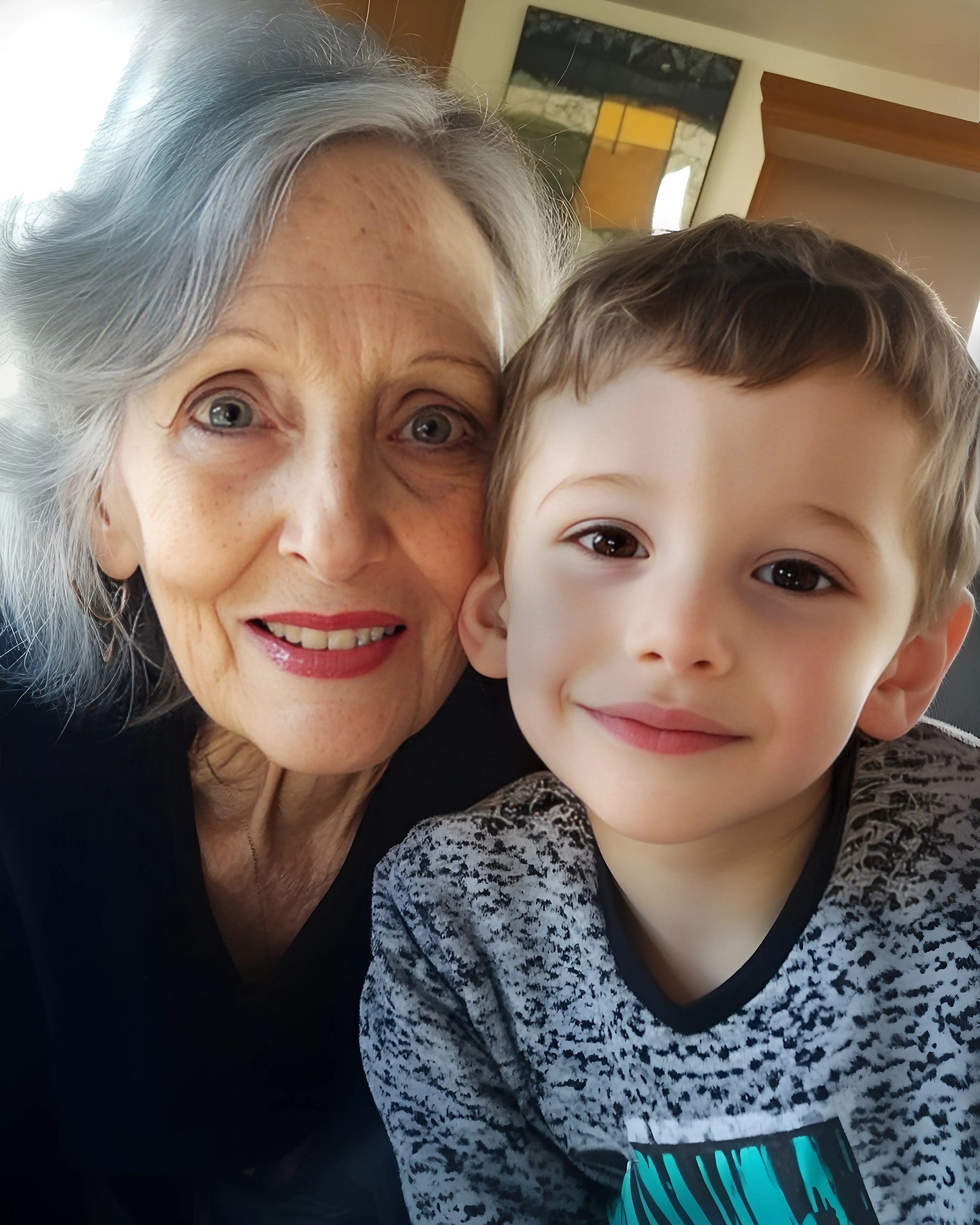
She wiped her face. “I’m not asking for anything. I just… when I saw him, I felt something. And when he pointed out that mark… it’s identical. I needed to know.”
I nodded. “Ben needs stability and love. If you want to be part of his life, we can talk about that. But only if you’re certain.”
She nodded quickly, tears streaming. “Can I at least invite you back in? Please let me make it right.”
I looked at Ben, gently scraping a leaf on the sidewalk with his shoe.
“All right,” I said. “Let’s go.”
When we walked back inside, some customers stared with the same judgment as before.
But Tina straightened, wiped her face, and declared, “Just so everyone knows—this café doesn’t tolerate discrimination. If that bothers you, you’re welcome to leave.”
The room fell silent.
Ben’s shoulders relaxed. He squeezed my hand.
We began returning weekly. Tina always saved us a table. She brought extra whipped cream. Ben drew her pictures—dragons, superheroes, stick figures with aprons.
Sometimes she visited our home. She brought muffins, toy cars, used books. Ben started laughing again. The weight in his little chest seemed to lighten a bit more each time.
Two years later, Ben walked into the laundry room while I was folding socks.
“Grandma,” he asked, “is Tina my real mom?”
My hands stilled. “Why do you think that?”
“She looks like me,” he said. “And she always knows how to make me feel better. Like you.”
I looked at him. “And if I told you yes?”
He smiled. “Then I’d be really happy.”
The next morning, I told Tina everything he said. She cried. I did too.
Then we told Ben.
He didn’t look surprised. No confusion. No anger.
He just nodded. “I knew it.”
Later that day at the café, Tina brought out our drinks. Ben jumped up, ran to her, and wrapped his arms around her.
“Hi, Mom,” he whispered.
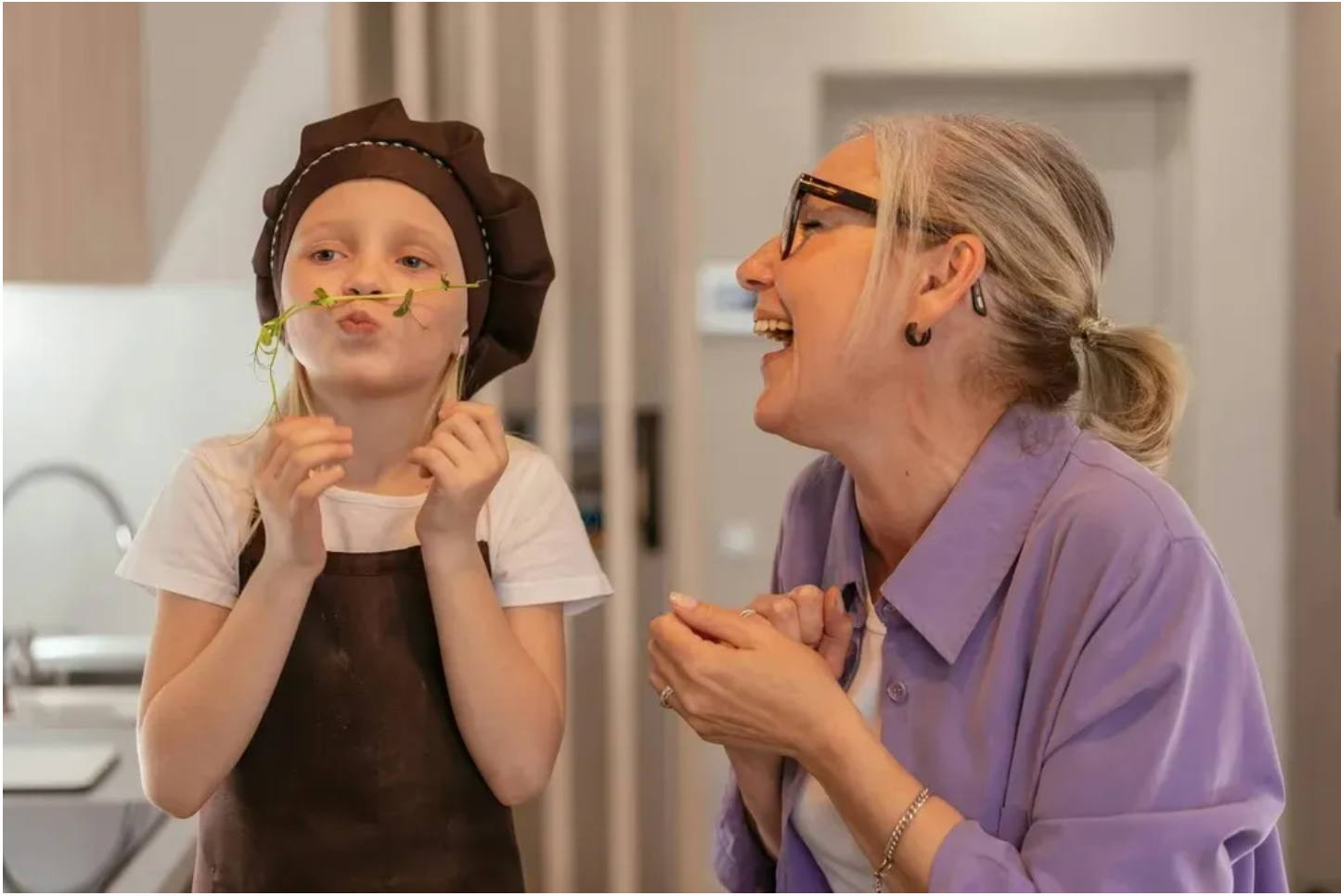
She dropped to her knees and crumbled—but this time in joy.
I lost my daughter far too soon. The ache remains. But she would have wanted Ben to have all the love the world could offer.
And now… he does.
Life turns us in circles and sets us down in places we never expect. But sometimes—if we look twice—it leads us exactly where we were meant to be, even if it starts with someone asking you to leave.