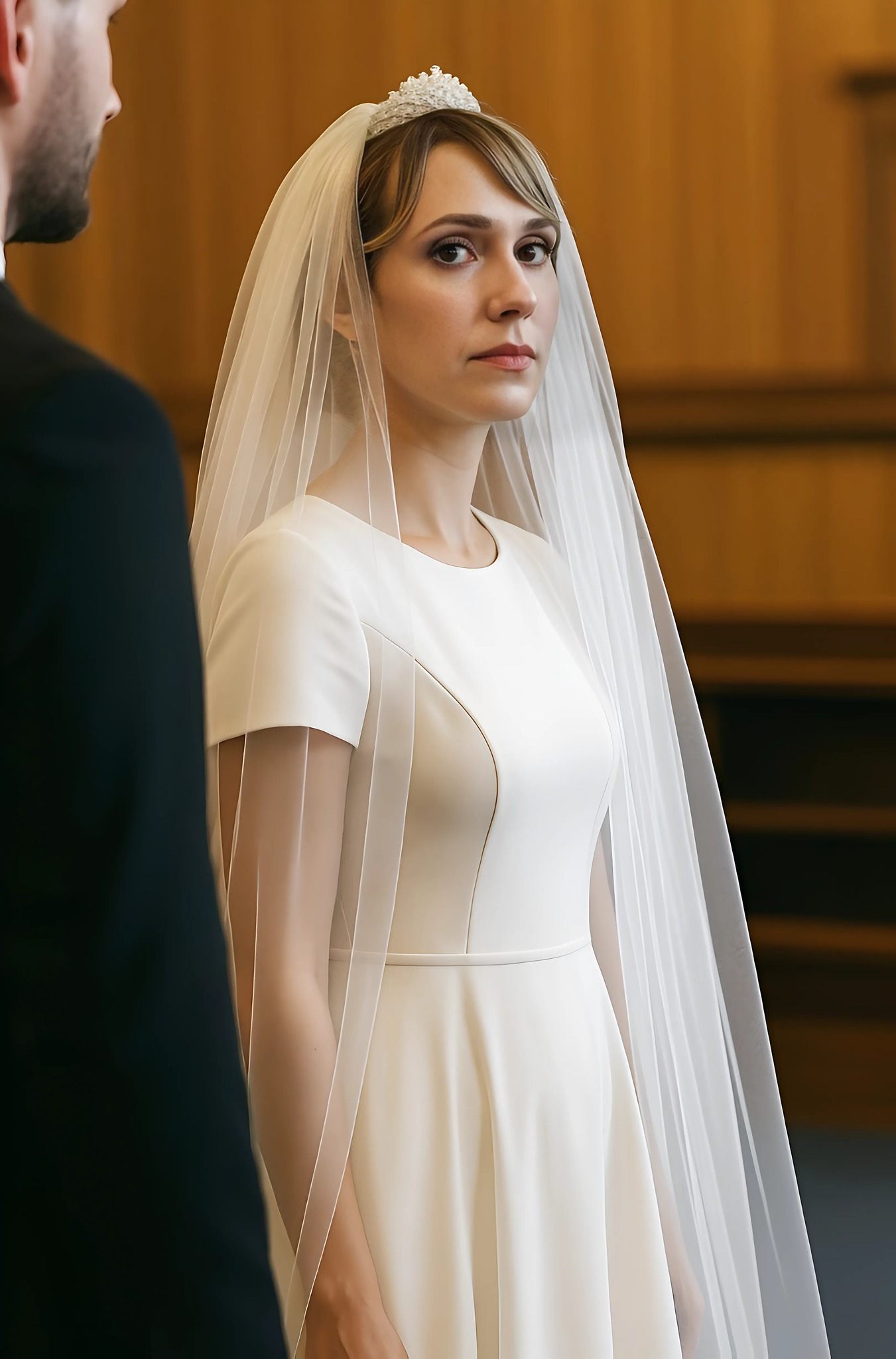
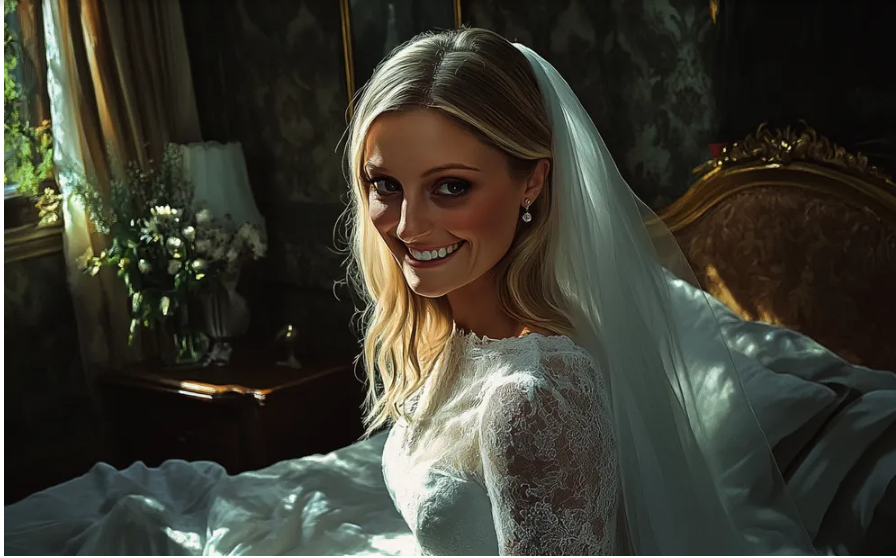
Five years after my wife died, I took my daughter to my best friend’s wedding. But when he lifted the bride’s veil, my whole world came crashing down. When my daughter quietly asked: ‘Daddy, why are you crying?’, the bride met my eyes – and in that moment, everything went to pieces.
I hadn’t planned on going to this meeting. My friend Mark practically forced me into it, vowing that it would ‘shake me out of this despondency.’
I’d been working double shifts at a construction site all week, and every muscle in my body ached like it was filled with cement.
‘Just an hour,’ Mark insisted, nudging me towards the door of some flat in the city centre. ‘And then you can crawl back into your cave.’
It’s strange how the most important turning points in life sneak up on you when you don’t notice them.
The party was full of people who looked like they’d never lifted anything heavier than a martini glass. I felt out of place in my worn jeans and faded T-shirt.
But then I saw Natalie.
She wasn’t supposed to be there either. I found out later that she was just dropping something off for a friend.
Our eyes met, and something clicked. A spark, a connection, call it what you want, but I knew I wanted her in my life.
‘Who’s that?’ I asked Mark, nodding in her direction.
He followed my gaze and whistled softly. “Natalie. Don’t waste your time, kid. Her family owns half the town.”
But I was already walking toward her.
She smiled as I approached, and that smile hit me like a blow to a tree.
‘I’m Jake,’ I said, extending my hand.
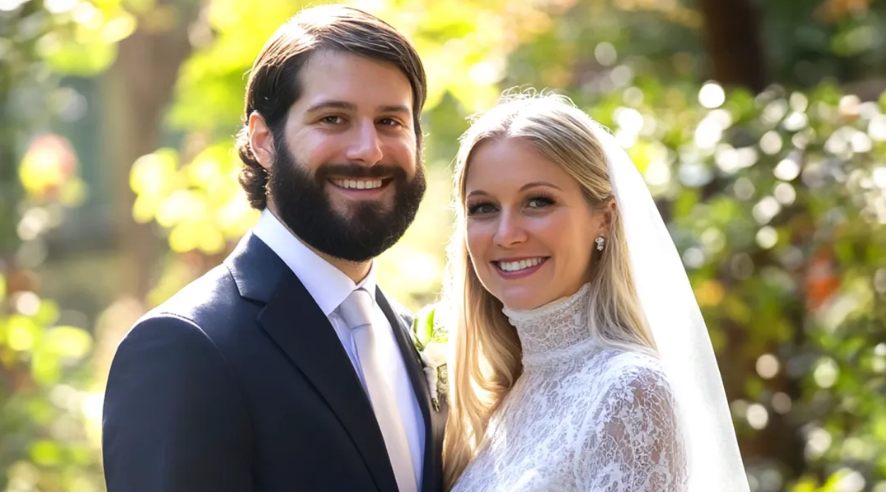
‘Natalie,’ she replied, her voice soft but confident. Her hand was small, but her grip was firm. ‘It sounds like you’re as comfortable here as I am.’
We talked for several hours that evening.
She was nothing like I expected (no trust fund princess attitude, just genuine warmth and curiosity). By the end of the evening, I realised I was in trouble.
‘My parents are going to hate you,’ she said as I walked her to her car, moonlight playing in her dark hair.
‘Is that a problem?’ I asked.
She looked at me with the kind of eyes that seemed to see right through me. “It might be. But I don’t care.”
Six months later, we were married. Her parents didn’t attend the wedding. They had cut her off from her family completely: no trust fund, no family holidays, nothing.
But Natalie just squeezed my hand and told me, “I don’t care about the money. I just want you.”
For a while, that was enough.
We moved into a small one-bedroom flat. I worked on a construction site during the day and took classes in architectural design at night. Natalie got a job at a local gallery. We were happy, or so it seemed to me.
Then Emma was born, and something changed.
The warmth in Natalie’s eyes began to fade. She began to compare our life to the one she had left behind.
‘My college roommate just bought a holiday home in the Hamptons,’ she said one evening as we ate macaroni and cheese at our tiny kitchen table. Emma was asleep in her cot next to us.
‘That’s great,’ I said, not lifting my eyes from the blueprints I was studying.
“She invited us to visit. I had to tell her we couldn’t afford the trip.”
I felt reproachful at her words. “We’re fine, Nat. Things will work out.”
‘When?’ – She asked, her voice harsh. “When Emma goes to college? When we retire? I’m tired of waiting for “better,” Jake.”
Our arguments escalated.
She hated keeping a budget and despised our frugal lives.
‘This isn’t what I signed up for,’ she said.
As if I had somehow cheated her. As if love was supposed to pay the bills.
‘You knew who I was when you married me,’ I reminded her during one particularly violent argument.
‘Maybe that was the problem,’ she said coldly. ‘I thought you’d be bigger by now.’
The next day I came home from work early, planning to surprise her with flowers. The flat was quiet.
Natalie’s suitcase and all her belongings were gone.
In the cot, I found a note:
“I want a divorce. I’m sorry, but our marriage was a mistake. I left Emma with Mrs Santiago in the hallway. You can keep her.”
I called her phone hundreds of times. There was no answer. Desperate and wild-eyed, I drove to her parents’ mansion.
The guard wouldn’t let me through the gate.
‘You’re not welcome here, sir,’ he told me with an almost apologetic look.
‘Please, I just need to talk to Natalie,’ I pleaded.
‘Sir, I need you to leave the premises.’
Two days later, I was served with divorce papers. Natalie had relinquished her parental rights to Emma.
Her father’s lawyers had done everything with brutal efficiency.
Then came the final blow.
Six months after she left, I called her parents’ house for the last time.
‘She’s gone,’ her mother said, her voice flat. “Natalie died in a car accident. Don’t call again. You meant nothing to her.”
The line cut off.