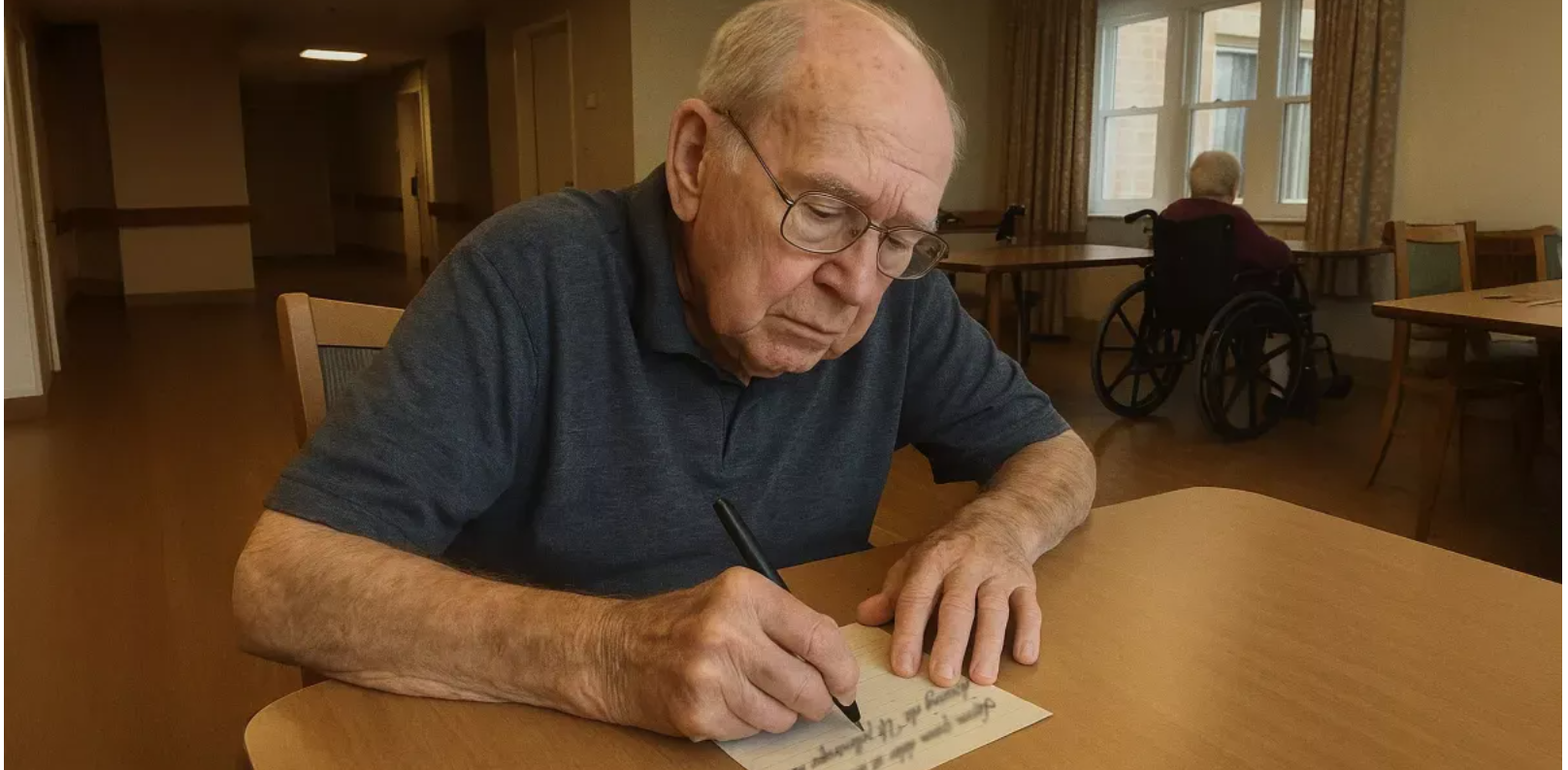
The old man never had any visitors in the nursing home. Only one habit: sending letters in the mail every Saturday. One day I broke the rules and read one of them. It led me to a woman who was not a stranger after all.
I had worked in a nursing home for five years. I loved my job. I really did. There was something special about helping the elderly.
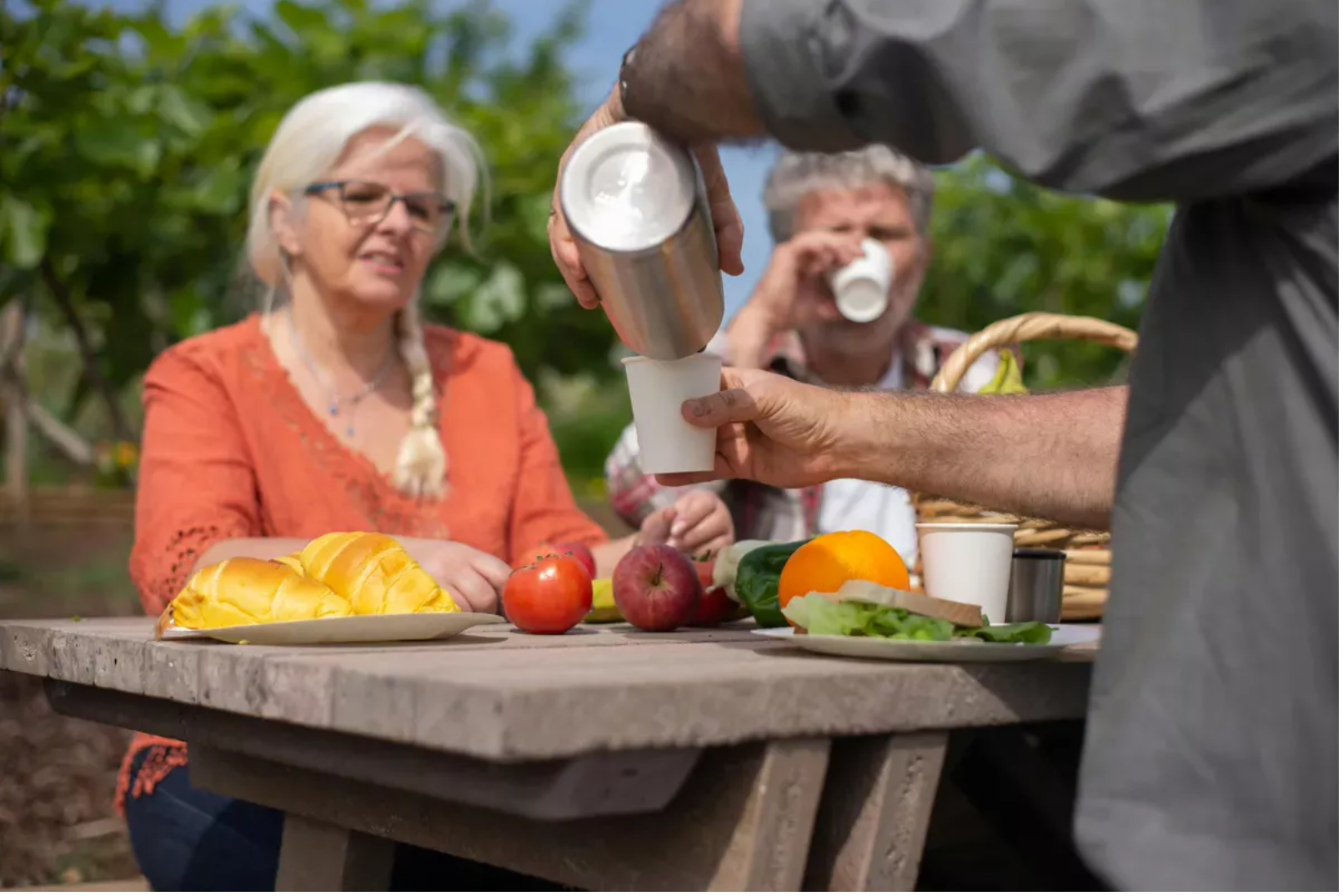
We played chess, sang songs from their youth, and sometimes had little picnics in the garden with old blankets and plastic cups of lemonade.
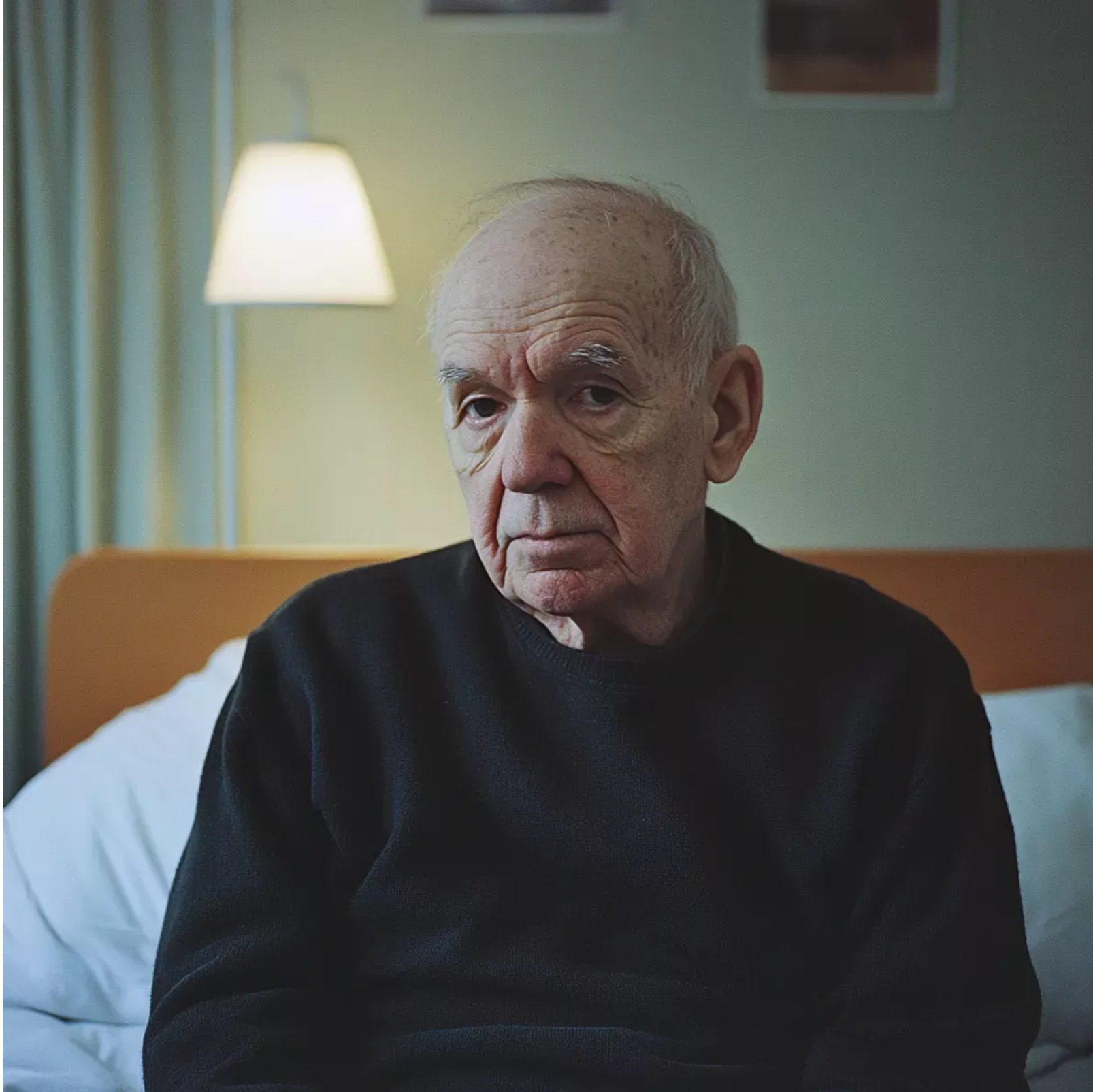
There was one man among the lodgers who everyone called Eliot. Just Eliot. His middle name was never mentioned. He hated it.
‘You add “mister” one more time and I’ll start charging you rent for every syllable.’
We became friends almost immediately. Eliot was sharp of tongue, always ready with a remark.
“Blue stockings today, Jane? That’s bad luck.”
Anyway, as I walked away, I heard him muttering behind me:
‘If it weren’t for you, this place would be unbearable.’

No one ever visited him. Never. I’d asked him once, maybe twice…okay, maybe a dozen times over the years:
‘Elliot, don’t you have any family at all?’
“No. Never had any. Just me.”
‘What about friends?’
He grinned, that bitter laugh.
“Oh, dear… friends disappear one by one every year. And then, when you become inconvenient, they leave all at once.”
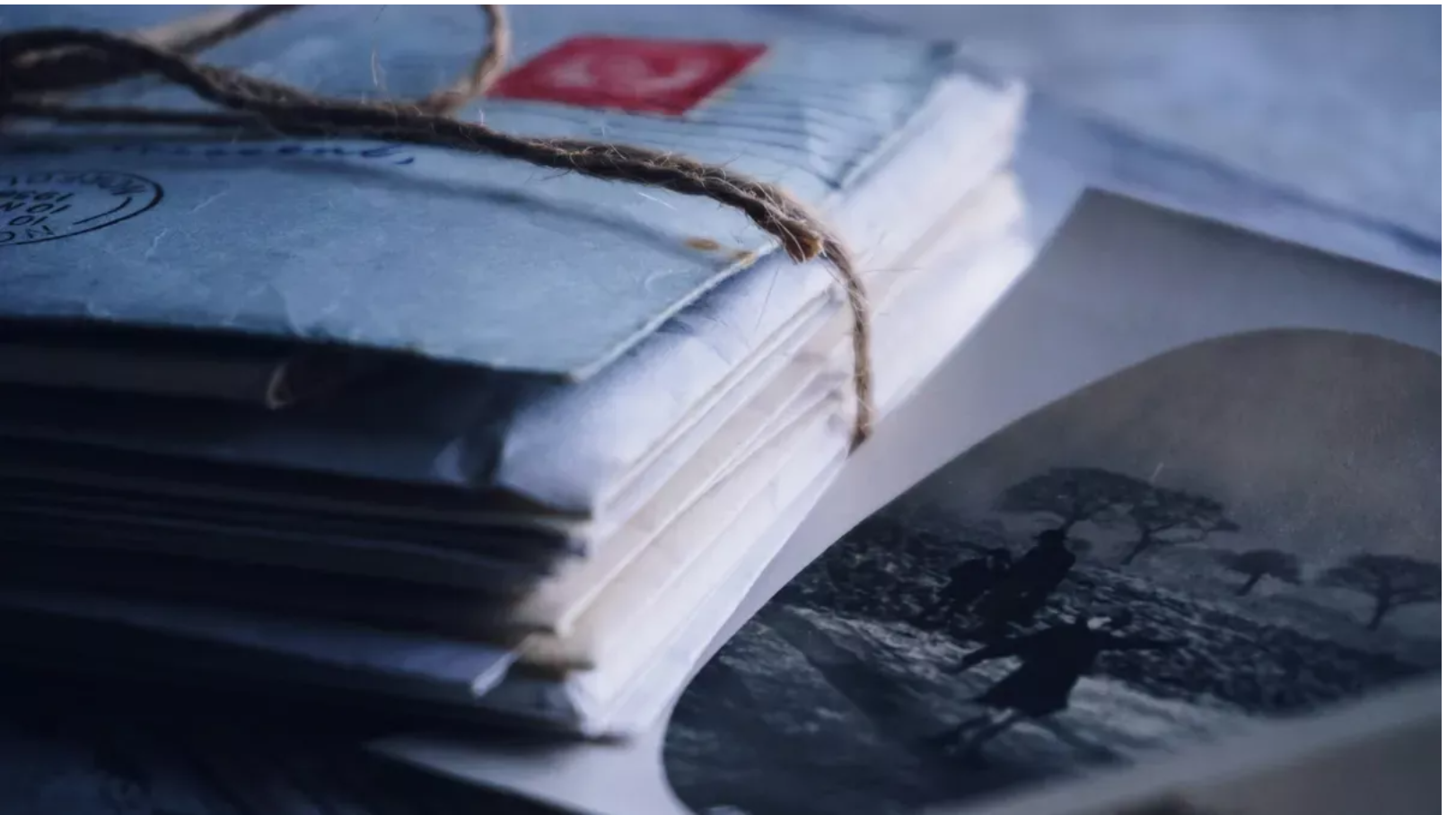
But it was his letters that intrigued me most.
Every Saturday, at nine o’clock sharp, he would sit down at his desk and write slowly, in silence, as if he were praying. Then he would seal it in an envelope, write something on the front and put it on the windowsill.
“Remind me later about the letter-box, Jane. I have to drop it in the box myself. In person.”
‘You know, I can mail it to you.’

“It’s very important. Please don’t ask again.”
So I didn’t ask. But… I’m a woman. Curiosity lives in my bones. His mailbox remained painfully empty week after week. And one morning, I just couldn’t help myself.
When Eliot left the room and the letter lay lonely on the windowsill, I exchanged it for the same envelope. My hands trembled. But I did it.
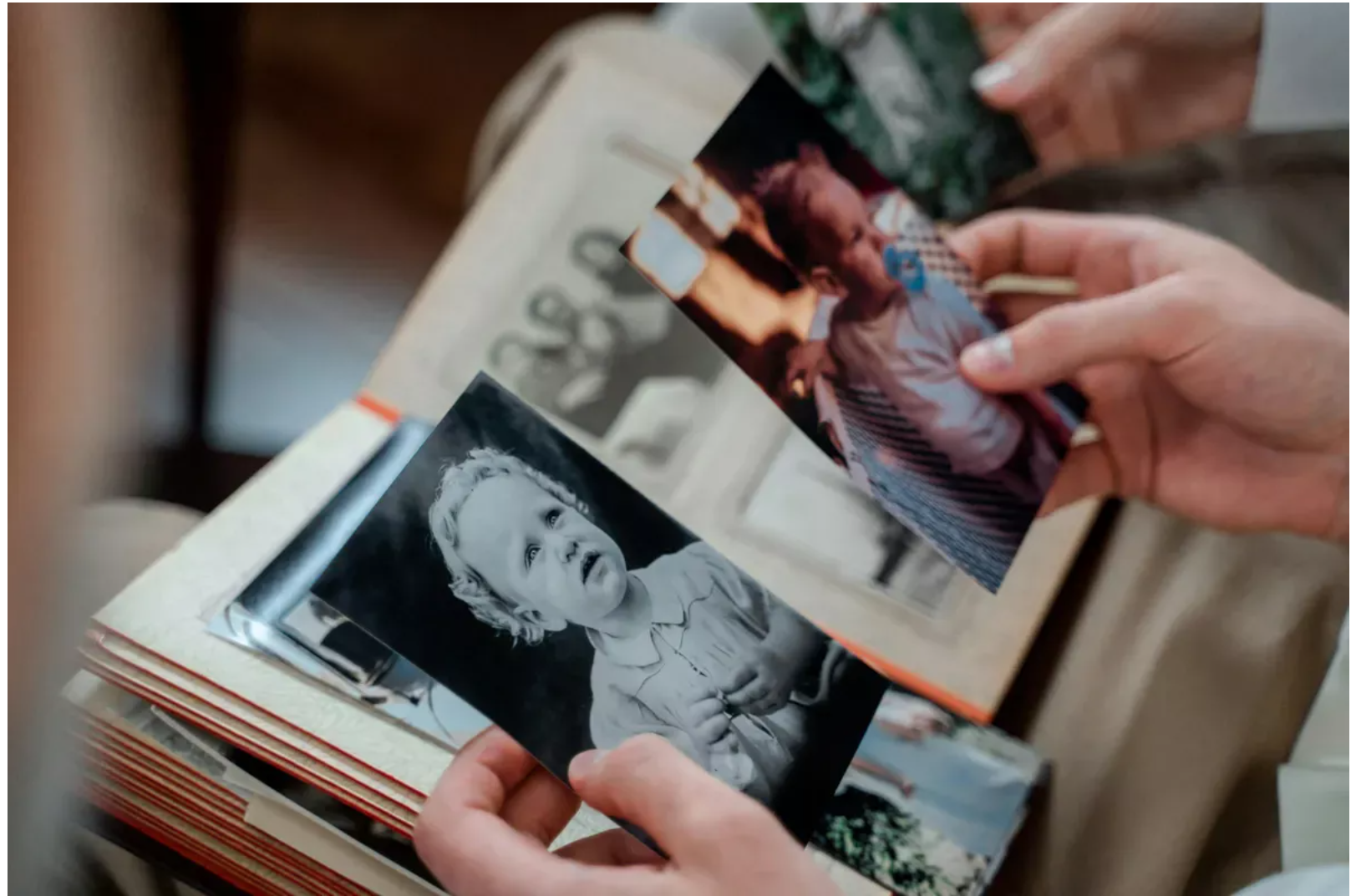
For the first time in two years, I finally recognised the name and address.
‘E.H. Forever to your friend Eliot.’
E.H.? That name…it stirred something. Familiar.
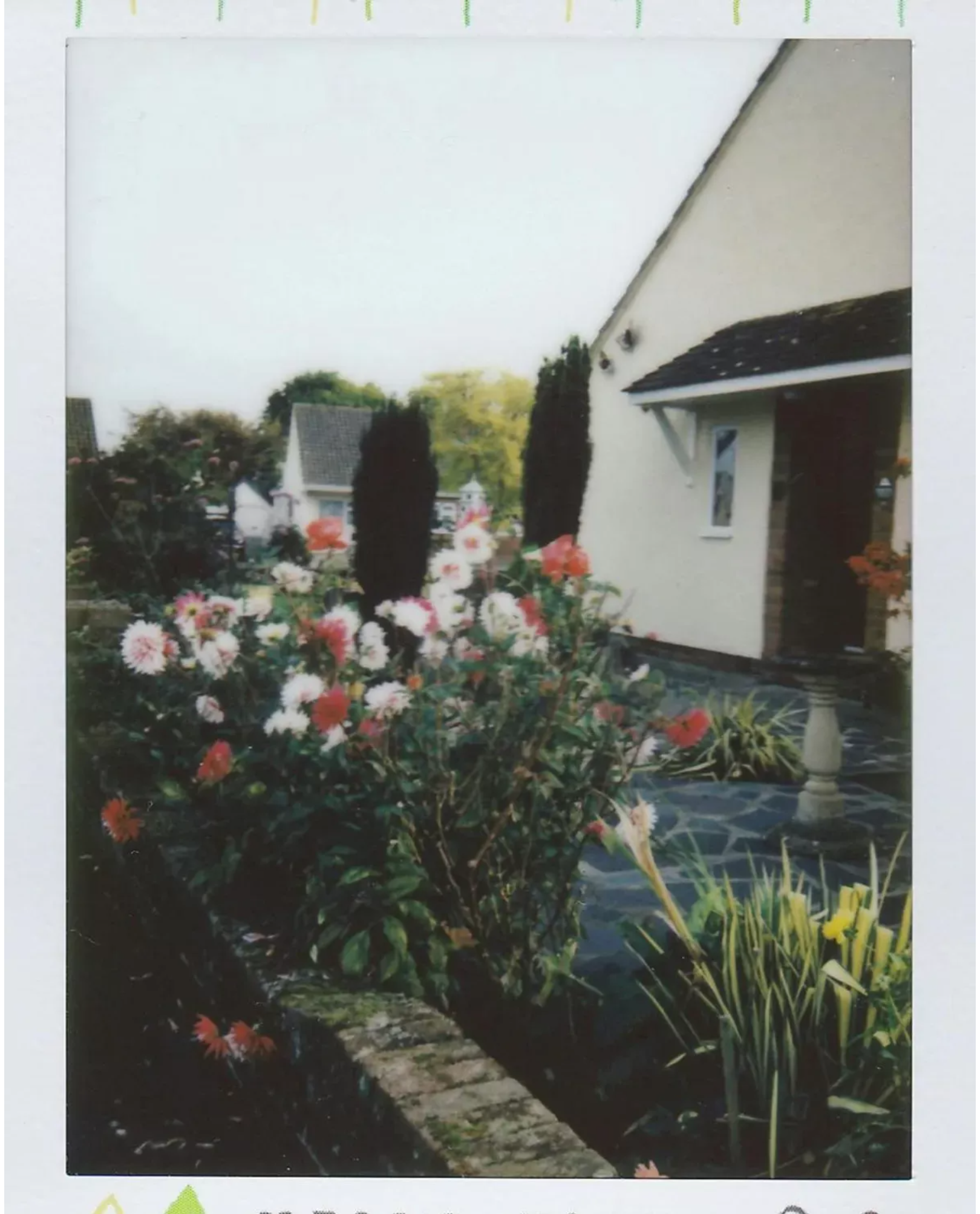
The address was in a small town about an hour and a half away. I knew I had to go there.
Maybe I could find someone who still remembered him. Someone who would finally write back.
All morning I walked around with that letter in my pocket.
I couldn’t concentrate on anything. So when the weekend came, I slipped the letter into my bag and slipped out of the house like a teenager sneaking out after curfew.

I drove with the windows down, letting the wind ruffle my hair. That address… I must have reread it dozens of times at every traffic light.
‘Why does the name of this street remind me of déjà vu headaches?’
Finally, I drove to the address. My heart was pounding as if I were about to confess to a crime. The door was opened by an elderly man.
‘Can I help you?’
“Hello… I’m sorry to bother you. I… this is a little weird…..”
He raised an eyebrow, then chuckled briefly.
“Weird, huh? Well, you’re in luck. Weirdness is my speciality.”
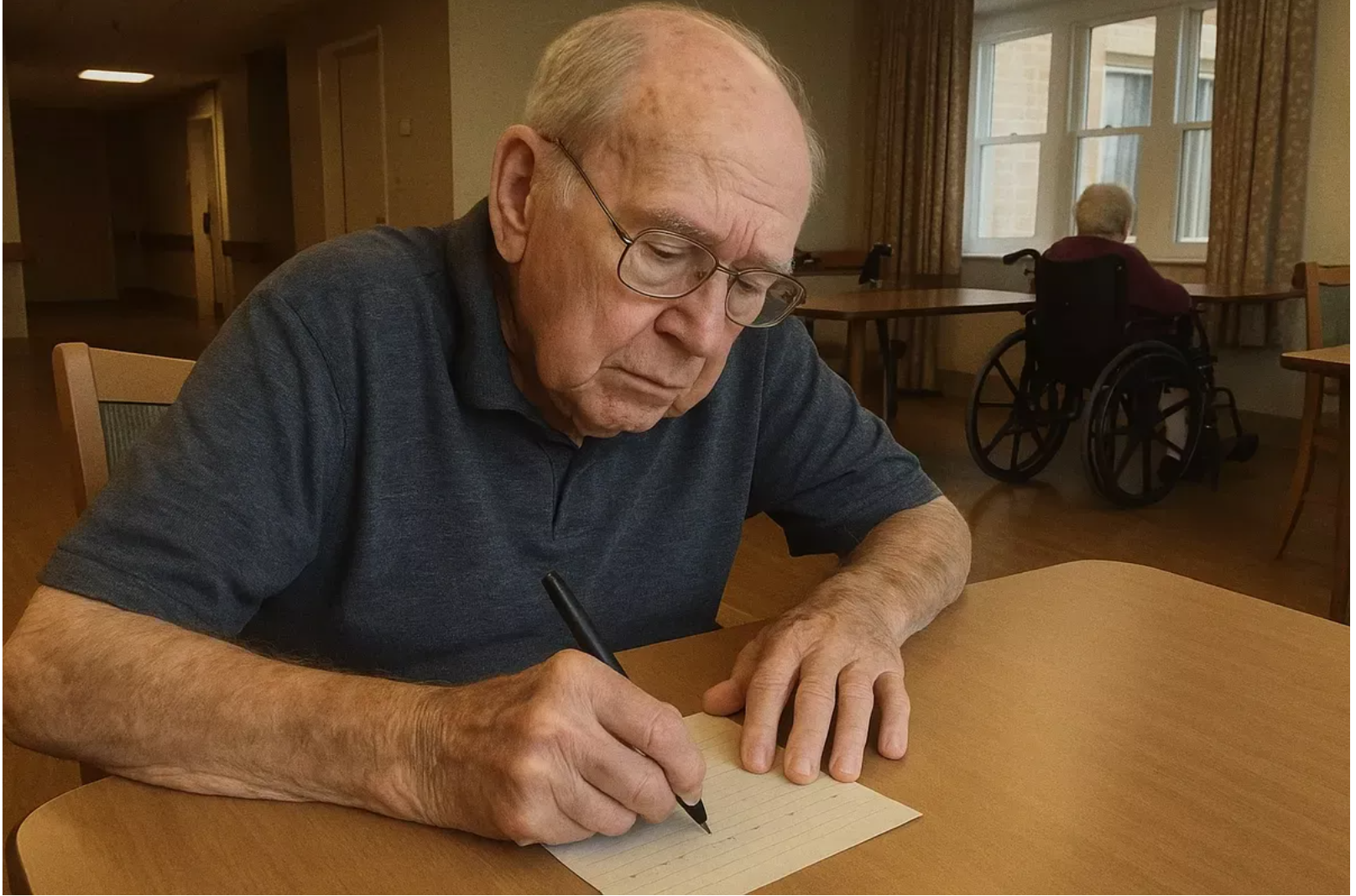
“Um… I work in a nursing home, and one of our residents sends letters here. Has been for years. I just…”
He frowned, then turned and called out,
“Marlene! You need to hear this.”
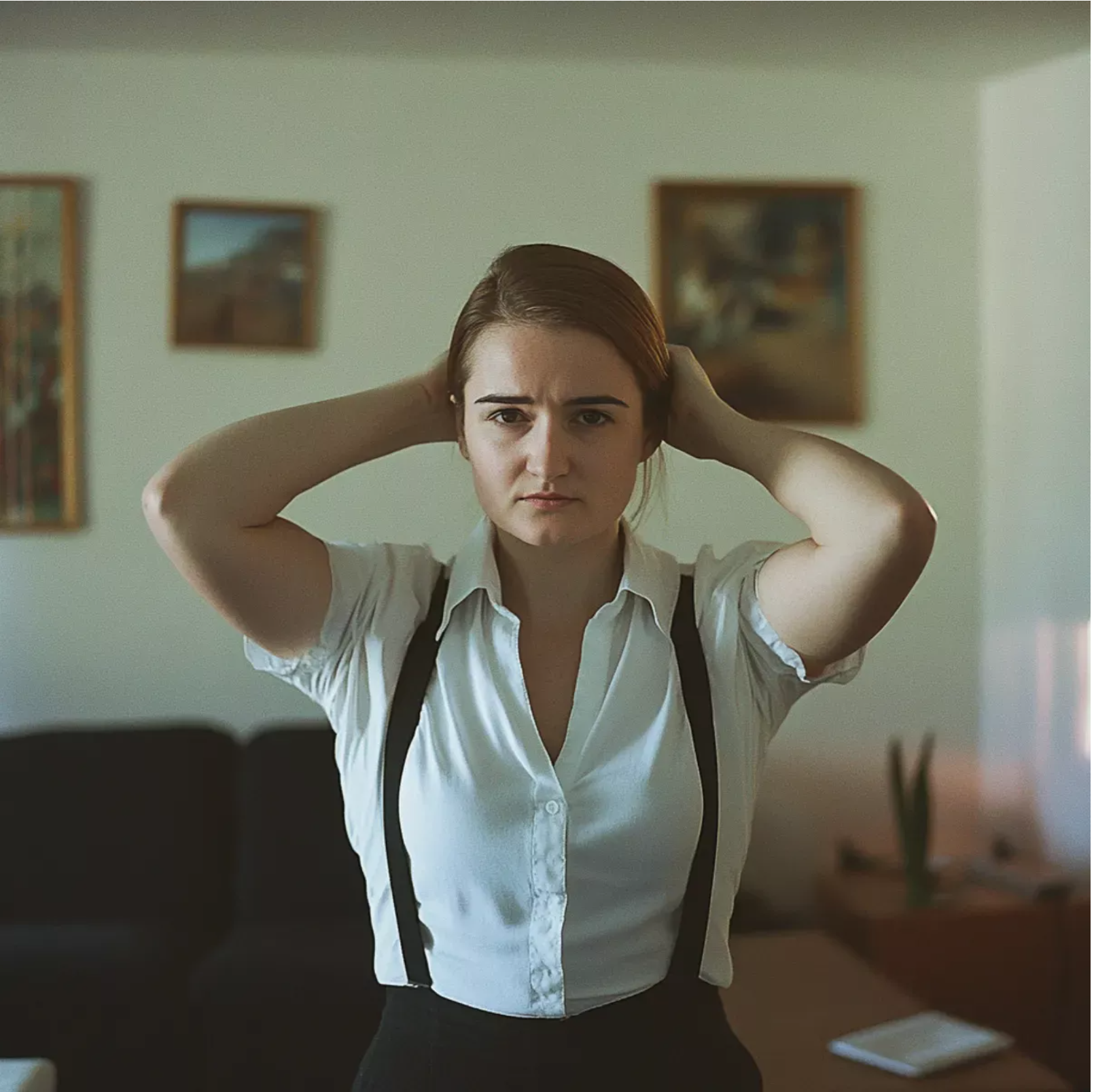
A woman appeared behind him with a bowl of biscuit dough. I handed her an envelope. He glanced at it, then stepped aside.
“Come on in. You might want to sit down.”
They explained that the house had belonged to someone else decades ago, a woman who’d sold it to their parents.
“I always thought it was spam or adverts. But we kept the handwritten ones.”
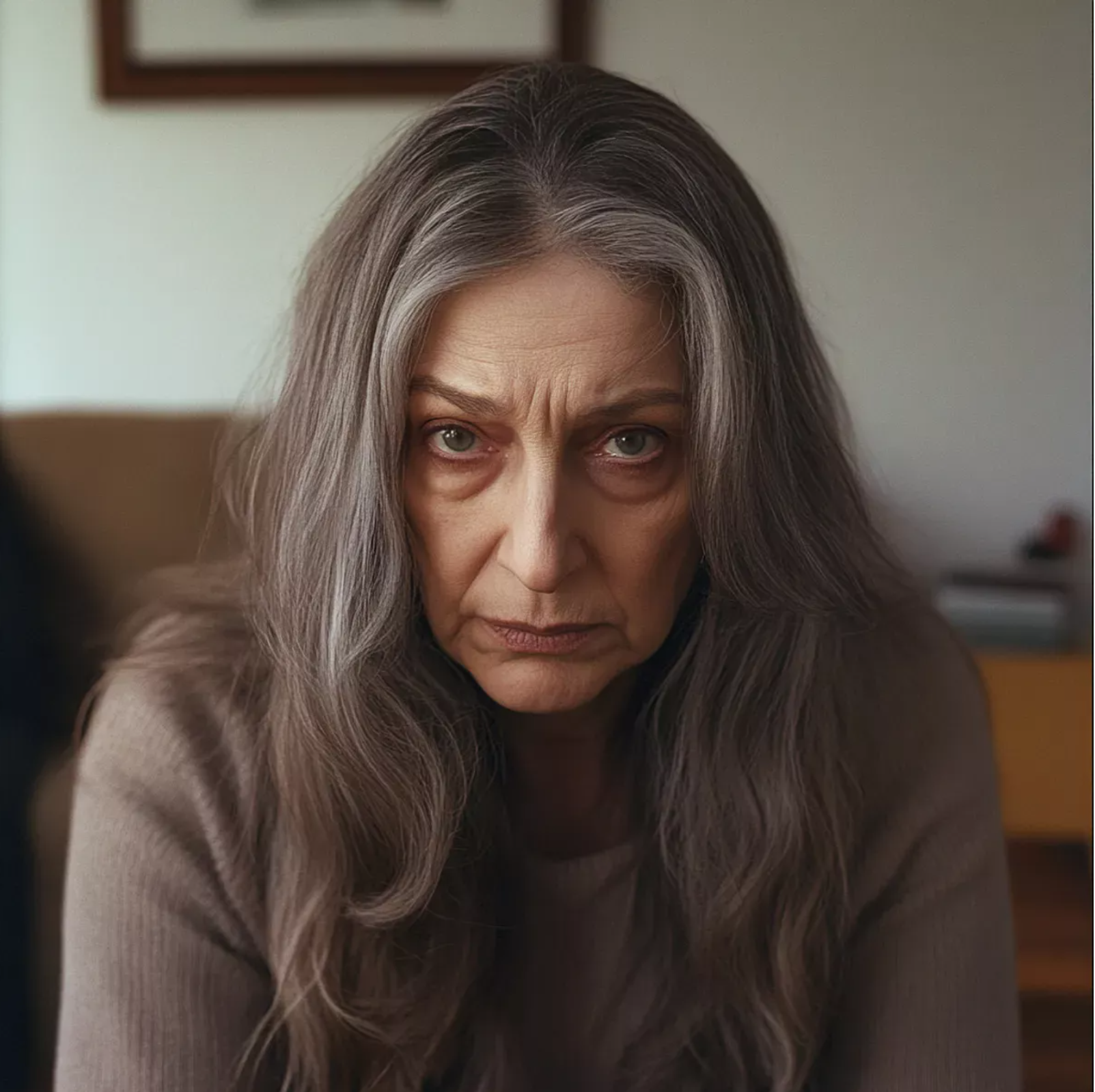
The woman disappeared down the corridor and returned with a shoebox. Inside were dozens of envelopes.
“I couldn’t throw them away. They seemed…important to me.”
I don’t know what I expected, but the sight of all those letters made my throat constrict.
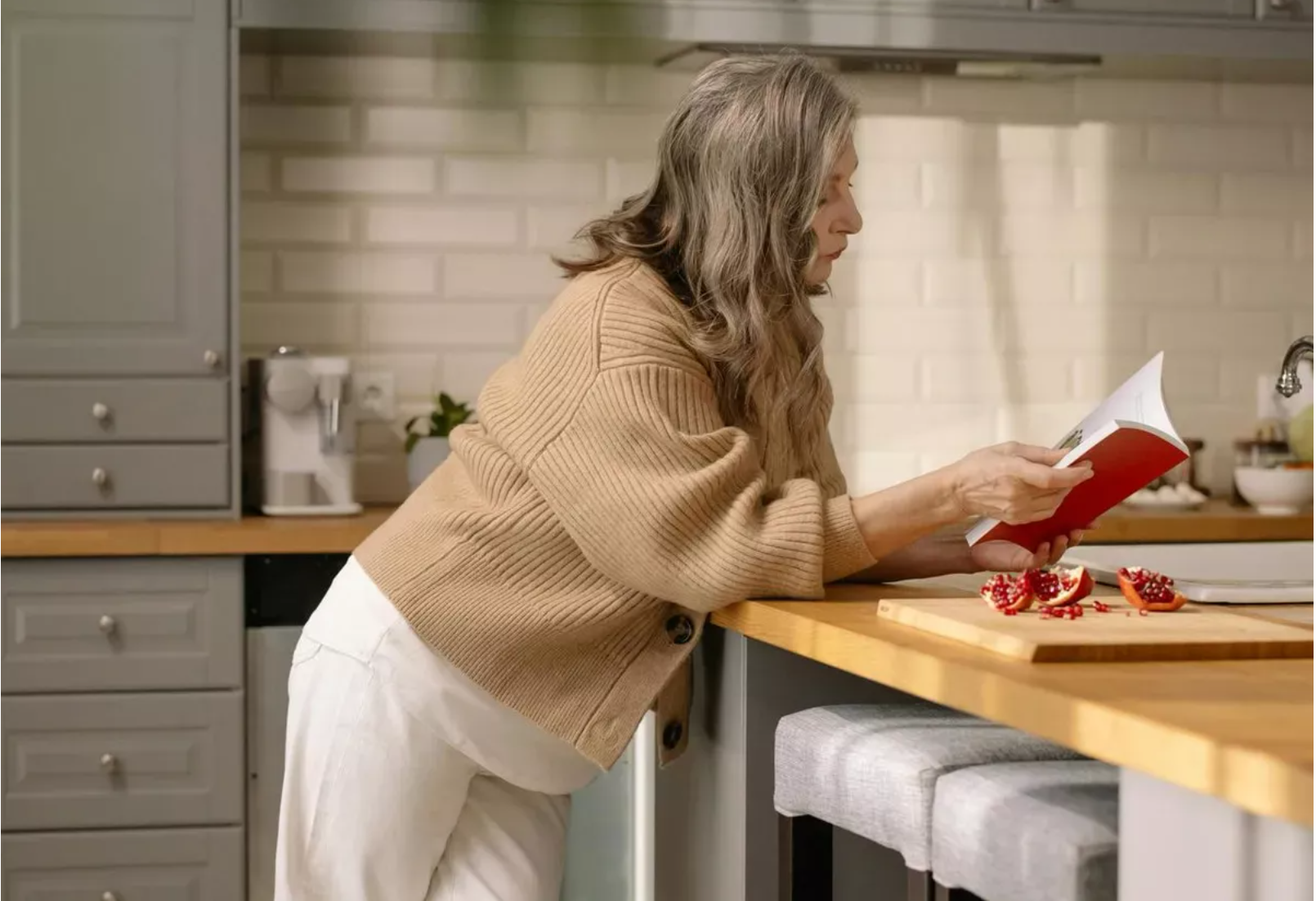
I thanked them and walked back out into the soft afternoon light. Something about the place was pulling me in. Then I drove past an old, rusted sign on the side of the road.
“Luna Park. Closed.”
Suddenly, I froze. It was in one of my childhood photos. I was sure of it.
But how?
I had to see those old photos! The ones my mum kept in the cupboard.
I turned the car around. It was time to find out what else I hadn’t remembered.
I hadn’t been to my mum’s for months. She lived in a cosy bungalow two towns away. I barely had time to turn the key in the door when I heard her voice coming from the kitchen.

“You’re early. You only come to me so soon when you’re heartbroken.”
“No. But you were right. I do need something.”
‘Should I be afraid?’
‘Only if you’re hiding something.’