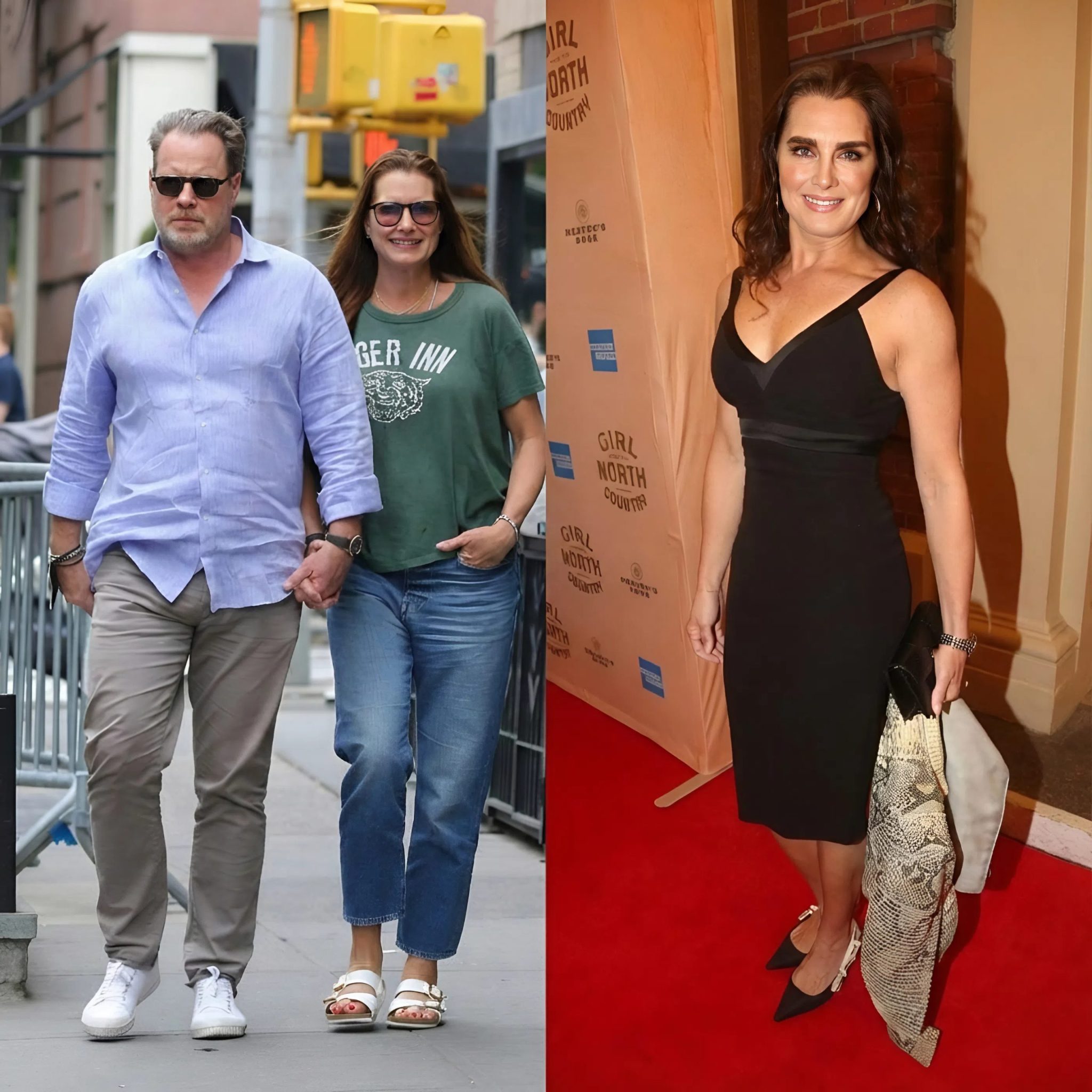
Brooke Shields is widely regarded as one of the most iconic actresses and models of her generation, admired by fans around the world for her beauty and talent. Yet, behind that public image, she endured years of unfair criticism and deeply personal struggles, which she has now chosen to speak about openly .
Shields is among the most successful supermodels in history, building a remarkable career both on fashion runways and on the big screen. Despite her achievements, the 57-year-old icon faced persistent criticism that often undermined her confidence. In recent reflections, she has spoken candidly about her complicated relationship with her mother, Teri Shields, who also served as her manager from the time she was a child.
Her mother, Shields revealed, was also her earliest and harshest critic. She recalled moments when her mother, under the influence of alcohol, would make hurtful remarks about her body, comments that deeply affected how she saw herself. Experiencing body-shaming at home distorted her self-image and planted insecurities that lingered for years.
Teri Shields died in 2012 after a lifelong struggle with alcoholism, but the emotional impact of her words remained with Brooke long after her passing. The actress has shared that it took many years to begin repairing the damage those experiences caused.
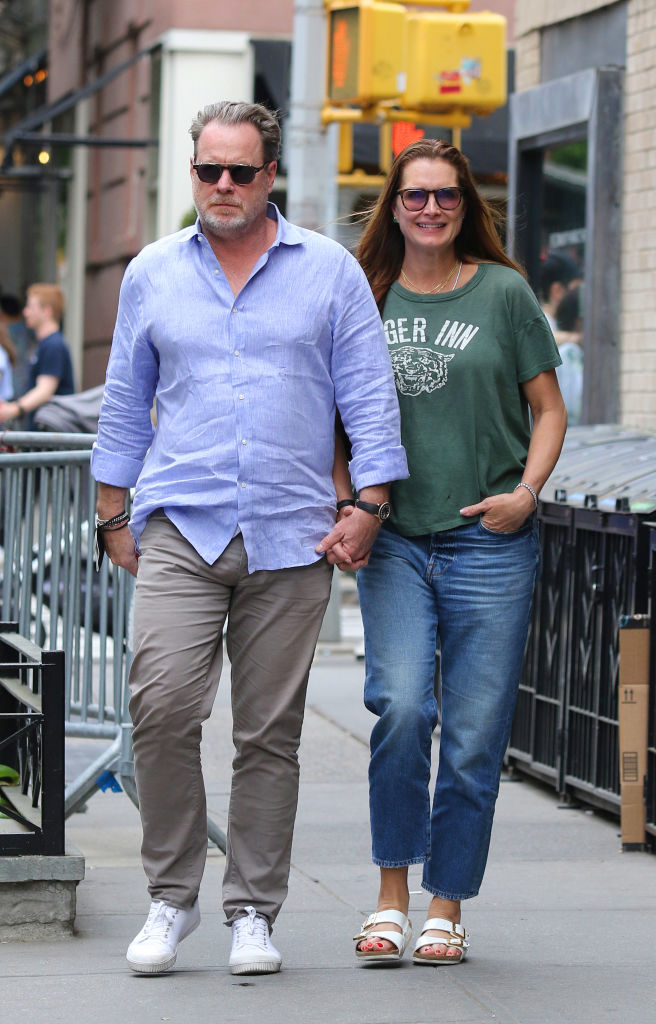
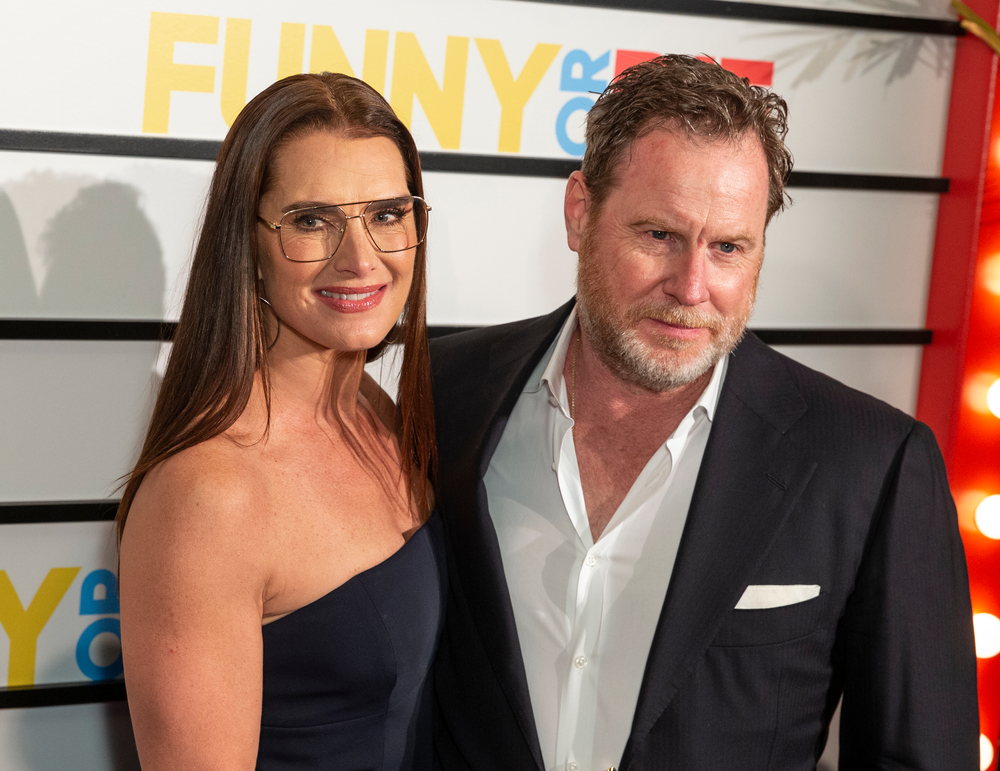
Ultimately, it was her husband of 17 years, screenwriter Chris Henchy, who helped her learn to appreciate her body and recognize her own beauty. Shields has described how his affection and admiration played a key role in reshaping her self-perception, allowing her to embrace her femininity in ways she had never fully done before.
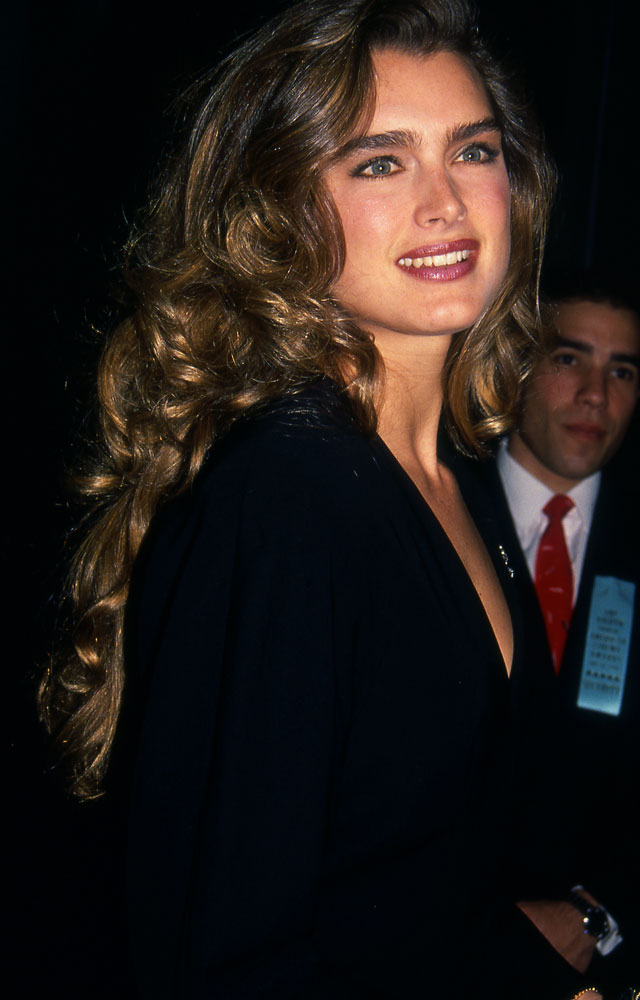
Before marrying Henchy, Shields was married to tennis star Andre Agassi from 1997 to 1999. She entered Hollywood as a teenage actress, but it was her unforgettable 1980 Calvin Klein jeans advertisement, photographed by Richard Avedon, that cemented her status as a cultural icon.
Although the public consistently viewed her as beautiful, Shields has explained that criticism followed her throughout her career. She recalled modeling swimwear at just 15 years old and still believing she did not have the right body for it. She noted that she was often described as a “cover girl” rather than a supermodel, praised mainly for her face while being labeled as athletic instead of runway-thin — messages that quietly but powerfully shaped her self-image over time.
Years later, Shields returned to swimsuit modeling, once again collaborating with Calvin Klein. She approached the campaign with intense dedication, committing to exercise and dietary changes to ensure she felt confident. While she described being in peak physical shape, she also admitted the effort came with sacrifices, including constant hunger.
Her story highlights how even someone universally celebrated for beauty can struggle deeply with insecurity. Despite widespread admiration, criticism from those closest to her and from the industry left lasting emotional scars. It was the consistent support of her husband that helped counter those beliefs and guide her toward self-acceptance.
More recently, Shields has also spoken publicly about a sexual assault she experienced more than three decades ago. In an interview with People, she revealed that shortly after graduating from Princeton University, she was assaulted by a Hollywood executive. At the time, she blamed herself and remained silent, fearing she would not be believed and that her career would be over.
With the passage of time, Shields has gained clarity and perspective. She has explained that her anger today reflects a deeper understanding of the fear and power imbalance involved, emphasizing that such situations do not need to involve physical violence to be traumatic.
This marks the first time she has publicly identified herself as a survivor of sexual assault, a decision she says was influenced by the lack of belief and support victims often faced decades ago. Her experience is explored further in the two-part documentary Pretty Baby: Brooke Shields, where she reflects on surviving both personal and professional trauma.
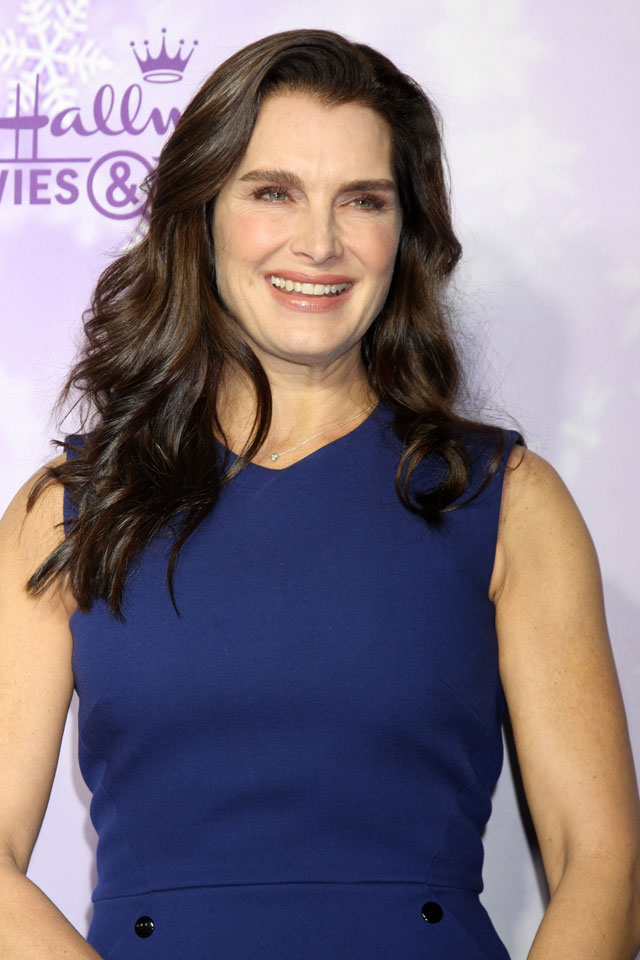
After Princeton, Shields described herself as being at the lowest point of her career when she met the executive under the impression that he might offer her work. After dinner, he invited her to his hotel room under the pretense of calling her a cab. Once there, he assaulted her. She has recalled freezing during the attack and later being overwhelmed by guilt, questioning her own actions rather than placing blame where it belonged.
At the time, she confided in only one person — her close friend and former security consultant Gavin de Becker. Today, she has chosen to share her story publicly in the hope of helping others feel less alone and encouraging women to speak their truth in their own time.
Brooke Shields’ journey is one marked by resilience. Despite enduring criticism, insecurity, and trauma, she has continued to thrive professionally and personally. Her willingness to speak openly about her experiences offers both insight and encouragement, reminding others that healing is possible and that survival itself is a powerful achievement .