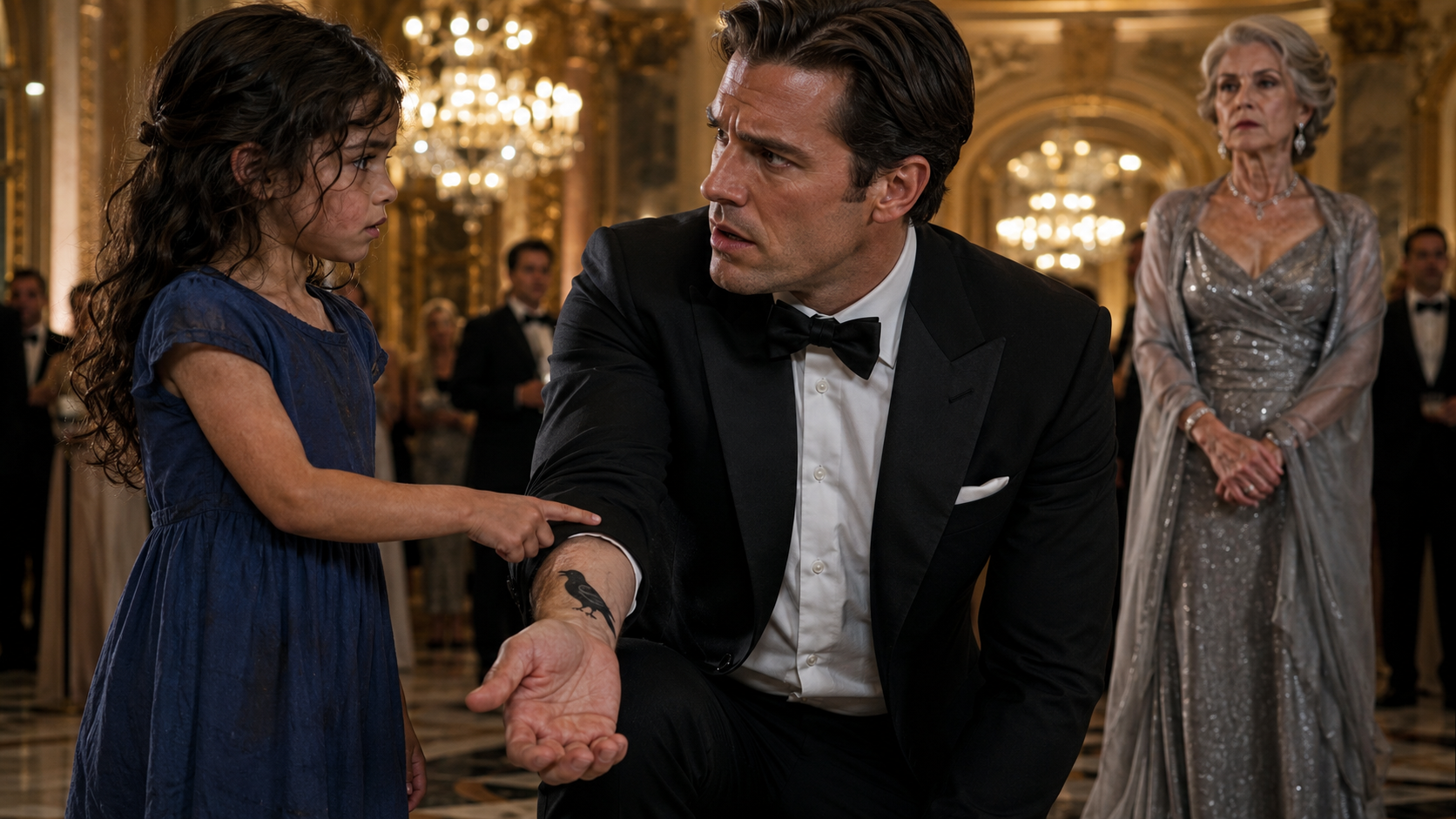
Martin Kell was arrested trying to board a private flight to Lisbon. The former fire investigator admitted reports had been altered. Two retired security contractors described chaining the west gates under orders they claimed came from “above.” Bank records tied Gray Chapel to shell companies, hush payments, forged relocation funds, and a private medical facility where Selene Vale had been held under a false psychiatric file until her death.
Then Vivienne made her mistake.
She called Adrian.
Isabelle recorded the call through legal channels while federal agents listened.
Vivienne’s voice was elegant as ever. “You are destroying your own blood.”
Adrian stood in his mother’s conservatory, staring at the carved heron.
“No,” he said. “I’m identifying it.”
“You think Owen Dane is innocent? He ran.”
“He was hunted.”
“He took money.”
“He took survival.”
Vivienne laughed softly. “You sound like Selene. She always mistook weakness for virtue.”
Adrian closed his eyes.
“Did you lock her away?”
A pause.
Then Vivienne said, “Your mother was going to ruin everything.”
“Answer me.”
“I preserved the family.”
“You buried her alive.”
“I gave her doctors.”
“You gave her silence.”
Vivienne’s voice sharpened. “And what will you give the world, Adrian? A noble confession? They will eat you first. Your company. Your name. Your board will remove you before breakfast. Investors do not reward sons who set fire to their own inheritance.”
Adrian looked through the glass wall at Owen teaching Mira how to tie the borrowed shoes the housekeeper had bought her.
“My inheritance was already on fire,” he said.
Then he ended the call.
Vivienne Vale was arrested two hours later at a private airstrip.
Governor Pike lasted longer.
Powerful men always did.
He called the investigation political theater. He called Owen unstable. He called Adrian a guilt-ridden billionaire trying to purchase redemption. His lawyers attacked everyone. They said Selene’s recordings were emotional fragments. They said Owen’s memory was corrupted by trauma. They said a barefoot child’s statement had been manipulated.
But evidence does not care who dislikes it.
The trial began in winter.
Mira did not testify. Owen refused to let her be used as a symbol, no matter how badly reporters wanted the barefoot girl in front of a microphone. Adrian agreed.
“She’s a child,” Owen said outside court when someone shouted a question about her.
Adrian stepped beside him. “And children are not props for adult guilt.”
That clip went everywhere.
Inside the courtroom, Owen testified for seven hours.
The defense asked why he ran.
He answered, “Because no one protects poor witnesses for free.”
They asked why he changed names.
He answered, “Because my wife was pregnant and men with clean shoes knew where she bought bread.”
They asked why he accepted shelter from Adrian Vale.
He looked at the jury and said, “Because my daughter’s feet were bleeding in a room full of people wearing jewels, and he was the first one who looked down.”
The room went silent.
Adrian testified next.
He admitted what the newspapers never expected him to admit.
That his fortune had been fed by land cleared through intimidation. That he had ignored inconsistencies because grief was easier than truth. That his foundation had helped strangers while his own family’s victims remained unnamed. That money could polish a lie until the world mistook it for history.
The prosecutor asked, “Mr. Vale, why bring this forward now?”
Adrian looked at Owen.
Then at the back row, where Mira sat between Isabelle and the housekeeper, coloring a bird with one black wing and one gold wing.
“Because a child recognized something I had turned into decoration,” he said. “She saw a wound and called it by its real name.”
The tapes ended the trial.
Selene’s voice.
Vivienne’s voice.
Governor Pike’s voice.
Dorian refusing to sign.
The jury heard the chain orders. The payment instructions. The plan to frame Owen. The order to confine Selene. They heard the sentence that made even the judge close his eyes.
“Grief makes excellent fog.”
The verdict took eleven days.
Guilty.
Vivienne did not cry.
Governor Pike shouted at his lawyers.
Martin Kell wept into his hands.
Owen closed his eyes.
Adrian looked at the families of the twelve dead and understood that justice could arrive and still be late enough to be ashamed of itself.
Outside the courthouse, snow fell onto a city that had spent fifteen years pretending North Pier was only a tragedy and not a crime.
Reporters screamed Adrian’s name.
He stepped to the microphones with a prepared statement in his coat pocket.
Then he left it there.
“Twelve people died at North Pier,” he said. “Their families were given settlements instead of truth. Owen Dane was threatened into silence. Selene Vale was erased for trying to expose what happened. My family benefited from that silence, and I benefited from my family.”