An hour later, the new nameplate was already lit up on the panel downstairs. And seeing it—simple, precise, corrected—filled me with the same deep, quiet joy as the court’s decision. Another entry had been put in order.
After Kevin, I didn’t suddenly become more outspoken. That might have made the story more appealing, but it wouldn’t have been true. I remained myself. Quiet. Observant. Precise. I still don’t like noisy parties. I still prefer spreadsheets to theatre. I still think first, then speak. But now my silence belongs only to me. It is not an empty space into which others can project weakness. It is a tool. Discipline. A refusal to waste energy on noise when precision can inflict far greater damage.
The last time I saw Kevin was almost a year after the trial. It was a rainy evening. I was leaving the grocery shop with bags and an umbrella when I spotted him by the flower stall near the entrance. He looked older — not in terms of years, but in terms of people who’d finally been forced to carry their own chaos on their own. Not old. Worn out. He saw me at the same moment I saw him and froze. For a few seconds we stood under the bright shop lights, like actors who’d forgotten whether the scene called for an apology or a retreat.
He took one cautious step.
‘Laura.’
I waited.
‘I wanted to say…’ he began and lowered his eyes. ‘I don’t know. That I’m sorry. That I was an idiot. That I didn’t think…’
‘No,’ I interrupted gently. ‘You thought far too much. That was the problem.’
He flinched as if I’d struck him.
— I’m not saying this to be cruel, — I continued. — It’s just that you always want to portray your actions as spontaneous foolishness. But almost everything you did was planned. Perhaps not wisely. But deliberately.
The rain patted against the canopy. He opened his mouth, closed it, then gave a brief nod with the weary acceptance of someone hearing the truest thing about themselves for the first time.
‘You’ve always had a keen eye for detail,’ he muttered.
‘Yes,’ I replied. ‘Always.’
And I walked away.
It wasn’t a cinematic moment. He didn’t fall to his knees. I didn’t feel elation. I felt closure.
Here’s what people often don’t understand about justice: when it’s real, it doesn’t necessarily look like fireworks. Sometimes it looks like a closed file. A balanced ledger. Like a room that has finally stopped echoing.
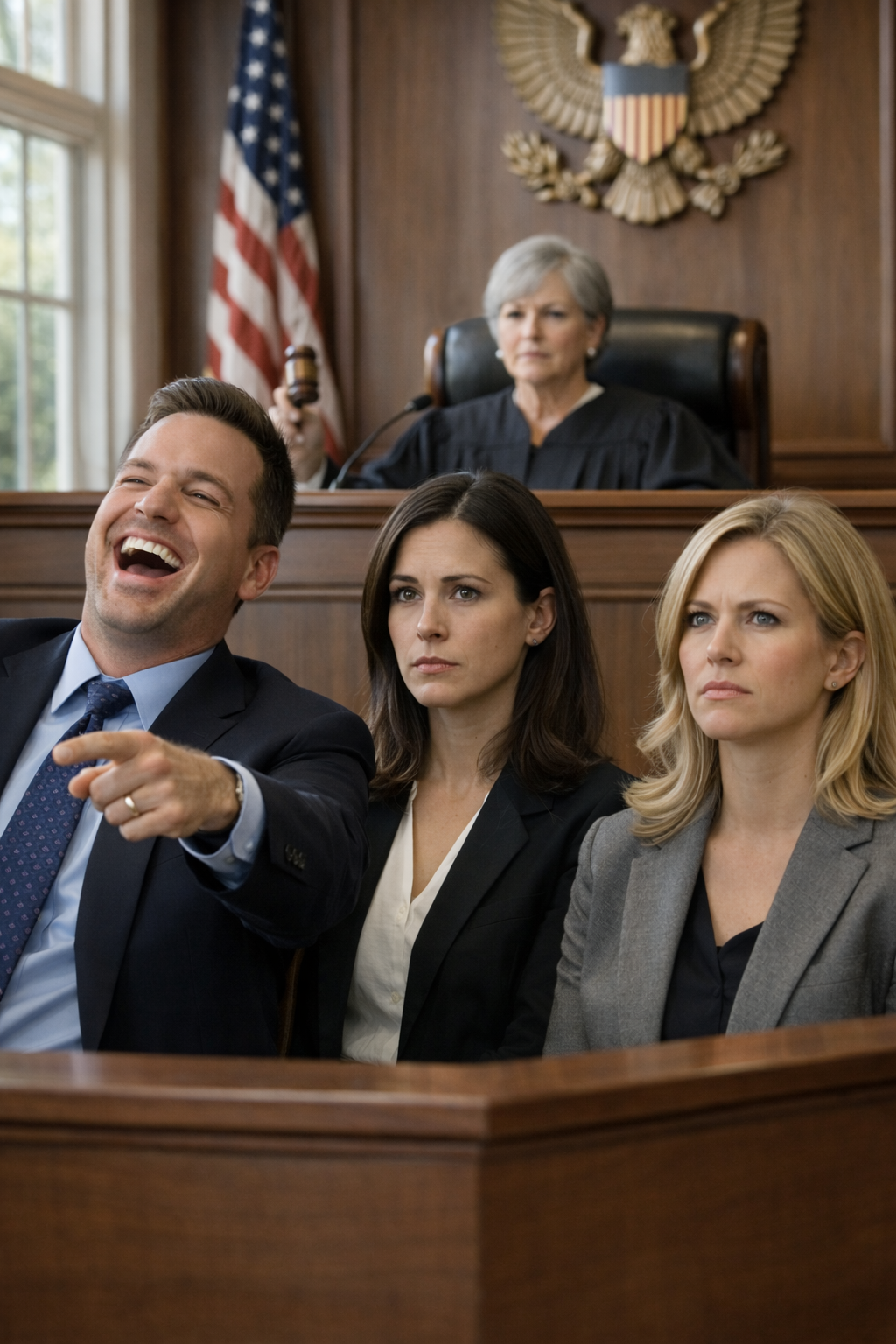
Now, when I think back on it all, it isn’t Sophie’s face in the courtroom or Kevin’s expression when Whitman produced the documents on the hidden tax discrepancies that spring to mind, though I remember both very vividly. I remember the cheque in my jacket pocket. The first tab in the spreadsheet. The title report loading on the screen. Whitman’s hand on the folder the moment he realised exactly what I’d brought him. The judge’s remark about separate property. My name on the intercom downstairs. The storeroom that had been turned into an office. The first dinner in silence, which felt not like a punishment but like freedom.
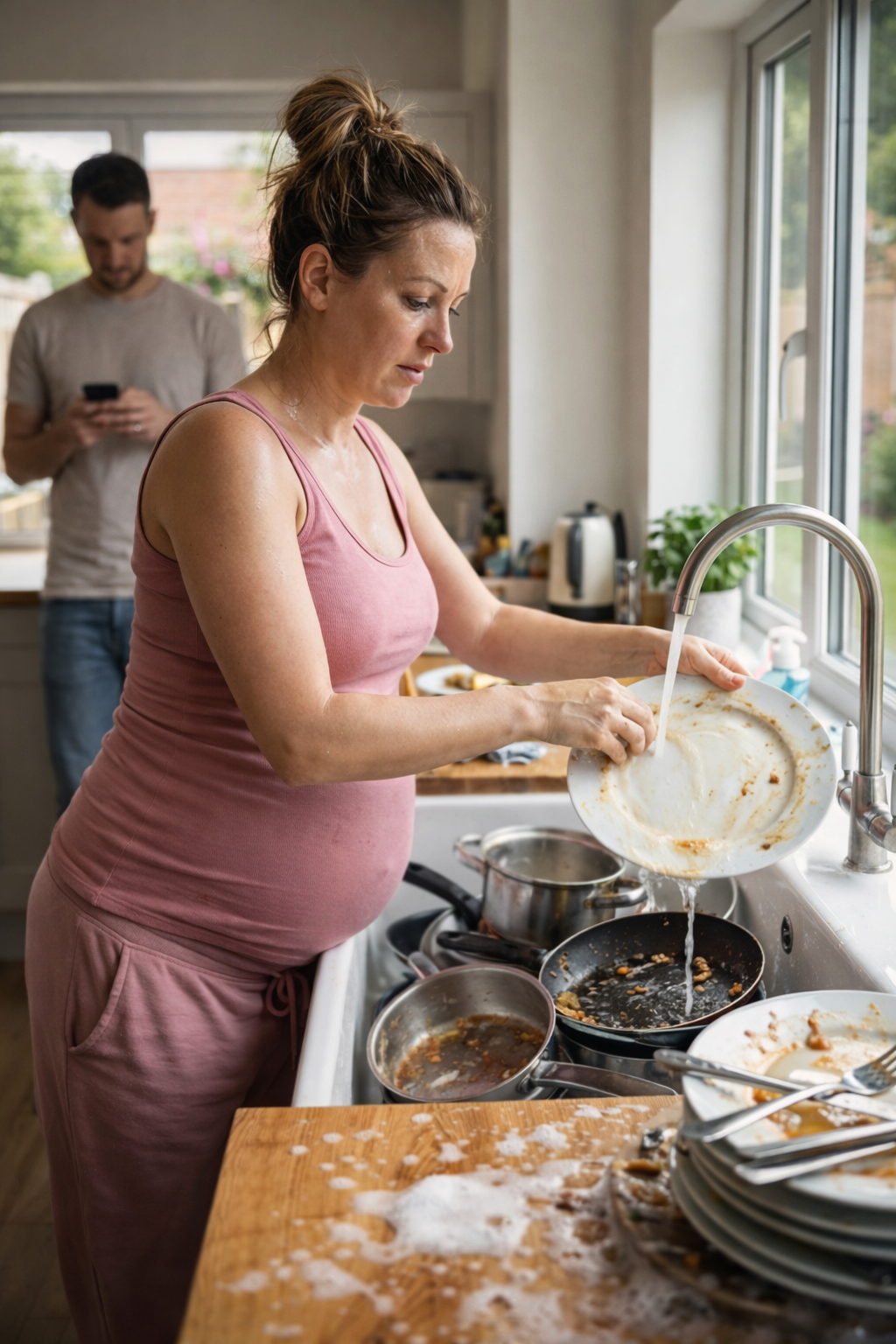
This is what revenge really looks like, if it manages to mature into something worthwhile. It’s not slashed tyres, smashed mirrors or public scenes designed to elicit pity from strangers. It’s patience. Preparation. Self-respect so strong that you gather evidence rather than beg for understanding from people who have deliberately chosen not to understand you. This is the realisation: the truth need not be louder than a lie if it is better documented. It is the ability to stand calmly whilst the man who built his life on underestimating you discovers that calmness in the right hands can be more destructive than a scream.
Kevin wanted freedom without responsibility. In the end, that is what he got: freedom without luxury, without applause, without the crutches he had previously leaned on. I, on the other hand, wanted justice. Not a fairy tale. Not the complete restoration of what was lost. Not the impossible return of the woman I was before trust turned into proof. I needed justice. A clean slate. A home that could no longer be used against me. My name, returned to me. And in the end, I got it because I didn’t confuse silence with surrender and remembered what men like Kevin always forget: the person who keeps the accounts is never as helpless as the reckless spender would like them to be.
I still work from home. Sometimes people ask what I do, and now I answer before anyone else can do it for me.
‘I’m an accountant,’ I say. ‘I keep track of what people hope to hide.’
Usually they laugh, thinking it’s a joke. I won’t argue with that.
Not every truth needs to be sensationalised for the public.
But I know better.
And, finally, Kevin realised it too.
The end.