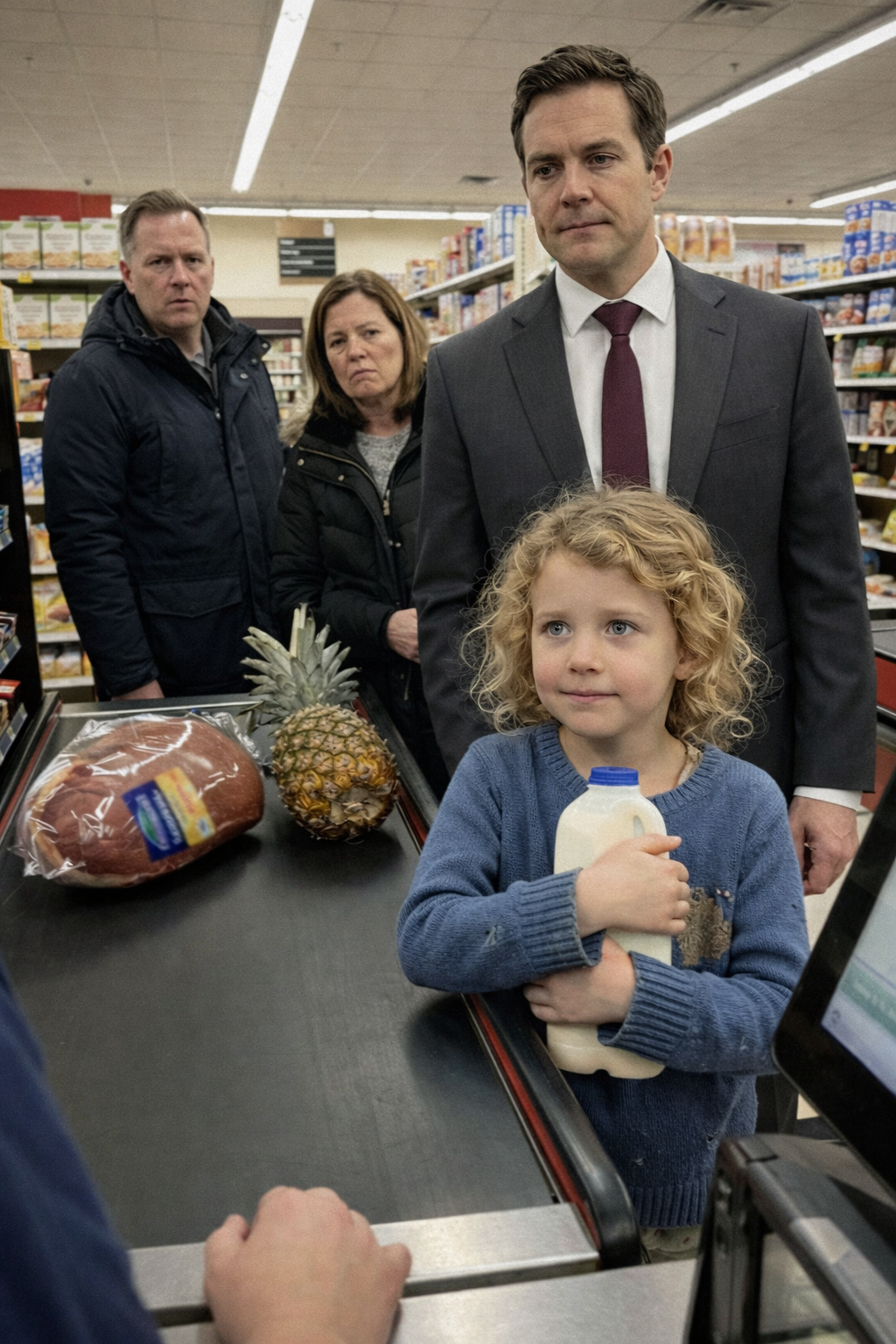
I was already twelve hours deep into a grocery shift, exhausted and distracted, trying to calculate how I could keep paying for my sister’s treatment, when an eight-year-old girl approached my register clutching a single bottle of milk and quietly asked if she could pay the next day. I assumed the hardest moment of that night would be telling her no.
I was mistaken.
I’m 41, and for the past year my life has been defined by harsh fluorescent lights, aching feet, and an endless stream of medical bills.
I take double shifts at a grocery store because my younger sister, Dana, is seriously ill, and her treatment costs far more than I earn.
Our parents are gone.
There’s no safety net. No savings tucked away. No relatives stepping in to help.
Just me, trying to keep her alive one paycheck at a time.
By the time this happened, I was running on caffeine and nerves, twelve hours into my shift.
My head was pounding.
I had checked my banking app three times already that day, and every time the numbers told the same story.
I didn’t have enough. Again.
I hate being asked for exceptions, because the answer is almost always no.
Then the girl stepped up, hugging that bottle of milk like it mattered more than anything.
She couldn’t have been older than eight.
Her sweater was worn through at the elbows. Her hands were red from the cold. Her face had that guarded, too-serious expression some children get when life forces them to grow up too fast.
She looked up at me and whispered, “Please… can I pay tomorrow?”
I froze.
She swallowed and gripped the bottle tighter.
I hate that question, because I almost always have to refuse.
“I’m sorry, sweetheart,” I said as gently as I could. “I can’t do that. Store rules.”
She swallowed again.
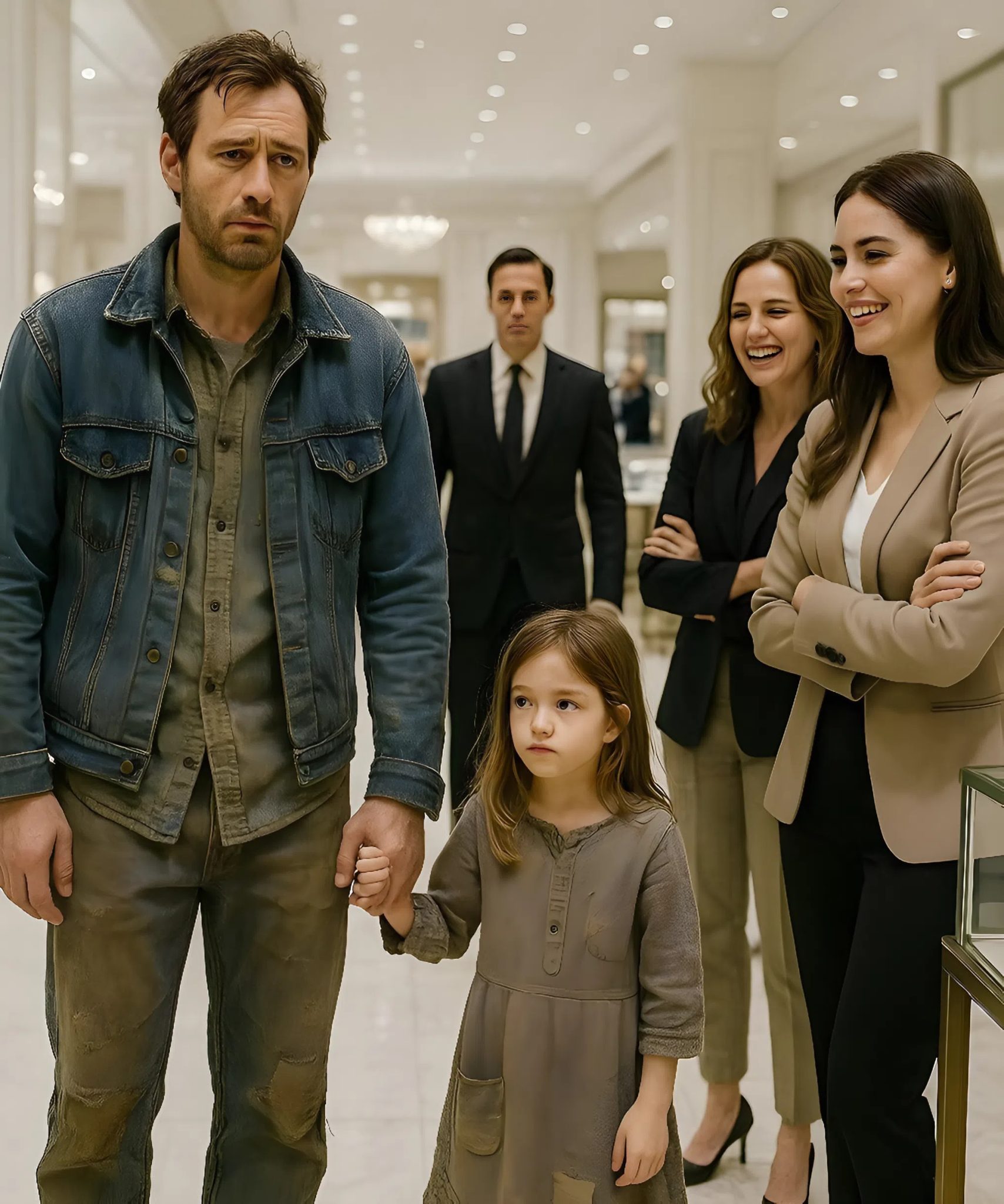
“My twin brother cries all night,” she said softly. “We don’t have anything left. My mom, Marilyn, gets paid tomorrow. I’ll come back. I promise.”
Something inside me tightened painfully.
Behind her, people in line started sighing impatiently.
I leaned forward slightly.
“Where’s your mom?”
“At home. She’s sick. My brother is sick too. They both have a fever.”
That’s when I noticed the man standing behind her.
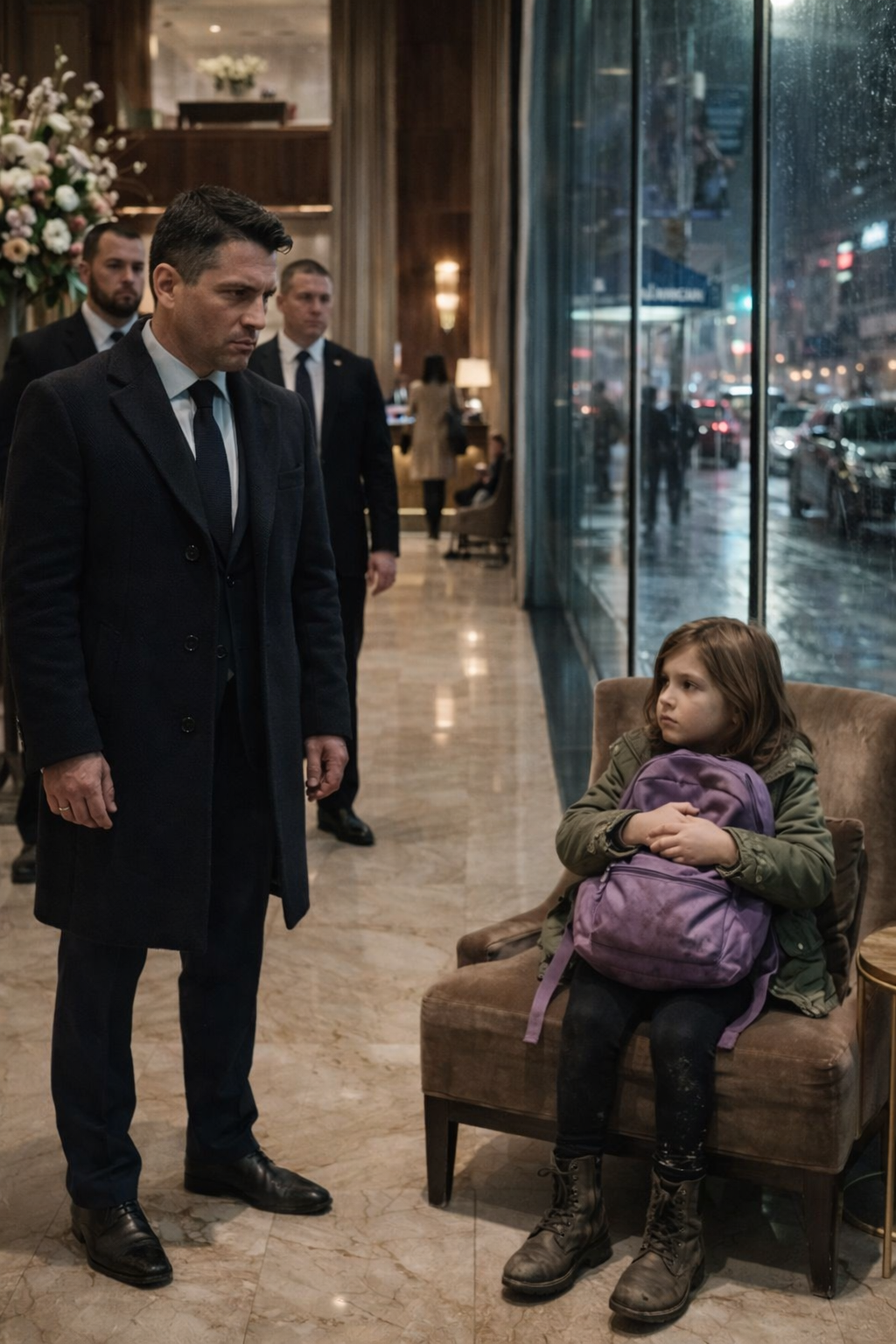
Dark coat. Expensive watch. Shoes too clean for this neighborhood.
He looked at the girl, then at me, and gave a small nod.
He wasn’t annoyed.
He was staring at her like something inside him had shifted.
I didn’t like that.
I caught my manager’s eye, raised a finger. “Can you cover me for 30 seconds?”
He nodded.
I stepped away, grabbed bread, soup, crackers, bananas, children’s cold medicine, and another jug of milk.
Then I paid for everything myself.
When I handed her the bags, her eyes filled with tears.
“I can’t take all this,” she whispered.
“Yes, you can,” I said. “Go home. Take care of your brother.”
She nodded quickly. “Thank you.”
Then she ran out.
That should have been the end.
It wasn’t.
The man stepped up next, placing a pack of gum on the counter, looking disoriented.
“Just this?” I asked.
He blinked. “Yes.”
He paid and left quickly—following her.

I got home after midnight, checked Dana’s temperature, made sure she took her medication, and listened as she apologized for being a burden.
I hate when she does that.
“You’re not a burden,” I told her.
She smiled weakly. “Then why do you look like you want to fight the electric bill every month?”
That made me laugh—for a second.
But later, lying in bed, I couldn’t stop thinking about the girl.
The milk.
Her voice.
Her mother’s name. Marilyn.
And that man.
The next afternoon, after my shift, I walked out and saw him waiting near the carts.
My pulse jumped.
He stayed at a distance.
That helped.
I stopped under the awning, crossing my arms.
He looked terrible—pale, unshaven, eyes red like he hadn’t slept.
“Please don’t go,” he said. “I need to explain.”
That wasn’t what I expected.
“You’ve got 30 seconds,” I said.
He swallowed.
“My name is Daniel. Last night, the girl said her mother’s name—Marilyn.”
I stared at him.
“She was the woman I loved most in my life.”
That wasn’t what I expected.
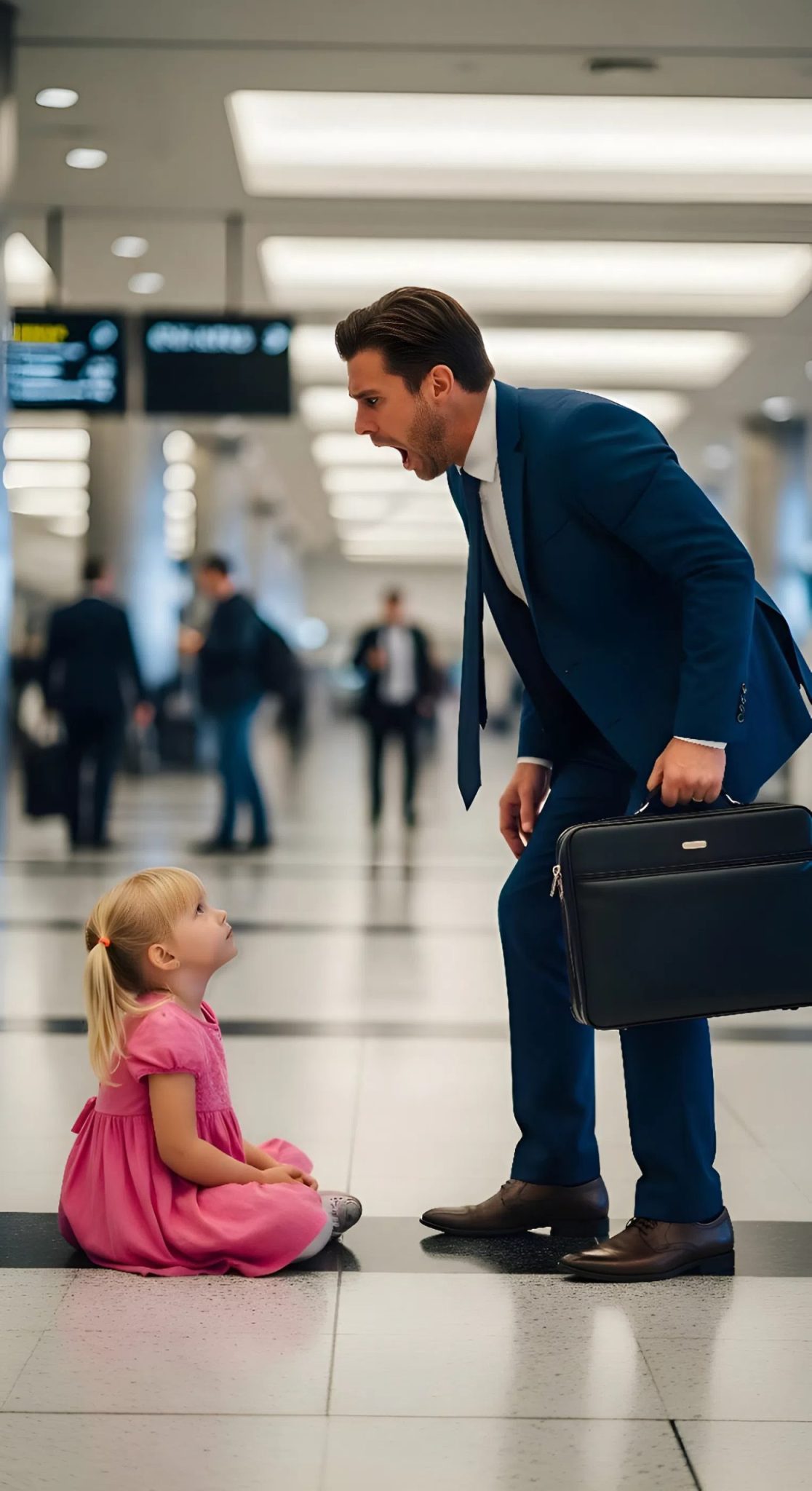
“We were together when we were young,” he continued. “We planned everything. Then my parents interfered. They wanted someone wealthier, someone acceptable. I let them decide for me—and I left her.”
I said nothing.
“Then I saw that girl,” he said. “She looks exactly like me.”
He exhaled shakily.
“I thought I was imagining it. I waited. Followed from across the street. When she got home, I knocked. Marilyn opened the door.”
I didn’t like the part about him following her. He saw it in my face.
“I know how that sounds,” he said quickly. “I wasn’t thinking clearly.”
“What happened?”
“She looked at me like I was a ghost. Then I saw the boy. He looks like me too.”
I went still.