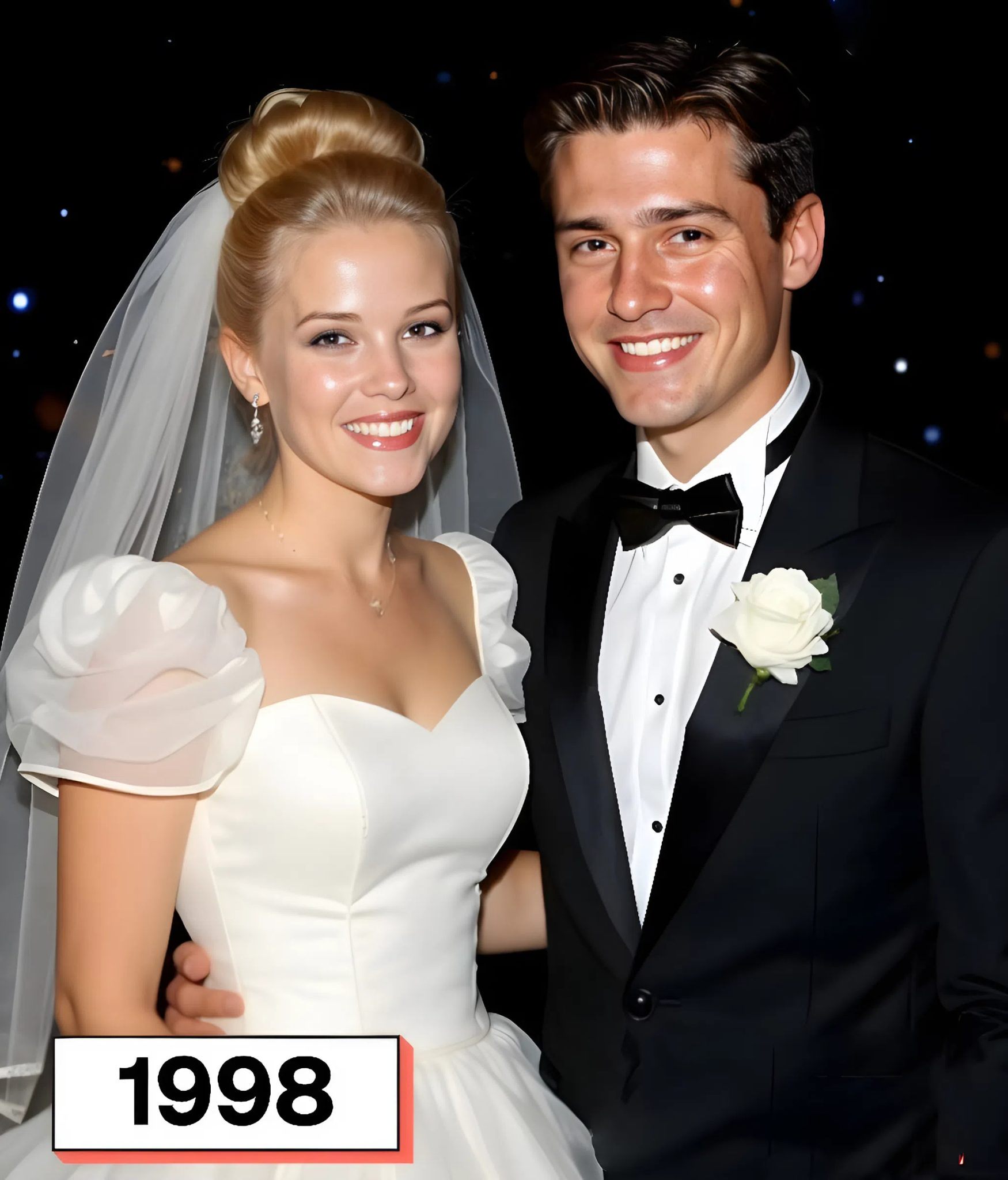
When my husband passed away after 27 years of marriage, I thought grief was the hardest thing I would ever have to face. But then his solicitor informed me that our marriage had never been legal, and I had no rights to what we had built together. I almost lost everything until I discovered the surprising truth about his secret.
I am 53 years old. I thought I had already been through the most difficult moments in my life. But nothing prepared me for the day Theo left.
It happened as a result of a car accident on a rainy Tuesday. One call from an unfamiliar police officer, and my world fell apart.
My husband, my partner of 27 years, the father of three children, was gone. No warnings, no chance to say goodbye, no last ‘I love you.’
The funeral became a blur of flowers, tears, and quiet words of comfort from acquaintances whose faces I couldn’t quite make out. I held our three children close, hoping that if we stayed together, we would somehow get through this.
Our daughter Zara, 18, stood next to me, her eyes swollen, trying to be brave. Our son Felix, 16, tried to hold back his tears.

We were all suffering, and it was very difficult for me.
The weeks after Theo’s death were like walking through a thick fog. I performed my daily duties — cooking meals I didn’t eat, answering questions I didn’t hear, lying in our bed at night, reaching out to someone who wasn’t there.
Then came the meeting with the solicitor.
I sat in his office three weeks after the funeral, surrounded by dark wooden walls and shelves lined with heavy books. He handed me a stack of documents, and I began to look through them with trembling hands.
My heart stopped when I saw it. In legal wording, I found a single line: No record of marriage found.
I blinked, completely sure it was a mistake. A paperwork error that could be corrected. Twenty-seven years together — birthdays, anniversaries, family trips, quiet Sunday mornings, arguments and laughter. How could it not be real?
‘I’m very sorry, Miss Lila,’ said the solicitor, pausing. ‘There’s no easy way to tell you this.’
‘What do you mean?’ I asked. ‘We got married in 1997. I have photos. My dress is in the wardrobe.’
His face looked heavy, full of pain. ‘I’m very sorry, but legally you were never married. We checked every record and the county office. The marriage certificate was never filed. Without it or a will naming you as his heir, you have no claim to his estate.’

The room spun. I grabbed the chair to keep from falling over.
‘That can’t be true,’ I said. ‘We had a ceremony. Friends were there. We’ve been together for 27 years! How can you say we weren’t married?’
‘I understand,’ he replied quietly. ‘But without legal proof, you were partners, not spouses. And since your husband died without a will, his property will go to his closest relatives by law.’
‘I’m his closest relative,’ I said, my voice breaking. ‘I’m his wife. The mother of his children.’
He shook his head. ‘His parents are dead, but he has a brother in Oregon and several cousins. They are his legal heirs. You have two weeks to leave the house. It is part of the estate, which will be sold and divided among them.’
My knees buckled, even though I was already sitting down.
The house we had furnished together, room by room, over two decades. The savings we had put aside for the children’s college education. Even the car in the driveway, registered only in his name. All of it… gone.
The following weeks were unbearable. My grief was no longer just in my heart — it became a heavy burden that weighed on me every day.

My health, already shaky from years of stress and endless nights of taking care of the house while Theo worked long hours, deteriorated rapidly. I lost 15 pounds in three weeks. My hands were constantly shaking. Some mornings, it was difficult to get me out of bed.
It was hard on the children too. Zara and Felix should have been enjoying college, dreaming about their futures. Now they were talking about staying close, giving up their plans to help me. That guilt hurt more than anything.
Every day I woke up tired, forcing myself to keep going. To do my part-time job at the library. To cook dinners I couldn’t taste. To clean the house we were about to lose. To support the children when I didn’t have the strength to comfort them myself. To answer questions I didn’t know how to answer.
How could Theo do this? Did he forget to file the paperwork? Didn’t he care about me?
And then, a week before we were due to leave the house, someone knocked on the door.
I opened it and saw a woman in her forties with a leather folder. Her badge said she was a county worker named Eloven.
‘Miss Lila?’ she said softly. “I’m Eloven from the county office. We checked Theo’s records after his death, and I think you should see this. May I come in?”

My heart was pounding as I let her in.
We sat down at the kitchen table, and Eloven carefully opened her folder.
‘Miss Lila, you were told that your marriage was never legally registered,’ she began. ‘That’s true. But you weren’t told why.’
‘Why?’ I asked.
‘It seems Theo deliberately failed to file the marriage certificate,’ she said, watching me. ‘But it wasn’t negligence. From what we’ve found, he did it to protect you and the children.’
I stared. ‘Protect us? By not marrying me? By leaving us with nothing?’
Eloven shook her head. ‘That’s not what he did. He set up trusts, insurance policies and accounts to avoid legal conflicts and inheritance laws. He protected you from financial disputes, creditors and even family members who might contest the will.’
She showed me documents I had never seen before — trust agreements, insurance policies with my name and the children’s names on them, and bank accounts I didn’t know about.
‘But why didn’t he tell me about this?’ I whispered.
Eloven handed me an envelope. ‘He left letters. These are for you.’
My hands trembled as I opened it. Theo’s handwriting brought tears to my eyes.
‘My dear Lila,’ the letter read. “If you are reading this, I am gone, and you have learned about our marriage certificate. I know this must be painful. I know you may feel confused, maybe even angry. I am truly sorry for this pain.
But please know that I did this to protect our family. Many years ago, I made business decisions that could have harmed us. Creditors, lawsuits, problems — I never wanted them to affect you or the children. If we had been legally married, everything we had built could have been taken away or challenged in court.
By staying away from the formalities of our marriage and opening these trusts and accounts, I made sure that you and the children would be safe no matter what happened to me. The house is in a trust in your name. College for Zara and Felix is taken care of. Everything you need is safe, out of reach of relatives or creditors.
I know this may seem strange. I know you may be hurt that our marriage was not legally formalised. But, Lila, you are my wife in every important way. You are my love. I would do anything to keep you safe, even if it meant you might not understand.
Please forgive me for the confusion and pain. Every decision I made was out of love.
Forever yours, Theo.”
I pressed the letter to my chest, tears streaming down my face. He had thought everything through.
I immediately called Zara, my hands still shaking. She answered on the first ring.
‘Darling,’ I said, my voice shaking. ‘Theo, your dad, has made arrangements for us. For you and Felix. For our whole family.’
Pause. ‘What do you mean, Mum?’
‘He never filed the marriage certificate,’ I said, the words becoming clear as I spoke them. ‘But he left everything in trusts, insurance and safe accounts. You and Felix can go to college. We’ll keep the house. Everything is there. He took care of it.’
Zara froze for a moment, then asked quietly, ‘Mum, he really loved us, didn’t he?’
‘Yes,’ I said with difficulty. ‘More than I ever knew.’
Over the next few weeks, Eloven helped me sort through Theo’s papers. There was a trust for the house, allowing me to stay there permanently. College funds for Zara and Felix, fully funded and secure. Even a small fund for me, enough to pay the bills and give me space to grieve without financial worries.
We didn’t move into the mansion. We stayed in the house that Theo and I had built together. For the first time since his death, I was able to breathe. The heavy burden of financial fear was lifted.
I thought about the times I had blamed him, felt betrayed, doubted his love. Now I understood that love is not always what we expect it to be. Sometimes it is hidden, cautious and protective. Sometimes it is quiet planning and sacrifice.
One evening, two months after meeting Eloven, I sat at the kitchen table with a cup of tea, rereading Theo’s letters. There were three of them, each explaining parts of his plan and why he had done what he did.
‘You thought it all through,’ I whispered to the empty room, to him, to the part of him that could hear. ‘Even when I didn’t understand. Even when I was angry with you.’
Zara came in and sat down opposite me. She was probably preparing for her college exams. She gave me a gentle smile.
‘He always did that, Mum,’ she said. ‘Dad loved us as best he could. Even now, he’s still watching over us.’
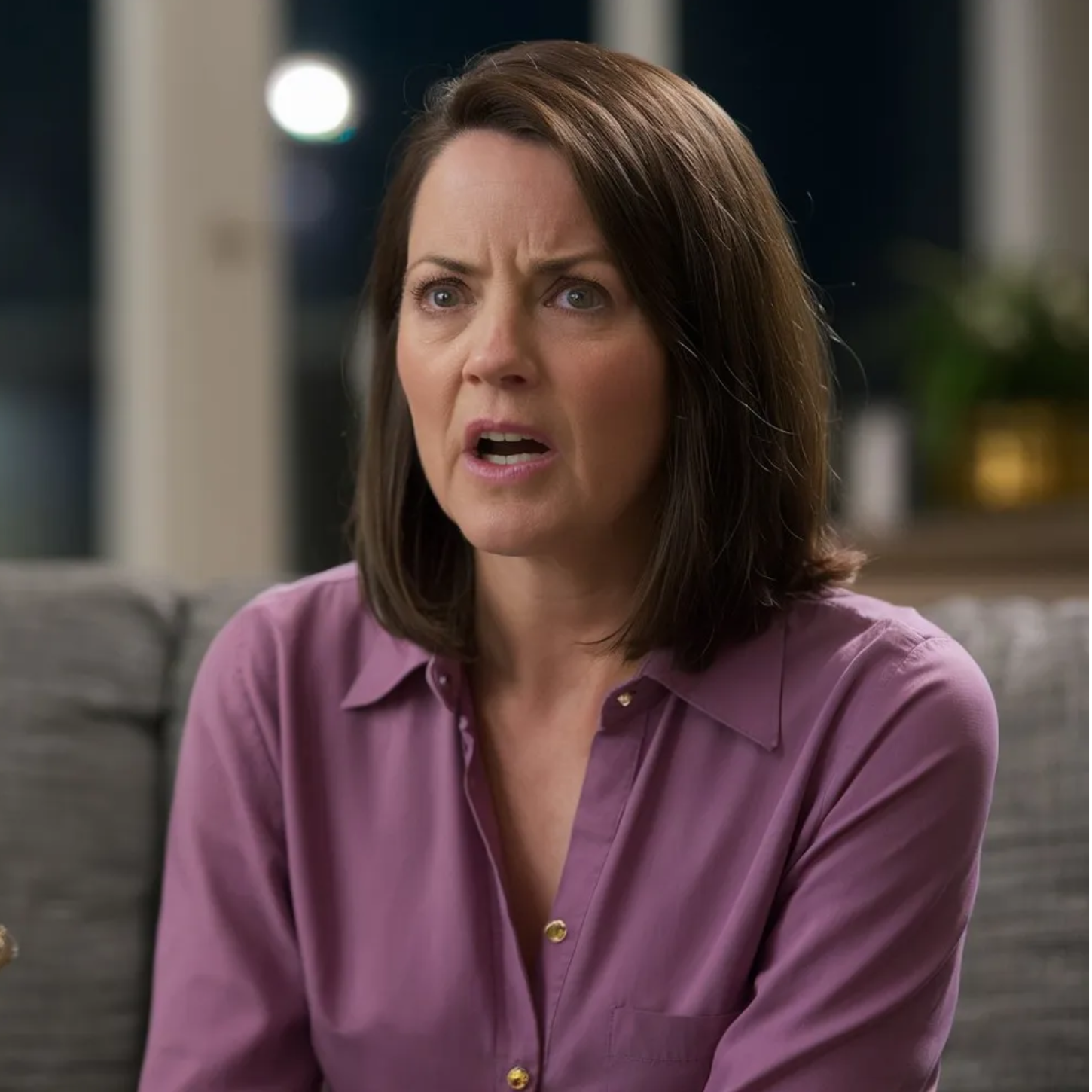
Felix stood in the doorway, his hands in his pockets. ‘Looks like we won’t go broke in college after all,’ he said with a slight smile, as always, lifting our spirits when things got tough.
We laughed, tears mingling with relief and a little joy. It was good to laugh again, to feel something other than grief and anxiety.
That night, I went to bed thinking about Theo and what he had done. How even after his death, he remained the most devoted husband and father I could imagine. He was not careless or selfish.
Even though he didn’t make it official on paper. We don’t have a certificate in a box with our names on it. But he loved me and our family more deeply than I could have imagined.
And in the end, that’s what matters most.