
For seven long years, I devoted my life to raising the ten children my late fiancée left behind, convinced that grief and loss were the greatest hardships our family would ever endure. But one evening, my oldest daughter finally looked me in the eyes and admitted she was ready to tell me the truth about the night her mother vanished — and in that moment, everything I believed collapsed.
By seven o’clock that morning, I had already ruined a batch of toast, signed permission slips for three different schools, rescued Sophie’s missing sneaker from the freezer, and broken up an argument between Jason and Evan over whether a spoon counted as a dangerous weapon.
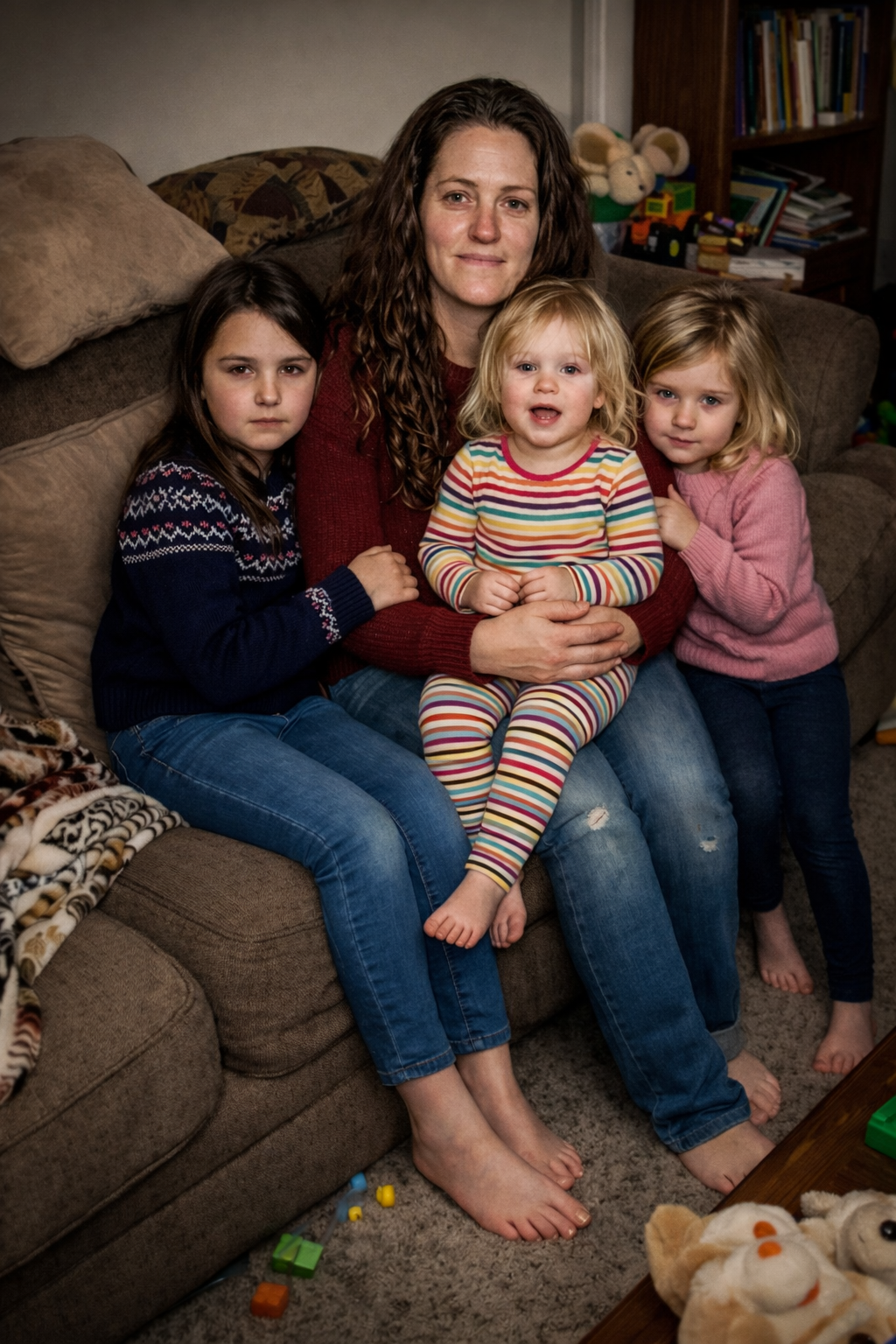
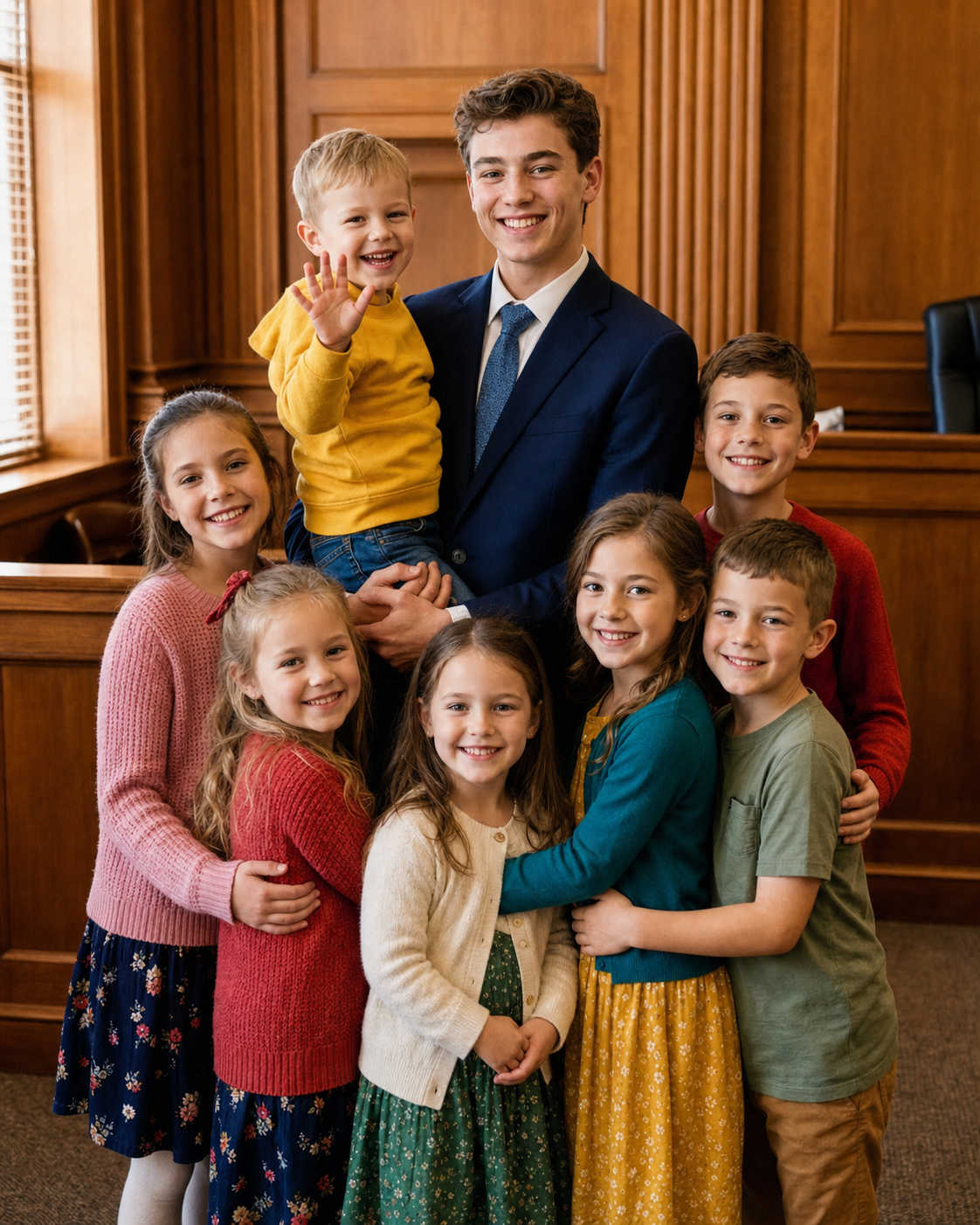
I’m forty-four years old now, and for the past seven years I’ve been raising ten children who don’t share my blood — but became my family all the same.
“Dad!” Katie shouted from the hallway. “Sophie said my braid looks like an old mop!”
Without looking up from packing lunches, I answered, “That’s because Sophie is nine years old and thrives on chaos.”
Sophie appeared in the kitchen doorway with a cereal bowl balanced in one hand.
“I didn’t say mop,” she corrected. “I said exhausted mop.”
Even in the middle of the madness, moments like that reminded me why I stayed.
Because seven years ago, Calla was supposed to become my wife.
She was the heartbeat of our crowded house — the woman who could soothe a screaming toddler with a single song and stop sibling warfare with one look across the room.
And then one night, everything changed.
The police found Calla’s car parked near the river. The driver’s door stood open. Her purse remained inside. Her coat had been folded neatly over the bridge railing.
Hours later, they discovered Mara wandering barefoot beside the road, shaking violently from the cold.
She was eleven years old.
And she didn’t speak for weeks afterward.
When she finally did, she repeated the same sentence over and over:
“I don’t remember anything, Dad.”
The authorities searched for ten days.
But no body was ever recovered.

We buried Calla anyway — an empty funeral for a woman who had simply vanished — and afterward I was left standing in the wreckage with ten grieving children who needed someone to stay.
So I stayed.
People told me I was out of my mind for fighting for custody of all ten kids.
My brother said, “Loving them is one thing, Hank. Raising ten children by yourself is something else entirely.”
Maybe he was right.
But I couldn’t let them lose another parent.
So I learned.
I learned how to braid hair and trim boys’ haircuts in crooked bathroom mirrors. I learned asthma medication schedules, school lunch rotations, nightmare routines, and how to tell which child needed silence and which one needed grilled cheese cut into stars just to survive a bad day.
I never replaced Calla.
But I never left either.
That morning, while I stuffed applesauce packets into lunchboxes, Mara quietly tightened the strap on Sophie’s backpack and said:
“Dad, can we talk tonight?”
I looked up immediately.
“Of course. Everything okay?”
She held my gaze a little too long.
“Tonight,” she repeated softly.
Then she walked out before I could ask anything else.
The feeling sat in my chest all day like a stone.
That night, after homework, baths, bedtime arguments, and three separate negotiations over lights-out, the house finally became quiet.
Mara stood in the living room doorway and said:
“Can I borrow Dad for a minute?”
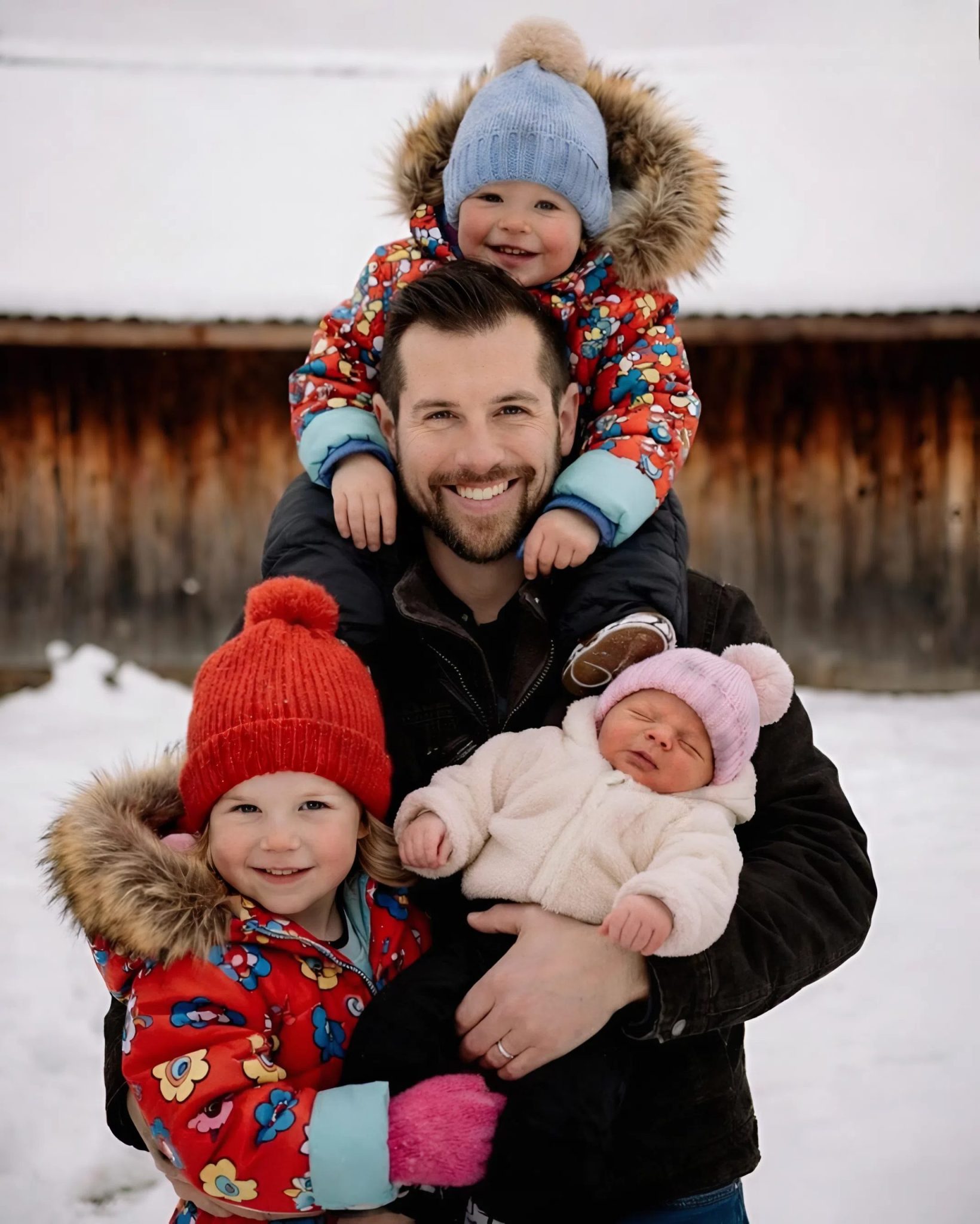
I tucked Jason into bed, kissed Katie goodnight, promised Sophie I’d check on her again later, and finally found Mara sitting alone in the laundry room, perched nervously on top of the dryer.
“Okay,” I said gently. “What’s going on?”
She looked at me with the same expression she always wore when trying not to break apart.
“This is about Mom.”
My stomach tightened instantly.
“What about her?”
Mara inhaled slowly, painfully.
“Not everything I told people back then was true.”
I stared at her.
“What do you mean?”
Her fingers twisted tightly around the sleeve of her sweater.
“I didn’t forget, Dad.”
The room went completely still.
“What?”
Tears filled her eyes, but her voice stayed quiet.
“I remembered the whole time.”
I felt cold all over.
“Honey… tell me exactly what you mean.”
She looked down at the floor.
“Mom wasn’t in the river.”
I couldn’t process the words.
“That’s what the police believed,” she whispered. “But she wasn’t there.”
My heartbeat thundered in my ears.
“What are you saying?”
Mara looked up at me, and for one horrifying second I saw the terrified eleven-year-old she used to be hiding beneath the woman she’d become.
“She left.”
The words hit harder than any scream.
“No,” I said automatically. “No, sweetheart.”
“She drove us to the bridge. She parked the car there and left her coat and purse behind. I asked why she was doing it, and she told me she needed me to be brave.”