As Journey rose to superstardom and Steve Perry’s voice became a defining sound for a generation, Perry—now 76—vanished from the spotlight, a sudden, quiet retreat that left fans and the music world stunned for nearly two decades.
Guiding the band into a new chapter
Steve Perry’s lifelong connection to music began early. At just 10 years old, he felt something shift the first time he heard Sam Cooke’s “Cupid” playing on his mother’s car radio—a moment that sparked a devotion that never truly faded.
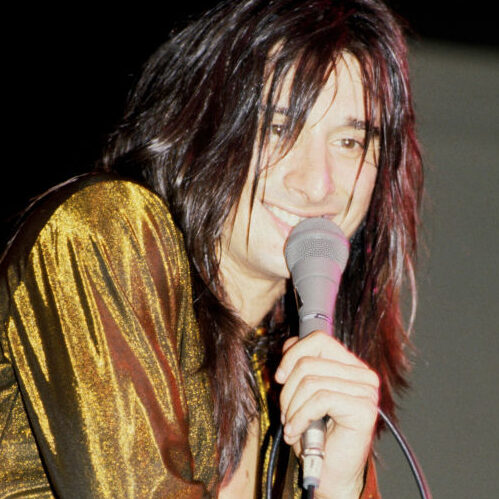
After finishing college and spending time performing with local bands, Perry joined Journey in 1977 at age 28, arriving with a powerful, operatic tenor and a deeply emotional delivery that would reshape the band’s identity.
Reflecting on those early days, Perry told GQ in 2008 that Journey was an exceptional live act, but they weren’t known for hit records and weren’t getting regular radio play. At the time, the group leaned more toward jazz-rock fusion than the kind of singles that dominate charts.
That trajectory changed as Perry began working closely with guitarist Neal Schon. Together, they helped steer Journey into a new era—blending hard rock energy with heartfelt ballads—and pushing the band into the world of stadium-rock dominance.
“Oh Sherrie”
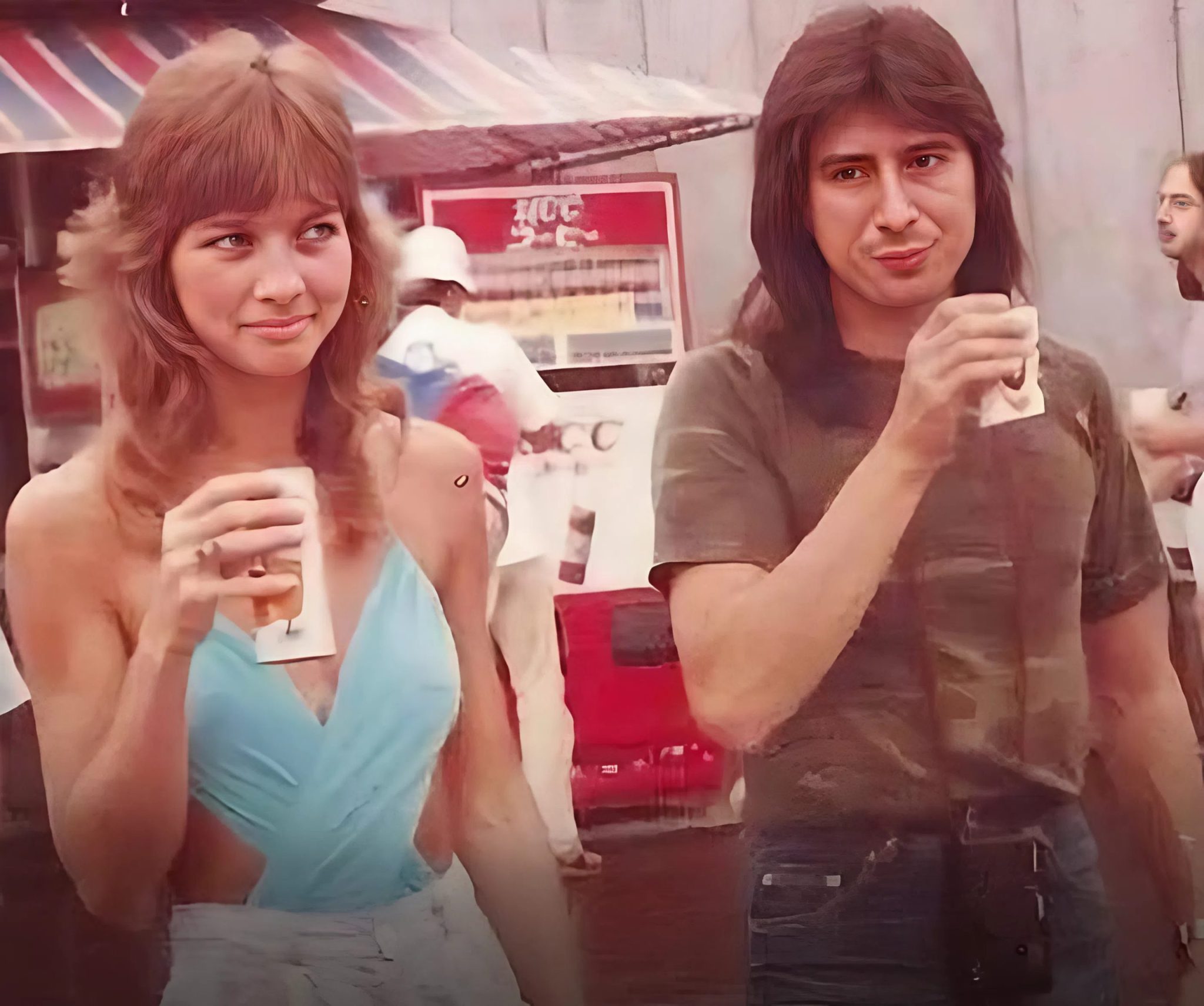
Just as Journey was gaining momentum, Perry was in a relationship with Sherrie Swafford, who later inspired his 1984 solo hit “Oh Sherrie”—his first solo single released while he was still a member of Journey.
In a 2011 interview with the Tampa Bay Times (as reported by The Hollywood Reporter), Perry described their relationship as intensely loving, while also acknowledging how difficult it was to maintain normalcy when the band was at its peak. He noted that being involved with someone in a massively successful touring band can look glamorous from the outside, but the reality is often exhausting and emotionally complicated.

International fame
By this point, Journey had become one of the world’s most recognized rock bands. Their 1981 album “Escape” reached multi-platinum status, and Perry was widely celebrated as one of rock’s most extraordinary vocalists—known for range, tone, and emotional force.
Yet behind the success, pressure was building. In a 2018 interview with The New York Times, Perry said burnout played a major role in what came next. He explained that for a vocalist, the instrument isn’t separate from the person—if you feel burnt out, depressed, worn down, lost, or paranoid, your ability to perform and endure the pace can collapse.
Journey went on hiatus in 1987, and although the band tried to regroup in the mid-1990s, the reunion did not unfold as hoped.
Comeback—then disappearance
In 1996, Journey released “Trial by Fire”, featuring the well-known single “When You Love a Woman.” A return seemed possible—until Perry suffered a hip injury while hiking in Hawaii.
Surgery was recommended, but Perry hesitated. That hesitation created tension within the band. Journey—ready to tour—issued an ultimatum: have the surgery or they would move forward without him. Perry chose to step away, and he became increasingly isolated for the next 20 years.
Looking back, he told radio station 106.7 Lite FM that the band worked relentlessly and was fortunate to find enormous success—but the success came with a punishing schedule. He said he eventually “hit a wall” and began to lose his love for singing.
Steve Perry and his then girlfriend Sherrie Swafford who appeared in the OH SHERRY music video. pic.twitter.com/3njEBjVdB4
— 80s Nostalgia Channel (@80s_channel) April 25, 2025
Kellie Nash
Burnout wasn’t the only factor shaping Perry’s retreat.
He found love with Kellie Nash, a psychologist living with terminal cancer. Perry later told The New York Times that while he had been admired by many, he didn’t fully feel what love meant until it was expressed by Nash—because, in his view, she had far better things to do than say words she didn’t truly mean.
Their time together was brief. After less than two years as a couple, Nash died at age 40 on December 14, 2012.
Her death devastated Perry, but it also became a turning point. In the same New York Times conversation, he recalled a promise he made to her before she passed: if something happened to her, he would not return to isolation, because doing so would make everything they shared feel meaningless.
“Open Arms” and a return to music
In 2018, Perry honored that promise. After a 24-year break from the studio, he released “Traces,” his first solo album since 1994—a deeply personal record shaped by grief, love, and reflection.
He told The New York Times that he wasn’t sure “coming back” was even the right phrase. What mattered, he explained, was reconnecting with real emotion and the love of making music—along with the fears, joys, and inner turbulence that had always accompanied it.
Even during his long absence, Perry’s cultural impact never disappeared. “Don’t Stop Believin’” found new life across pop culture—appearing in The Sopranos finale, Glee, and the Broadway musical Rock of Ages—introducing his voice to a new generation. Rolling Stone has named him among the greatest singers of all time, and his vocal approach continues to influence countless artists.
What are your top Journey songs? Share your favorites—and if you enjoyed this story, pass it along so others can weigh in too.