After getting engaged, I quickly realised that for some people, love is measured by the thickness of their wallet. Whispers were heard everywhere: ‘She’s that poor girl who got lucky.’ My fiancé’s family was wealthy, while mine was ordinary, without luxury or savings.
His parents were generous with the preparations: they took care of the venue, decorations, flowers, banquet — everything that usually eats up the lion’s share of the budget. My family and I could pay for the cake, the photographer and… my dress. But at that time, my mother was battling a serious illness, and every spare penny went towards her treatment. I felt uncomfortable with the idea of spending a huge amount of money on an outfit that I would only wear once.
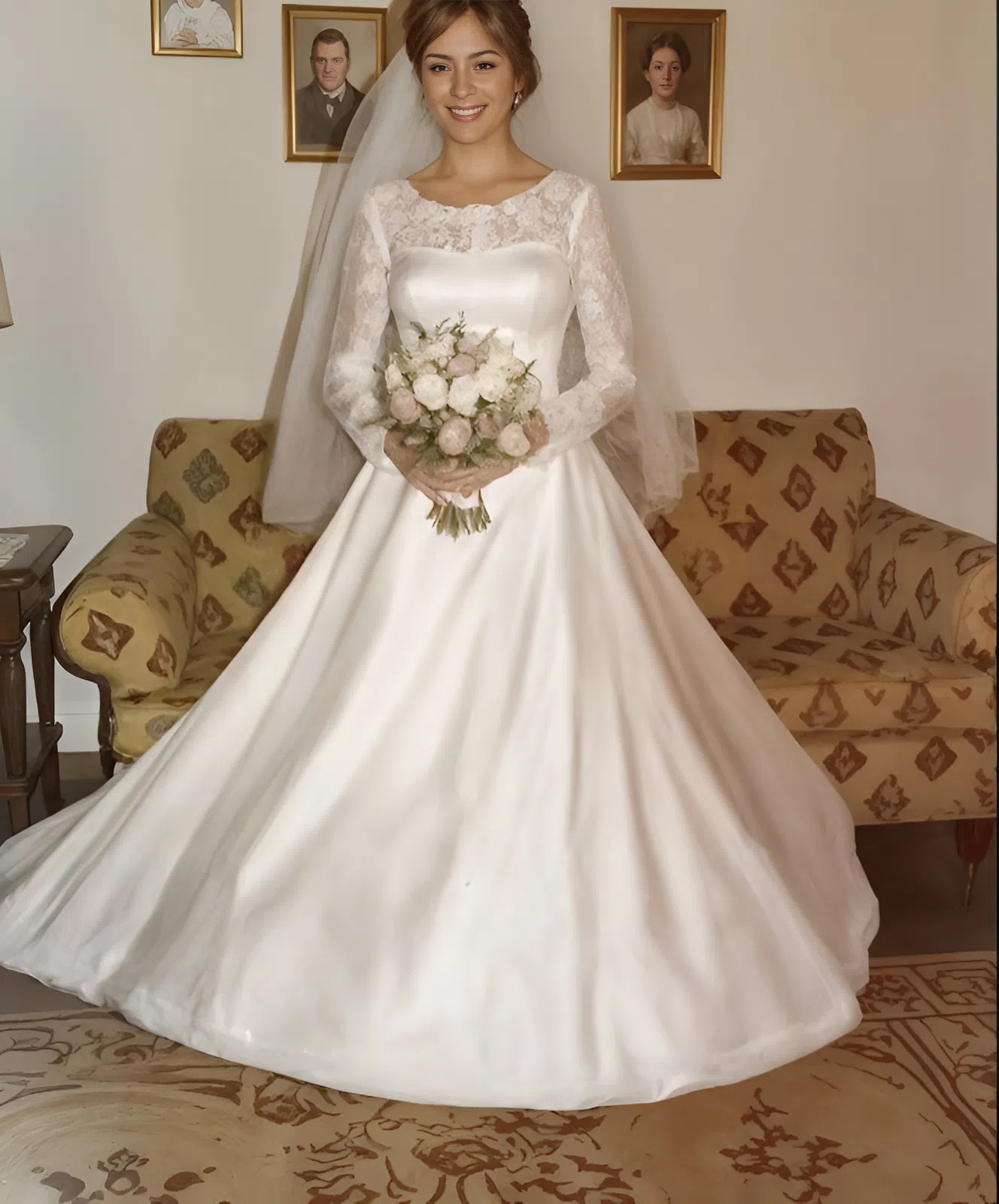
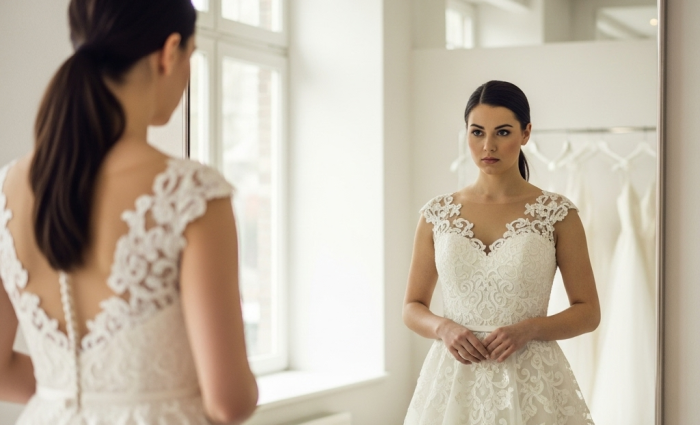
So I did what seemed reasonable to me: I went to a second-hand shop. I searched without pretension, without dreaming of a ‘brand name,’ just something beautiful and neat. And then I saw it: the dress fit as if it had been waiting for me. Simple, elegant, with a perfect fit. I bought it and decided that the origin of the item was not a topic for discussion at the wedding.
- We chose to celebrate our love, not to impress.
- I wanted to invest in my mother’s health, not in the price tag.
- The dress was simple, but I felt like myself in it.
I only told my younger sister about the dress and begged her, ‘Please, don’t tell anyone.’ But the secret didn’t last long. The information spread quickly, as if it were vitally important for someone to discuss where exactly I had bought the fabric and lace.
Messages and phone calls started coming in — as if people suddenly felt entitled to interfere. Some people ‘kindly’ offered to chip in, others even hinted at raising funds so that I could ‘afford a normal outfit.’ I refused everything — including help from my future relatives. If anyone needed support, it was my mother, not my wedding photos.
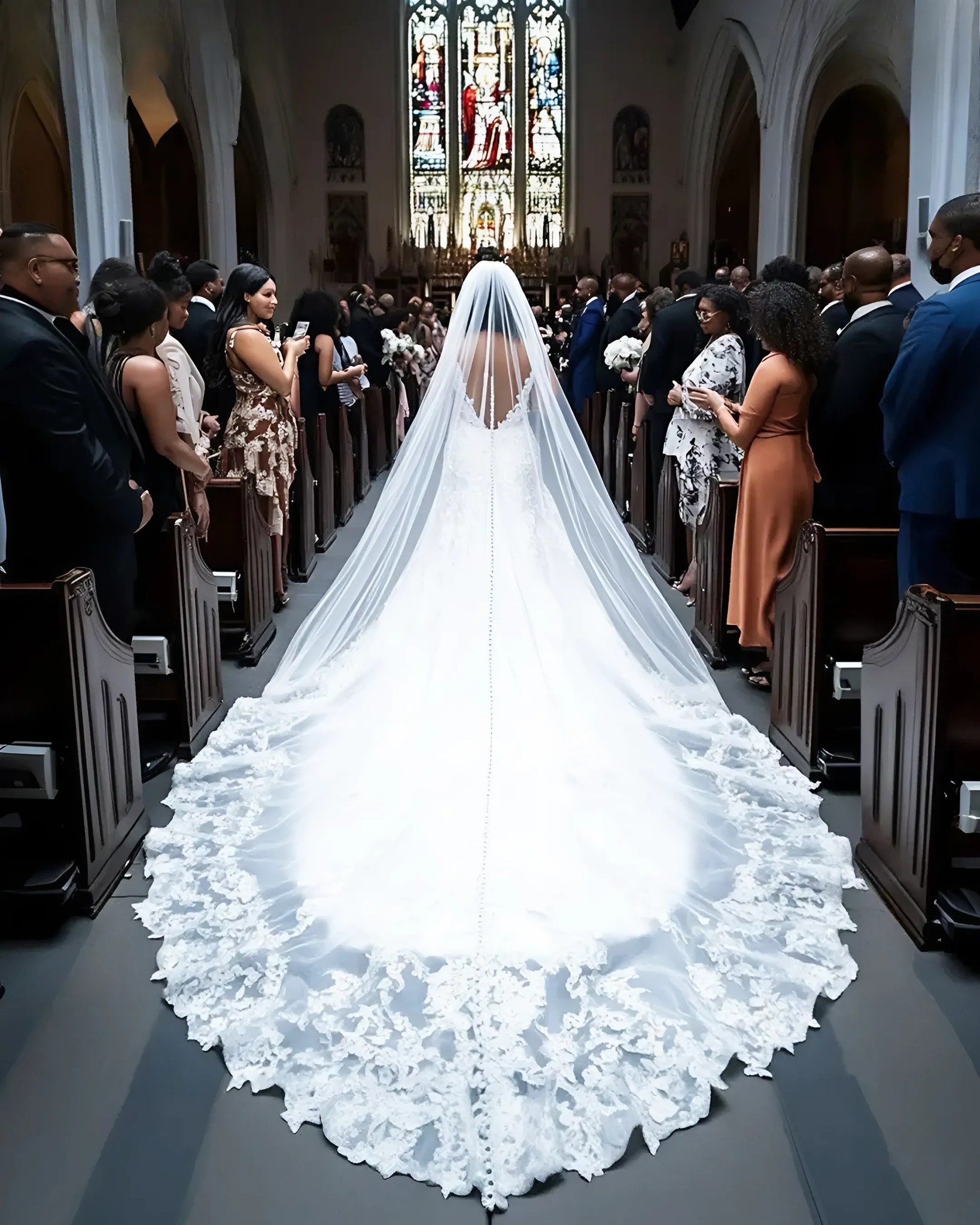
On the wedding day, the hall was aglow with chandeliers, roses and golden light. Nearly two hundred guests turned their heads as I walked down the aisle. But instead of simply rejoicing, many seemed to be looking for a ‘catch’ — evaluating the fabric, the seams, the silhouette. I felt the attention sliding over me in a way that shouldn’t be the case at such a moment: not with warmth, but with curiosity and ridicule.
Sometimes even the most beautiful hall can’t save the day if someone has come not to share in the happiness, but to pass judgement.
It got even harder at the reception. The jokes were whispered, but loud enough for me to hear. I tried to smile, keep my composure, and not let myself fall apart — after all, the person I love was there, and we had waited so long for this day.
And then one of my relatives — my aunt — raised her glass. She said it as if she were on stage and expecting laughter from the audience. The meaning was clear: if the groom was ‘rich,’ why didn’t he buy a ‘real dress,’ why was I ‘wearing second-hand clothes’?
Several people actually giggled. I wanted to disappear: not to cause a scene, not to cry in front of everyone, not to ruin the party. I stood there, clenching my fingers so hard that my knuckles turned white, and tried to breathe evenly.
- I wasn’t ashamed of the dress — I was ashamed of other people’s cruelty.
- I wished the conversation would return to happiness, not price tags.
- At that moment, I realised how easily people forget about tact.
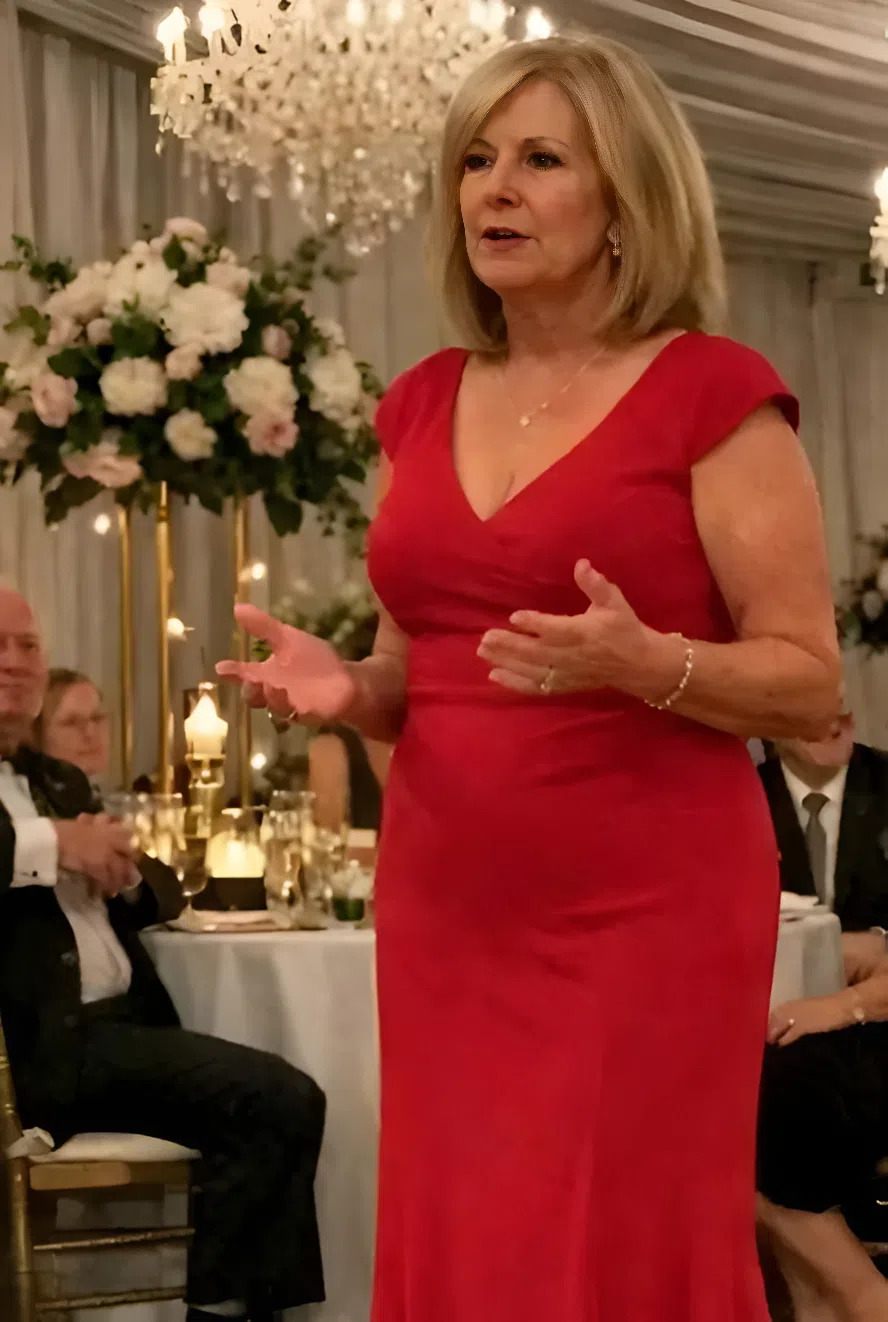
And that’s when the groom’s mother stood up. Until then, she had been silent, calmly observing what was happening — and I was even afraid that she too would consider my choice ‘awkward.’ But she stood up confidently, without ostentatious severity, and looked at the hall in such a way that the noise subsided on its own.
She said simple things — without sarcasm, without humiliation. She reminded everyone that a wedding is not a fashion show or a vanity fair. That respect for a person is more important than any decorations. That kindness cannot be measured by the cost of fabric. And also — that she was sincerely happy to see a woman next to her son who knows how to set priorities and is not ashamed of reasonable modesty.
Then she added quietly, but so that everyone could hear: help is needed where people are really struggling. And if someone has extra strength and resources, it is better to direct them towards supporting those who are fighting for their health, rather than towards ‘meeting the expectations’ of outsiders.
‘A dress is just a dress. But your heart and dignity are what stay with you forever.’
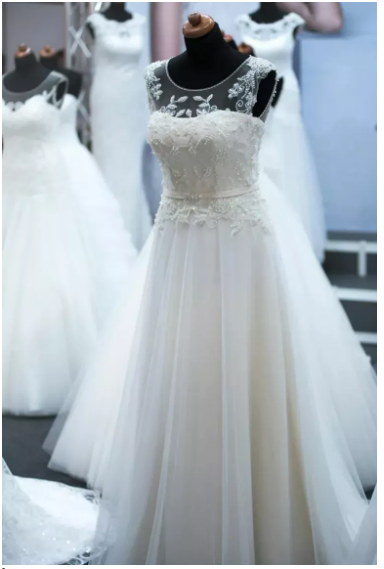
The room got awkward — but not for me anymore. The laughter stopped, faces got serious, and some people looked away. My aunt just stood there with her glass, not knowing what to say. And suddenly I felt not shame, but relief — as if I had been given back the right to be happy with my choice.
That evening, I realised one important thing: family is not always the people you grew up with, and not always the ones who ‘wish you well’ the loudest. Sometimes you find real support where you least expect it. And, as it turned out, my simple dress was not a cause for shame, but a small test of humanity for everyone around me.
The conclusion is simple: you can throw a lavish party for any amount of money, but respect and warmth cannot be bought. I got married in a second-hand dress — and on that day I felt truly rich, because I was surrounded by love, support and dignity.