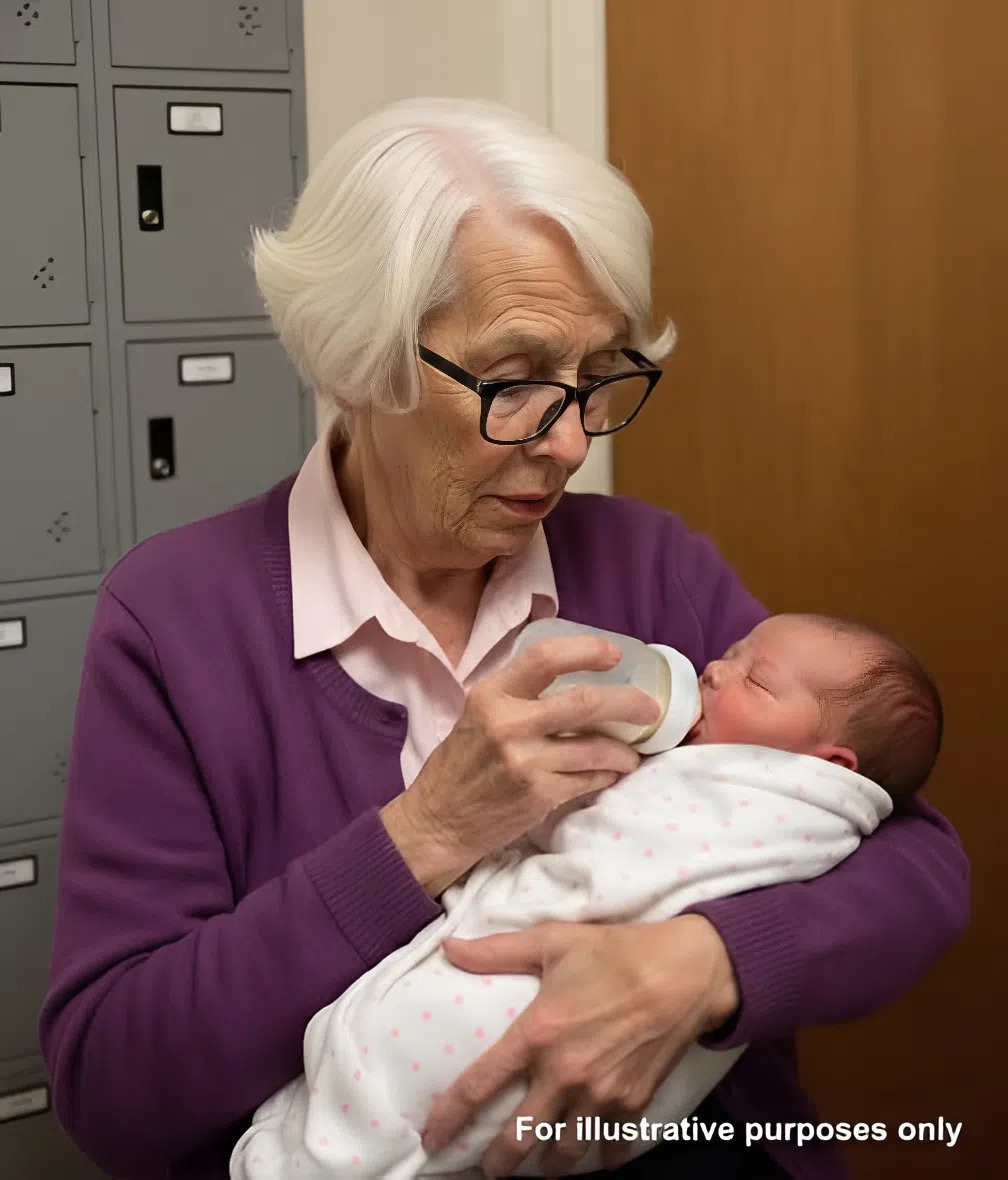
I’m 73 years old, and if you had told me last year that I would be raising a tiny human entirely on my own at this age…
I’m 73 years old, and if you had told me last year that I would be raising a tiny human entirely on my own at this age, I would have laughed until I cried. But life has a way of smashing your illusions into a million pieces, and mine came crashing down in a single, devastating day. My daughter, Jessamine, passed away during childbirth.
She was only 32, vibrant and full of life, and she fought so hard for her little girl. But her body just gave out. I watched, completely helpless, as the hospital staff told me there was nothing more they could do.
One moment, she was here, squeezing my hand and telling me she loved me. The next moment, she was gone. Her husband, Jovan, couldn’t handle it.
I still remember how he cradled little Wrenna in the hospital nursery that night and whispered something in her ear. He kept looking at her for a long moment before gently placing her back into the bassinet. And then, he just left.
He left a note on a chair that said, “I can’t do this. You’ll know what to do.”
That was it. No phone call.
No explanation. Just gone, like he’d never been part of our lives at all. So suddenly, I became her world.
Wrenna became mine, and I became hers. At 73, raising a baby is exhausting in ways I didn’t even know existed. The nights were sleepless, stretching on forever while I rocked her and prayed she’d settle.
The days blurred into each other until I couldn’t remember what month it was. Money disappeared faster than I could count it. I spent it on formula, diapers, and doctor visits.
But I was determined. She had lost her mother, and her father had walked away like a coward. She deserved at least one person in this world who wouldn’t abandon her, and I was ready to be that person.
Last week, Wrenna developed a fever. Not just a little one that you can manage with a cool cloth and some baby medicine. A full-blown, burning-up fever that made her tiny body feel like it was on fire.
I panicked and rushed her to the emergency room at Mercy Hospital, praying the doctors could help. The rain was pouring down so hard that I could barely see through my windshield. I somehow managed to carry her through the sliding doors, clutching my purse and diaper bag firmly.
I wanted the doctor to see my little girl as soon as possible. However, when I reached the waiting room, it was absolutely crowded. There were people everywhere, coughing, groaning, and staring at their phones.
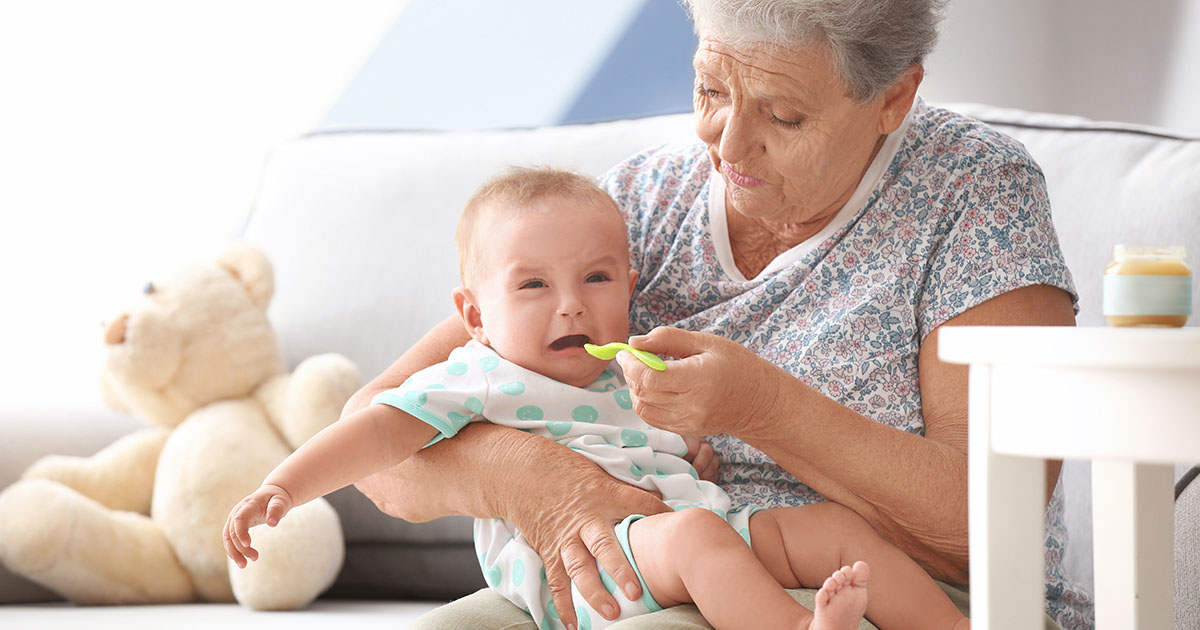
I found a seat near the back, set Wrenna in her stroller, and checked her forehead again. It was still burning. She was whimpering, then crying, and the tiny sound echoed off those cold, sterile walls.
My heart was in my throat. I felt so bad for my little baby. “Shh, sweetheart, Grandma’s here,” I whispered to her.
“Just a little longer, baby. Just a little longer.”
And that’s when he appeared. The man wearing a Rolex.
He was wearing an expensive white suit and a gleaming watch that probably cost more than my car. He had this energy that screamed entitlement. He looked at me, then at the stroller, and his face twisted into pure disgust.
“Ma’am,” he barked, loud enough for everyone in the waiting room to hear, “that noise is unacceptable. I’ve waited a long time for this visit. I paid for priority care.
That baby… she’s crying, and it’s disturbing me. Do you even know how dangerous that is? She’s probably contagious and spreading germs everywhere!”
I blinked at him, stunned.
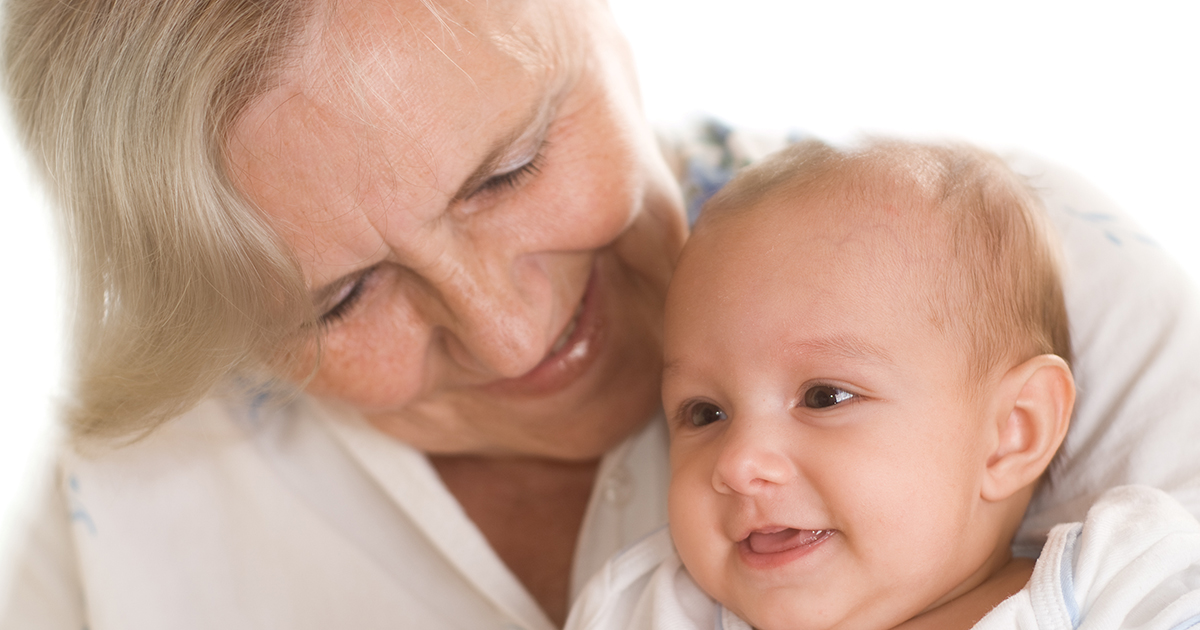
“Excuse me? She’s burning up. She has a high fever and needs help!”
“Too bad,” he snapped.
“This is a hospital, not a daycare center. Step aside, or I’ll have security escort you out. You’ll have to join the back of the line like everyone else.
I paid for the service, which means you clearly do not matter. And frankly, I don’t want to be exposed to whatever disease she’s carrying!”
I felt my chest tighten, my vision narrowing until all I could see was his angry face and his pointing finger. I was shaking, holding my little Wrenna against my chest as her tiny body quivered with fever and fear.
“Sir, please, she’s just a baby!” I protested. “She could be seriously ill. We need to see a doctor!”
“I said MOVE!” he shouted, jabbing his finger directly at me.
“Or get out of my way right now!”
I didn’t have anywhere to go. Outside, the rain was still pouring, and the wind was cutting through the parking lot like a knife. The thought of taking my sick granddaughter out there, into the cold and wet, made my stomach churn with absolute terror.

But this man’s glare was burning right through me. Several people in the waiting room were staring now, some shaking their heads, while others looked away like they didn’t want to get involved. I had no choice but to shuffle toward the exit, my arms aching from holding Wrenna, my heart breaking into pieces.