Three Babies, One Storm, and the Letter on the Counter
I was thirty-one when everything split wide open.
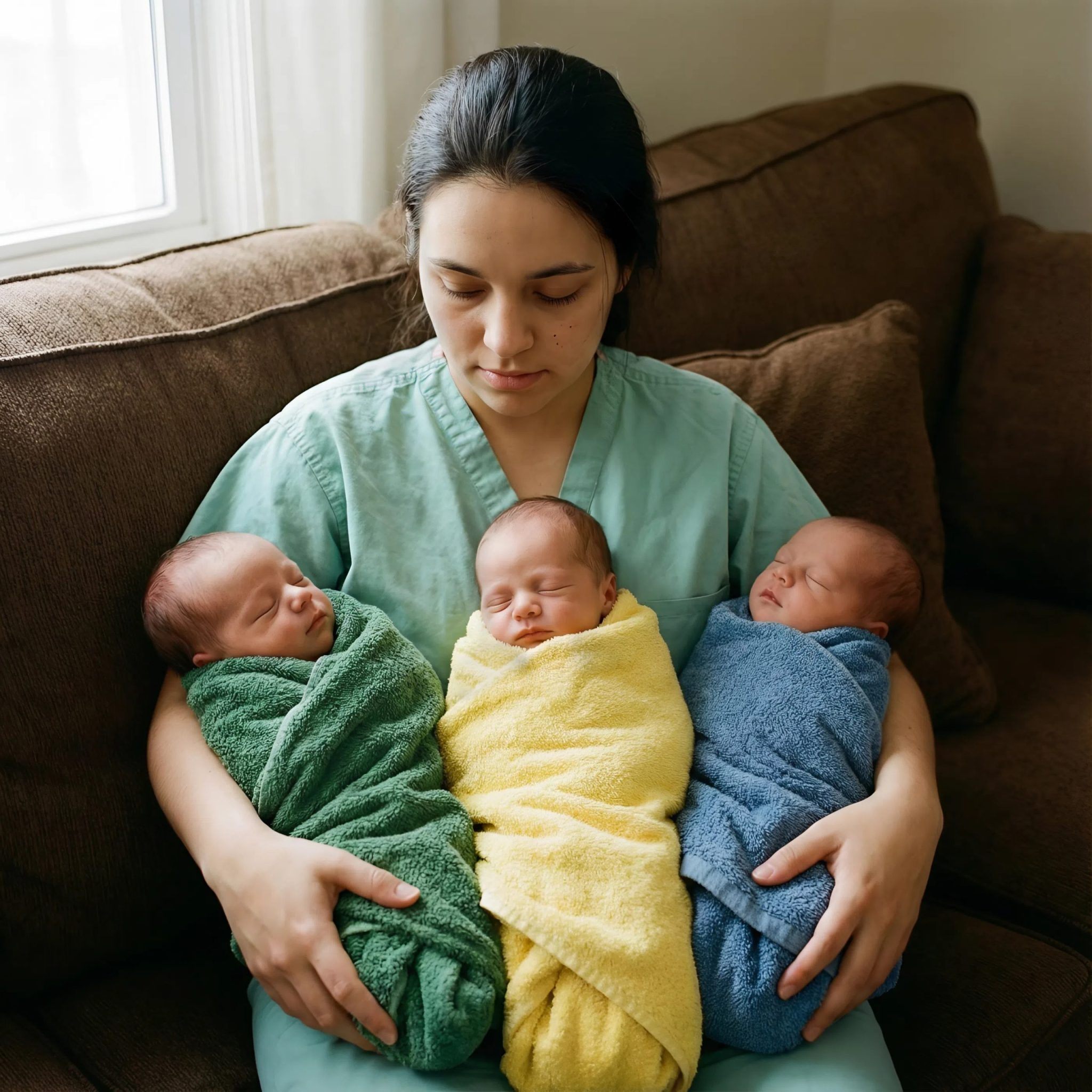
Three babies under a year old.
No partner.
No sleep.
And then a hurricane.
When people hear the word triplets, they picture matching outfits and smiling photos. They don’t imagine what it really looks like: a body that never fully recovers, a mind stitched together with caffeine and anxiety, and the way three different cries at once can shake you to your core.
Here’s the truth.
I hadn’t slept more than two hours straight since the boys were born. My hands were constantly sticky with something I couldn’t identify. I cried in the shower because it was the only place where no one needed me for five uninterrupted minutes.
Their father was gone. The moment I told him, he vanished like steam from a kettle.
“I’m pregnant,” I said, my hands trembling. “With triplets.”
He stared at me as if he were waiting for someone to jump out and say it was a joke.
“That’s not funny,” he said.
“I’m serious.”
He grabbed his jacket from the couch as if it burned him. “I can’t do this. I’m not ready to be a dad. Not to three kids at once.”
“And you think I am?” I shouted after him.
He didn’t turn around.
He didn’t answer my calls.
He never came back.
Most days, I didn’t even have the energy to hate him. Hate requires focus, and I was surviving on scraps. Between feeding schedules that never aligned, endless diapers, and three tiny humans who never needed the same thing at the same time, my only goal was keeping us alive.
The house was the last thing my parents left me. They had died in a car accident three years before the boys were born. It was a small two-bedroom place with creaky floors and a porch that dipped on one side. It wasn’t much, but it was ours.
On better evenings, I’d sit on the porch in my mother’s old rocking chair, holding whichever baby was loudest that day. The oak trees out front turned the sunset into stained glass. I told the boys stories about their grandparents—how my dad whistled off-key, how my mom sang while she cooked.
“Maybe we’ll be okay,” I whispered into soft baby hair. Saying it out loud made it feel slightly less like a lie.
Then the hurricane came.
The Night the Roof Gave Way
The forecast said severe weather. The sirens said something else.
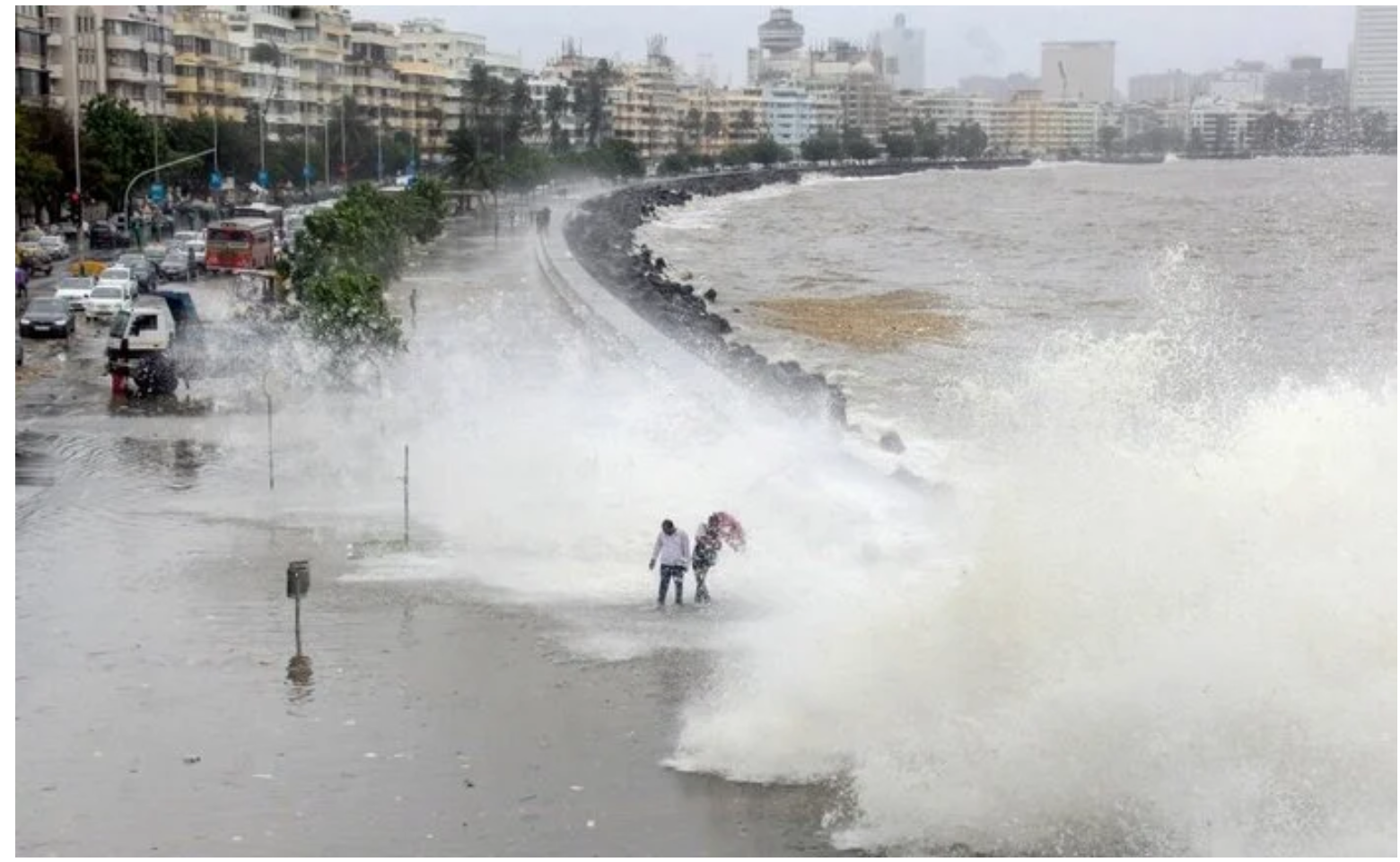
When the storm hit, the wind didn’t just howl—it screamed. The walls groaned. The house shook like it was begging to survive.
I strapped each boy into his car seat and lined them up in the narrow hallway, the most protected spot in the house. I sat on the floor between them, one hand gripping a car seat handle, the other clenched around my phone.
“Please,” I whispered—to God, to the storm, to my parents, to anyone listening. “Please let the roof hold.”
It didn’t.
I heard it before I saw it—a long tearing sound, like the sky being ripped open. Then icy water poured through the bedroom ceiling. The smell of wet insulation and splintered wood filled the house.
The boys screamed.
I wanted to scream too.
Instead, I sang.
It was an old lullaby my mother used to hum during power outages. My voice shook, but I kept singing. If everything was going to fall apart, I didn’t want fear to be the last thing my sons heard.
By morning, half the roof was gone. The bedroom was a wreck of dangling boards and soaked drywall. The house that once smelled of baby lotion and warm formula now smelled like rot and mold beginning to take hold.
A government worker came days later—clipboard, practiced sympathy, endless forms. Eventually, an envelope.
The check was for $800.
My neighbor said repairs would cost at least $10,000.
I stood in what used to be my living room, holding that check, surrounded by ruined furniture, with three babies fussing behind me. I laughed. It sounded sharp and wrong.
“What are you going to do?” my best friend Jenna asked when she arrived, stepping around debris.
“I don’t know,” I said. Something inside me cracked so wide it felt hollow. “For now… we have the shelter.”
I didn’t say it with hope. Just fact.
The Shelter
The shelter smelled like disinfectant and exhaustion.
An elementary school gym had been turned into a temporary home. Rows of cots. Folding chairs. Donated clothes piled along the walls. Children crying. Adults staring into nothing. Volunteers moving like tired angels with clipboards and kindness.
Everyone wore the same expression—numb, stunned, bracing for the next blow.
I was one of them now.
The boys slept in a donated playpen beside my cot. At night, I stared at the basketball hoop overhead and listened to dozens of strangers breathing in the dark, wondering how I’d ended up this broken beneath something meant for games.
During the day, I cleaned wherever I could—offices, kitchens, bathrooms that smelled of bleach and resentment. Jenna watched the boys, showing up with bottles, diapers, and unwavering encouragement.
“This isn’t forever,” she kept saying.
Forever and tomorrow had started to feel identical.
Three weeks in, as I folded donated onesies on my cot, the gym doors burst open.
“Mariam!” Jenna called, her face glowing with something unfamiliar.
Hope.
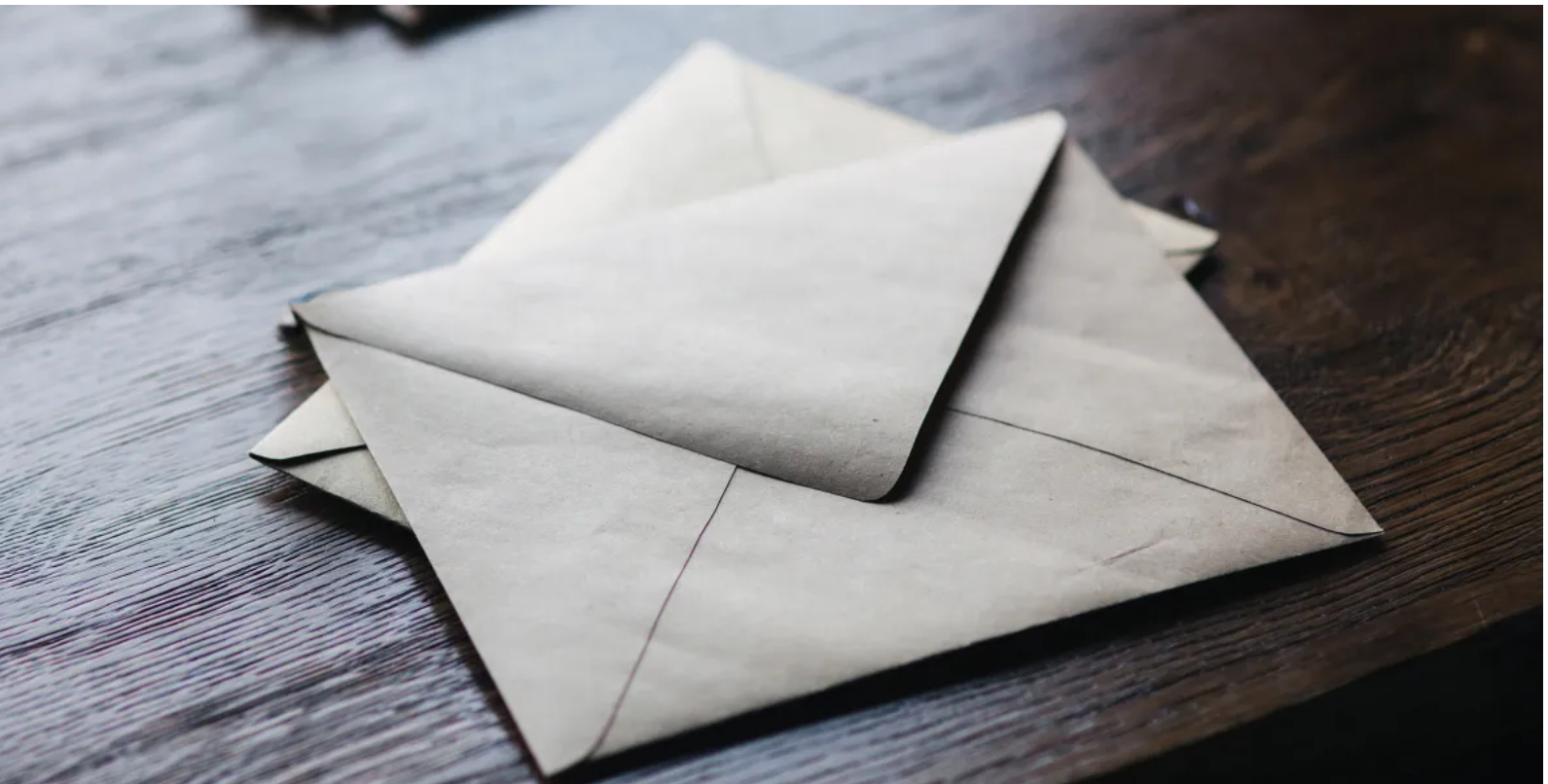
She pressed a heavy, cream-colored envelope into my hands. My name was written in elegant cursive.
Inside was an invitation—to a charity gala for hurricane victims. My name was on the guest list. At the bottom, four words stood out:
Every invited guest will receive a personal gift.
I didn’t believe it. Jenna did.
“You’re going,” she said firmly. “I’ll watch the boys. Borrow a dress. No arguing.”
So I didn’t.
The Gala
The ballroom felt unreal. Crystal chandeliers. Marble floors. Champagne glasses. People who looked untouched by storms.
I stood against the wall, convinced someone would tell me there’d been a mistake.
Instead, the host took the stage.
He spoke about community. About disasters revealing who shows up and who disappears.
“We’re rebuilding lives tonight,” he said. “Including one family here with us.”
Then he told my story.
He said my name.
“Mariam, would you please stand?”
The room turned toward me. Cameras flashed. Applause filled the air.
“This home is yours,” he said. “You and your boys deserve stability.”
I barely heard anything after that.
The House and the Letter
The house was real. Yellow paint. White trim. A porch swing. Three cribs waiting in a nursery.
And then I saw the envelope on the kitchen counter.
Another letter.
Inside was the condition: participation in a public awareness campaign. Interviews. Photos. My story shared in exchange for long-term ownership of the home.
It felt heavy. Exposing.
But the roof was solid. The cribs were sturdy. My sons were safe.
That night, after they slept, I made the call.
“I’ll do it,” I said. “But my children are not props.”
They agreed.
One Year Later
The campaign ran everywhere. Strangers recognized me. Some called me brave. Others called me lucky.
Neither felt right.
But the work led to something unexpected—a job offer. Stability. A future that didn’t revolve around emergencies.
Now, as I sit on my porch swing under the oak trees, listening to my boys breathe in their sleep, I understand something I didn’t before.
Accepting help doesn’t make you weak.
Being seen doesn’t erase your dignity.
A gift with conditions isn’t always a trap.
Sometimes it’s a bridge.
The hurricane didn’t disappear from my story. But it gave way to rebuilding—slow, imperfect, real.
And for the first time in a long time, I feel planted.
Held.
Allowed to hope.
What matters isn’t just that someone opened a door.
It’s what you build once you walk through it