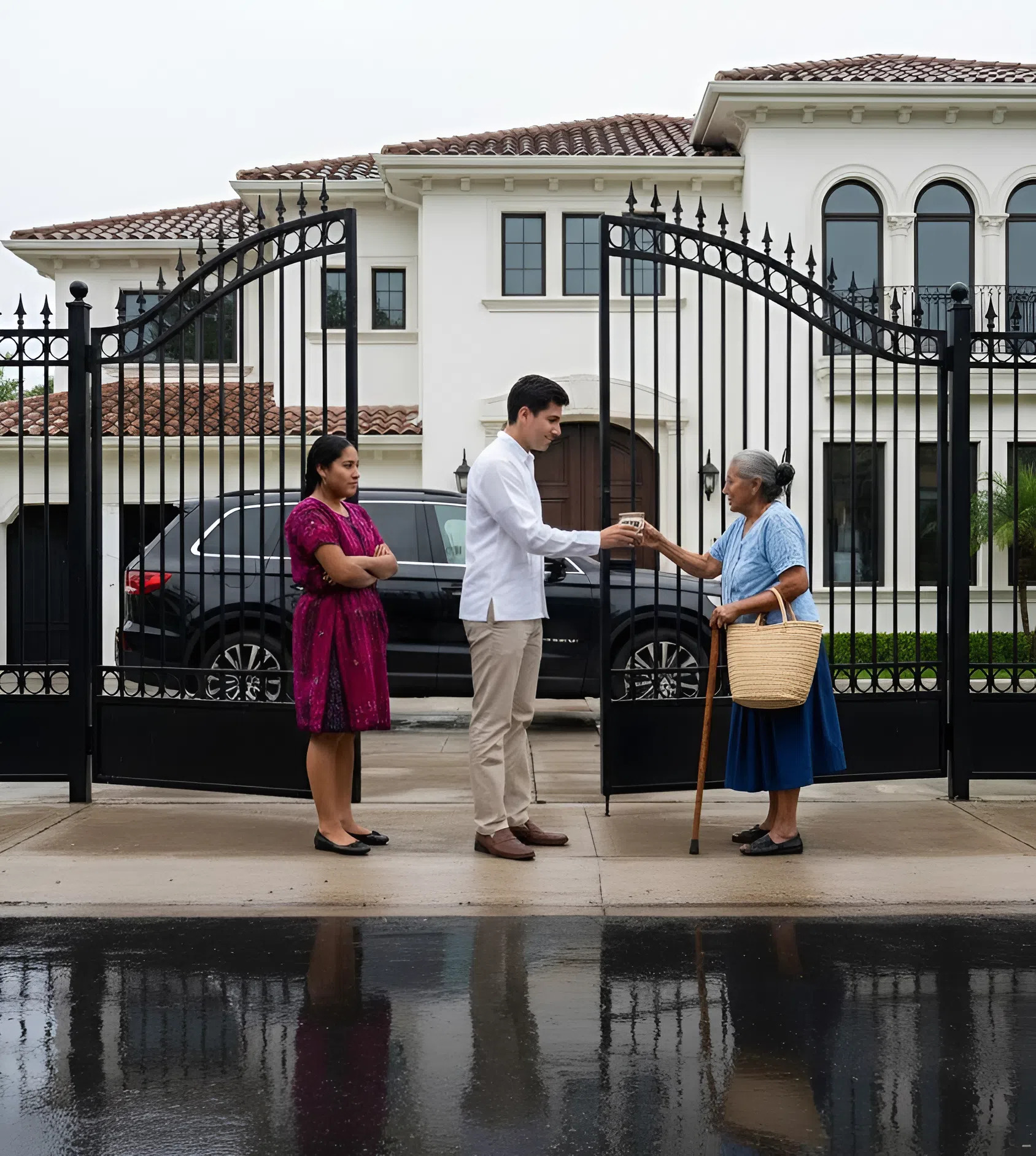
No matter how busy or wealthy we are, never forget those who gave us life and raised us. A little love for our parents — sometimes just a greeting, a handshake — can warm a whole life.
Since Dolores recovered, Ramon has become a different person. He no longer cared only about business, contracts or parties with partners. Every weekend, he travelled from Quezon City to the province, where his mother’s wooden house stood next to coconut palms.
He bought vitamins, a new bed, and sent repairmen to fix the roof. He also told the neighbours:
‘If Nanay (mum) feels unwell or needs anything, let me know right away.’
Ramon’s care filled Dolores with happiness. One day, she saw him sweeping the yard in the evening light. And she thought, ‘He really is my son.’

At first, Ramon’s wife, Cecilia, was unhappy. Deep down, she thought, ‘If he spends so much time with his mother, what about me and our children?’
But gradually, seeing how Ramon fed his mother, took her to the hospital and listened to her stories, her heart changed. One night, when they were alone, Cecilia said quietly to him:
“My love, forgive me. I was selfish. Seeing how you care for Nanay makes me want our children to love me that way too someday.
Ramon took her hand, his eyes moist:
‘Thank you for understanding. I’m sorry I was afraid and treated my mother coldly. I promise to keep my balance and not cause you any suffering.’
Since then, Cecilia began to accompany him to the village, bringing sweets and fruit. The people in the barangay were delighted to see the daughter-in-law smiling and helping her mother-in-law at the market.
The story of the ‘bag of noodles with money and love’ spread throughout the neighbourhood. The elderly, sipping their coffee, said:
‘How lucky that Ramon changed his mind in time. Otherwise, he would have regretted it for the rest of his life.’
One neighbour even used this story as a lesson:
‘Children, when you work and earn money, don’t forget your parents. All they need is your heart.’
At first, many criticised Ramon for his ingratitude. But when they saw the changes in him, they began to look at him with respect.
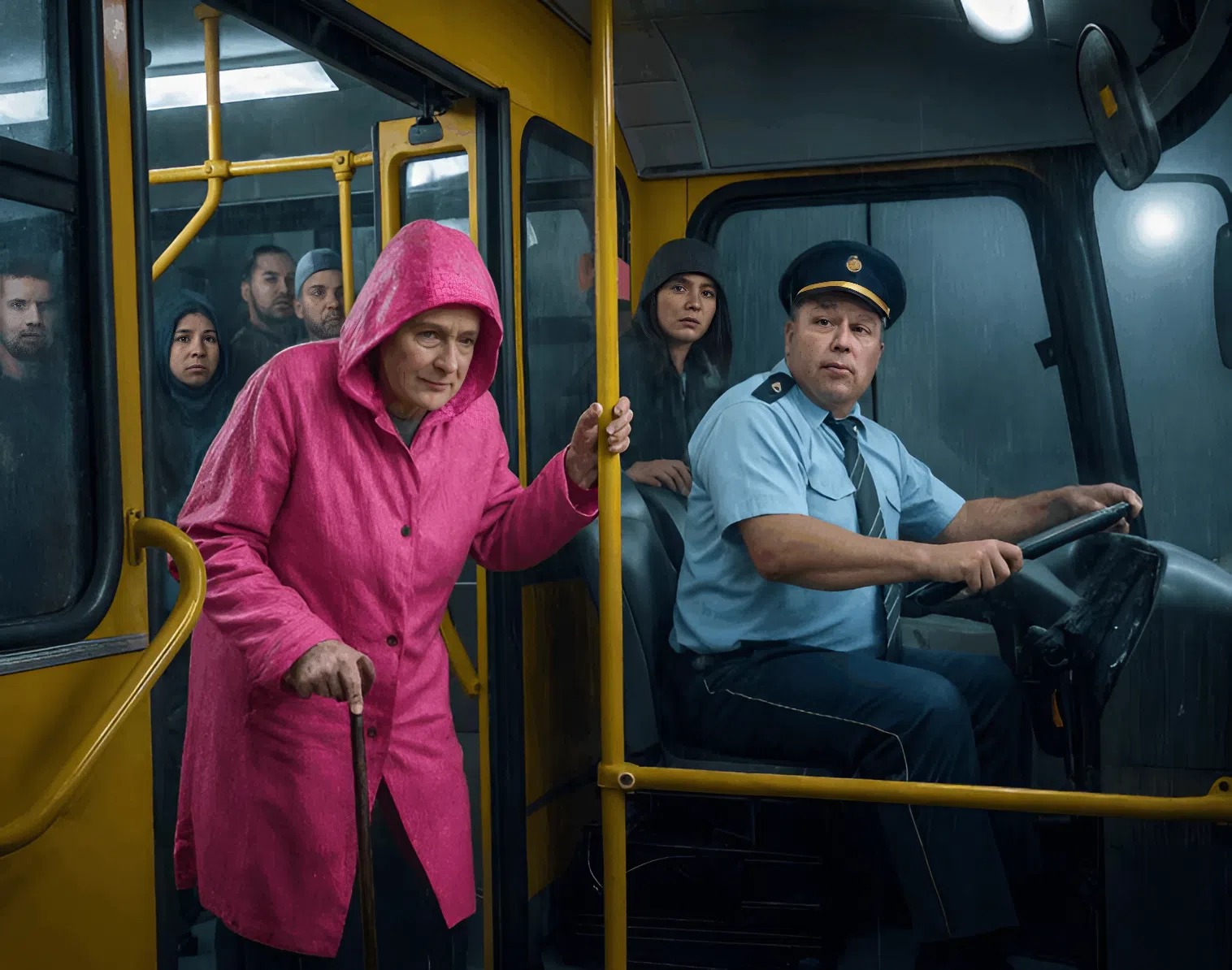
At one of the community meetings, the barangay president said:
‘Filial piety is the root of the Filipino family. Ramon has shown that it is never too late to get back on the right track.’
Family dinners became more frequent. Dolores sat in the centre of the table, Ramon on one side, Cecilia on the other, and the grandchildren around them. She served soup and smiled:
‘I am very happy. Not because of money, but because my family is together.’
Ramon bowed his head:
‘Nanay, I promise I will never cause you suffering again.’
Outside, the golden sun fell on the new roof, and the air was filled with the crowing of roosters and the laughter of children. The whole barangay repeated:
‘Never forget your parents. Thanks to them, we have what we have.’
Over the years, Dolores’ health stabilised. Every morning she sat on the veranda, watching the sampaguita garden and her grandchildren playing. There was always a smile on her wrinkled face.
Ramon and Cecilia kept up the tradition of visiting her every Saturday and Sunday. At each meeting, Dolores would tell stories:
‘When Nanay was young, everything was difficult. But thanks to love, we made it to this moment.’
Her grandchildren would ask:
‘Grandma, is the story about the bag of noodles with money in it true?’
She would smile:
‘Yes, it’s true. But what’s more important than the money is a son’s love for his mother.’
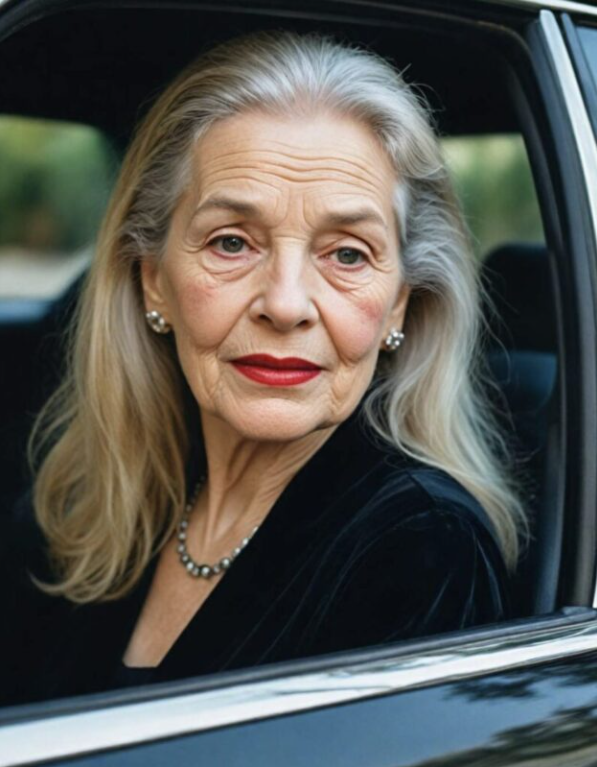
Over time, Dolores became a symbol of the barangay. She was called ‘Nanay Dolores, mother of love and respect.’ At community meetings, teachers mentioned her as an example:
‘Mistakes can be corrected if you know how to return to your roots.’
The ‘magic packet of noodles’ became a modern fable. Children would say:
‘I promise: when I grow up, I will never make my mother cry, like in the story of Nanay Dolores.’
Over the years, Dolores’ hair had turned completely white. She didn’t walk much anymore, but her mind was clear. One day she called Ramon, Cecilia and her grandchildren. She gave them a small wooden box with a handkerchief and a letter:
“Ramon, my son. My life has not been a rich one, but I am happy that you have been able to change. Teach your children that money is not everything. The most valuable things are love, respect and compassion. This is the legacy I want to leave behind.”
Ramón hugged her, crying. Cecilia and the children also cried, realising that this lesson would stay with them forever.
One summer day, as the golden sun flooded the rice fields, Dolores quietly closed her eyes. She was still smiling, clutching her old handkerchief. Ramon, his wife and grandchildren were by her side, holding her hand.
Her funeral was not lavish, but the entire barangay came to say goodbye. People whispered:
‘Dolores left us a lesson we will never forget: filial piety, even if belated, is always valuable.’
Years later, Dolores’ story is still told in schools and at gatherings. The image of the old woman with a bag of noodles, which concealed her son’s love, has become a symbol of maternal love and redemption.
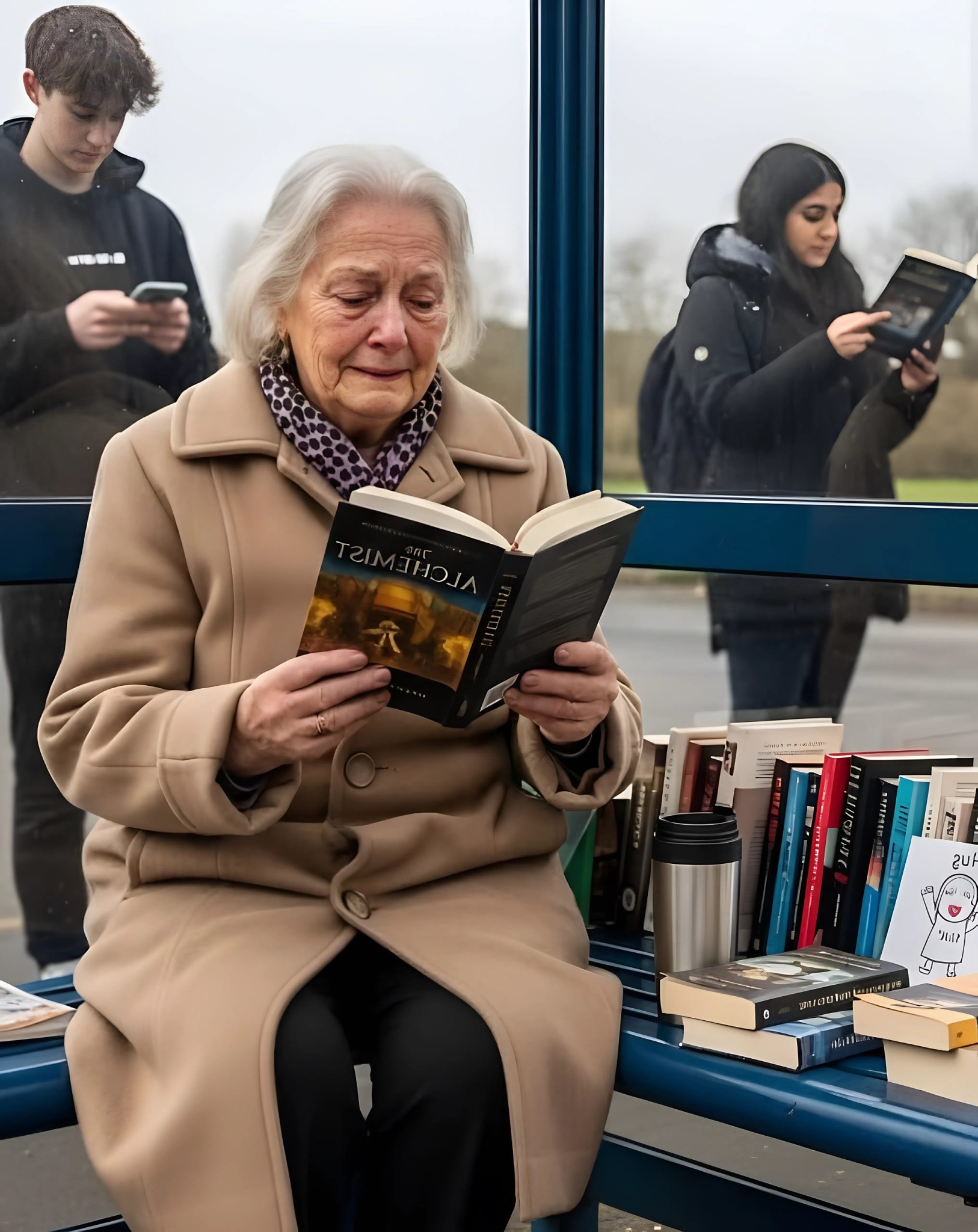
Ramón, with reddened eyes, often told his story:
“I was indifferent, but thanks to my mother, I realised that filial piety should never come too late. Love your parents while they are alive.
Dolores’ legacy is not money or material goods, but a lesson in maternal love, filial love, and forgiveness. She is no longer with us, but her story lives on as a light that guides every Filipino home.
And the people of Barangay often remind each other:
‘That packet of noodles was the best meal in Nanay Dolores’ life because it contained all the love between mother and son.’