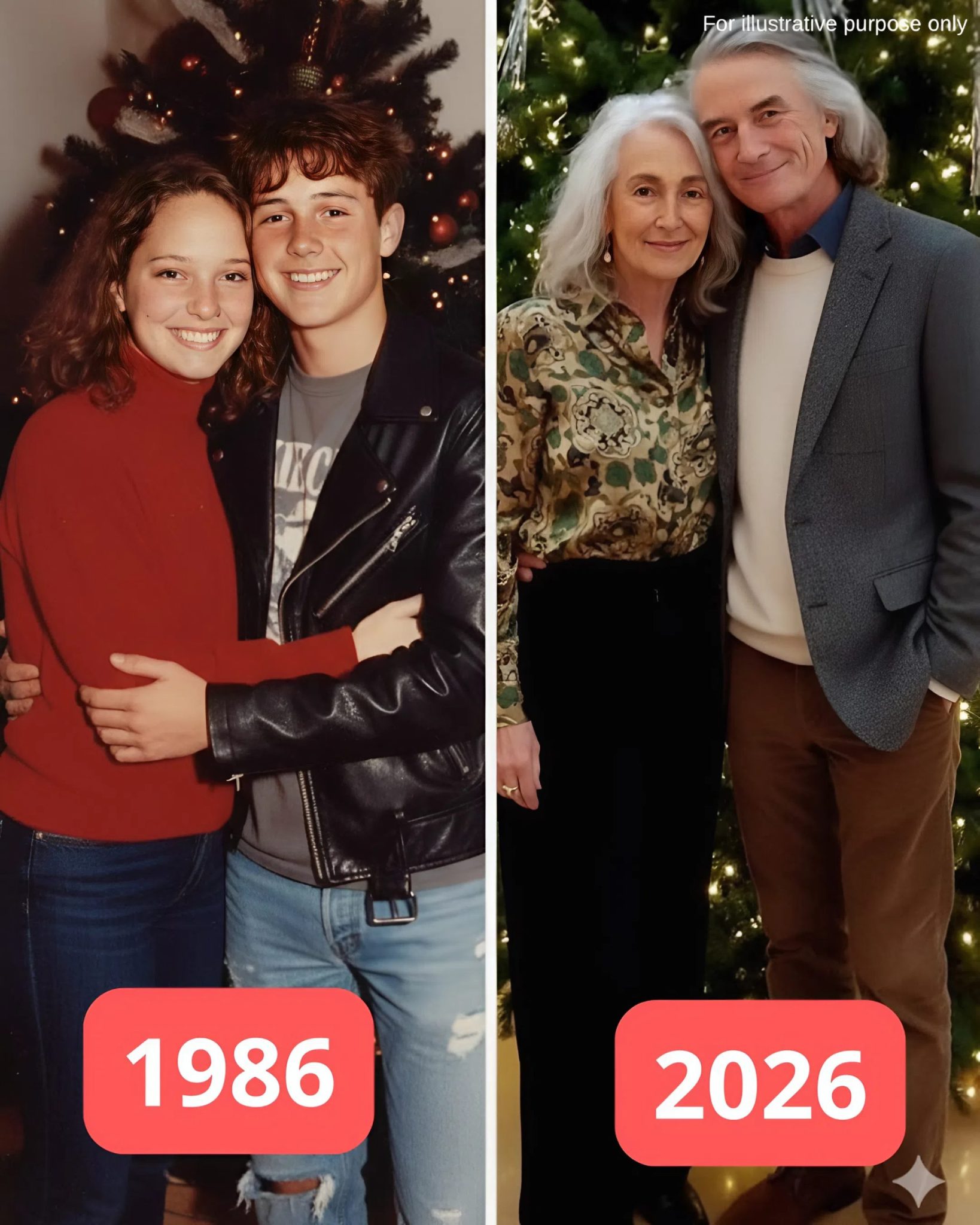
“Miss Anne,” Emily said, voice trembling now, “is that you?”
I barely managed it. “Yes.”
The room went too bright, too loud, like my senses couldn’t decide how to process reality.
Emily’s eyes were huge. “Do you want me to message him? Should I tell him where you are?”
I opened my mouth. Nothing came out.
So I did what I’ve always done—tried to shrink it.
“It might not be him,” I said. “It could be old.”
Emily gave me a look that said, Please don’t lie to yourself.
“Miss Anne,” she said gently, “he updates it every week. The last update was Sunday.”
Sunday.
A few days ago.
So he wasn’t reminiscing. He was still searching.
Something stirred beneath my ribs—hope and fear knotted so tightly I couldn’t separate them. Emily waited, perfectly still, like if she moved I’d retreat.
Finally, I exhaled. “Okay.”
“Okay as in yes?”
“Yes,” I said, voice shaking. “Message him.”
Emily nodded like a professional.
“I’ll be careful,” she said. “Public place. Daytime. Boundaries. I’m not getting you abducted, Miss Anne.”
Despite myself, I laughed. It came out shaky and wet.
“Thank you,” I said. “Truly.”
That night, I stood in front of my closet like it was an exam I hadn’t studied for.
It’s humiliating how quickly your brain can turn back into a teenager. I held up sweaters. Rejected them. Put them back. Pulled them out again. I stared at my hair in the mirror and muttered, “You are 62. Act like it.”
Then I called my hairdresser anyway.
The next day, after the final bell, Emily slipped into my classroom with a conspiratorial smile.
“He replied,” she whispered.
My heart jumped. “What did he say?”
She showed me the screen. “‘If it’s really her, please tell her I’d like to see her. I’ve been waiting a long time.’”
My throat tightened.
Emily said, “Saturday? Two p.m.? The café near the park?”
I nodded before fear could overtake me. “Yes. Saturday.”
She typed quickly, then grinned. “He said yes. He’ll be there.”
Saturday arrived too fast. I dressed carefully: soft sweater, skirt, my good coat. Not trying to look younger—just trying to look like the best version of who I am now.
On the drive there, my mind was merciless.
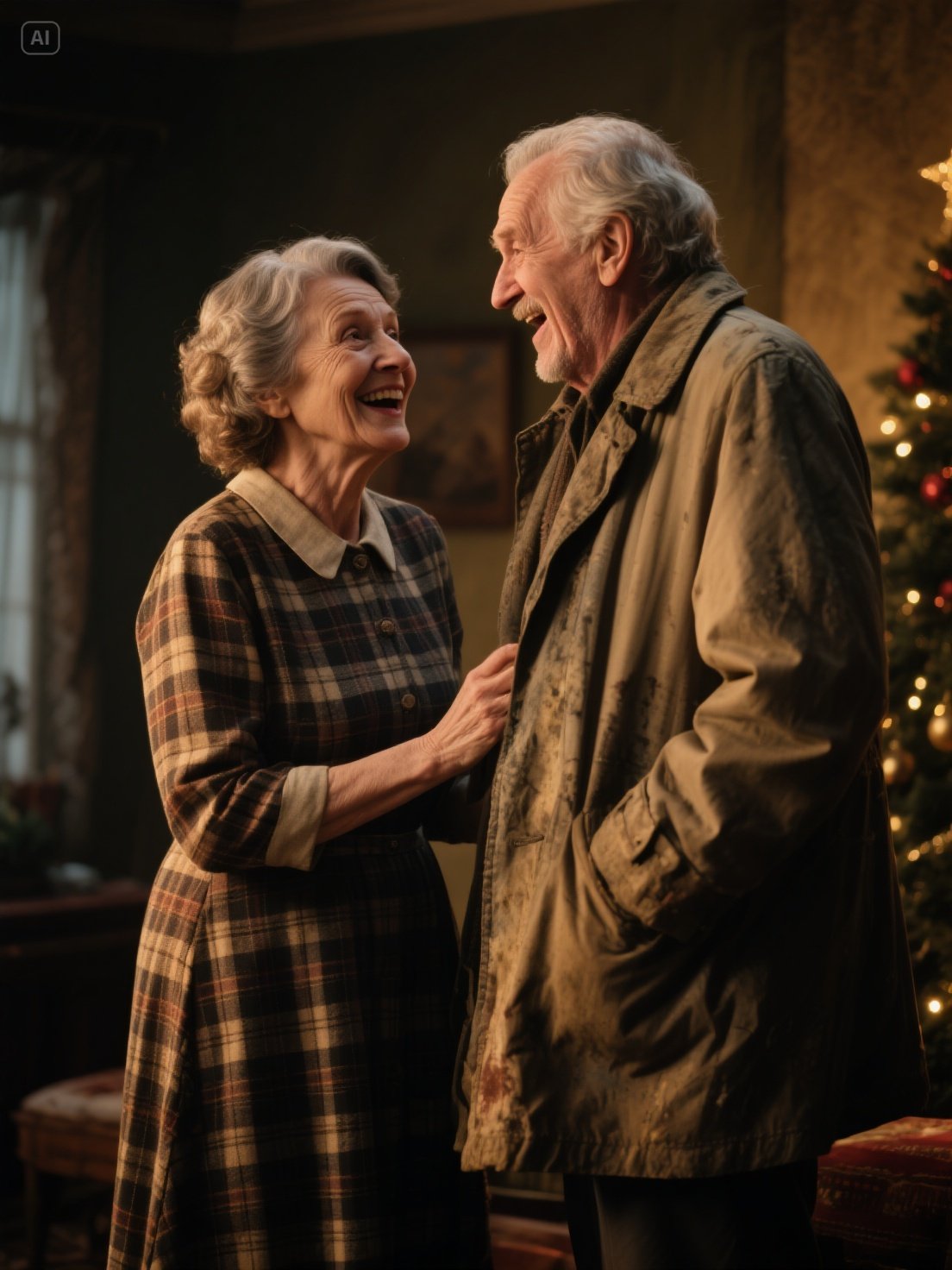
What if he doesn’t recognize me? What if I don’t recognize him? What if the past is prettier than the truth?
The café smelled of espresso and cinnamon. Holiday lights blinked in the window.
And I saw him immediately.
Corner table. Back straight. Hands folded. Scanning the door like he didn’t trust luck.
His hair was silver now. His face lined by time’s quiet hand.
But his eyes were the same.
Warm. Attentive. Slightly mischievous.
He stood the instant he saw me.
“Annie,” he said.
No one had called me that in decades.
“Dan,” I managed.
For a moment, we just stared at each other, suspended between who we were and who we’d become.
He smiled—wide and relieved, like something inside him finally loosened.
“I’m so glad you came,” he said. “You look wonderful.”
I snorted because I needed air. “That’s generous.”
He laughed, and it hit me like a familiar song.
We sat. My hands trembled around the coffee cup. He noticed and pretended not to. That small mercy nearly undid me.
We started with the safe updates.
“You’re a teacher?” he asked.
“Still,” I said. “Apparently, I can’t quit teenagers.”
He smiled. “I always knew you’d help kids.”
Then came the silence—the one I’d carried for forty years.
I set my cup down.
“Dan,” I said quietly, “why did you disappear?”
His jaw tightened. He looked at the table, then back at me.
“Because I was ashamed,” he said.
“Of what?” I asked, softer than my anger.
“My father,” he said. “It wasn’t just taxes. He was stealing from his employees. People who trusted him. When it came out, my parents panicked. We packed the house in one night and left before sunrise.”
“And you didn’t tell me,” I said, my voice cracking despite myself.
“I wrote a letter,” he said quickly. “I had it. I swear I did. But I couldn’t face you. I thought you’d see me as part of it. Like I was dirty too.”
My throat tightened. “I wouldn’t have.”
He nodded, eyes glossy. “I know that now.”
He took a breath.
“So I promised myself I’d build something clean,” he said. “My own money. My own life. Then I’d come back and find you.”
“When?” I asked.
“Twenty-five,” he said. “That’s when I finally felt… worthy.”
“Worthy,” I repeated, tasting the sadness in it. “Dan, you didn’t have to earn me.”
He looked like he wanted to argue, then didn’t.
“I tried to find you,” he said. “But you’d married. Changed your last name. Every lead died.”
I looked down at my hands.
“I was heartbroken,” I admitted. “I ran into marriage like it was a life raft.”