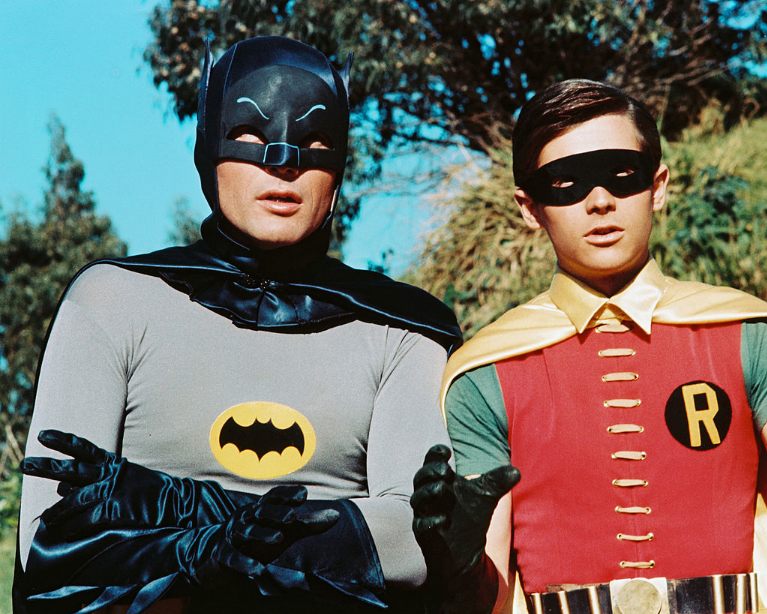
In 1966, Batman was more than just a film – it was a pop culture explosion that forever changed the way superheroes were viewed.
The iconic film starring Adam West and Burt Ward embodied the bright, colourful and offbeat style of the 1960s – a time when the cultural landscape was a whirlwind of pop art, psychedelic patterns and a playful sense of humour.
And like most legendary films, there were plenty of behind-the-scenes moments and wardrobe mishaps that made the Batman film as memorable as his on-screen antics.
The cynical reason for the film’s appearance
As far as I’m concerned, the first Batman film is a brilliant embodiment of 1960s pop culture.
The eye-catching bright colours, absurdly exaggerated fight scenes and humour bordering on the ridiculous are all signs of the times. America in the mid-60s was in a state of transition – political upheaval, social change and a cultural revolution. What better escape from reality than a fun, lighthearted comic book hero battling villains like the Joker, Penguin and Catwoman in a world where the worst thing that could happen was a laugh track?
Of course, there were some pretty clever and, let’s be honest, a little cynical reasons behind the 1966 Batman film.
Producer William Dozier thought, ‘Hey, why not release this Batman film on the big screen while the first season of the TV show is still in the works to build up the hype?’. Genius move, right?
But 20th Century-Fox wasn’t happy with that. They weren’t going to foot the entire bill for a film when they could just split the costs on a much less risky TV series. So while Dozier dreamed big, the studio decided to hedge their bets and let him move forward with making the film on his own. It’s a classic Hollywood move – nothing beats a calculated risk …
Adam West’s two must-haves
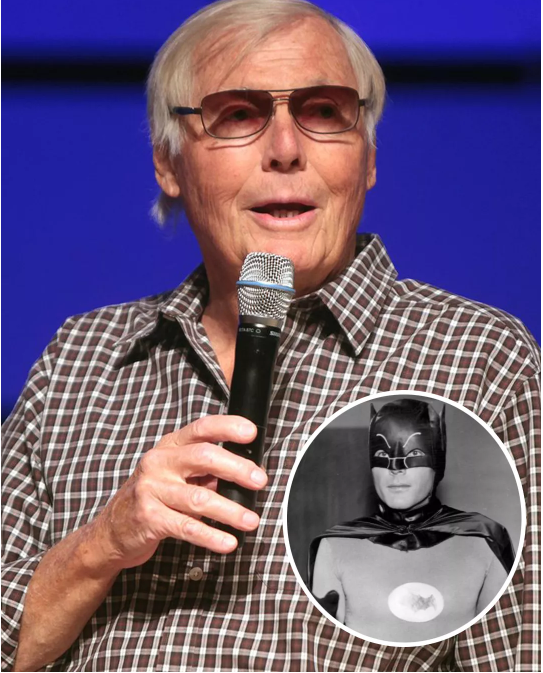
In 1966, when Batman appeared on the scene, Adam West was at the height of his popularity, a pop culture sensation. Tall, trim, with a baritonal voice, he was the perfect all-American Bruce Wayne. But before he became the iconic Gotham crime fighter, Adam West was just another actor looking for his moment of stardom.
He was actually born William West Anderson and changed his name to ‘Adam West’ when he moved to Hollywood in 1959 after a few small roles on television.
Batman producer William Dozier chose West not only because of his looks and charisma, but also because he spotted him in the role of the James Bond-style spy, Captain Q, in a Nestlé Quik advert.
When Adam read the script for the 1966 Batman pilot episode, he fell in love with it after 20 pages. As he said in a 2006 interview, ‘I read the pilot script and within 20 pages I knew this was the kind of comedy I wanted to do.’
The casting decision came down to an argument between West and Lyle Waggoner, and in the end West agreed to do the film on two conditions. Firstly, he wanted more screen time in the role of Bruce Wayne, not just Batman.
Second, he wanted to approve who would play Robin. He gave the green light to Burt Ward, who had a brown belt in karate but no acting experience.
According to West, he understood the material and brought something unique to the role of Batman: ‘You can’t play Batman in a serious, square-jawed, straightforward way without making the audience feel that there’s something behind the mask waiting to come out, that he’s a little crazy, weird.’
A curse in disguise
Despite being Batman in the iconic 1966 TV series, Adam West has constantly had to contend with his biggest success.
Despite starring in numerous films and TV shows throughout his career, he was always referred to as ‘television’s Batman.’
He had a hard time finding roles after the series ended, but he made a legendary comeback as the voice of Mayor Quahog in Family Guy.
Sadly, West died in 2017 after a brief battle with leukaemia.
The Joker refused to shave off his moustache
Did you know that Cesar Romero, who played the Joker, adamantly refused to shave off his iconic moustache for the role?
Instead, the make-up artists simply smeared them with white paint. The tall, suave actor stuck to this odd decision in every episode of the show and film, and let’s be honest – no one was fooled by this ‘cover-up.’ If it was such a big deal, producers could have easily used prosthetics to hide his moustache, but Romero’s stubbornness became part of his Joker charm.
Romero died in 1994 at the age of 86 due to complications from a blood clot after being hospitalised with severe bronchitis and pneumonia. He was honoured with a star on the Hollywood Walk of Fame at 6615 Hollywood Boulevard for his contributions to film and another star at 1719 Vine Street for television.
The Untold Story of Lee Meriwether
Contrary to popular belief, Lee Meriwether never played Catwoman in the television series Batman (1966) – that honour went to Julie Newmar and Eartha Kitt. However, Meriweather played this iconic role in the 1966 film Batman: The Movie.