
In the legendary haze of the 1970s, Hollywood found one of its most atmospheric images in the union of the Bionic Man and his Angel. Long before Farrah Fawcett became a world star, she and Lee Majors passed through the industry with a special inner strength, largely tied to their shared southern roots. They were not just a «golden pair» screen — their union became an example of how long real talent can live, connecting glossy television with sincere, earthly reality. Lee, already an established leading actor of his time, relied on professional honesty and stability to help lay the foundation for their early years — the foundation by which they became one of the most attractive symbols of the era.
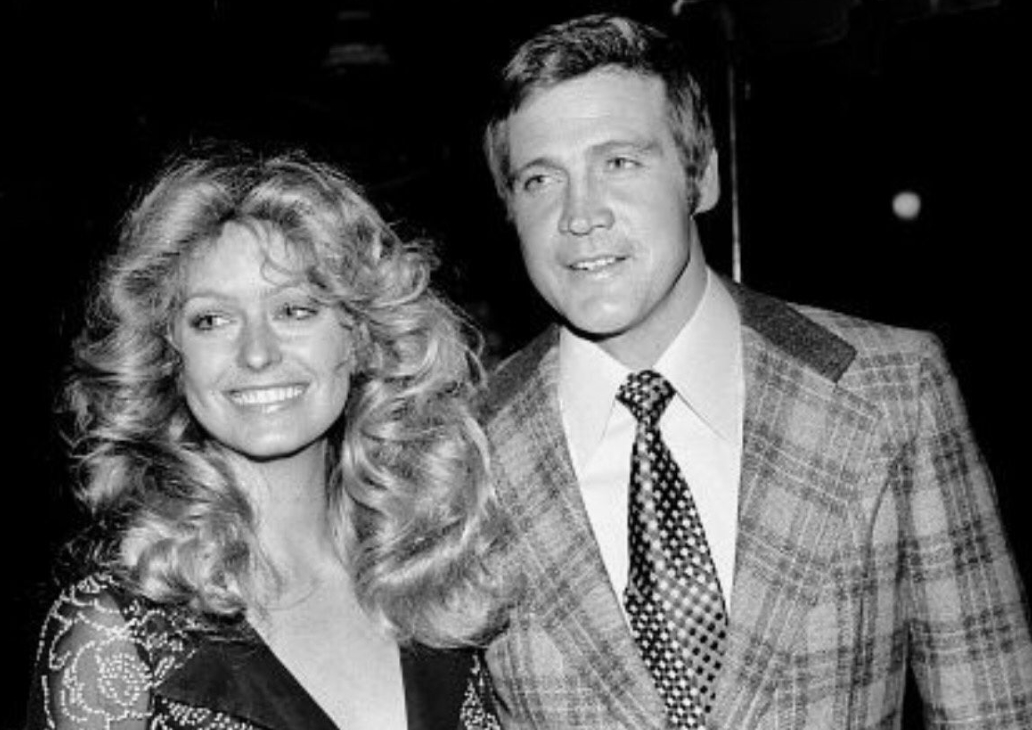
1976 quickly took their story to new heights, turning it into a rare intersection of pop cultural events. As Lee continued to demonstrate acting power as science fiction archetype Steve Austin, Farrah’s career literally took off after the release of «Charlie» Angels and the appearance of the legendary red swimsuit poster. Together, they became an influential couple, with every step followed by an audience endlessly curious about what was happening behind closed doors. It was the head of impeccable glamor in front of the cameras, but behind the external brilliance they remained a spiritual team, restrainedly and with dignity withstanding the pressure of being one of the most photographed couples in the world.
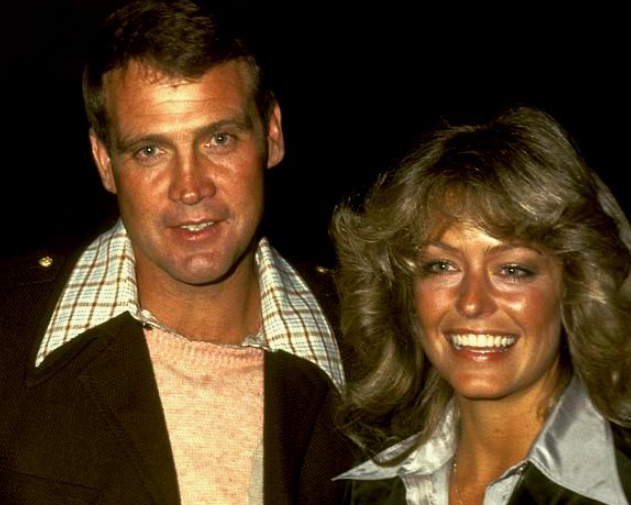
However, the construction of two parallel and incredibly large quarries with time brought unexpected difficulties and more complex shades to their marriage. When Farrah tried to move beyond the image of a pin-up icon to deep dramatic roles, the intense filming schedules gradually created a quiet distance between them. Their separation in 1979 was not a scandal, but rather a change in the internal dynamics of —, a reflection of a new era of personal independence, in which even an almost mythical connection could be transformed for the sake of everyone’s creative and professional growth. They went through this transition with rare grace, avoiding their tabloid clichés time and putting mutual respect before a public performance.
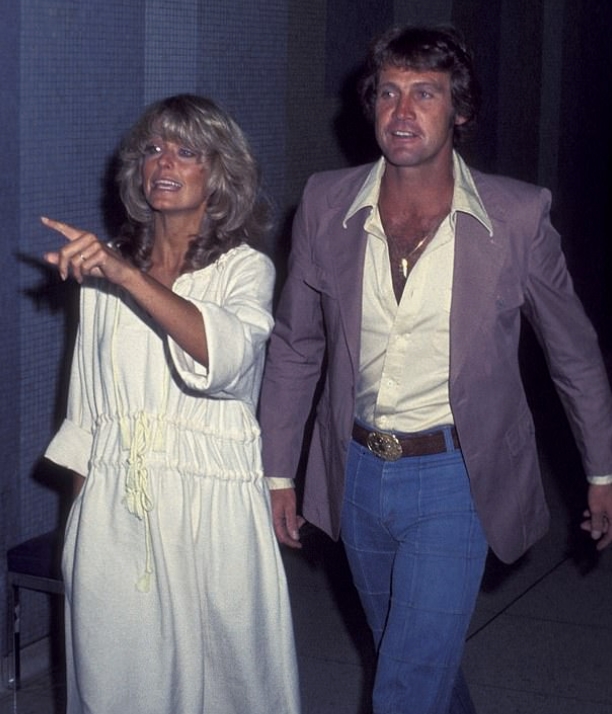
Perhaps the main legacy of their relationship is best revealed in the second act of — in the respect they were able to gain years later. Lee later recalled their connection to warmth and attentiveness, once calling them «Brad and Angelina of their time». Before Farrah left in 2009, they found the strength and courage to make contact again, sharing a harmonious forty-minute conversation that ended their shared story with an amazing sense of peace. This revived friendly warmth proved that their past was built on something much deeper than fame, revealing a second act of mutual admiration that cannot be ignored by those who value content above celebrity.
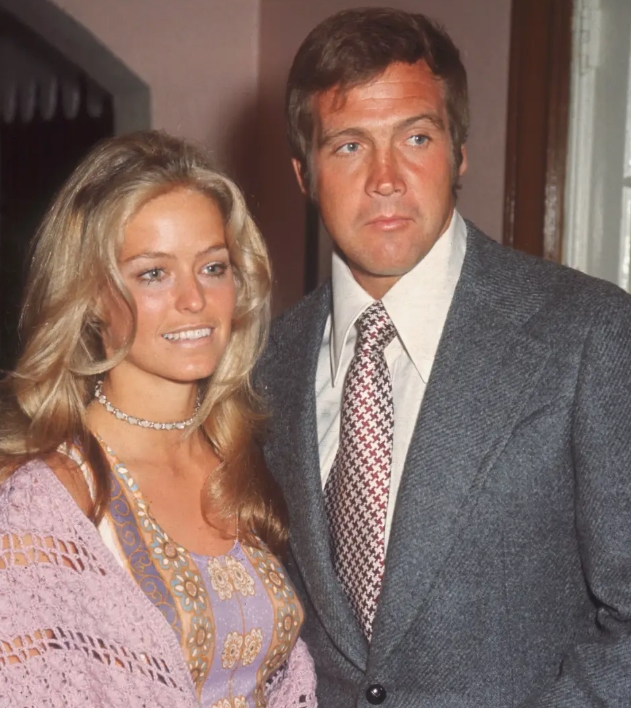
Looking back from 2026, Farrah and Lee remain a shining symbol of television stories — is a poetic reminder of an era when superstars carried a special depth and heart. Today they are remembered not only for their individual acting power, but also for their common path, which largely determined the aesthetics of an entire decade. Their history proves that the longest-lasting stars — are those who are able to pass both the pinnacles of success and the complexity of farewell while maintaining dignity. Their legacy remains as amazing and lasting as the bionic sound itself, — a true Hollywood symphony of style, soul and time.