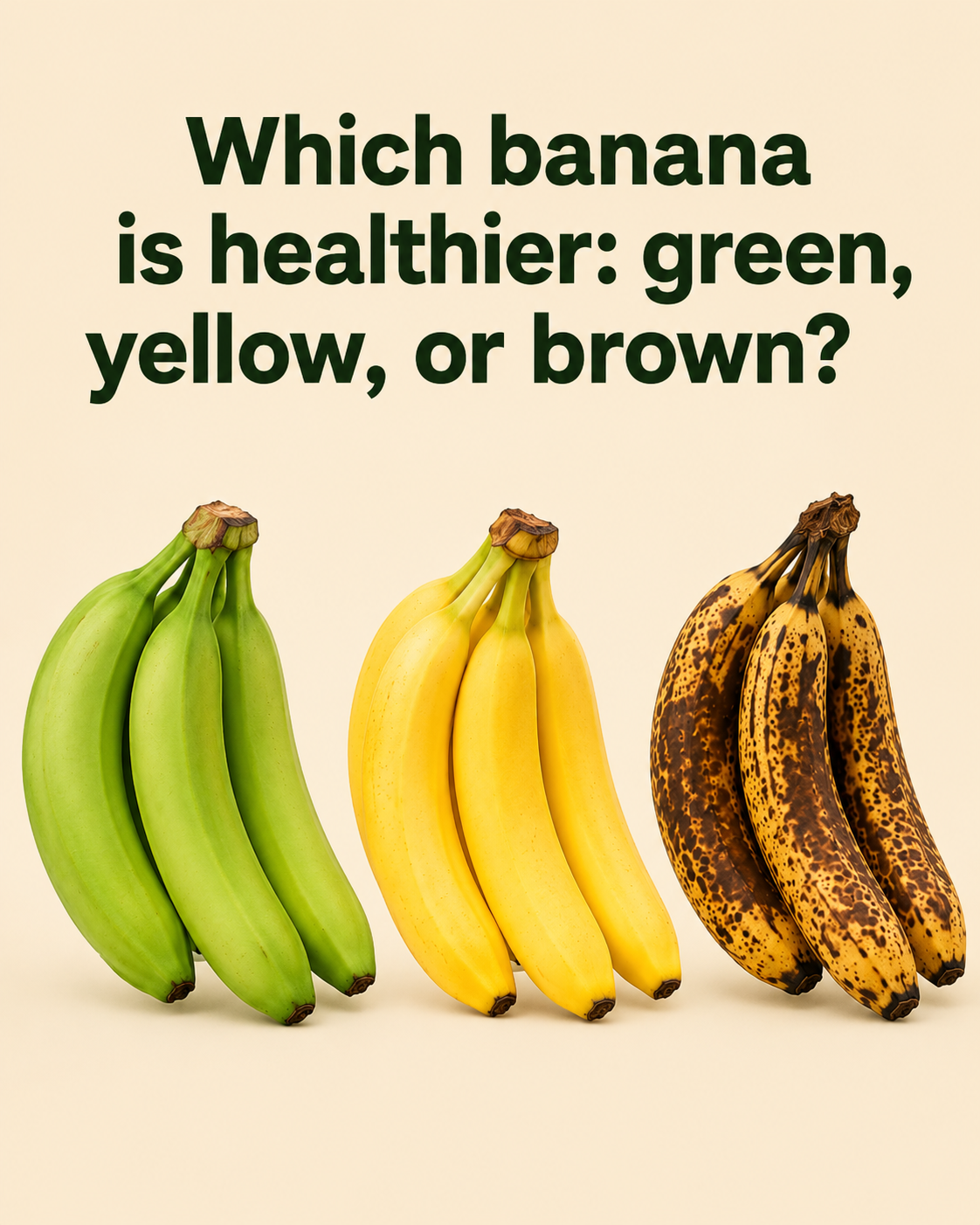
Green, yellow or brown… Which banana is actually the healthiest? Dried bananas
Bananas are among the most popular fruits in the world, and it’s no coincidence. They’re inexpensive, handy as a snack, naturally sweet and rich in essential nutrients. Whether added to smoothies, chopped into porridge or simply eaten on the go, bananas have long held a firm place in many people’s kitchens.
But there’s one thing that not everyone knows: a banana’s nutritional value changes significantly as it ripens.
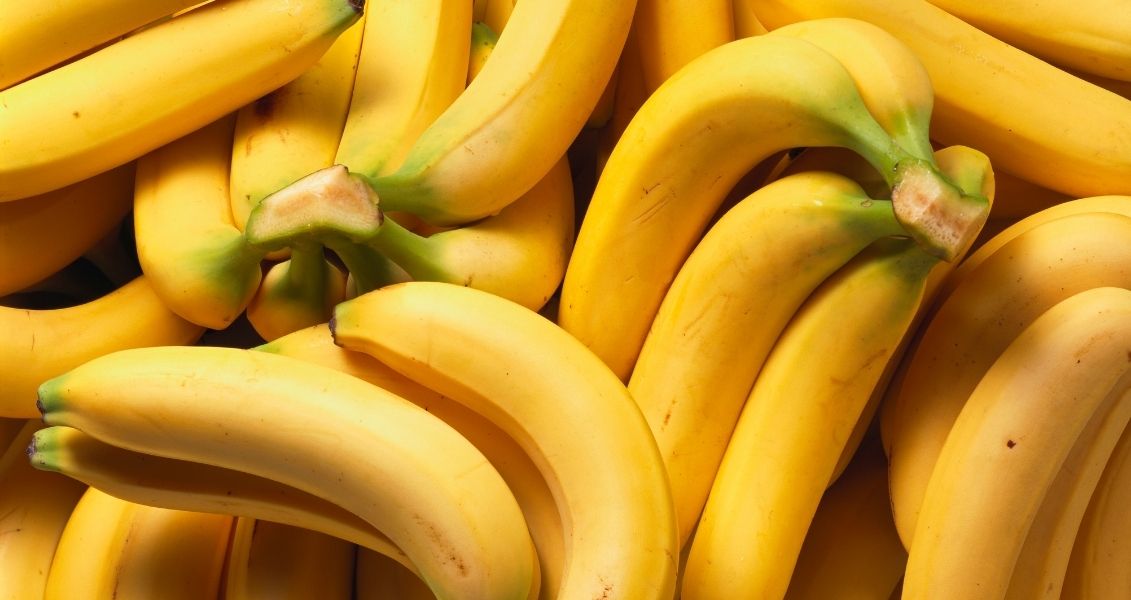
A bright green banana sitting on the table offers one set of benefits to the body, whilst a ripe yellow one next to it offers a different set. And what about those brown, spotty bananas that are often set aside? They too can turn out to be a real treasure trove of health benefits.
So which banana is the healthiest? It all depends on your health goals.
Let’s take a look at how bananas change as they ripen — and which stage might be right for you.
The science of banana ripening
As bananas ripen, complex carbohydrates known as starches gradually turn into simple natural sugars. This process affects not only the fruit’s taste and softness, but also how the body digests and utilises it.
The journey from a green banana to a yellow one, and then to a brown one, is accompanied by several important changes that can affect digestion, blood sugar levels and antioxidant content.
Green bananas: the best choice for managing blood sugar levels and feeling full
Green bananas are at the very earliest stage of ripeness and contain the highest levels of resistant starch.
Resistant starch acts in a similar way to dietary fibre: it is hardly digested in the small intestine and reaches the large intestine, where it helps to support beneficial bacteria.
The benefits of green bananas
- High in resistant starch
- Lower in natural sugars
- Support digestive health
- Help you feel fuller for longer
- May help manage blood sugar levels
- Support beneficial gut flora
- As these bananas are digested more slowly, they help provide a more steady supply of energy without sharp spikes in blood sugar.
Who should choose green bananas?
Green bananas can be particularly beneficial for:
- People who monitor their blood sugar levels
- Those who want to increase the amount of fibre in their diet
- Those who want to stay full for longer
- Anyone who cares about their gut health
- There’s just one downside: not everyone likes their firm texture and slightly tart flavour.
- Yellow bananas: the perfect balance
- When most people picture a banana, they usually think of the bright yellow fruit.
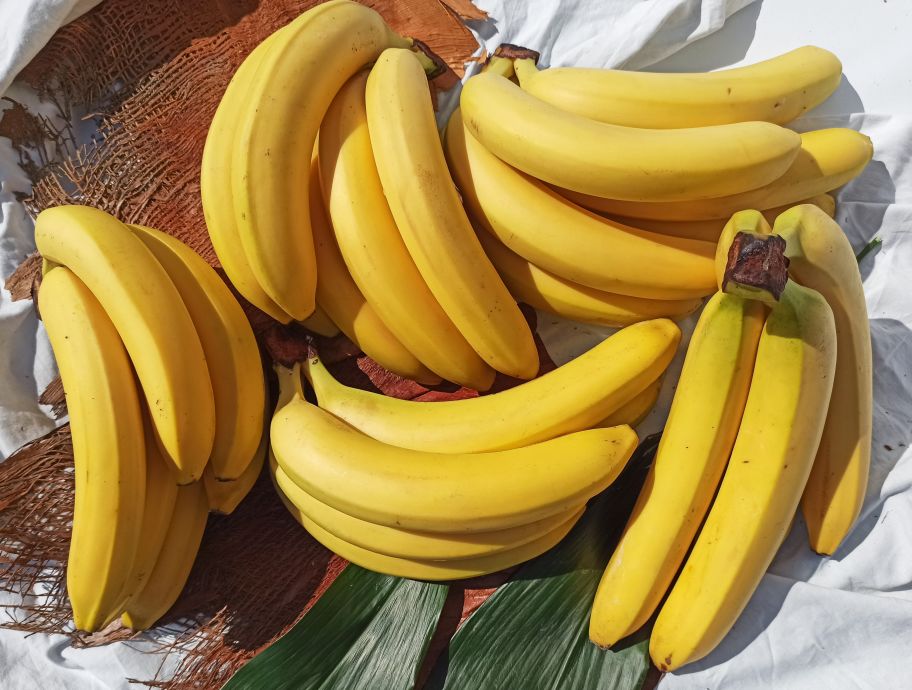
At this stage, a significant proportion of the resistant starch has already been converted into natural sugars, such as glucose, fructose and sucrose. This makes the banana sweeter and softer, whilst still retaining a good amount of fibre.
The benefits of yellow bananas
- A pleasant, natural sweetness
- A good source of dietary fibre
- A quick and affordable energy boost
- Rich in potassium and essential nutrients
- Easily digested by most people
- For many people, yellow bananas offer the perfect combination of health benefits, taste and convenience.
Who should choose yellow bananas?
Yellow bananas are ideal for:
- A daily snack
- Pre-workout energy
- Busy people, students and schoolchildren
- Maintaining a generally healthy diet
- Brown bananas: an underrated source of health benefits
- Many people throw bananas away as soon as brown spots appear on the skin. But it is precisely these spotted fruits that can offer their own special benefits.
The longer a banana ripens, the higher its antioxidant levels become. Compounds such as dopamine and catechins become more concentrated and help the body combat oxidative stress.

The benefits of brown bananas
- Highest antioxidant content
- Easier to digest
- Naturally sweeter
- Contain vitamin C
- A good source of vitamin B6
- Support the immune system and brain function
- Their soft texture makes brown bananas an excellent choice for baking, smoothies and easy digestion.
Who should choose brown bananas?
Brown bananas can be particularly beneficial for:
- People with sensitive digestion
- Older people
- Athletes who need a quick energy boost
- Those who want to increase the amount of antioxidants in their diet
- How a banana’s ripeness affects digestion
- One of the main differences between green and ripe bananas is their effect on the digestive system.
Green bananas
- Are digested more slowly
- Feed beneficial gut bacteria
- Contain resistant starch
- Ripe and brown bananas
- Are easier to digest
- Are gentler on the stomach
- Contain soluble fibre, which supports regular bowel movements
- If you often experience stomach or bowel discomfort, fully ripe bananas may be a gentler choice.
What about blood sugar?
The ripeness of a banana can affect how quickly it impacts blood sugar levels.